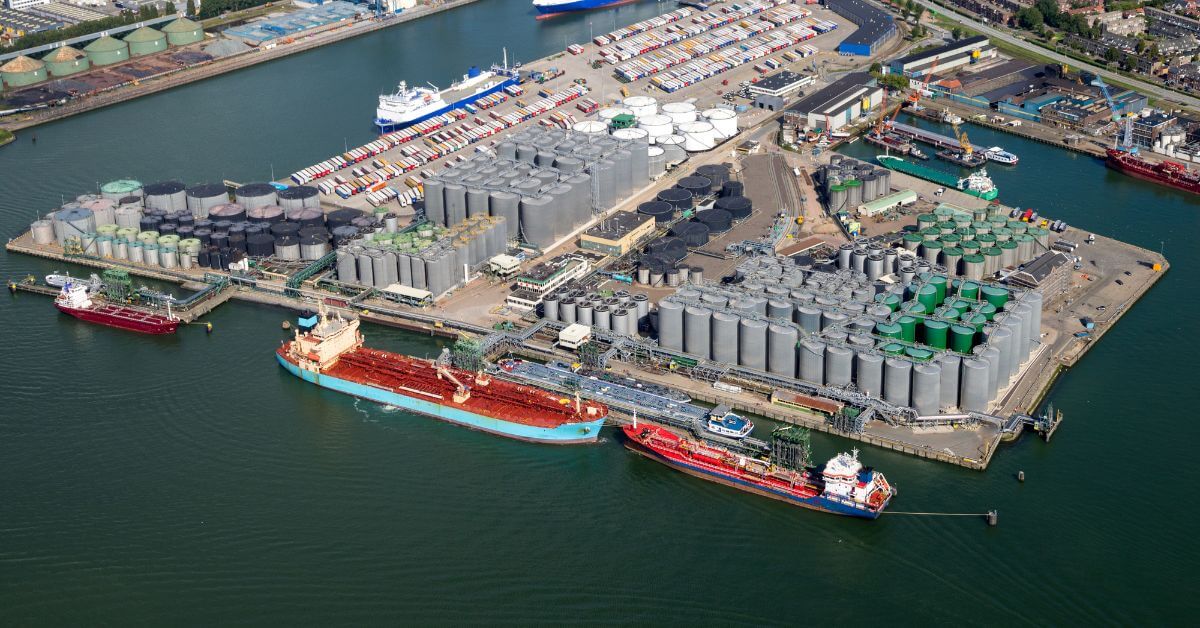
European ports are the circulatory system of the global economy, and when they seize, the effects are immediate and measurable. Hapag-Lloyd's confirmation that the ongoing strike is disrupting vessel operations, terminal work, and inland cargo transport at German ports is not a localized inconvenience; it is a stress test on the entire integrated supply chain. For a sector that has spent years building resilience through data-driven logistics, this is a stark reminder that the most sophisticated algorithms cannot dock a ship or clear a gate when labor actions halt the physical flow of goods. We are watching the difference between theoretical capacity and operational reality.
This disruption does not exist in a vacuum. It echoes the very real tensions seen in other corners of the global logistics map, where infrastructure ambitions meet workforce friction. Consider the recent labor protest over the Chattogram Port lease dispute, a clear signal that port governance and worker relations are as critical as crane technology. Similarly, the designation of Paradip Port as a mega port in India underscores how nations are racing to build capacity, yet that capacity is only as reliable as the labor peace that underpins it. And while Germany invests heavily in renewable energy, as seen with the He Dreiht wind farm, the steel and cable required for that transition still move through the very terminals now facing downtime. The irony is sharp: we are building the future on a foundation that can still be shaken by a picket line.
For our readers, the practical takeaway is not to just track the strike's end date, but to recalibrate routing and inventory buffers now. The delays in Hamburg will ripple to Rotterdam and beyond, creating a cascading effect on transshipment schedules that will likely last weeks after the dispute is resolved. Our advice is to treat this as a case study in contingency planning: validate your alternative inland routes, check the status of bonded warehouses, and communicate directly with your freight forwarders about demurrage liability. The companies that weather this storm are not the ones with the most advanced control towers, but those who have already mapped out the "what if" scenarios.
The specific detail to watch is the duration of the strike. Every additional day of terminal congestion at German ports will tighten the availability of empty containers for export, a problem that will soon be felt by manufacturers in the American Midwest and the Chinese Yangtze River Delta. As the ocean intelligence we rely on becomes more integrated, the human element remains the least predictable variable. The question is not whether these disruptions will pass, but whether the industry will finally internalize the lesson that resilience is not a software upgrade; it is a labor strategy, a diplomatic tool, and a buffer stock of patience.