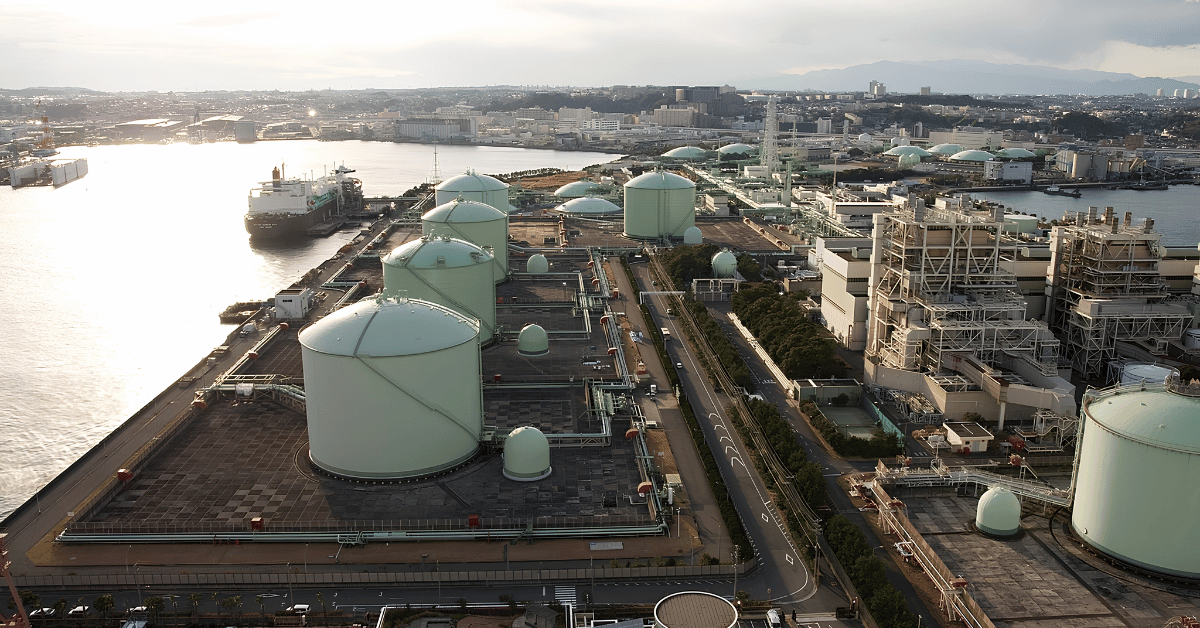
SEA-LNG is calling on the EU to protect the mass-balance pathway for liquefied biomethane, warning that regulatory changes could stall maritime decarbonisation by raising costs and creating supply chain uncertainty. The argument is straightforward: without a book-and-claim system that decouples the physical molecule from its environmental attribute, producers and shipowners face a fragmented market that makes investment in biomethane infrastructure unviable. This is not a niche technical debate. It is a stress test for how seriously regulators intend to treat alternative fuels as a bridge solution.
The mass-balance approach is already validated in other sectors, renewable electricity certificates and sustainable aviation fuel credits operate on similar principles. What SEA-LNG is asking for is empirical consistency: if the EU accepts mass-balance for one decarbonisation tool, why penalise it for another? The practical consequence for shipowners is direct. Without a clear, integrated regulatory framework, the cost of compliance rises, and the incentive to switch from conventional LNG to biomethane weakens. That outcome contradicts the stated goal of reducing emissions in the near term. Meanwhile, parallel developments in the sector, such as the ammonia bunkering milestone achieved by NYK Line and Japanese partners, which demonstrates that alternative fuel logistics are advancing on multiple fronts, underscore that the industry is not waiting for perfect solutions. It is building operational experience now. Biomethane deserves the same pragmatic pathway.
We would tell any policymaker who asks: the choice is not between biomethane and long-term zero-carbon fuels. It is between enabling a measurable, real-time reduction in emissions today or waiting for a single silver bullet that may not arrive on schedule. The Ammonia Bunkering Milestone: Pioneering Sustainable Shipping Practices shows that first-movers are already testing new supply chains. The Indian Ship Recycling Yards Gain EU Approval, Boosting Sustainable Practices demonstrates that regulatory bodies can act decisively when they see a credible standard. The same logic applies here: protect the mass-balance pathway, and you protect the commercial signal that turns a feedstock into a fuel.
The open question is whether the EU will treat biomethane as a climate indicator worth calibrating or as an interim complication to be phased out prematurely. The answer will determine whether the maritime sector can integrate a validated, peer-reviewed decarbonisation lever into its fuel mix within this decade. That is not a rhetorical point. It is a measurable fork in the road, and the data will be recorded in real time.