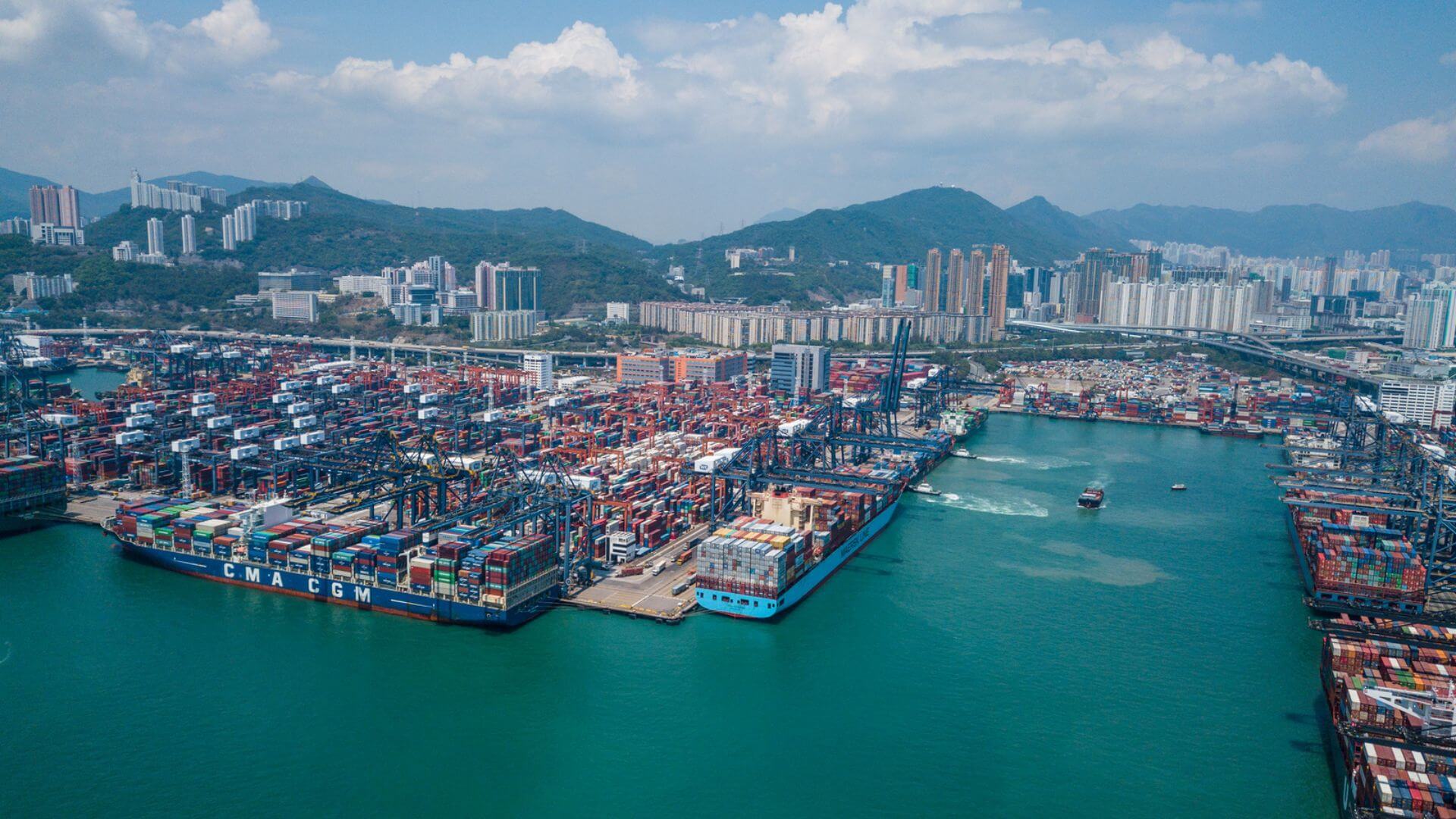
Hong Kong's first green shipping corridor with Piraeus is a measurable step toward decarbonizing one of the world's most opaque supply chains, and it deserves more than ceremonial praise. The memorandum of understanding signed at Hong Kong Maritime Week 2026 commits both ports to concrete mechanisms, shore power for visiting vessels, standardized bunkering protocols for green methanol, biodiesel, and LNG, and a joint incentive scheme offering port dues discounts and priority berthing for lines meeting emission reduction targets. This is not a vague pledge; it is an operational framework built on validated, calibrated actions. For an industry that has long resisted transparency, the corridor's emphasis on standardized protocols and measurable outcomes signals a shift from aspiration to accountability. Readers should note that this aligns with a broader push for empirical progress: a recent global call to UN experts: align shipping methane with human rights before IMO talks underscores the human stakes behind these technical standards, while the validated pathway for ethanol capacity in methanol-ready ship fleets shows that alternative fuel readiness is already being tested in real-world conditions.
What makes this corridor strategically significant is its integration into a wider green energy supply chain that links mainland China's production capacity to global maritime markets. A second MOU with Zhanjiang establishes Hong Kong's first green energy corridor, connecting end-to-end low-carbon fuel supply chains, while a third with Yangpu Port in Hainan adds a partner port for maritime cooperation. These are not isolated agreements; they form an integrated data ecosystem for green fuel logistics. Financial Secretary Paul Chan noted that mainland China accounts for about 60% of operating green methanol capacity worldwide, positioning Hong Kong as the bunkering and trading hub for fuel produced and stored in South China. The city has already formed a task group of industry experts to develop a green fuel trading platform, advising on strategy, infrastructure, and operating rules. This is a purpose-driven move that treats decarbonization as an infrastructure challenge, not a marketing slogan.
The practical takeaway for our readers is this: the corridor's success hinges on whether the joint incentive scheme can enforce compliance at scale. Port dues discounts and priority berthing are meaningful only if the emission reduction targets are peer-reviewed and independently verified. Without that layer of empirical validation, the corridor risks becoming another bilateral agreement with high ambition and low accountability. Hong Kong ranked fourth globally in this year's International Shipping Centre Development Index and hosts about 1,200 port and maritime enterprises, it has the institutional weight to set a replicable standard. The open question is whether Piraeus, majority-owned by China COSCO Shipping, will match that rigor with transparent reporting. That is the detail to watch: not the signing ceremony, but the first annual emissions data from vessels using the corridor.