US Central Command
US Central Command at World Data Ocean is a file of 5 stories. The newest of them: “US Forces Neutralize Iranian-Affiliated Vessel in Gulf of Oman”, “Verified data confirms 20 million barrels transit Hormuz despite Iranian claims”, and “Carrier Bush Arrives in Thailand With 4,800 Personnel After Deployment”. A U.S. Twenty million barrels of oil have transited the Strait of Hormuz this week, verified by US Central Command, directly countering Iranian claims that the waterway is closed to shipping. A Global Hub for Ocean Intelligence 4 World Data Ocean is a centralized digital platform where researchers, scientists, and ocean enthusiasts converge to… The list below is every US Central Command story on World Data Ocean, newest first.
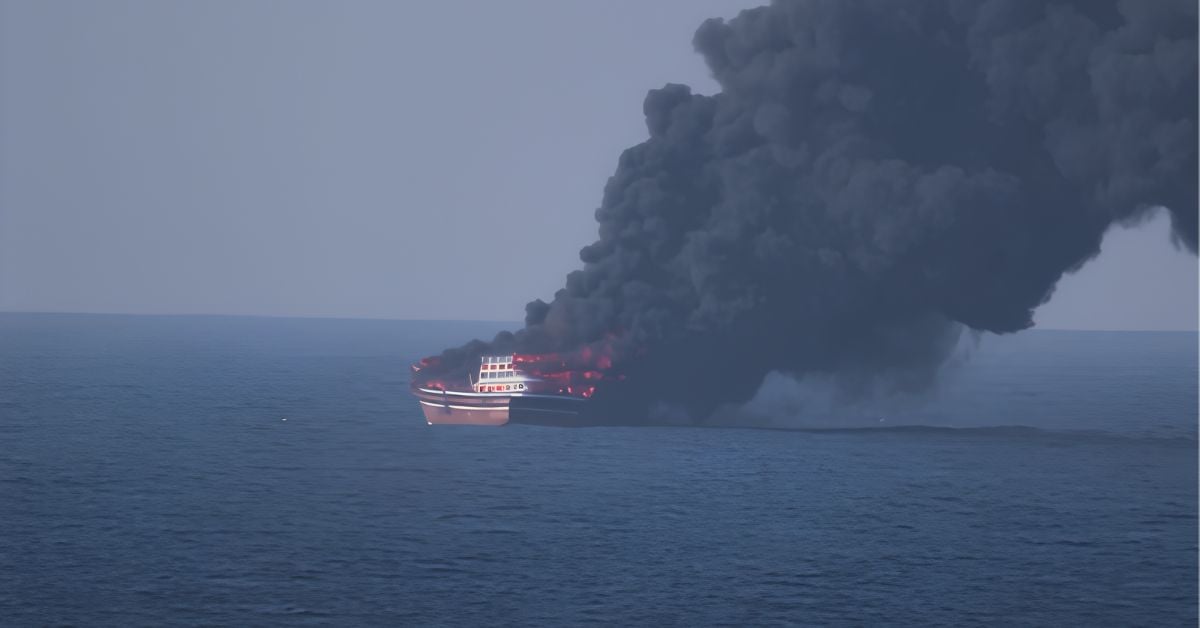
US Forces Neutralize Iranian-Affiliated Vessel in Gulf of Oman
A U.S. naval force destroyed an Iranian-affiliated dhow in the Gulf of Oman after it was accused of conducting surveillance on American warships. The action underscores the escalating maritime tensions in a region already defined by fragile data and contested waterways. For context on the stakes for ocean intelligence, see our related coverage of the Strait of Hormuz Posture Raises Stakes for Maritime Data Verification. Understanding drives protection, but only when the data is validated.
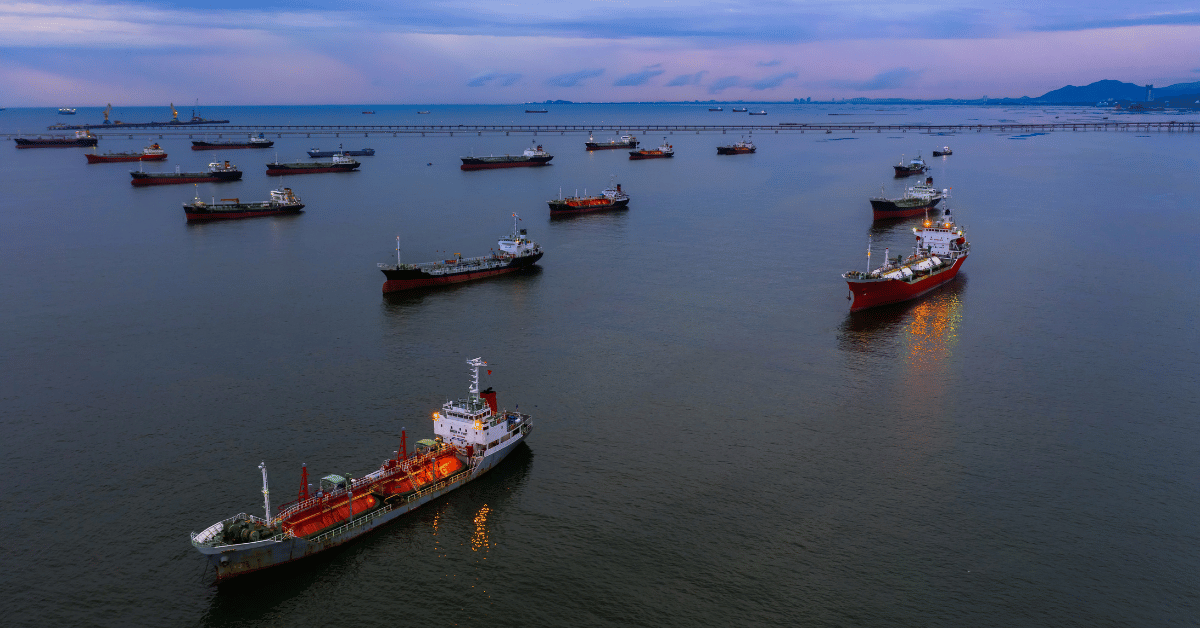
Verified data confirms 20 million barrels transit Hormuz despite Iranian claims
Twenty million barrels of oil have transited the Strait of Hormuz this week, verified by US Central Command, directly countering Iranian claims that the waterway is closed to shipping. This empirical data underscores a dangerous gap between rhetoric and reality in one of the world's most critical maritime chokepoints. The region's volatility demands measured, evidence-based responses. Our coverage of the *Strait of Hormuz tanker fire* offers deeper context on the human cost of these tensions.
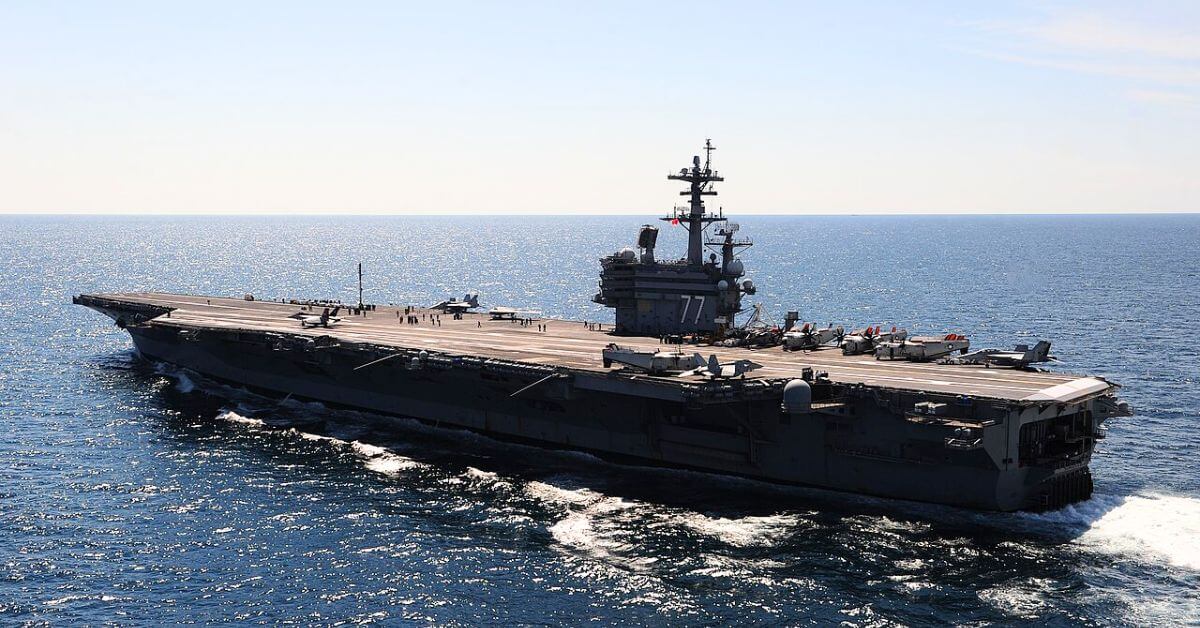
Carrier Bush Arrives in Thailand With 4,800 Personnel After Deployment
A US aircraft carrier has arrived off Phuket, Thailand, carrying 4,800 personnel after a deployment. The George H.W. Bush's presence underscores the calibrated nature of naval power projection in a region where energy security and measured deterrence remain pressing concerns. For deeper context on maritime strategy, see our coverage of "2 million barrels of crude move beyond the Strait of Hormuz in a calibrated shift." Understanding these movements is essential for grasping the integrated dynamics of ocean intelligence and global security.
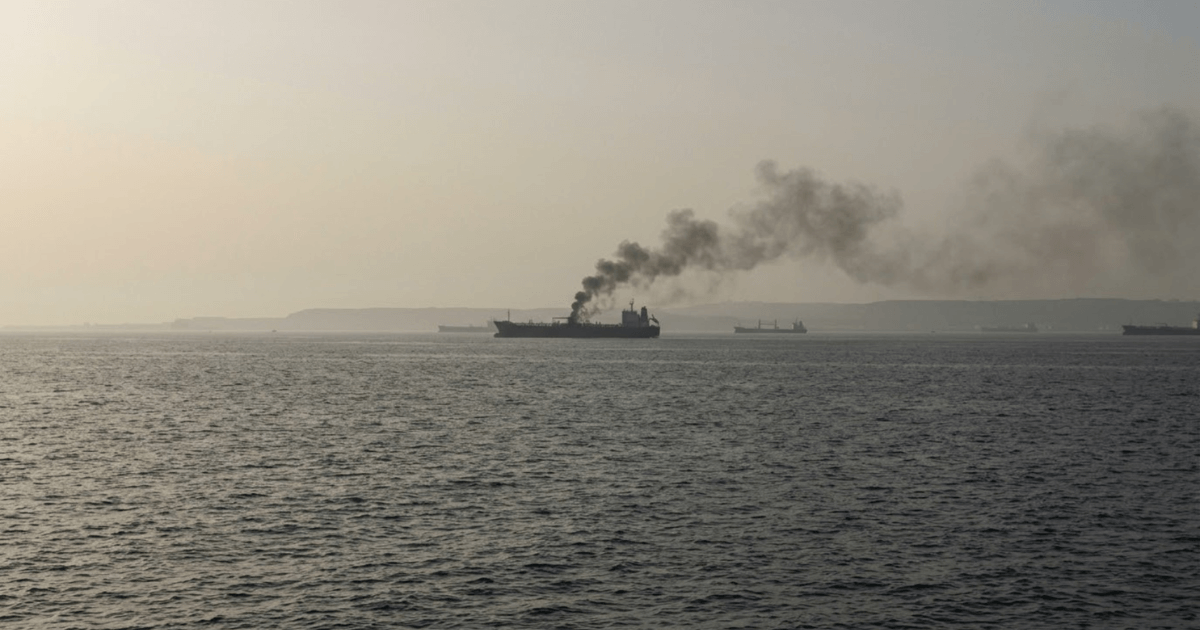
Shipping Incident Near Hormuz Raises Regional Tensions, Claims One Life.
A commercial vessel was struck off Qeshm Island in the Strait of Hormuz, killing one crew member. Iran now prepares to brief regional powers on shipping control. This incident raises tensions along a waterway already strained by capacity, our related coverage on Gulf of Oman STS Transfers Max Out Amid Rising Saudi Oil Exports underscores the logistical pressure. Measurable maritime data matters here: safety and security are empirical conditions, not abstractions. Understanding drives protection.

Oman Proposes Transit Fees for Strait of Hormuz, Awaits Response.
Oman's proposal to levy transit fees on Strait of Hormuz traffic introduces a pragmatic, if contentious, lever into one of the world's most vital shipping lanes. The move underscores how maritime chokepoints are becoming instruments of economic statecraft. Iran's simultaneous denial of talks with Washington, paired with its conditional pledge to hold fire, keeps the region's temperature measured but uncertain. Measured dialogue, not alarm, is the path forward.