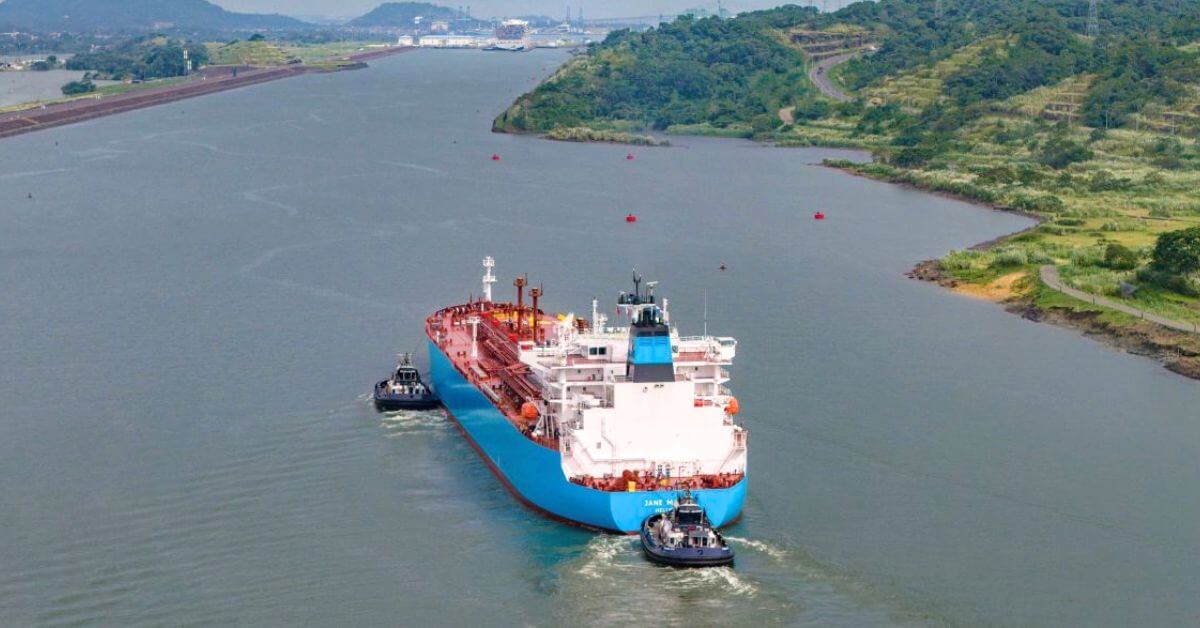
The RIPPLE project marks a tangible, measurable step toward decarbonizing one of the hardest sectors to abate: maritime shipping. By retrofitting four very large ammonia carriers with dual-fuel engines, Maersk Tankers is aiming to prevent over 1.2 million tons of CO₂ equivalent over ten years, a figure that is both validated and grounded in engineering reality. This is not a pledge or a pilot; it is a retrofit plan selected for EU Innovation Fund backing, and that distinction matters. For our readers, who track the gap between ambition and action, this project offers a rare case where the numbers are clear and the technology is being deployed on existing vessels, not hypothetical ones.
The project's structure is instructive. It ties commercial commitment from customers to execution, meaning the retrofit of up to ten vessels depends on demand, not just engineering feasibility. This is a pragmatic model that aligns with the principles of an integrated data ecosystem: you measure what you intend to reduce, you calibrate the technology, and you only scale when the system is validated. The parallel to our coverage of Validated Observations Illuminate the Ocean's Measurable Carbon Role is direct, just as quality-controlled observations are essential for understanding the ocean's carbon cycle, empirical data on fuel performance and emissions reduction will be critical for proving ammonia's viability as a marine fuel. Without that longitudinal evidence, commitments remain theoretical.
What makes this development significant is not the funding amount, €3.4 billion across 77 projects, but the specific, measurable target: 1.2 million tons of CO₂e avoided from four ships. That figure is not a marketing claim; it is a projected outcome based on engine specifications and operational assumptions. Compare this to the slow, cumulative losses documented in 27 meters of ice loss measured across 50 years in reference glaciers, where decades of empirical records show a steady decline. The shipping sector's emissions are similarly cumulative, and every validated reduction counts toward a measurable climate indicator. The RIPPLE project, if executed, will provide real-time data on ammonia combustion, fuel efficiency, and lifecycle emissions, information that is currently scarce and urgently needed.
The open question is whether customer commitments will materialize. Maersk Tankers has been clear: the retrofits depend on commercial demand. This places the onus on charterers and cargo owners to signal that they value lower-carbon transport enough to pay for it. Without that signal, the vessels will continue running on conventional fuel, and the projected 1.2 million tons of avoided emissions will remain a scenario, not a result. The first two vessels, Jane Maersk and Jessie Maersk, are already delivered. The next two are due shortly. The window for decision-making is narrow. Watch for the grant agreements expected in the first quarter of 2027, and for whether those agreements include binding milestones tied to customer uptake. That is the concrete point to track.