dual-fuel engines
World Data Ocean keeps dual-fuel engines in one place: 6 stories so far. The section currently leads with “Ethanol capacity offers a validated pathway for methanol-ready ship fleets”, “Validated engine retrofits cut methane slip on three LNG carriers”, and “Validating marine decarbonization: four ammonia carriers to cut over 1.2 million tons of CO₂”. Ethanol capacity offers a validated pathway for methanol-ready ship fleets, according to new research. Three LNG carriers now operate with validated engine retrofits that cut methane slip, proving that measurable decarbonization is already underway. A Global Hub for Ocean Intelligence 4 World Data Ocean is a centralized digital platform where researchers, scientists, and ocean enthusiasts converge to… The list below is every dual-fuel engines story on World Data Ocean, newest first.
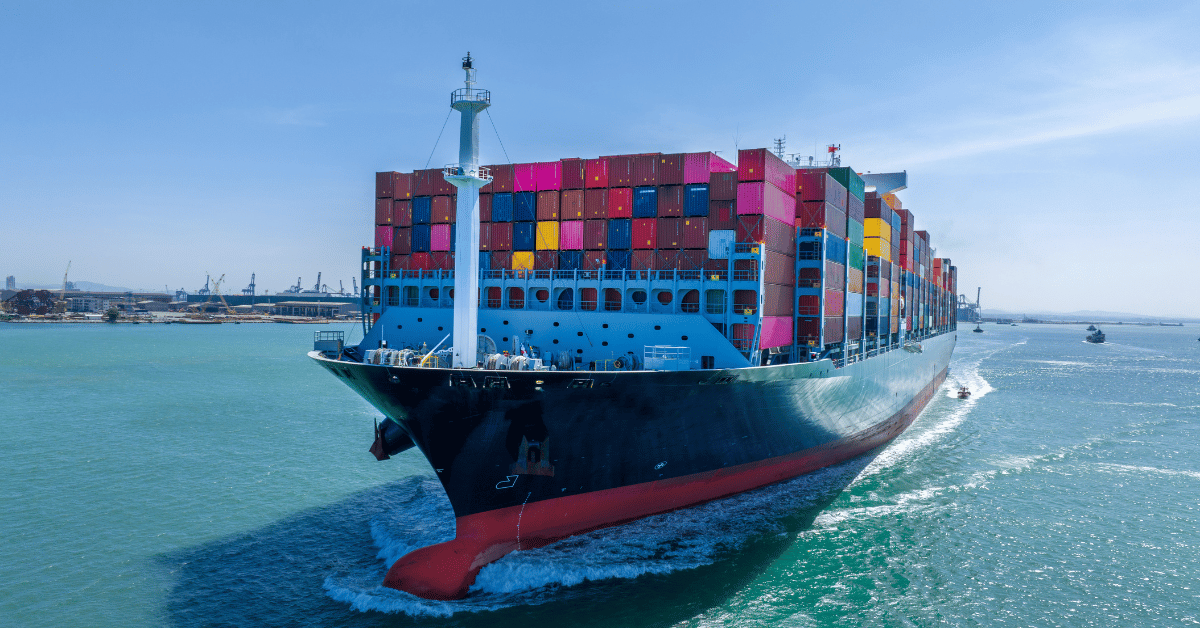
Ethanol capacity offers a validated pathway for methanol-ready ship fleets
Ethanol capacity offers a validated pathway for methanol-ready ship fleets, according to new research. This matters because methanol supplies remain limited, yet the maritime industry urgently needs low-emission fuel options today. The study confirms that ethanol requires only minor modifications to existing methanol-ready vessels, making it a practical, measurable alternative. It is not a perfect solution, but it is an actionable one. For broader context on maritime governance, see our coverage of the G7-Backed Network Integrating 14 Ports for Collective Ocean Security.
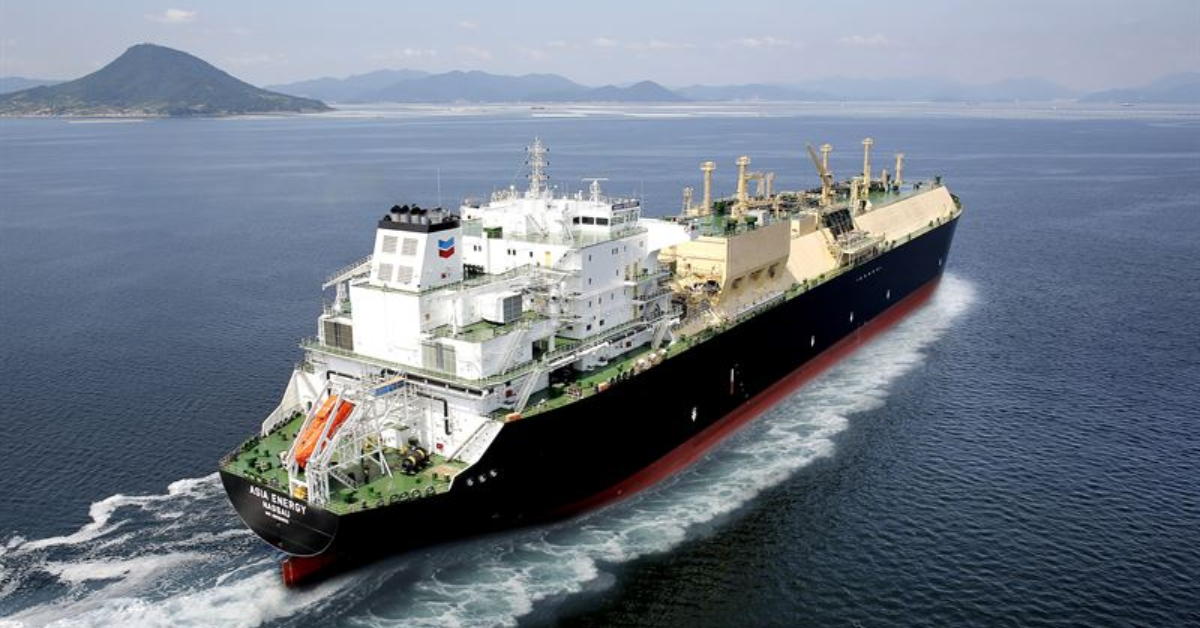
Validated engine retrofits cut methane slip on three LNG carriers
Three LNG carriers now operate with validated engine retrofits that cut methane slip, proving that measurable decarbonization is already underway. Wärtsilä converted Chevron's vessels to spark gas operation, reducing both methane emissions and overall greenhouse gases. Three more conversions are planned, a clear, empirical step forward. For context on how dual-fuel technology is scaling across the fleet, see our coverage of the Dual-Fuel Fleet Surpassing 500 Vessels.
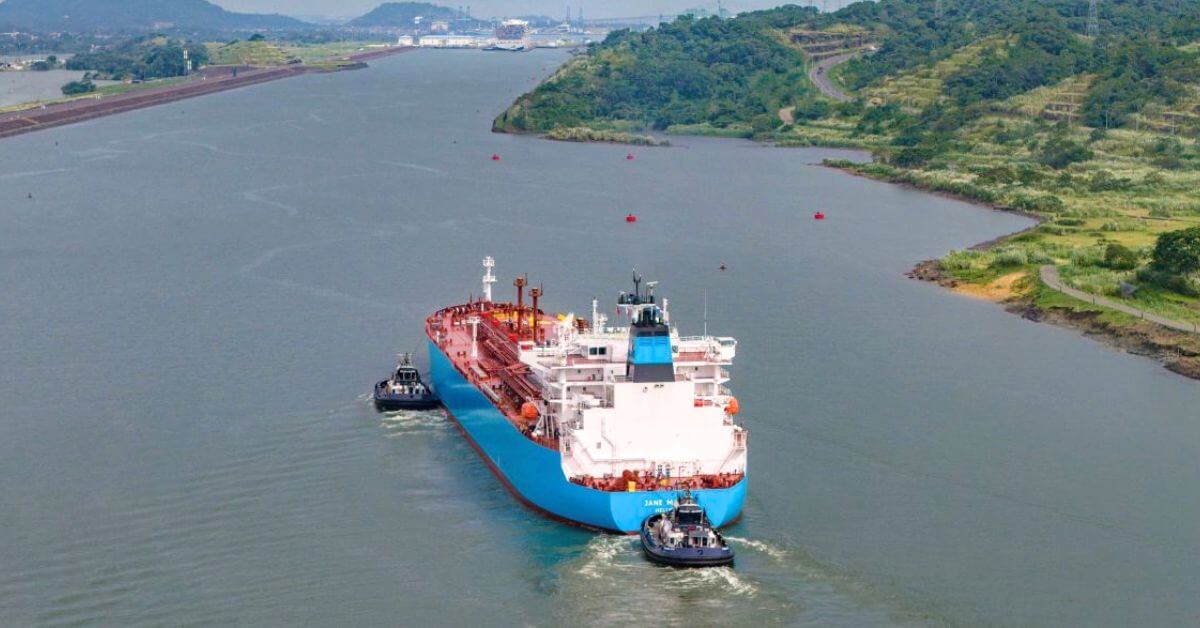
Validating marine decarbonization: four ammonia carriers to cut over 1.2 million tons of CO₂
Four ammonia carriers will be retrofitted with dual-fuel engines, cutting over 1.2 million tons of CO₂ equivalent in a decade. That is a validated, measurable step toward marine decarbonization, and one we can track. The shipping sector needs this kind of empirical commitment. For deeper context on how we measure long-term environmental change, see our related coverage of 27 meters of ice loss measured across 50 years in reference glaciers.
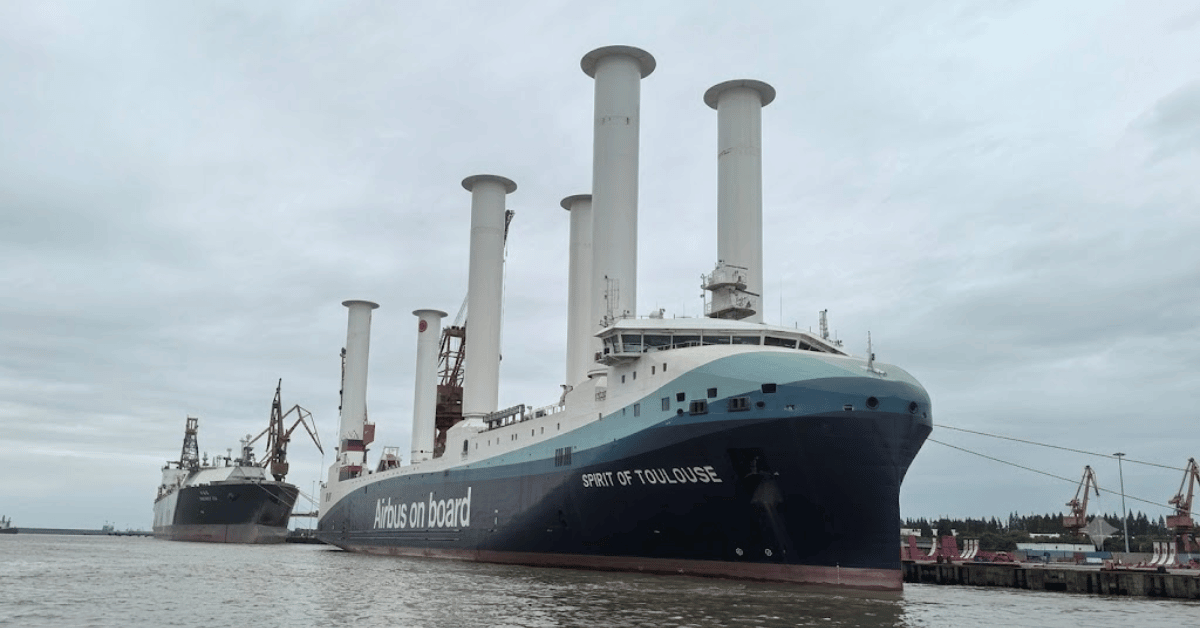
Six Rotor Sails Deliver Measurable Wind Propulsion to the World's Largest RoRo Vessel
Six rotor sails now propel the world's largest RoRo vessel. LD Armateurs and Norsepower have installed the technology on *Spirit of Toulouse*, delivering validated, measurable wind propulsion at commercial scale. This is not a pilot; it is an integrated system generating real-time fuel savings and verified emissions reduction. Wind propulsion works now. For deeper insight into wind-driven design innovation, see our coverage of Wallenius Marine's WinPrOVeDD program. Understanding drives protection.
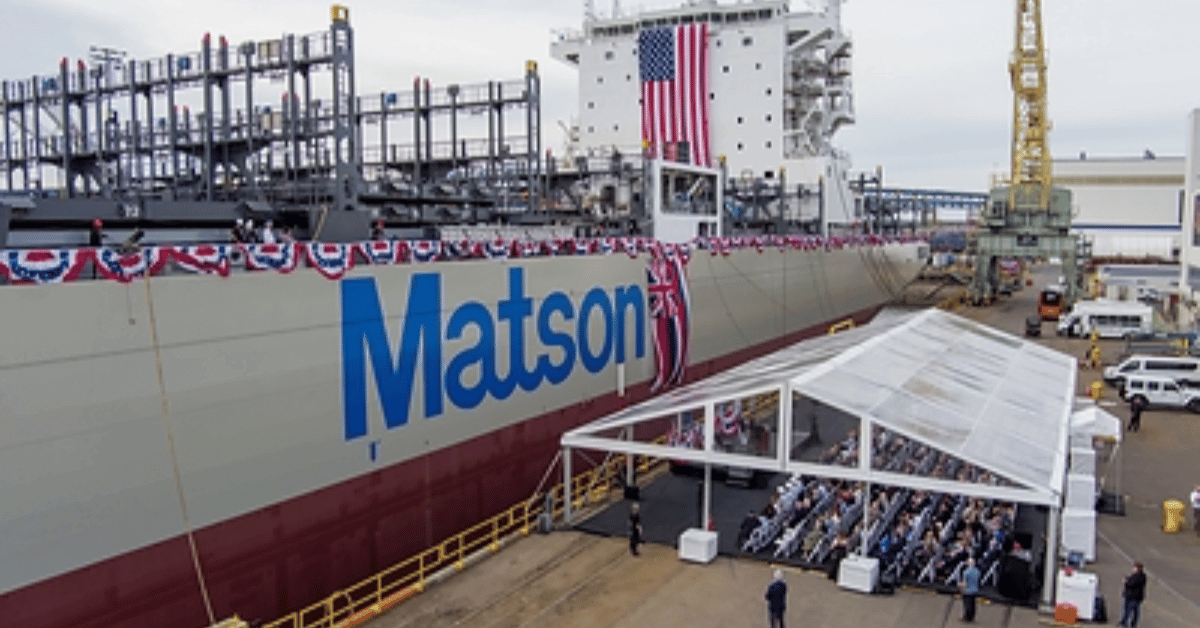
LNG-Ready Makua Christened, Advancing Measurable Fleet Modernisation
Matson's christening of the *Makua* marks a measurable step forward in fleet modernisation. This first LNG-ready containership, built under a $1 billion programme, integrates validated technology that supports decarbonisation without sacrificing operational integrity. For readers tracking parallel innovations, our coverage of Fincantieri's nearly €100 million investment in robotic shipyard intelligence offers another calibrated example of how empirical progress is reshaping maritime infrastructure. Understanding drives protection, and these investments are built on data, not hype.
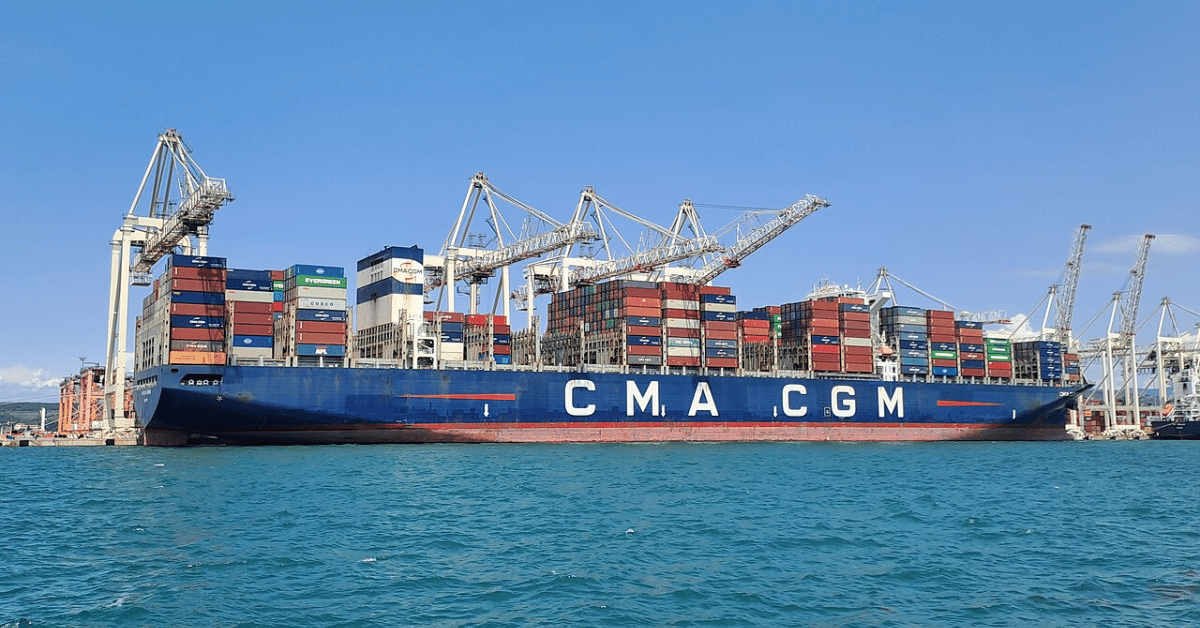
36 dual-fuel engines power LNG fleet toward measurable emissions reduction
Thirty-six dual-fuel engines will power twelve new 18,000-TEU CMA CGM container ships, each designed to operate on LNG for measurable emissions reduction. Wärtsilä's supply contract demonstrates how integrated propulsion technology can deliver validated, real-world gains in ocean intelligence. This is empirical progress, not hype. For context on maritime stability, readers may explore our coverage of India's proposed measured maritime truce to protect Black Sea shipping. Understanding drives protection.