U.S. Officials Meet Houthi Representatives In Oman Days After The Group Seizes Part Of Yemen’s Red Sea Coast
Our take
The recent meeting between U.S. officials and Houthi representatives in Muscat, Oman, occurring shortly after the group’s seizure of a portion of Yemen’s Red Sea coast, represents a significant, albeit tentative, step in navigating the escalating tensions in a vital maritime chokepoint. This development underscores the fragility of global trade routes and the increasingly complex geopolitical landscape of the region, particularly in light of recent disruptions. The Houthis' actions, coupled with the broader instability stemming from the ongoing conflict in Yemen, have already triggered measurable economic consequences, as evidenced by the [Oil Prices Fall 1.2% After Saudi Arabia Announces Crude Exports Via Oman Following Pipeline Attack]. The need for diplomatic engagement, even with non-state actors, becomes paramount when the stability of critical infrastructure and global supply chains is at risk.
The implications for maritime commerce are profound. The Red Sea and Suez Canal are crucial arteries for global trade, handling a substantial percentage of the world’s container traffic and energy shipments. The Houthis’ control over coastal areas and their demonstrated willingness to target vessels has prompted major shipping companies, like Maersk and Hapag-Lloyd, to reassess their routes, as reported in [Maersk, Hapag-Lloyd Resume More Suez Canal Voyages Despite Red Sea Risks]. This shift away from the Suez Canal, though some are now returning, results in longer voyages, increased fuel consumption, and higher shipping costs – all of which ultimately impact consumers worldwide. The recent incident involving the El Gaia, and the subsequent U.S. rejection of Iran’s explanation of the event, further complicates the situation, as detailed in [U.S. Rejects Iran’s Claim That Indian-Crewed Tanker Hit Mine, Says Iran Attacked Vessel]. The lack of transparency and the potential for miscalculation heighten the risk of further escalations.
Beyond the immediate economic concerns, the U.S. engagement with the Houthis highlights the broader challenge of de-escalation in a region rife with proxy conflicts and geopolitical maneuvering. The Houthis are backed by Iran, and their actions are often viewed as part of a larger regional power struggle. Any diplomatic solution must therefore consider the complex web of alliances and rivalries at play. The meeting in Oman, while seemingly isolated, likely reflects a broader U.S. strategy of attempting to contain the conflict and prevent it from spiraling into a wider regional war. The calibrated approach, focusing on direct communication, suggests a recognition that conventional military solutions are unlikely to resolve the underlying issues and could exacerbate the situation. The integrated data ecosystem surrounding maritime traffic, including real-time tracking and analysis, will be critical in monitoring the situation and assessing the effectiveness of any agreements reached.
Looking ahead, the sustainability of any agreement reached between the U.S. and the Houthis remains uncertain. The group's motivations are multifaceted, encompassing political, economic, and ideological factors. A lasting resolution will require addressing the root causes of the conflict in Yemen and ensuring that the Houthis have a stake in a stable and prosperous future. The question remains: can these talks evolve into a more comprehensive dialogue that includes other regional stakeholders and contributes to a broader de-escalation of tensions, or will this engagement remain a reactive measure focused solely on mitigating the immediate risks to maritime traffic? The longitudinal data on maritime security incidents in the region will be vital in assessing the long-term impact of this diplomatic effort.
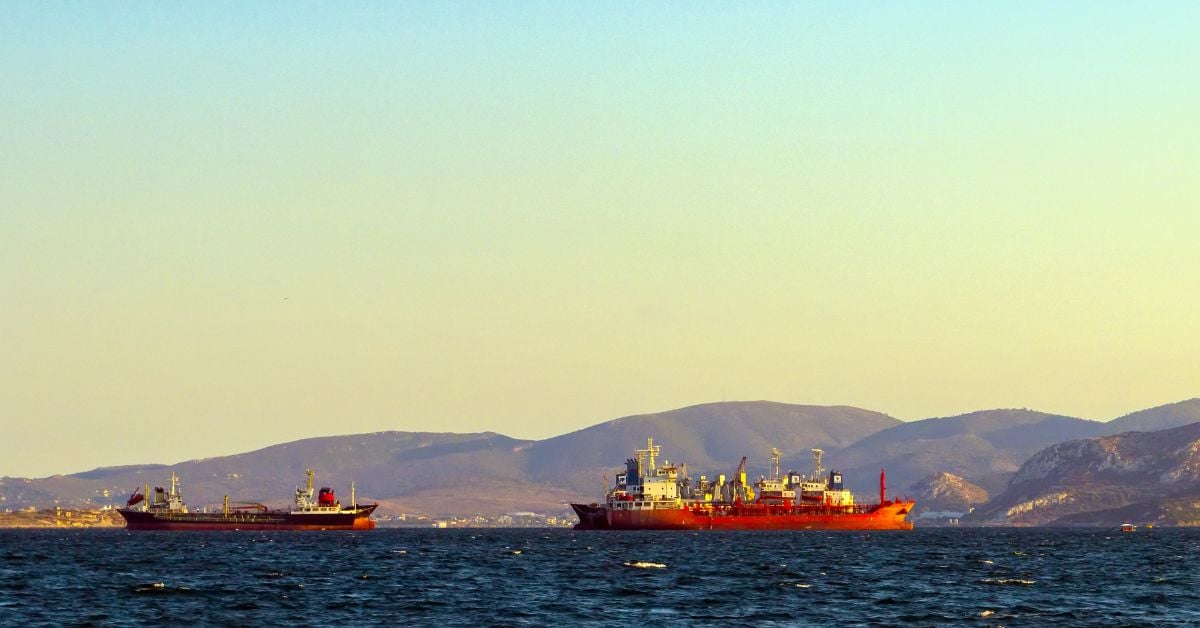
Personnel from the U.S. Embassy in Oman met Houthi Representatives in Muscat, a few days after the group captured a stretch of Yemen’s coast on the Red Sea.
The talks organised with the mediation of Oman were attended by Houthi officials Mohammad Abdulsalam and Abdelmalik al-Ajiri, the former of whom has been placed under sanctions by the US.
In the meeting, Washington discussed Houthi attacks in the Red Sea targeting ships, to which the representatives said that the Group does not wish to attack American or Israeli vessels, making it clear that this is between them and Saudi Arabia.
Houthis intend to prevent Saudi Arabia from exporting its oil and hurt its revenues, most of which come from energy trade. The Group also assured that it wants to uphold the deal signed with the US in 2025.
Washington discussed freedom of navigation in the Red Sea and ending terrorism in the waters of East Asia.
U.S. President Donald Trump said that the Houthis asked the U.S. to stay out of their conflict with Saudi Arabia, with Vice President Vance stating the government was in contact with the Saudi government and also the Houthis.
The US government had categorised the Houthis as a terrorist group last year and then sat at the negotiating table with them to end the attacks on ships in the Red Sea.
The latest round of talks came after Houthis gained control of a significant portion of Yemen’s Red Sea coast, the Port of Mocha and the Perim Island close to the maritime chokepoint of the Bab el-Mandeb.
Houthi Spokesperson Yahya Saree said that the Group targeted an airbase in Khamis Mushait and also an oil facility operated by Saudi’s state-owned oil company Aramco in Yanbu, though Riyadh did not comment on the claims.
Houthis have been in conflict with the internationally recognised Yemeni government, which was installed with the backing of Saudi Arabia.
A ceasefire had stopped the fighting; however, after Saudi Arabia blockaded Yemeni Ports, Houthis also decided to impose a blockade of Saudi shipping in the Red Sea.
Since then, Houthis have attacked Saudi Arabia’s energy infrastructure, including refineries, ports and oil pipelines to prevent it from exporting oil. Riyadh has resorted to ship-to-ship transfers and moving oil through Hormuz with the help of US naval escorts to ship out its oil to Asian markets.
U.S. has also informed Saudi Arabia that it could not get involved in its conflict with the Houthis, given its ongoing war with Iran.
Read on the original site
Open the publisher's page for the full experience