terrorism
World Data Ocean keeps terrorism in one place: 4 stories so far. The section currently leads with “Measurable progress in aviation security shows hijackings in sustained decline”, “Oman Mediates Talks Between U.S. and Houthi Representatives Amid Red Sea Tensions”, and “Chabahar Strike: Iran Accuses U.S. of Committing a War Crime”. Measurable progress in aviation security shows hijackings in sustained decline. Diplomatic channels remain open even as tensions escalate along Yemen's Red Sea coast. A Global Hub for Ocean Intelligence 4 World Data Ocean is a centralized digital platform where researchers, scientists, and ocean enthusiasts converge to… The list below is every terrorism story on World Data Ocean, newest first.
Measurable progress in aviation security shows hijackings in sustained decline
Measurable progress in aviation security shows hijackings in sustained decline. Once a recurring threat, airline hijackings are now rare, validated by empirical data that underscores the power of calibrated, integrated security systems. This is not luck; it is the result of global collaboration and real-time intelligence. Understanding drives protection. For a parallel in measured global challenges, see our related coverage on global displacement and uneven national responsibility.
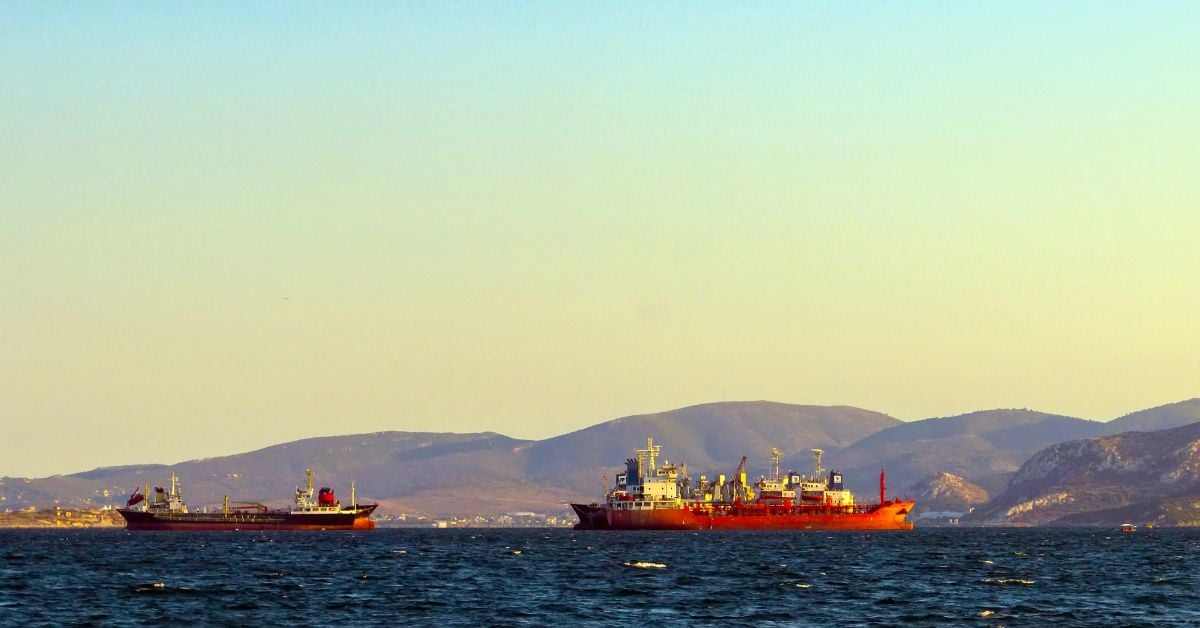
Oman Mediates Talks Between U.S. and Houthi Representatives Amid Red Sea Tensions
Diplomatic channels remain open even as tensions escalate along Yemen's Red Sea coast. Omani officials hosted U.S. Embassy personnel and Houthi representatives in Muscat, days after the group seized additional shoreline. This meeting signals a pragmatic attempt to manage a volatile situation, though concrete outcomes stay unclear. For context on regional maritime stress, our piece on Gulf of Oman STS transfers maxing out offers useful perspective. Dialogue is a start; sustained, verifiable commitments will determine whether this track produces stability.

Chabahar Strike: Iran Accuses U.S. of Committing a War Crime
Iran's assertion that the U.S. deliberately struck a civilian tower in Chabahar carries serious weight, and Esmaeil Baqaei's accusation of a war crime demands scrutiny. Such a targeted action, if confirmed, would mark a dangerous escalation, not just in rhetoric but in legal and humanitarian terms. The claim fits a troubling pattern of aggression that complicates any path to de-escalation. For broader context on the strained U.S.-Iran dynamic, our piece on "Phased Negotiations Aim to Ease Restrictions on Strait of Hormuz" offers a necessary counterpoint.

Sea of Azov Sees Escalation: Drone Attacks Target Russian Naval Assets
The overnight strike on the Sea of Azov marks a pointed escalation, with Ukraine's drone forces commander Robert Brovdi reporting hits on 11 Russian vessels. This is calibrated, measurable pressure on naval assets that have long anchored Moscow's maritime posture. We view this as a deliberate step in a broader campaign, one that demands attention for its precision and its implications.