East Asia
World Data Ocean keeps East Asia in one place: 3 stories so far. The section currently leads with “Burrowing crustaceans leave validated eDNA signatures in seabed sediments”, “Oman Mediates Talks Between U.S. and Houthi Representatives Amid Red Sea Tensions”, and “Heightened Threat: Iran’s IRGC Targets Key East Asian Shipping Routes.”. Burrowing crustaceans leave validated eDNA signatures in seabed sediments, and those signatures persist far longer than expected. Diplomatic channels remain open even as tensions escalate along Yemen's Red Sea coast. A Global Hub for Ocean Intelligence 4 World Data Ocean is a centralized digital platform where researchers, scientists, and ocean enthusiasts converge to… The list below is every East Asia story on World Data Ocean, newest first.

Burrowing crustaceans leave validated eDNA signatures in seabed sediments
Burrowing crustaceans leave validated eDNA signatures in seabed sediments, and those signatures persist far longer than expected. In tank experiments, the sedDNA of *Upogebia major* remained detectable for at least 30 days, and up to 50, with no substantial concentration change. This challenges assumptions about eDNA degradation and underscores the need for taxon-specific persistence data. Understanding drives protection. For deeper context on benthic systems, see our coverage of "Coastal benthic ecosystems reveal the cumulative toll of climate and human pressures."
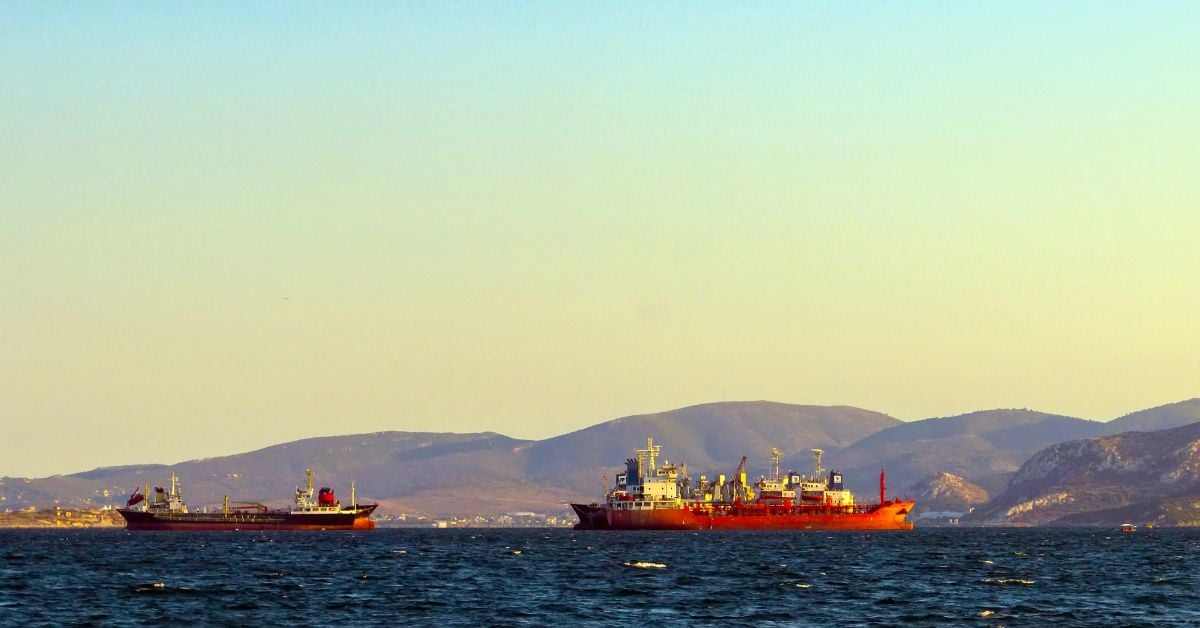
Oman Mediates Talks Between U.S. and Houthi Representatives Amid Red Sea Tensions
Diplomatic channels remain open even as tensions escalate along Yemen's Red Sea coast. Omani officials hosted U.S. Embassy personnel and Houthi representatives in Muscat, days after the group seized additional shoreline. This meeting signals a pragmatic attempt to manage a volatile situation, though concrete outcomes stay unclear. For context on regional maritime stress, our piece on Gulf of Oman STS transfers maxing out offers useful perspective. Dialogue is a start; sustained, verifiable commitments will determine whether this track produces stability.
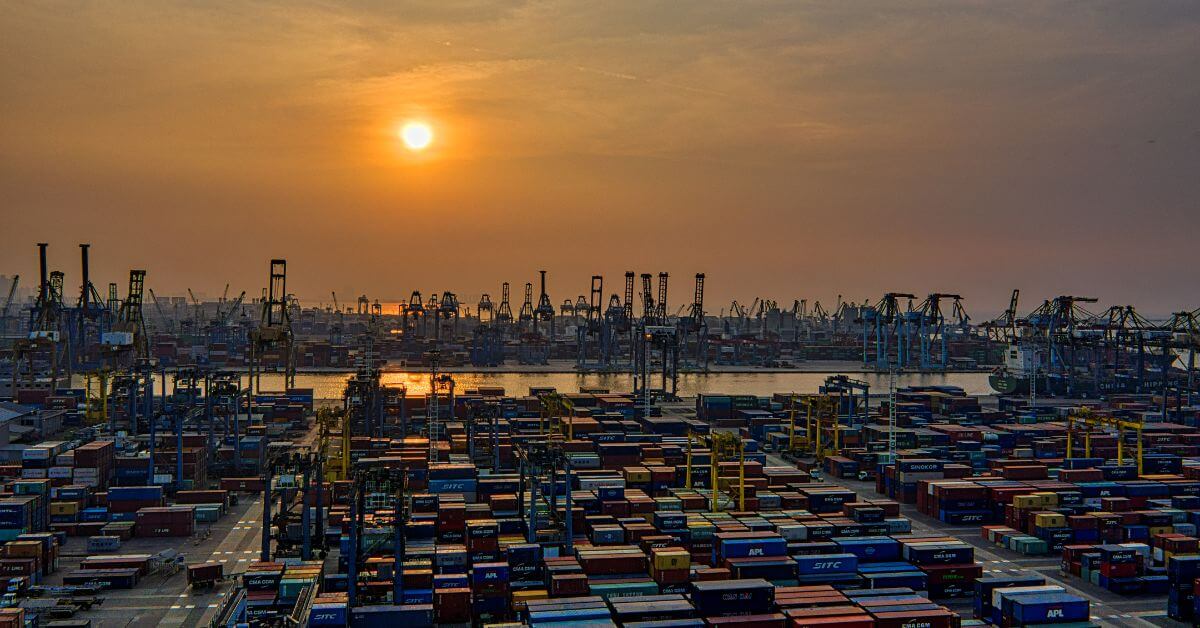
Heightened Threat: Iran’s IRGC Targets Key East Asian Shipping Routes.
Iran's Islamic Revolutionary Guard Corps has set its sights on some of Asia's busiest maritime arteries, including China's Ningbo-Zhoushan and Shanghai ports and Indonesia's Tanjung Priok. That is not posturing; it is a calibrated escalation with measurable consequences for global trade. The threat is specific, and it demands precise, empirical attention. Vessels and port operators should treat this as a real-time risk, not a hypothetical.