Turkish Navy Locates Sunken Cargo Ship After Collision Off Istanbul, Search For 10 Crew Continues
Our take
The recent collision between the Tugberk Imamoglu and the Alsu off the coast of Istanbul, and the subsequent search for the Alsu's ten missing crew members, underscores the persistent risks inherent in maritime operations, particularly in heavily trafficked waterways. The incident follows closely on the heels of news regarding the arrest of the captain and 3rd Officer of the Alsu Captain & 3rd Officer Of Oil Tanker Arrested On Charges Of Negligent Homicide, highlighting potential systemic issues related to operational oversight and adherence to safety protocols. These events, coupled with ongoing geopolitical tensions impacting maritime routes globally, demand a renewed focus on preventative measures and enhanced monitoring capabilities. The maritime domain, while vital for global trade and connectivity, remains vulnerable to human error, mechanical failure, and increasingly, the impacts of climate change on weather patterns and sea conditions.
The speed with which the Turkish Navy located the sunken cargo ship is a testament to advancements in maritime search and rescue technology. However, the fact that ten crew members remain missing emphasizes the challenges in recovering individuals from submerged vessels, especially in conditions that may involve debris fields and limited visibility. This incident also raises questions about the operational status of the Alsu prior to the collision, and whether any pre-existing mechanical issues contributed to the event. It’s relevant to consider how risk assessment and mitigation strategies are currently employed within the Turkish maritime sector, and whether there’s room for greater integration of real-time data and predictive analytics. The scale of international shipping operations is staggering, with incidents like this prompting a re-evaluation of existing frameworks, as seen in India’s recent launch of a new system to monitor seafarers in high-risk maritime regions India Launches New System To Monitor Seafarers In High-Risk Maritime Regions.
Beyond the immediate humanitarian concerns, the collision has broader implications for maritime safety and security. The incident's location, near a strategically important waterway, adds another layer of complexity, particularly given the increasing scrutiny of shipping activities in international waters, as exemplified by recent allegations against COSCO COSCO Denies U.S. Allegations That Its Ships Used Concealed Equipment To Spy For Beijing. While the cause of the collision remains under investigation, it serves as a stark reminder of the need for robust navigational protocols, effective communication systems, and rigorous crew training across all vessels operating in critical maritime zones. The increased reliance on automated systems in shipping, while offering potential benefits, also introduces new vulnerabilities that must be addressed through comprehensive cybersecurity measures and fail-safe mechanisms. Data-driven approaches to maritime risk management, incorporating real-time weather data, vessel tracking information, and predictive models, are becoming increasingly crucial.
Looking ahead, the integration of ocean intelligence—the ability to gather, analyze, and disseminate information about the marine environment—will be paramount in mitigating future incidents. This requires a collaborative effort involving governments, maritime organizations, technology providers, and the shipping industry itself. The ability to forecast potential hazards, monitor vessel behavior, and rapidly respond to emergencies hinges on the development of a truly integrated data ecosystem, capable of providing actionable insights in real-time. Ultimately, the question becomes: how can we leverage technological innovation and global collaboration to create a safer, more sustainable, and more resilient maritime environment for all?
Turkish naval forces have found the wreck of the Tugberk Imamoglu, which sank after colliding with another ship in the Marmara Sea off Istanbul.
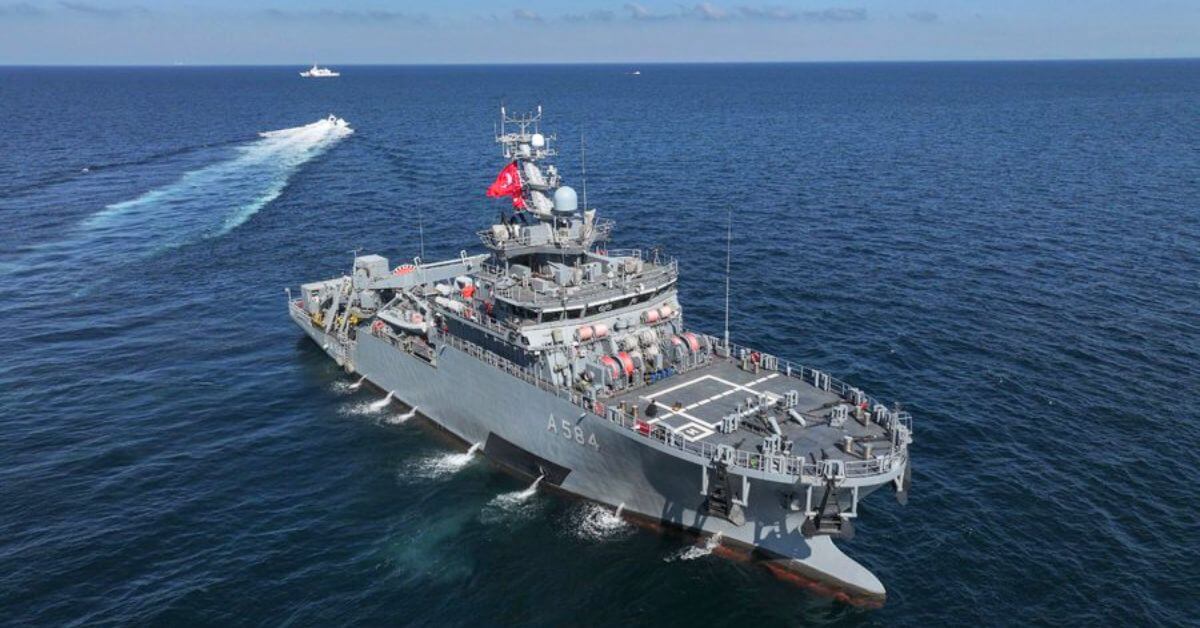
The Turkish Defence Ministry said on Friday that the wreck was found by the TCB Istakoz-2 remotely operated vehicle (ROV) from the Turkish Navy’s TCG Akin rescue and towing vessel.
The ship was found at a depth of hundreds of meters below the sea.
“Our Naval Forces units continue their work in a coordinated manner,” the ministry said.
The TCG Akin has been working at the site since the accident on Wednesday.
Search for 10 crew members continues
The Tugberk Imamoglu collided with the Turkish-flagged Alsu at about 3 a.m. local time (GMT+3) on Wednesday, Sept. 2.
The accident happened about 18 nautical miles (35 km) south of Silivri in the Marmara Sea, according to the Istanbul Governor’s Office.
The Tugberk Imamoglu sank soon after the collision. Authorities then lost contact with the ship and its 10 crew members.
Several Turkish agencies are taking part in the search. They include the Turkish Coast Guard, Naval Forces, General Directorate of Coastal Safety, Disaster and Emergency Management Presidency and Turkish Red Crescent.
The search involves 18 vessels, 5 helicopters, 2 unmanned aerial vehicles and 1 aircraft. A naval vessel is also searching underwater.
A crisis centre set up by Silivri’s Provincial Directorate of Disaster and Emergency Management is following the operation in real time.
The Defence Ministry said naval forces were continuing their work around the clock.
Tugberk Imamoglu was carrying steel
The Tugberk Imamoglu was carrying 4,199 tonnes of rolled steel when the collision happened.
It was sailing from Iskenderun in southern Türkiye to Karadeniz Eregli on the Black Sea coast.
The other ship, the Alsu, was sailing empty from Kocaeli in northwestern Türkiye to Aliaga in western Türkiye.
The Alsu did not suffer any visible damage. It stayed in the area after the collision and is now anchored off Silivri.
ROV found the wreck
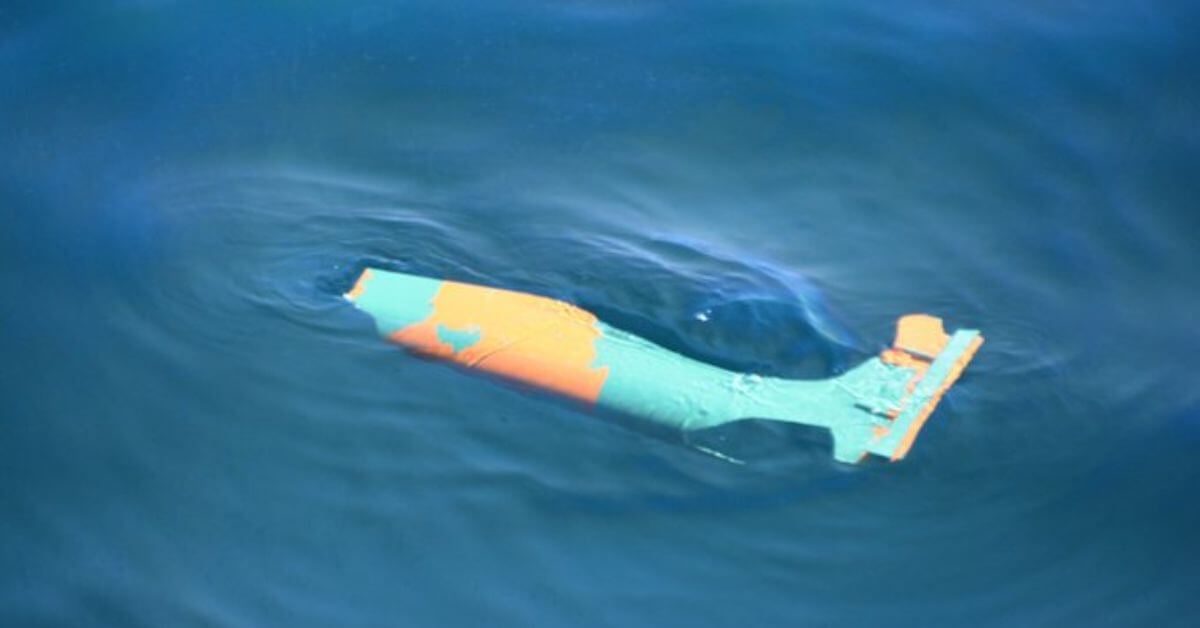
The TCB Istakoz-2 ROV located the Tugberk Imamoglu underwater.
The ROV was operating from the TCG Akin, a rescue and towing vessel belonging to the Turkish Naval Forces.
The Defence Ministry said the ROV identified the ship at a depth of hundreds of meters.
Finding the wreck gives search teams its exact underwater location as they continue looking for the missing crew.
Two Alsu captains arrested
The collision is also being investigated by the Silivri Chief Public Prosecutor’s Office.
Prosecutors opened a judicial investigation to find out how the collision happened and whether anyone was responsible.
The first and third captains of the Alsu have been arrested on charges linked to negligent deaths.
Four other suspects were released under judicial-control measures.
A preliminary expert report has also been prepared.
Reference: Ministry of National Defence of the Republic of Türkiye
Read on the original site
Open the publisher's page for the full experience