Istanbul
Istanbul at World Data Ocean is a file of 6 stories. The newest of them: “From ghost net to eyewear reclaiming Sea of Marmara marine debris”, “Drone damage and severe weather ground two vessels near Istanbul”, and “Search Continues for Crew After Collision and Sinking Near Istanbul”. Ghost nets, abandoned fishing gear, are being pulled from the Sea of Marmara and transformed into eyewear. Two commercial vessels have grounded near Istanbul, one after drone damage and another following severe weather. A Global Hub for Ocean Intelligence 4 World Data Ocean is a centralized digital platform where researchers, scientists, and ocean enthusiasts converge to… The list below is every Istanbul story on World Data Ocean, newest first.

From ghost net to eyewear reclaiming Sea of Marmara marine debris
Ghost nets, abandoned fishing gear, are being pulled from the Sea of Marmara and transformed into eyewear. DP World has partnered with Türkiye's Marine Life Conservation Society to reclaim this marine debris, recycling it into sunglasses. It is a tangible, measurable step toward ocean intelligence: removing a persistent hazard while proving that waste can become resource. This project mirrors the scale of the *Two billion dollars in waste infrastructure turns pollution into measurable global impact* initiative, where investment turns environmental liability into opportunity.
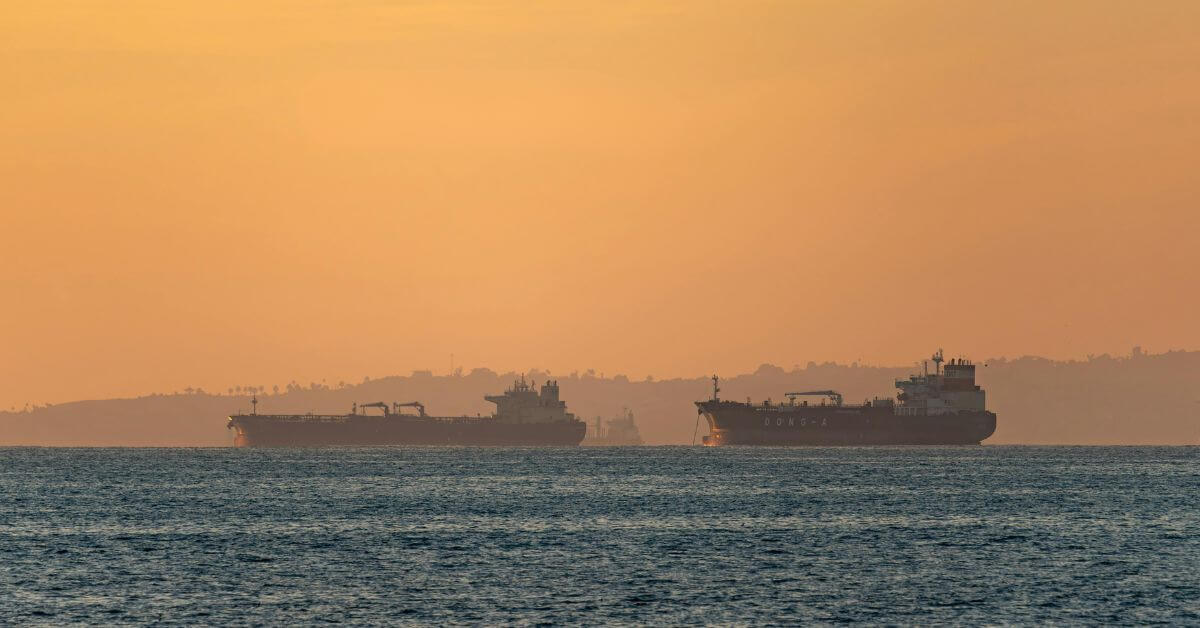
Drone damage and severe weather ground two vessels near Istanbul
Two commercial vessels have grounded near Istanbul, one after drone damage and another following severe weather. These incidents follow multiple reported drone attacks on commercial shipping in the Black Sea throughout October. The convergence of conflict-driven threats and natural hazards in a single maritime corridor is a measurable risk that demands integrated monitoring. For deeper context on regional drone escalation, see our coverage of the Black Sea tanker attacks off Romania.
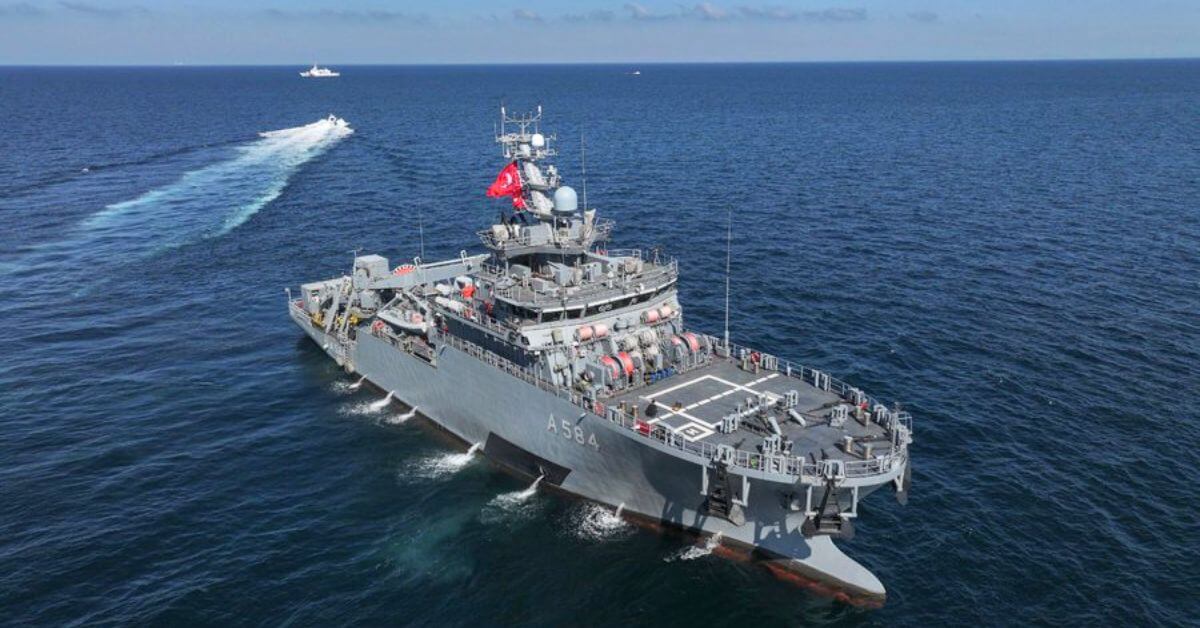
Search Continues for Crew After Collision and Sinking Near Istanbul
A collision in the dark hours near Istanbul has sent a search into motion. The Tugberk Imamoglu struck the Turkish-flagged Alsu at roughly 3 a.m. local time on Wednesday, Sept. 2, and crew members remain unaccounted for. The incident underscores how quickly maritime operations can shift from routine passage to response. For those tracking the human element of ocean intelligence, this is a sobering reminder that data and vigilance must always serve safety first. We continue to follow the search as it unfolds.
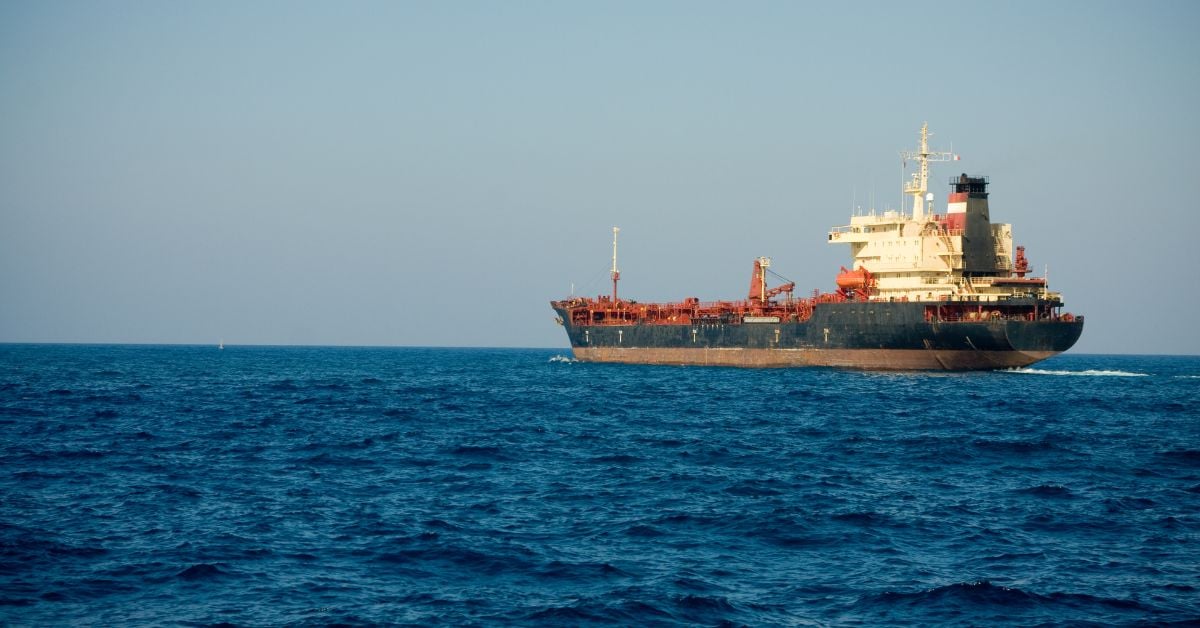
Collision Investigation: Captain and Officer Face Negligent Homicide Charges
The arrest of the ALSU's captain and 3rd Officer on negligent homicide charges marks a decisive turn in the collision's aftermath. Police acted with purpose, holding command accountable for a tragedy that demands answers. This is not about assigning blame prematurely; it is about measuring responsibility against empirical evidence. When lives are lost at sea, the standard must be exacting. For context on maritime risks, our coverage of the cargo ship fire near Mykonos underscores how quickly operations can escalate.
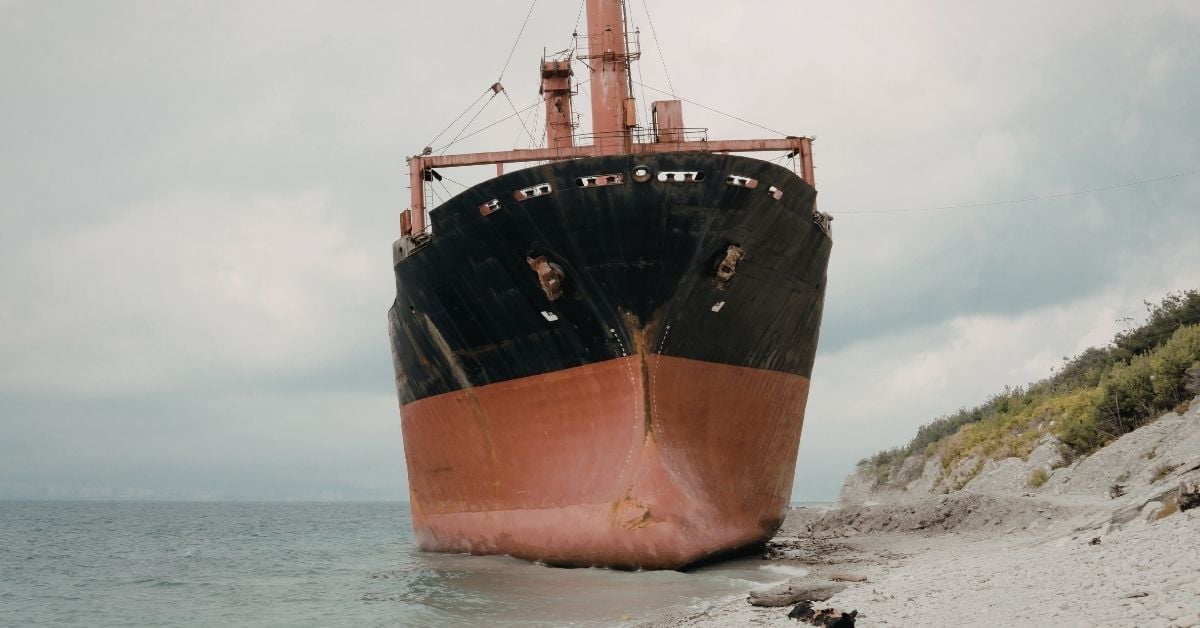
Damaged Cargo Ship, Linked to Russia, Grounds Near Istanbul
A Russian-flagged cargo ship has run aground on Alacalı Beach near Istanbul, grounding in Turkish waters. The incident adds another layer to the region's already complex maritime traffic, where every disruption carries weight. We've seen similar challenges recently, including the bulk carrier freed near Gladstone, Australia, after six days. Each grounding reminds us that navigation remains a test of precision, not just technology. Vessels push through crowded corridors daily; this one met the shore instead. The incident warrants close attention as assessments begin.

Sanctions Enforced: Italian Navy Intercepts Tanker in Mediterranean Operation
The Italian Navy's interception of the sanctioned tanker *Toa Payoh* west of Pantelleria is a decisive enforcement of EU measures, and it sends a clear signal about maritime accountability. This operation demonstrates that sanctions are not abstract policy; they are backed by tangible, calibrated action in strategic waters. The Mediterranean remains a focal point for geopolitical tension, and this interdiction underscores the necessity of persistent naval vigilance.