naval forces
World Data Ocean keeps naval forces in one place: 8 stories so far. The section currently leads with “Somali Navy Rescues Crew After Cargo Ship Runs Aground”, “Body of Captain Recovered Following Sea of Marmara Collision”, and “Iranian Forces Recover Advanced U.S. Unmanned Submarine in Hormuz.”. Water entered part of a cargo ship off Somalia's coast, and the Somali Navy moved in to rescue the crew. The recovery of Yaşar Kayhan's body, found five kilometers from the Sea of Marmara collision site, brings a somber closure to a search that began with uncertainty. A Global Hub for Ocean Intelligence 4 World Data Ocean is a centralized digital platform where researchers, scientists, and ocean enthusiasts converge to… The list below is every naval forces story on World Data Ocean, newest first.
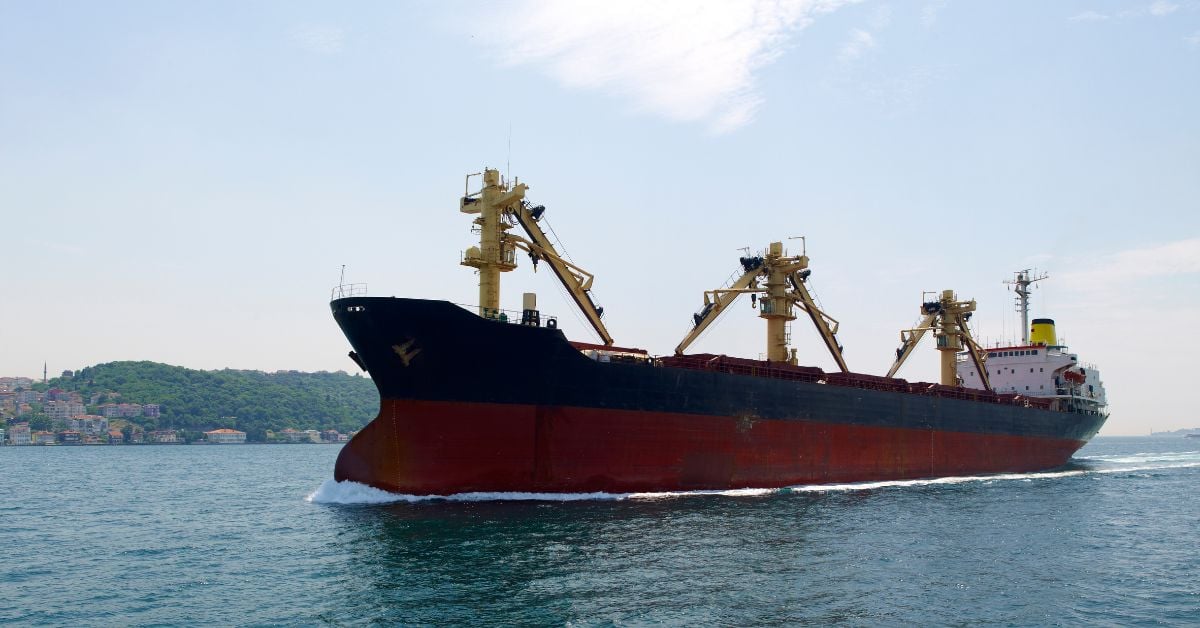
Somali Navy Rescues Crew After Cargo Ship Runs Aground
Water entered part of a cargo ship off Somalia's coast, and the Somali Navy moved in to rescue the crew. The Ministry of Ports and Maritime Transport confirmed on September 17 that it was monitoring the vessel. This is what effective maritime response looks like: swift, coordinated, and grounded in operational reality. Every incident like this sharpens our understanding of risk at sea. For broader context on regional shipping dangers, our report on the fatal attack in the Black Sea offers a sobering comparison.
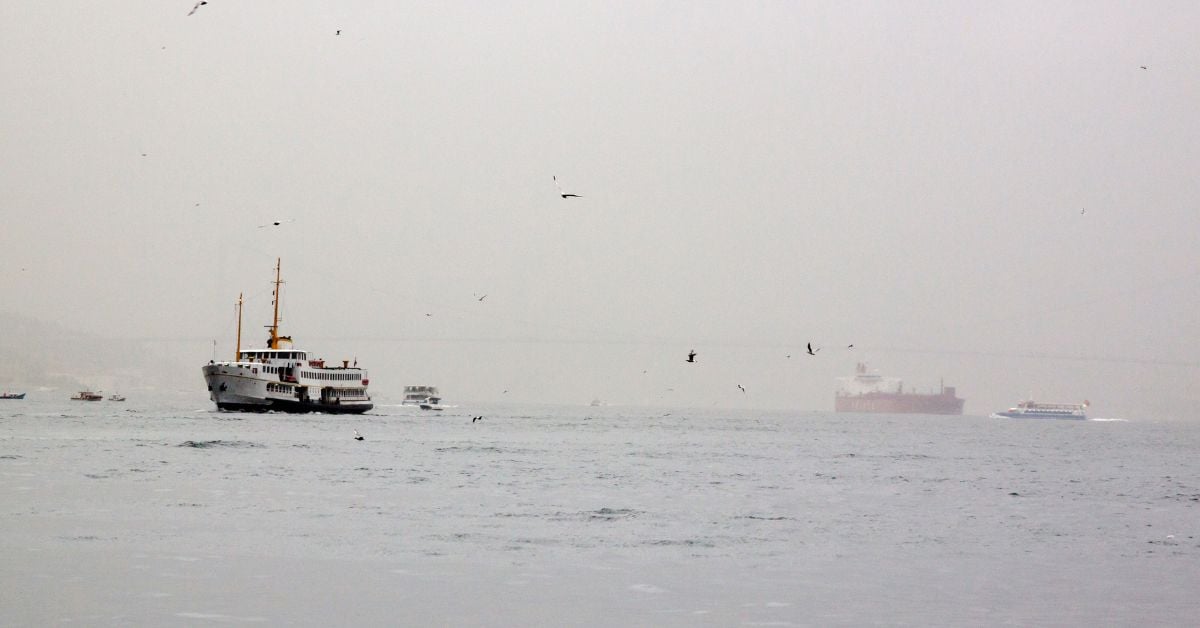
Body of Captain Recovered Following Sea of Marmara Collision
The recovery of Yaşar Kayhan's body, found five kilometers from the Sea of Marmara collision site, brings a somber closure to a search that began with uncertainty. Now transported to the forensic department, the focus shifts to determining the cause of death with empirical precision. This incident underscores the inherent risks of maritime operations, where every voyage carries measurable stakes. For deeper context on regional maritime dangers, our coverage of the fatal attack on a cargo ship in the Black Sea highlights similar vulnerabilities.
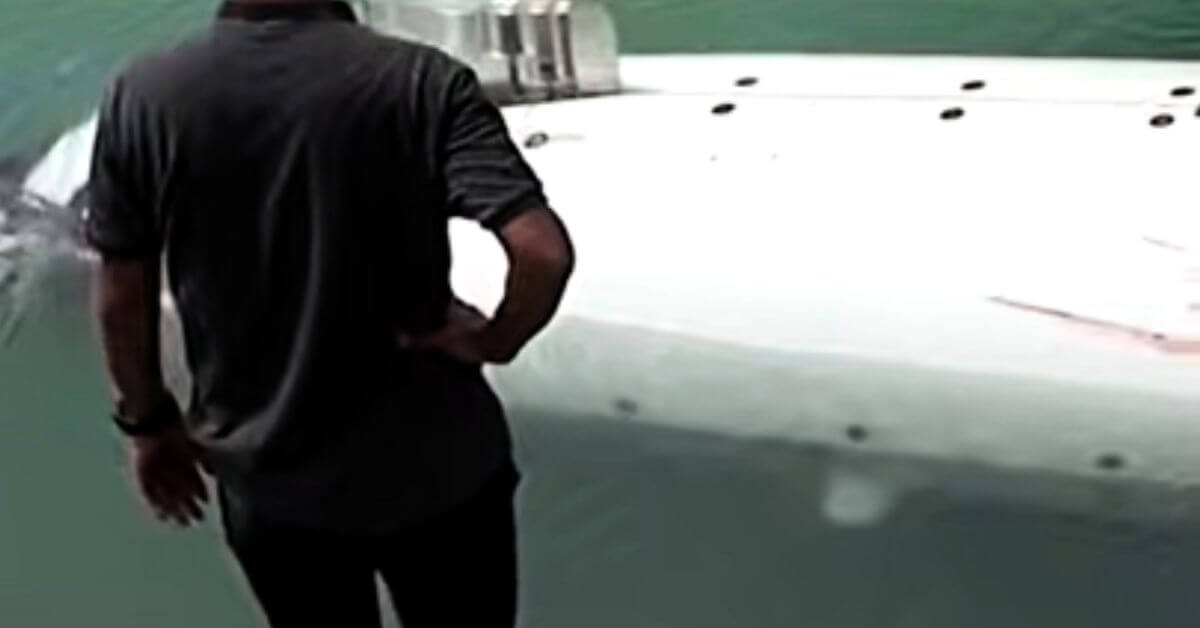
Iranian Forces Recover Advanced U.S. Unmanned Submarine in Hormuz.
Iranian forces have recovered an advanced U.S. unmanned submarine in the Strait of Hormuz, claiming the drone was added to the American fleet in 2025. The IRGC released video footage it says shows the craft. This incident unfolds against a backdrop of heightened maritime tension. For broader context on regional shipping pressures, our coverage of "Phased Negotiations Aim to Ease Restrictions on Strait of Hormuz" examines diplomatic efforts to restore navigation through this critical chokepoint.
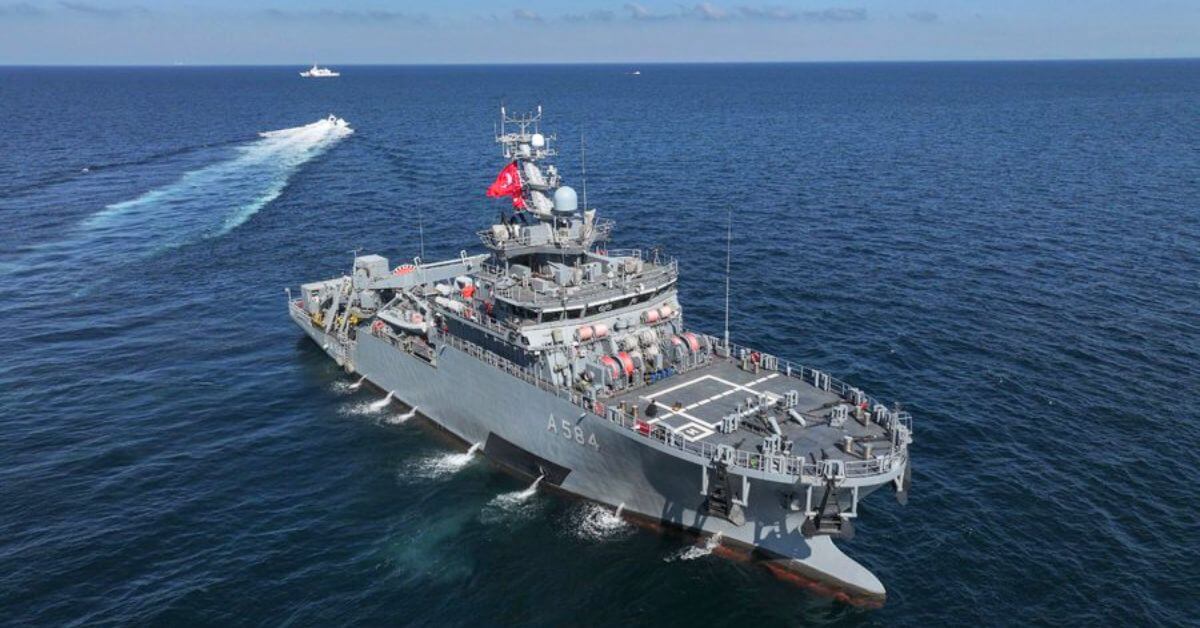
Search Continues for Crew After Collision and Sinking Near Istanbul
A collision in the dark hours near Istanbul has sent a search into motion. The Tugberk Imamoglu struck the Turkish-flagged Alsu at roughly 3 a.m. local time on Wednesday, Sept. 2, and crew members remain unaccounted for. The incident underscores how quickly maritime operations can shift from routine passage to response. For those tracking the human element of ocean intelligence, this is a sobering reminder that data and vigilance must always serve safety first. We continue to follow the search as it unfolds.
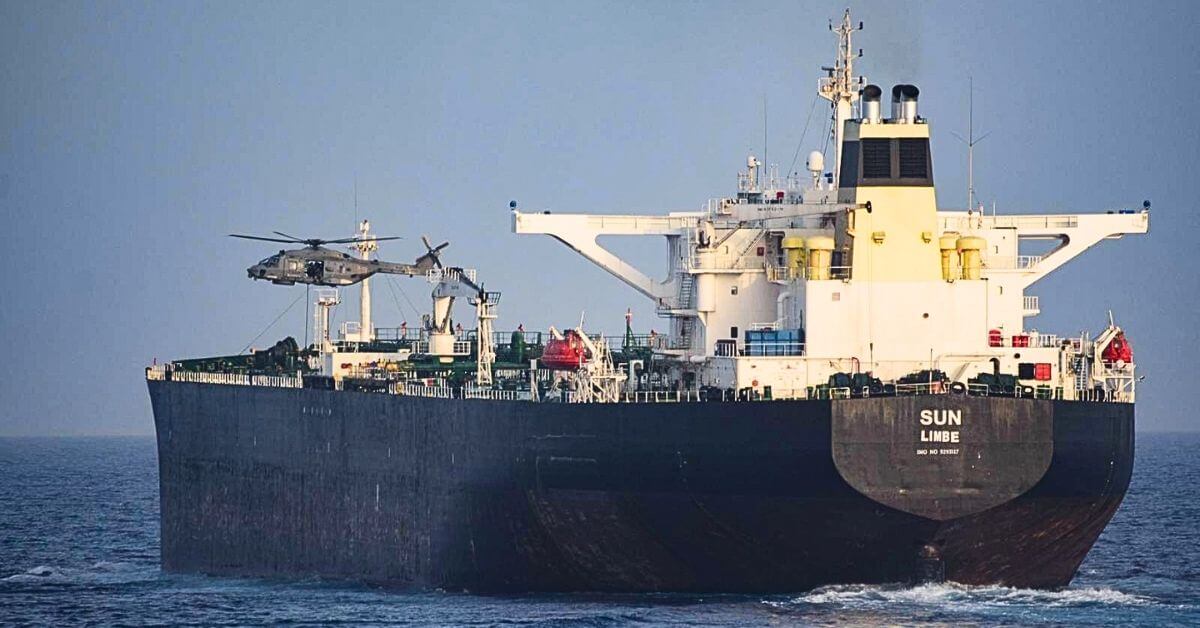
Maritime Security: Inspections Target Vessels Suspected of Shadow Fleet Activity
Maritime authorities from France, Sweden, Belgium, and Britain have boarded or seized vessels suspected of shadow fleet activity, tightening the net on opaque operations in European waters. These inspections signal a calibrated, intelligence-led response to a threat that hides in plain sight. Enforcement like this is how rules endure. For a closer look at how maritime incidents unfold under pressure, see our coverage of the cargo ship fire near Mykonos. Vigilance, measured and consistent, remains the anchor of ocean security.

Strait of Hormuz Incident: Iranian Forces Engage Container Ship Euphoria.
On April 22, Iranian forces engaged the Euphoria, a Panama-flagged container ship, marking the third attack on vessels that day. The incident underscores how fragile transit through the Strait of Hormuz has become. This is not abstract geopolitics; it is a direct challenge to the maritime routes that global trade depends on. For deeper context on how shipping lanes are adapting, our piece on Gulf of Oman STS transfers offers a useful parallel. The pattern is clear: pressure on this waterway is no longer hypothetical.

Enhanced Maritime Security: Israel Completes Dolphin II Submarine Program
The arrival of Israel's most expensive submarine completes the Dolphin II program, a milestone that sharpens maritime deterrence through proven, long-range capability. This is not flashy technology; it is calibrated naval power built for endurance. The investment signals a clear-eyed commitment to securing contested waters, echoing the strategic foresight seen in India's expanded fleet plans. For readers tracking regional shifts, our coverage of India's naval projections offers useful context.

Honoring Valor: New Destroyer USS William Charette Joins the Fleet
The USS William Charette, a new destroyer named for a Medal of Honor recipient, now joins the fleet, carrying a legacy of extraordinary courage into modern maritime operations. This is a vessel built not just for power, but for purpose. We see this as a fitting tribute to valor, and a clear signal of strength. For more on how the Navy is evolving its capabilities, our coverage of the Navy Accelerates Autonomous Systems Integration for Enhanced Maritime Operations offers deeper insight.