steel
steel at World Data Ocean is a file of 4 stories. The newest of them: “Leveraging Ship Recycling: A Boost for India’s Domestic Steel Production”, “Search Continues for Crew After Collision and Sinking Near Istanbul”, and “EU Ship Scrapping Trends: Outsourcing to South Asia Raises Concerns”. India is turning to a practical source of secondary steel: the hulls of retired ships. A collision in the dark hours near Istanbul has sent a search into motion. A Global Hub for Ocean Intelligence 4 World Data Ocean is a centralized digital platform where researchers, scientists, and ocean enthusiasts converge to… The list below is every steel story on World Data Ocean, newest first.
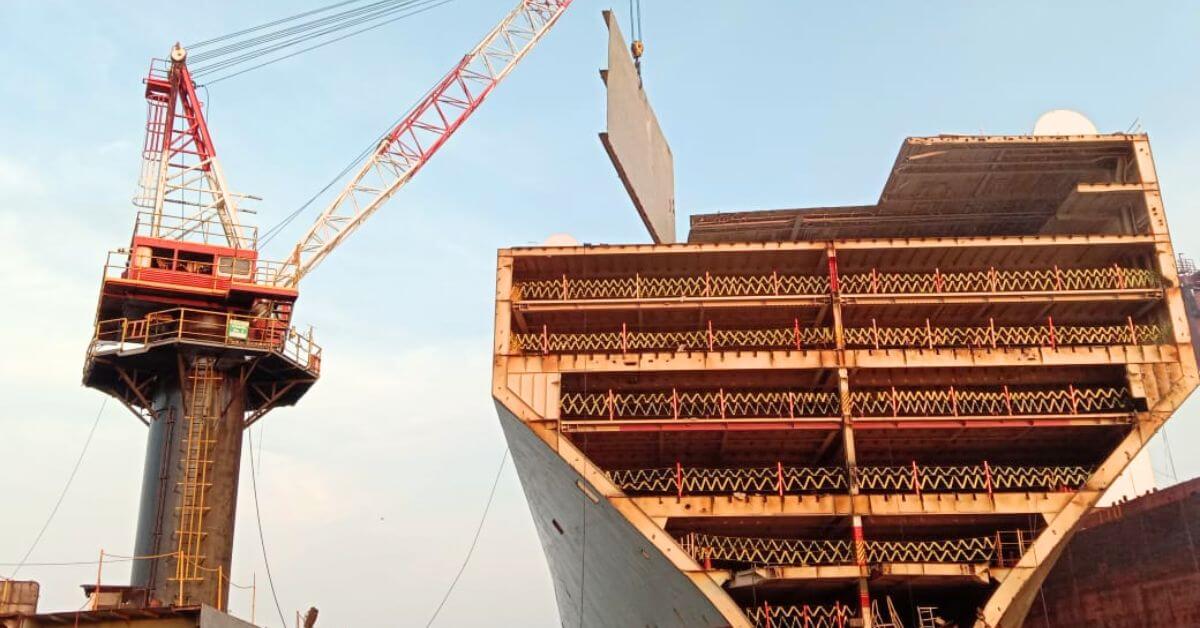
Leveraging Ship Recycling: A Boost for India’s Domestic Steel Production
India is turning to a practical source of secondary steel: the hulls of retired ships. Recovered scrap from decommissioned vessels is being directed toward domestic production, a move that strengthens material security while reducing reliance on primary ore. It is a measured, industrial-scale form of recycling, one that aligns with broader efforts to build circular supply chains. For related context on maritime infrastructure, see our coverage of Paradip Port's designation as a Mega Port. The opportunity here is clear, and the timing is right.
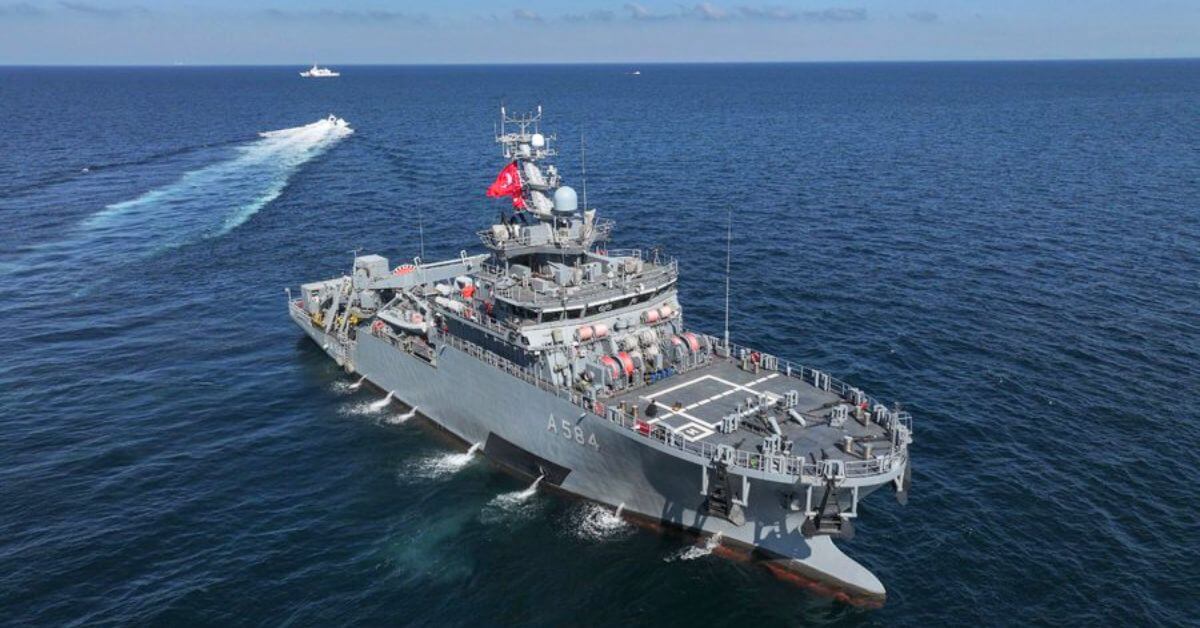
Search Continues for Crew After Collision and Sinking Near Istanbul
A collision in the dark hours near Istanbul has sent a search into motion. The Tugberk Imamoglu struck the Turkish-flagged Alsu at roughly 3 a.m. local time on Wednesday, Sept. 2, and crew members remain unaccounted for. The incident underscores how quickly maritime operations can shift from routine passage to response. For those tracking the human element of ocean intelligence, this is a sobering reminder that data and vigilance must always serve safety first. We continue to follow the search as it unfolds.
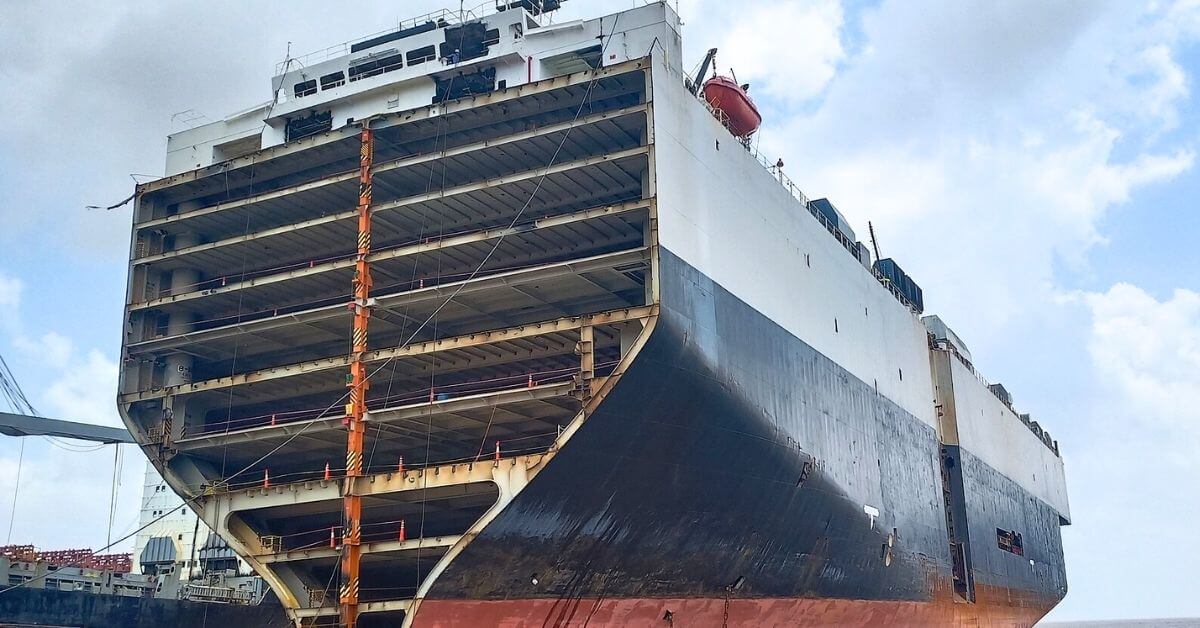
EU Ship Scrapping Trends: Outsourcing to South Asia Raises Concerns
The vast majority of EU-owned and EU-flagged ships are sent to be scrapped in India, Pakistan, and Bangladesh, where working conditions are often poor. This outsourcing raises serious concerns about accountability. We cannot claim progress in ocean stewardship while our vessels meet their end in ways that undermine that very principle. Understanding drives protection, and this trend demands scrutiny. For broader context on how maritime infrastructure is evolving, our related coverage on the integrated subsea cables enhancing Indian Ocean connectivity offers a useful counterpoint.

Canada Bolsters Arctic Capabilities with New Icebreaker Fleet.
Canada is putting steel behind its Arctic strategy with a new icebreaker fleet that will give NATO its largest polar capability. The move sharpens a quiet but consequential gap: the United States operates just three aging polar icebreakers. This is what integrated ocean intelligence looks like in practice: measured, deliberate, and forward-deployed. For readers tracking the wider picture, our coverage of Russia's Northern Sea Route fleet plans offers a useful counterpoint. The Arctic is no longer a frontier; it is a jurisdiction.