Turkish Navy
Turkish Navy at World Data Ocean is a file of 6 stories. The newest of them: “Turkish Navy marks 488th Preveva anniversary with homegrown frigate TCG Istanbul”, “Crew Freed: Integrated Data Confirms Resolution of Somali Hijacking Incident”, and “Search Continues for Crew After Collision and Sinking Near Istanbul”. The Turkish Navy's 488th Preveza anniversary parade featured TCG Istanbul, Türkiye's first domestically designed and built frigate. On April 26, Somali pirates seized a tanker carrying 15 Syrian and two Indian nationals. A Global Hub for Ocean Intelligence 4 World Data Ocean is a centralized digital platform where researchers, scientists, and ocean enthusiasts converge to… The list below is every Turkish Navy story on World Data Ocean, newest first.
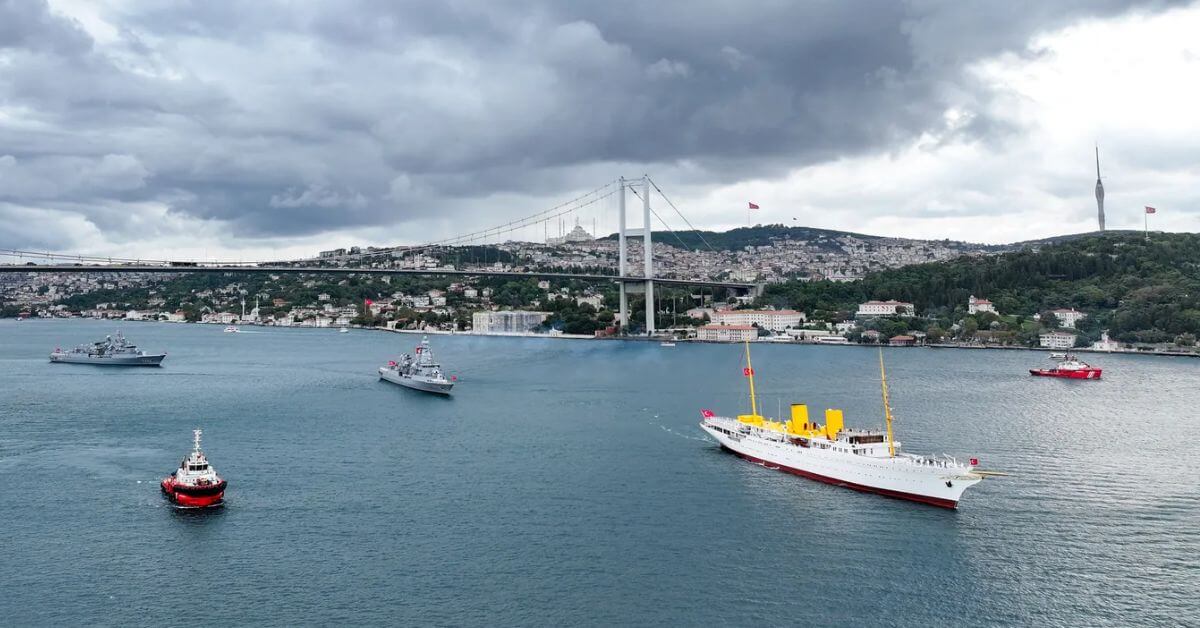
Turkish Navy marks 488th Preveva anniversary with homegrown frigate TCG Istanbul
The Turkish Navy's 488th Preveza anniversary parade featured TCG Istanbul, Türkiye's first domestically designed and built frigate. This is measurable progress in national naval capability. Validated, homegrown engineering now sails alongside tradition. For deeper coverage on integrated maritime power, see our related article on Pakistan's "Validated long-range strike capability demonstrated in Arabian Sea test." Understanding drives protection, from shipyard to sea.
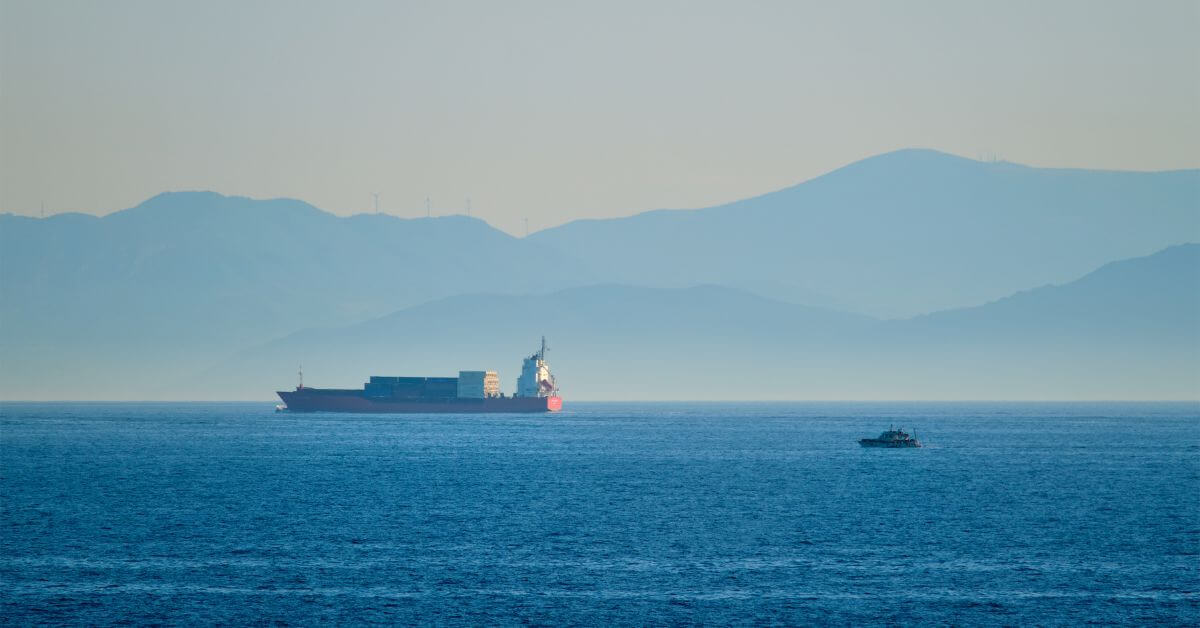
Crew Freed: Integrated Data Confirms Resolution of Somali Hijacking Incident
On April 26, Somali pirates seized a tanker carrying 15 Syrian and two Indian nationals. Integrated data ecosystems now confirm the crew's release, a resolution grounded in measurable, real-time intelligence. This outcome validates the power of empirical monitoring over alarmist speculation. Understanding drives protection, and here, it restored lives. For deeper context on regional interdiction efforts, see our coverage of "Puntland Forces Intercept Hijacked, US-Sanctioned Oil Tanker After 48 Hours." The ocean's security challenges demand calibrated, not sensational, responses.
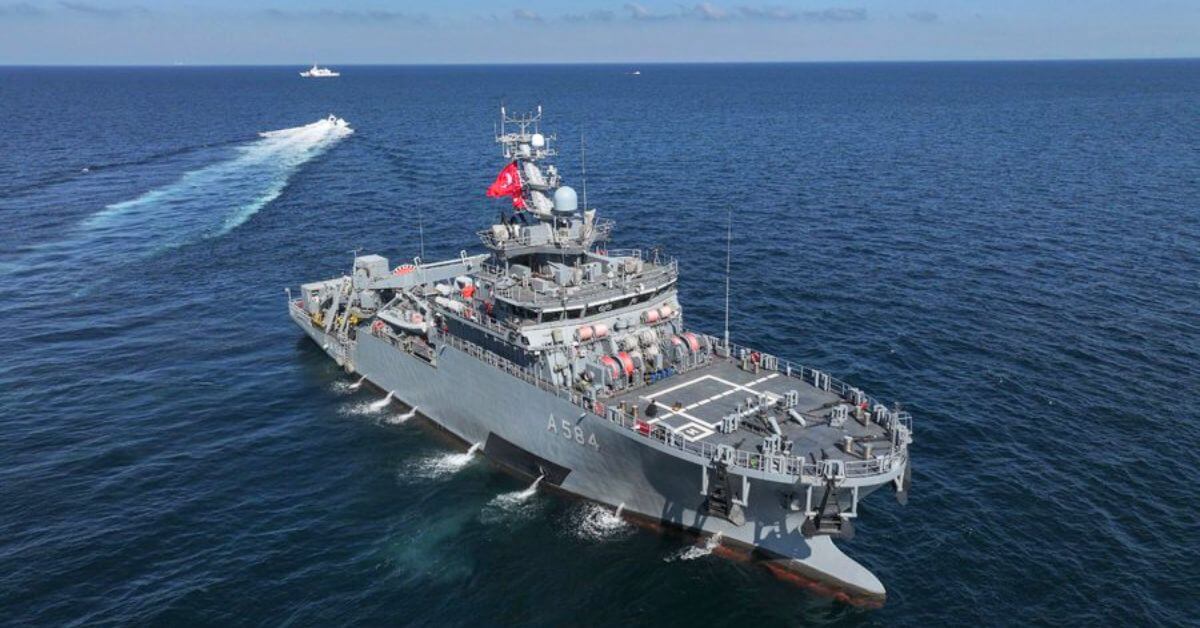
Search Continues for Crew After Collision and Sinking Near Istanbul
A collision in the dark hours near Istanbul has sent a search into motion. The Tugberk Imamoglu struck the Turkish-flagged Alsu at roughly 3 a.m. local time on Wednesday, Sept. 2, and crew members remain unaccounted for. The incident underscores how quickly maritime operations can shift from routine passage to response. For those tracking the human element of ocean intelligence, this is a sobering reminder that data and vigilance must always serve safety first. We continue to follow the search as it unfolds.
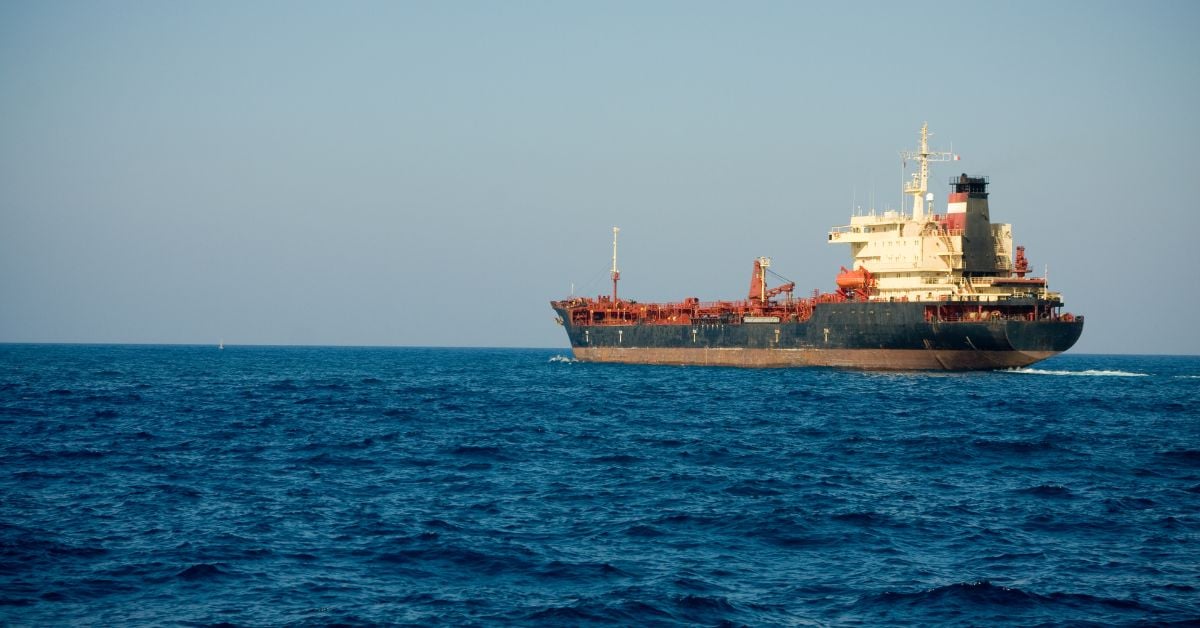
Collision Investigation: Captain and Officer Face Negligent Homicide Charges
The arrest of the ALSU's captain and 3rd Officer on negligent homicide charges marks a decisive turn in the collision's aftermath. Police acted with purpose, holding command accountable for a tragedy that demands answers. This is not about assigning blame prematurely; it is about measuring responsibility against empirical evidence. When lives are lost at sea, the standard must be exacting. For context on maritime risks, our coverage of the cargo ship fire near Mykonos underscores how quickly operations can escalate.
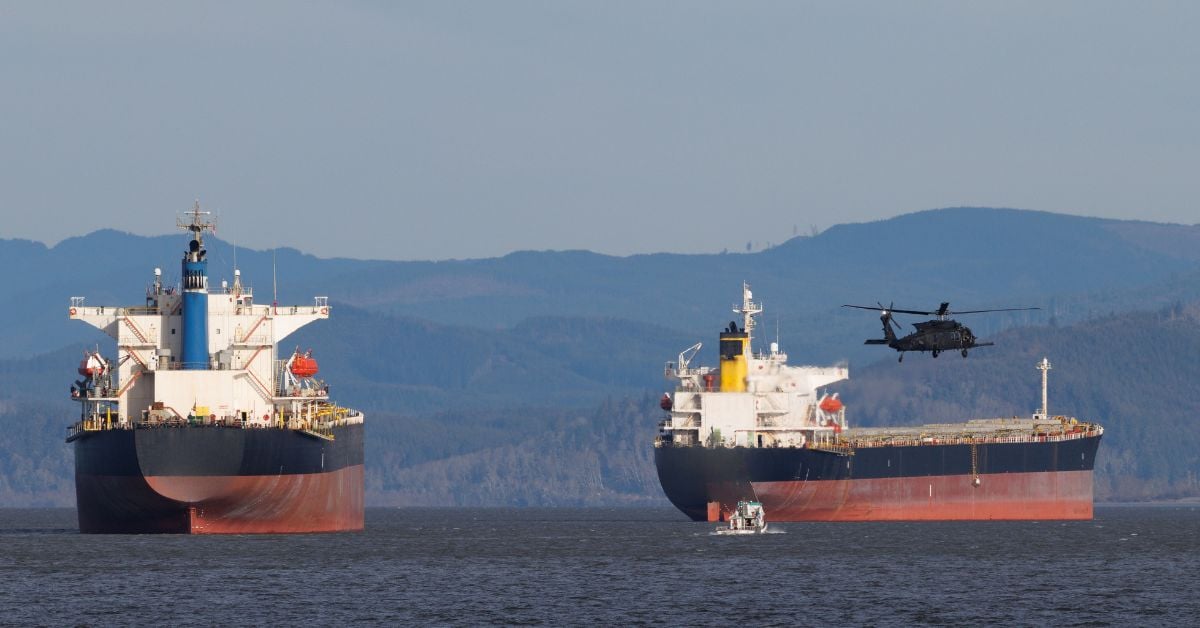
Cargo Ship Sinks Rapidly in Sea of Marmara Collision.
In the Sea of Marmara, a cargo ship carrying 4,200 tonnes of rolled steel sank in just 11 minutes after colliding with an empty chemical tanker. The speed of the loss is a stark reminder of how quickly maritime emergencies can escalate. Rapid response remains critical, yet this incident underscores the need for continuous scrutiny of vessel traffic and navigation protocols.
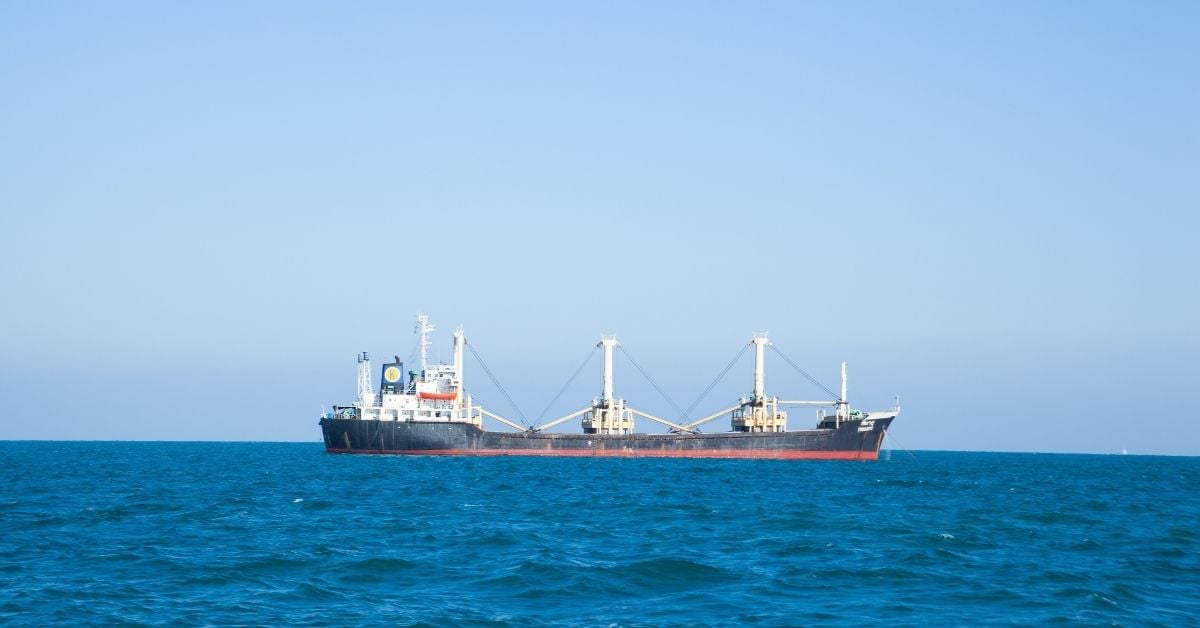
Joint Forces Intervene: Maritime Security Operation Frees Hijacked Vessel
The Turkish Navy and Somalia's Armed Forces concluded a decisive 10-day operation, neutralizing 14 pirates and freeing a hijacked vessel. This is what coordinated maritime security looks like when measured action meets clear objectives. The operation underscores a practical truth: effective ocean stewardship requires persistent, joint commitment, not just policy. For broader context on regional maritime pressures, our related coverage on Gulf of Oman STS transfers offers valuable perspective. This success signals a calibrated, reliable approach to protecting vital sea lanes.