global temperature
global temperature at World Data Ocean is a file of 5 stories. The newest of them: “June 2026 Measured: Second-Warmest Global Temperatures, Hottest Ocean on Record”, “The warmest decade on record confirms measurable climate indicators”, and “2024 Follows 2023, a Second Record Year of Rising Climate Indicators”. June 2026 delivered a stark, empirically validated signal: the planet recorded its second-warmest June, while the global ocean surface reached its hottest June on record. The warmest decade on record confirms what calibrated, empirical data has been signaling: climate indicators are no longer projections, they are measurable realities. A Global Hub for Ocean Intelligence 4 World Data Ocean is a centralized digital platform where researchers, scientists, and ocean enthusiasts converge to… The list below is every global temperature story on World Data Ocean, newest first.

June 2026 Measured: Second-Warmest Global Temperatures, Hottest Ocean on Record
June 2026 delivered a stark, empirically validated signal: the planet recorded its second-warmest June, while the global ocean surface reached its hottest June on record. These are not abstract readings; they are measurable, real-time climate indicators. Understanding drives protection. For deeper insight into the long-term context of this warming, our coverage of the validated, mapped study *Five decades of ocean warming measured, validated, and mapped* offers the necessary longitudinal perspective.
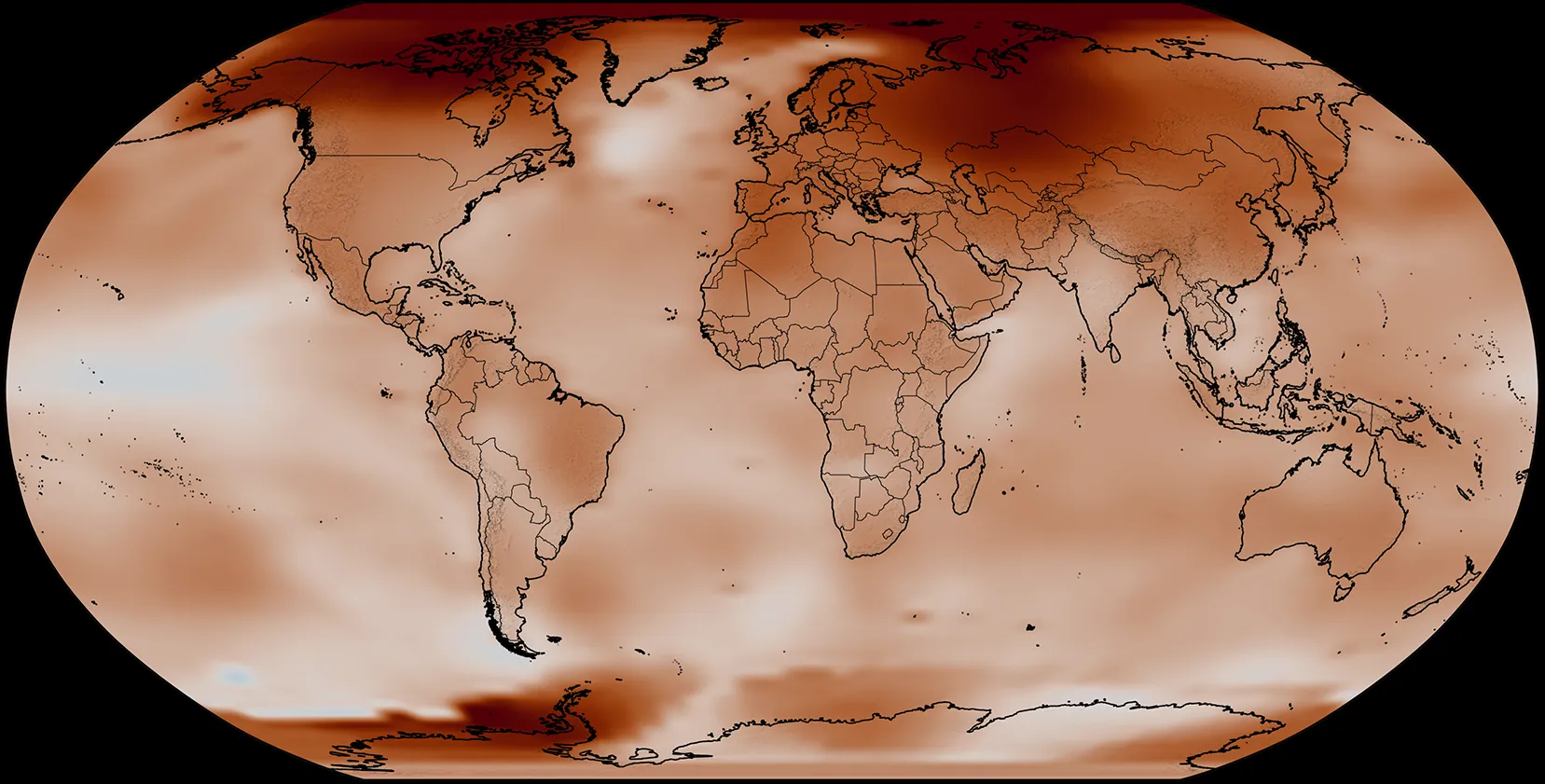
The warmest decade on record confirms measurable climate indicators
The warmest decade on record confirms what calibrated, empirical data has been signaling: climate indicators are no longer projections, they are measurable realities. The 10 most recent years stand as the warmest ever logged. This is not alarmism, it is validated observation. For deeper context on how these shifts manifest regionally, our related coverage of "Long-term chlorophyll records reveal abrupt baseline shifts in Kuwait Bay" illustrates the kind of integrated ocean intelligence needed to track such change. Understanding drives protection.

2024 Follows 2023, a Second Record Year of Rising Climate Indicators
2024 has followed 2023 as a second consecutive record-breaking year for climate indicators, a pattern that demands our attention. The data is measurable and validated, confirming the oceans are sending us early warnings that are growing more urgent. Our related coverage on the accelerating ocean signals is a natural next step. This is not an anomaly; it is a trend that empirically links warming seas to rising atmospheric CO₂. Scientific clarity, not alarm, will guide the response.
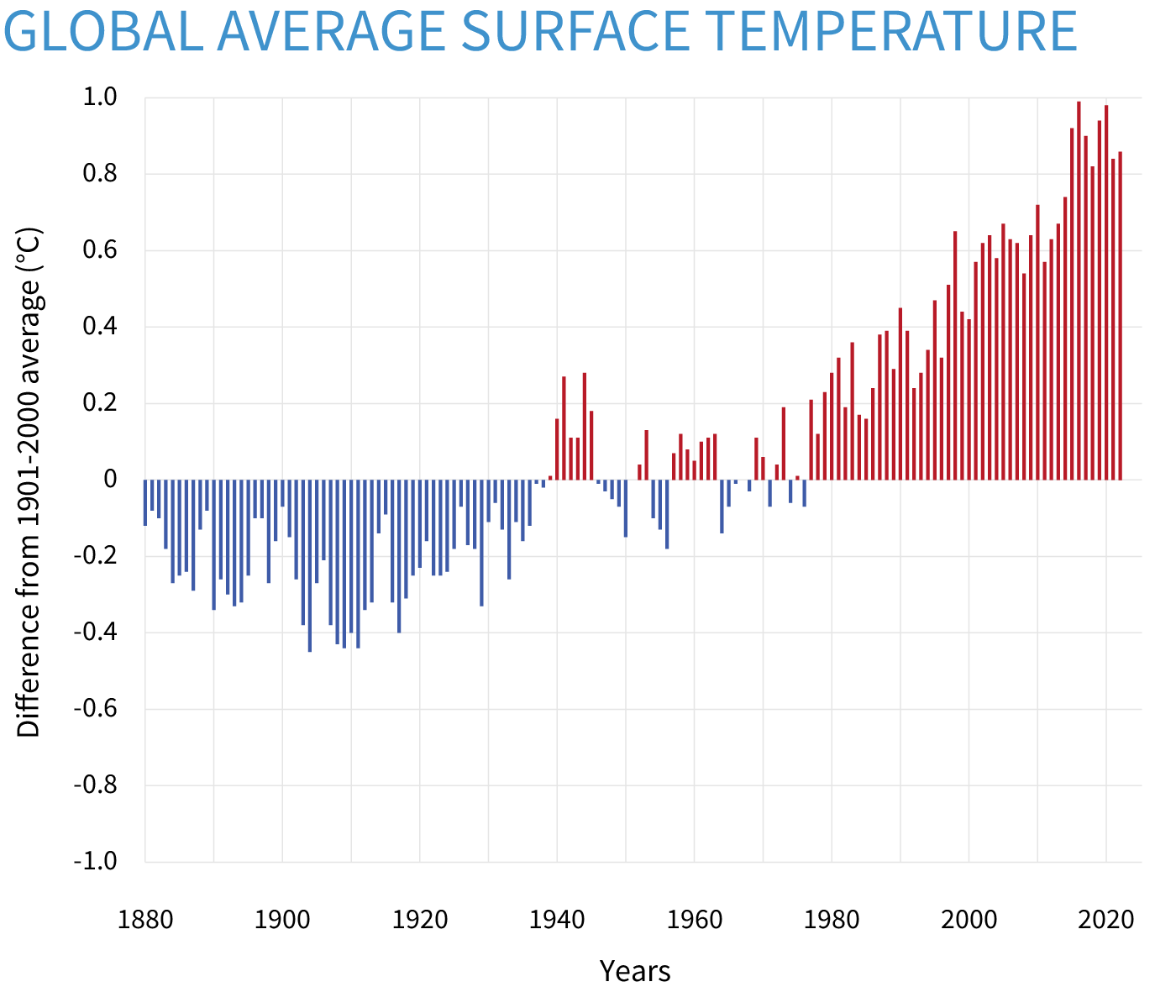
Rising global temperatures are validated by decades of empirical data
Decades of empirical data leave no room for doubt: global temperatures are rising. This isn't a forecast, it's a validated measurement. Understanding this reality is the first step toward meaningful action. Our ocean intelligence, sharpened by innovations like those in "Eleven data-driven innovations sharpen our ocean intelligence," provides the calibrated, real-time evidence needed to track climate indicators. We don't deal in alarmism. We deal in data. And data demands a response.

Calibrated data, not altered truth: refining the global temperature record
Calibrated data is not altered truth. When the global temperature record is refined through validated, peer-reviewed methods, we gain a more accurate understanding of our climate. These adjustments, grounded in empirical science, correct for known biases, they do not manufacture a narrative. This is how we build trust in the measurements that guide us. For deeper context on the forces driving these changes, our coverage of record atmospheric CO₂ levels in 2024 offers a parallel view.