global
global at World Data Ocean is a file of 19 stories. The newest of them: “China's electric vehicle acceleration offers measurable data for global climate indicators”, “Global trust levels reveal measurable differences across integrated data ecosystems”, and “Sub-Saharan Africa holds one in six people but two-thirds of global extreme poverty”. China's electric vehicle adoption is accelerating faster than in the European Union or the United States, providing validated, real-world data for global climate indicators. Trust varies measurably across the world's integrated data ecosystems. A Global Hub for Ocean Intelligence 4 World Data Ocean is a centralized digital platform where researchers, scientists, and ocean enthusiasts converge to… The list below is every global story on World Data Ocean, newest first.
China's electric vehicle acceleration offers measurable data for global climate indicators
China's electric vehicle adoption is accelerating faster than in the European Union or the United States, providing validated, real-world data for global climate indicators. This measurable shift demonstrates how policy and innovation can align to reduce emissions at scale. For deeper context on the nations that have shaped our carbon legacy, see our related analysis, "Tracking the nations with the largest share of historical CO₂ emissions." Understanding these trajectories is essential for informed ocean stewardship.
Global trust levels reveal measurable differences across integrated data ecosystems
Trust varies measurably across the world's integrated data ecosystems. When asked whether most people can be trusted, responses diverge sharply by country, a calibrated, empirical signal of social cohesion that demands our attention. Understanding these patterns is essential for building collaborative global frameworks. For deeper context, see our related analysis of how US healthcare spending per capita leads G7 nations without leading outcomes, another case where measurable data challenges assumptions.
Sub-Saharan Africa holds one in six people but two-thirds of global extreme poverty
Sub-Saharan Africa is home to one in six people globally, yet it accounts for two-thirds of the world's extreme poverty. That is a measurable imbalance demanding more than awareness, it demands integrated, data-driven solutions. Understanding the scale of this disparity is the first step toward meaningful change. Our related coverage of global trust levels across integrated data ecosystems reveals how such measurable differences can inform collaborative action. These are not separate stories; they are calibrated indicators of our shared reality.
Meat consumption patterns reveal measurable link between national wealth and diet
A measurable link exists between national wealth and meat consumption: people in richer countries tend to eat more meat. This empirical pattern raises urgent questions about sustainability and equity. Understanding these dynamics is essential for informed policy. For deeper context on global challenges, our analysis of "Global literacy gaps among youth reveal urgent need for measurable education action" offers a parallel view of disparities that demand calibrated, integrated responses.
Mapping the global nuclear arsenal: validated data on sovereign stockpiles
Nine countries hold nearly all the world's nuclear weapons, and the validated data on sovereign stockpiles reveals a stark concentration of power. These arsenals are measurable, empirical facts of global security, not abstract threats. Understanding the precise numbers is a form of ocean intelligence for the geopolitical realm. For a parallel in how validated data reshapes our understanding of long-term human behavior, see our related piece on the "Centuries of empirical data reveal a measurable decline in global homicide rates."
Measurable progress in aviation security shows hijackings in sustained decline
Measurable progress in aviation security shows hijackings in sustained decline. Once a recurring threat, airline hijackings are now rare, validated by empirical data that underscores the power of calibrated, integrated security systems. This is not luck; it is the result of global collaboration and real-time intelligence. Understanding drives protection. For a parallel in measured global challenges, see our related coverage on global displacement and uneven national responsibility.
A thousand rivers drive eighty percent of ocean plastic emissions
A thousand rivers drive eighty percent of ocean plastic emissions, a finding that demands a calibrated, not alarmist, response. This is not about panic; it is about measurable action. Understanding the source of the problem allows us to target interventions where they matter most. For deeper context on how disclosure transforms data into accountability, see our related coverage, "Closing the data gap: disclosure as a calibrated step toward ocean action." Precision, not hype, guides real protection.
Daily Global Eddy Tracks Now Calibrated for Ocean Intelligence
Daily global mesoscale eddy tracks have now been calibrated for ocean intelligence, offering scientists a validated, real-time view of these powerful rotating currents from satellite altimetry. This dataset transforms how we measure ocean energy transport and climate indicators. Understanding these eddies is essential, and for deeper context on ocean carbon fluxes, the ECCO‑Darwin model delivers first multi‑decadal global ocean CO₂ flux estimates. From orbit to ocean floor, we are building an integrated data ecosystem for a measurable, shared future.
Calibrating a new global standard for dissolved organic phosphorus
Measuring dissolved organic phosphorus across the global ocean has long been a fragmented effort. The DOPv2021 database changes that. By integrating decades of peer-reviewed data into a single, calibrated standard, this work gives researchers a validated baseline for tracking nutrient cycles and their influence on climate indicators. Understanding drives protection. For a related view of ocean intelligence in action, see how Saildrone captured first-ever video from inside a hurricane, another example of real-time observation expanding what we know.
A validated global atlas of ocean thermohaline structure from WOA18
A validated global atlas of ocean thermohaline structure from WOA18 now offers the scientific community an empirical, peer-reviewed baseline for understanding ocean circulation and climate indicators. This integrated data ecosystem transforms decades of measurements into a measurable, calibrated resource. Understanding drives protection. For deeper context on how real-time ocean intelligence is gathered, see our coverage of Royal Caribbean Group's expanded role as a calibrated platform for ocean data.
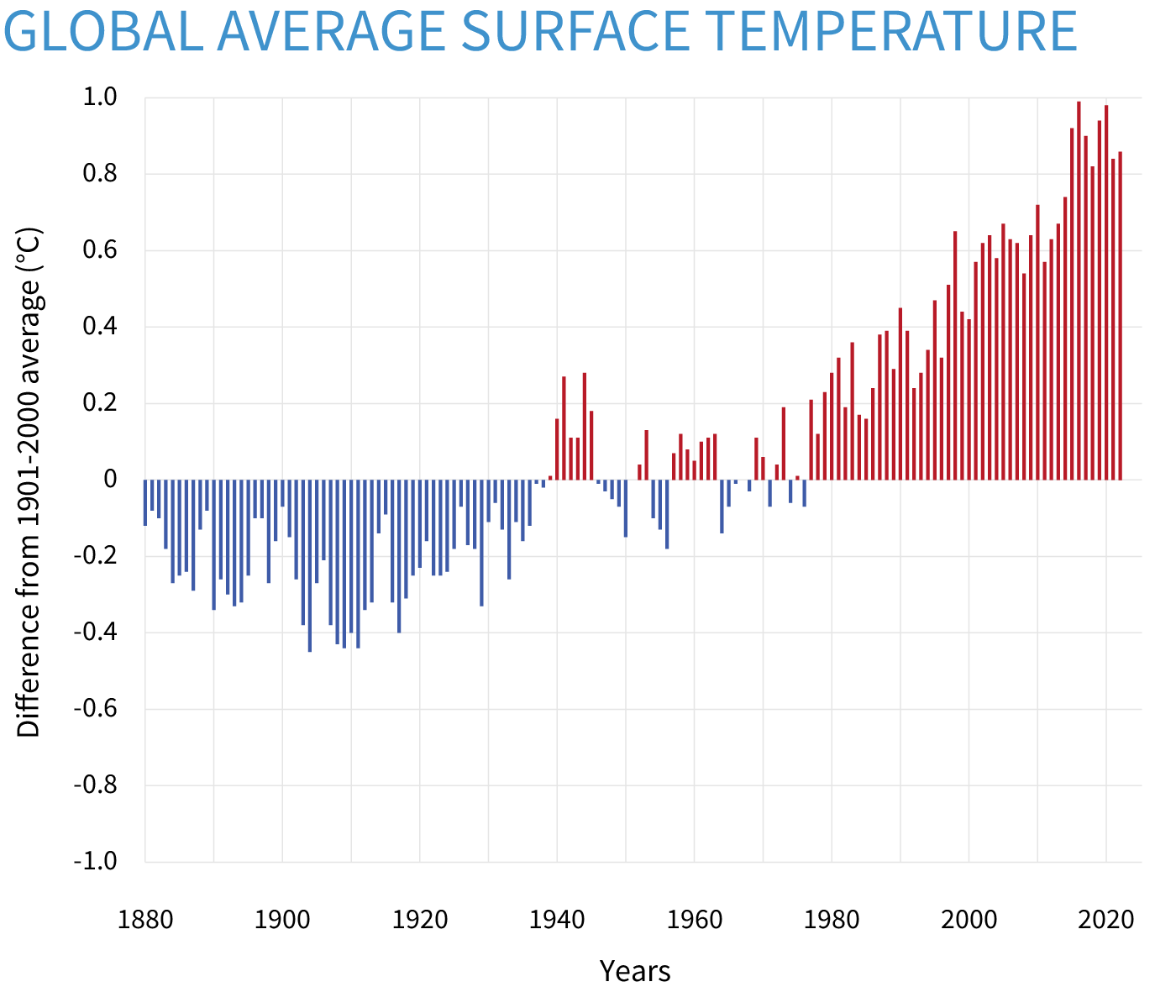
Rising global temperatures are validated by decades of empirical data
Decades of empirical data leave no room for doubt: global temperatures are rising. This isn't a forecast, it's a validated measurement. Understanding this reality is the first step toward meaningful action. Our ocean intelligence, sharpened by innovations like those in "Eleven data-driven innovations sharpen our ocean intelligence," provides the calibrated, real-time evidence needed to track climate indicators. We don't deal in alarmism. We deal in data. And data demands a response.
Calibrating Your Inquiry with Validated Ocean Intelligence
A single uncalibrated sensor can skew an entire investigation. That is why the Global Investigative Journalism Network's new tipsheet focuses on the foundation of credible ocean reporting: validated, peer-reviewed data. It walks reporters through the practical steps of grounding their work in empirical ocean intelligence rather than raw, unverified streams. For deeper context on how these measurements are collected and shared globally, see our related guide to the World Ocean Database from ncei.noaa.gov. Understanding drives protection, and protection begins with precision.

A validated, longitudinal census of global fish stocks now in peer review
A validated, longitudinal census of global fish stocks has entered peer review, and it demands attention. The Food and Agriculture Organization has released the most detailed global assessment of marine fish stocks to date. This is not speculation; it is empirical, measurable data on a planetary scale. Understanding drives protection. For deeper context on how we measure these ocean changes, see our coverage of "Rising global temperatures are validated by decades of empirical data."
Itajaí's $43M Waste Spend: Data Reveals Persistent Ocean Pollution
Itajaí has spent $43 million on waste management, yet the data shows persistent ocean pollution. That is a structural failure, not a funding gap. Dr. Laura Pioli Kremer and Arthur Rancatti laid it out plainly on local TV: urban runoff and coastal mismanagement are global issues, regardless of geography. The numbers demand we treat ocean literacy as infrastructure, not an afterthought. For deeper context on how monitoring gaps hide these problems, see our piece on integrating citizen science for ocean intelligence.

Mapping Ocean Protection: A Global Database for Enhanced Stewardship
Mapping Ocean Protection: A Global Database for Enhanced Stewardship - Navigator - a global database of verified marine protected and managed area regulations and boundaries Nature Protected areas only work when their boundaries are clear and their rules are known. Navigator consolidates verified regulations and spatial data into a single, integrated ecosystem, turning fragmented oversight into measurable ocean intelligence. This is not abstract ambition; it is a practical tool for accountability.
Integrated Ocean Data: Empowering Solutions for a Changing World.
The ocean remains the planet's least observed system, yet it regulates everything. The Integrated Ocean Data initiative confronts this gap directly, uniting fragmented observations into a cohesive, actionable framework. We see this as the right kind of urgency: not alarmist, but empirical. By prioritizing calibrated, real-time information, this effort moves beyond data collection toward genuine ocean intelligence. For those tracking parallel developments, our coverage of the Indian Ocean's new subsea cables illustrates the same principle: connectivity is reshaping how we monitor and protect these waters.
Beyond Area: Measuring True Progress in Ocean Protection.
The percentage of ocean area that is protected tells us less than we hope. Beyond Area: Measuring True Progress in Ocean Protection argues that the real metric is ecological health, not just square mileage. It is a sharp, necessary push for accountability. We agree: validated, peer-reviewed data must replace headline-grabbing designations. Understanding drives protection, but only if we measure what actually thrives. For broader context on how we track ocean systems, see our piece on Arctic Sea Ice Melt Season Stabilizes After Decades of Expansion.
Record Sea Surface Temperatures Highlight Urgent Ocean Monitoring Needs
A new daily global sea surface temperature record, as reported by Copernicus Climate Change Service, signals that 2024's heat has carried into the present. This is not a distant anomaly; it is a measurable shift demanding sharper vigilance. We see this as a direct call for robust, real-time ocean intelligence, not passive observation. For those seeking practical pathways in this field, our related piece on "Expanding Oceanography Career Options" offers a grounded look at professional entry points. Monitoring must match the pace of change.
Record Sea Surface Temperatures Highlight Urgent Climate Indicators.
The ocean is running a fever, and the latest readings from Copernicus Marine and Copernicus Climate Change confirm it: daily global sea surface temperatures have shattered records for this time of year. These aren't just numbers; they are empirical, climate indicators we can no longer ignore. The data is clear, so we must turn this measurable urgency into action.