temperature
30 stories filed under temperature on World Data Ocean. The newest of them: “Redwoods' photosynthesis slows under heat, imperiling a key carbon sink”, “Phenological data confirms warming springs drive earlier cherry blossoms in Japan”, and “Anchovy spawning patterns in the Bay of Biscay, measured and clarified”. Under heat-wave conditions, coast redwoods slow their photosynthesis, a measurable response that puts one of Earth's most efficient carbon sinks at risk. Japan's cherry blossoms are arriving earlier, and the evidence is clear: phenological data confirms that warming spring temperatures are driving this shift. A Global Hub for Ocean Intelligence 4 World Data Ocean is a centralized digital platform where researchers, scientists, and ocean enthusiasts converge to… The list below is every temperature story on World Data Ocean, newest first.

Redwoods' photosynthesis slows under heat, imperiling a key carbon sink
Under heat-wave conditions, coast redwoods slow their photosynthesis, a measurable response that puts one of Earth's most efficient carbon sinks at risk. This is empirical evidence that even iconic, resilient ecosystems face limits. Validated longitudinal data is essential here, not alarm. For a broader view of cumulative climate pressures, see our coverage of coastal benthic ecosystems. Understanding these integrated signals drives protection.
Phenological data confirms warming springs drive earlier cherry blossoms in Japan
Japan's cherry blossoms are arriving earlier, and the evidence is clear: phenological data confirms that warming spring temperatures are driving this shift. This is not anecdotal, it's a measurable, empirical signal of climate change playing out in real time. Understanding these patterns is essential for predicting broader ecological impacts. For deeper context on how long-term data reveals structural change, see our related article, "A calibrated shift: global employment data confirms the rise of the service sector."

Anchovy spawning patterns in the Bay of Biscay, measured and clarified
Anchovy spawning in the Bay of Biscay is not a random drift of eggs and larvae. It is a calibrated, measurable pulse, one that responds to shifting climate indicators with a precision we are only beginning to integrate into our ocean intelligence frameworks. The patterns are empirical, longitudinal, and increasingly vital for fisheries management. Understanding these dynamics drives protection.

August ocean heat readings reach highest validated level on record
August ocean heat readings have reached their highest validated level on record, a measured signal that demands attention, not alarm. This empirical data point is another climate indicator in our integrated understanding of planetary change. For deeper context on how we track these systems, explore our coverage of the calibrated OceanRAIN shipboard dataset, which measures the full ocean water cycle. Understanding drives protection, and these numbers sharpen our focus.
A validated global atlas of ocean thermohaline structure from WOA18
A validated global atlas of ocean thermohaline structure from WOA18 now offers the scientific community an empirical, peer-reviewed baseline for understanding ocean circulation and climate indicators. This integrated data ecosystem transforms decades of measurements into a measurable, calibrated resource. Understanding drives protection. For deeper context on how real-time ocean intelligence is gathered, see our coverage of Royal Caribbean Group's expanded role as a calibrated platform for ocean data.
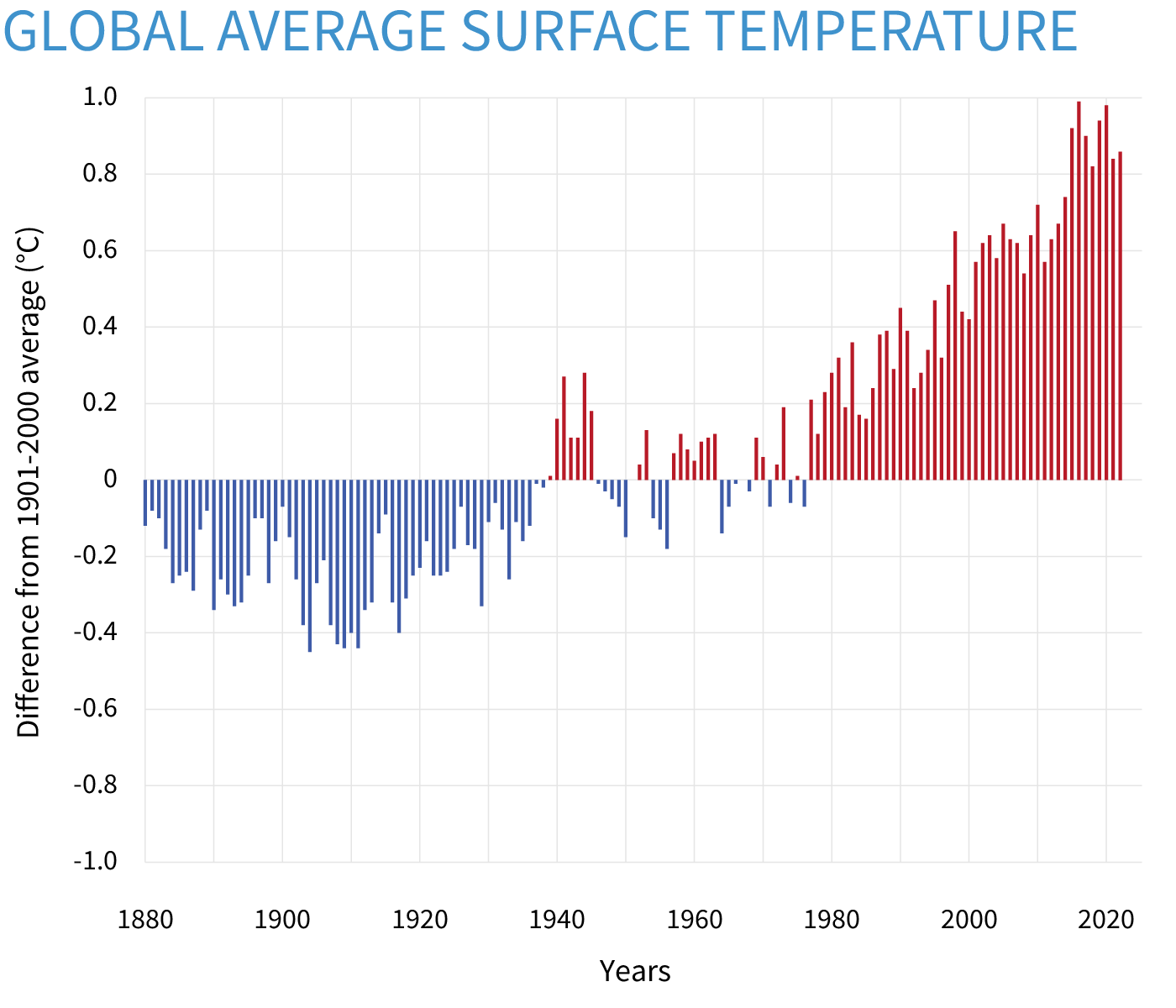
Rising global temperatures are validated by decades of empirical data
Decades of empirical data leave no room for doubt: global temperatures are rising. This isn't a forecast, it's a validated measurement. Understanding this reality is the first step toward meaningful action. Our ocean intelligence, sharpened by innovations like those in "Eleven data-driven innovations sharpen our ocean intelligence," provides the calibrated, real-time evidence needed to track climate indicators. We don't deal in alarmism. We deal in data. And data demands a response.

Refining Global Ocean Intelligence with New Empirical Climatologies
New empirical climatologies have been added to the World Ocean Atlas, refining our understanding of ocean state with validated, measurable data. This update strengthens the integrated data ecosystem that underpins global ocean intelligence. Those tracking marine debris will find a natural companion in our recent mapping of microplastic drift from surface to seafloor. Understanding drives protection, and these calibrated baselines give us the precision we need to act.
Calibrated rhythms of the deep: Tracking vertical migration in Monterey Canyon
The boundary zone of Monterey Canyon is not a passive shelf; it is an active intersection where the deep sea meets the continental slope. Our team's deployment of a benthic time-lapse system across seven missions between 2020 and 2022 captured 503 videos, revealing pre-sunrise abundance peaks that signal topographic blocking of downward migrators. This physical-biological coupling is measurable, yet currents explained only 10.9% of community variation. The findings underscore a need for calibrated, longitudinal observation.
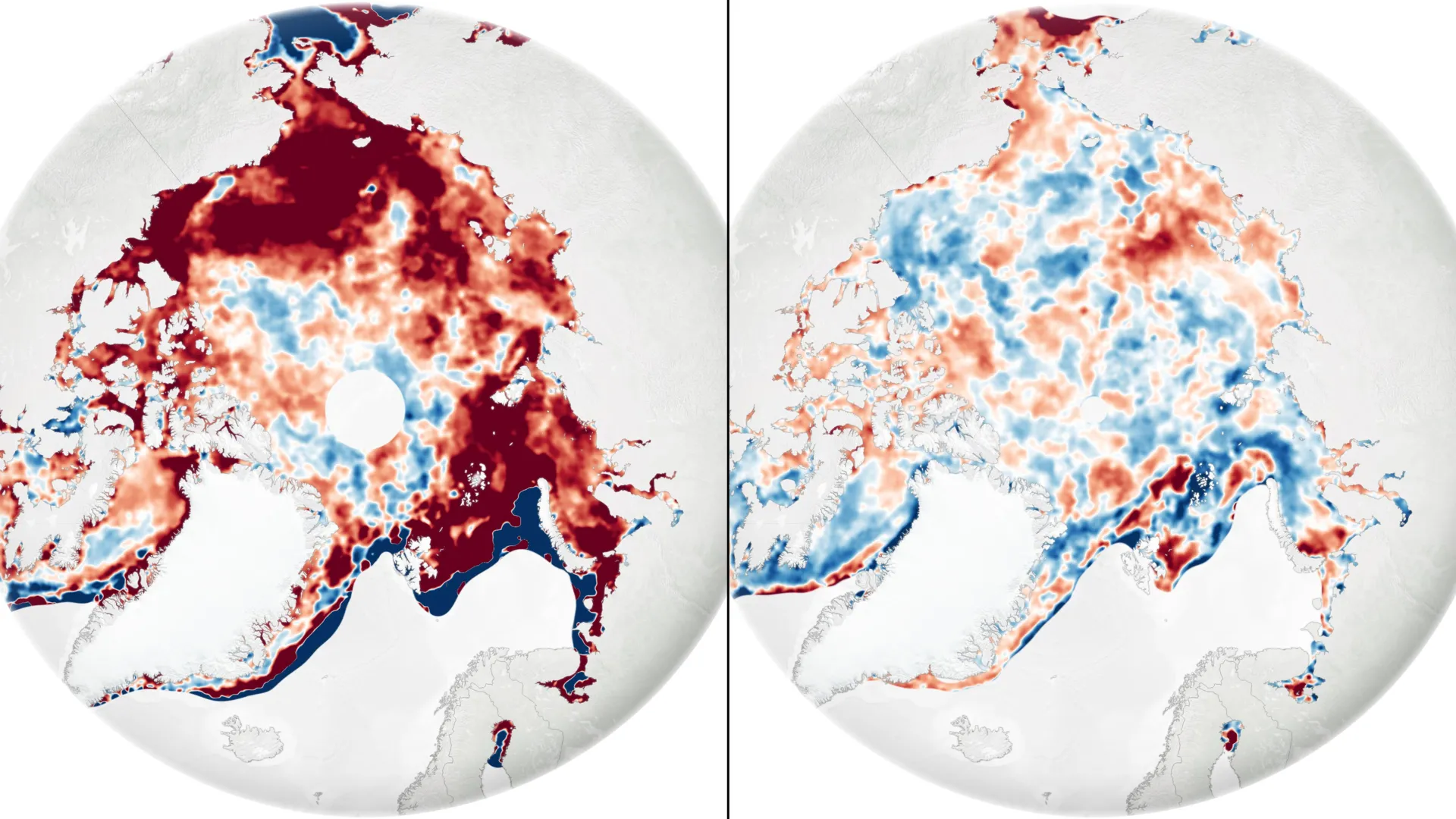
Arctic Sea Ice Melt Season Stabilizes After Decades of Expansion
The Arctic's melt season now runs roughly 40 days longer than in 1979, yet its rapid expansion unexpectedly stalled around 2010. Scientists point to shifting clouds and increasingly thin ice as possible drivers of this pause. That plateau is not a reprieve; continued warming could trigger another surge of change. For context on how Arctic dynamics intersect with commercial ambition, our coverage of Russia's Northern Sea Route icebreaker plans offers a practical counterpoint. The ice is settling, but its stability remains an open question.
Do Fish Experience Cold, or Simply Temperature Change?
A fish's world is not our world. When Ed Yong's *An Immense World* notes that most fish lack TRPM8 and can tolerate near-freezing water, it suggests they register temperature without the sting of cold we feel. That doesn't mean they lack preference; a betta's heater exists because warmth supports their biology, not necessarily their comfort. They are driven by metabolic necessity, not sensation.
Extreme Thermophile Amoeba Expands Limits of Complex Life's Heat Tolerance
A newly described extreme thermophile amoeba is redefining what we know about the limits of complex life. This organism thrives at temperatures that would be lethal to most eukaryotic cells, pushing the boundaries of our biological understanding. It is a compelling reminder that our ocean intelligence is far from complete. For more on how life adapts to extreme marine environments, see our related piece on Arctic sea ice melt season stabilization.

2025 Temperature Anomalies: Tracking Global Climate Indicators.
The 2025 temperature anomaly data from Our World in Data offers a measurable look at how far the climate has shifted. These annual figures are more than numbers; they are calibrated indicators of a planet in motion. We track them because understanding drives protection. The record ice gain in East Antarctica, detailed in our related coverage, reminds us that regional extremes can temporarily mask global trends. For now, the anomalies demand our attention, not alarm.

Navy Implements Electrical Safety Measures, Bans Portable ACs at San Diego Barracks
Safety protocols at San Diego's Building 635 now require sailors to unplug portable air conditioners, following a memo issued Aug. 31 with a one-week removal deadline. The measure prioritizes electrical integrity over comfort, a practical trade-off in aging barracks infrastructure. While the summer heat makes the timing uncomfortable, operational readiness depends on mitigating fire and power risks before they escalate. For context on how the Navy approaches long-term capability challenges, our coverage of India's expanded fleet projections offers a broader look at maritime strategic planning.
Copepod Life Cycles Shift with Marine Heatwaves: A New Ocean Indicator
Copepods are the ocean's canaries, and their response to marine heatwaves is proving more nuanced than expected. Using the Helgoland Roads time series, researchers found that blooms often contract when heatwaves strike during their peak, though most species show no consistent shift in timing beforehand. That distinction matters. It suggests selective pressure is intensifying within blooms themselves. As heatwaves grow stronger, these small disruptions could cascade through food webs, ultimately reshaping fish recruitment.
Submarine Caves Offer Octocorals Climate Refuge from Warming Oceans
A submarine cave in the Mediterranean has become an unexpected sanctuary for gorgonian octocorals facing warming seas. Colonies inside the cave show 17 times lower mortality and far higher reproductive success than those exposed to surface conditions. This is measurable evidence that climatic microrefugia can buffer slow-growing species from thermal and light stress. Protecting these hidden refuges may be as urgent as monitoring open-ocean climate indicators.
Safi Fish Tissue Reveals Adaptations to Extreme Arabian Gulf Conditions
Safi, or *Siganus canaliculatus*, thrives where many species cannot, its tissue structure revealing a precise physiological balance with the Arabian Gulf's hyper-saline waters. This first histological baseline of the species is a practical step forward, offering measurable data on gill, liver, and kidney adaptations that underpin its resilience. The findings are a solid reference point for aquaculture and conservation, and they echo the kind of empirical tracking seen in our coverage of climate indicators like the 2025 temperature anomalies.
Reconstructing Earth's Past Climate Through Empirical Data Analysis.
Earth's distant past is not a blank slate; it is written in layers of sediment, ice, and shell. Reconstructing Earth's Past Climate Through Empirical Data Analysis, mapped by Carbon Brief, shows how these 'proxy' records translate into measurable climate indicators. This is not speculation; it is calibrated, peer-reviewed science. Understanding these deep-time signals sharpens our view of present-day change. For a related thread on how ancient signals can be misread, see our coverage of magma and microbial activity potentially rewriting a 2-billion-year-old carbon signal.
A Decade of Squidpops: Evaluating Predation Insights in Aquatic Ecosystems
Ten years of squidpop deployments have mapped a clear pattern: consumption rates rise where shelter exists and large predators are absent. That consistency matters. This review of 48 studies finds the method's strength lies in its simplicity, yet its immobile, non-living bait limits consumer identification. Future work pairing squidpops with underwater video will sharpen the picture. The approach has proven a reliable, low-cost tool for comparing top-down control globally.
Record Sea Surface Temperatures Highlight Urgent Ocean Monitoring Needs
A new daily global sea surface temperature record, as reported by Copernicus Climate Change Service, signals that 2024's heat has carried into the present. This is not a distant anomaly; it is a measurable shift demanding sharper vigilance. We see this as a direct call for robust, real-time ocean intelligence, not passive observation. For those seeking practical pathways in this field, our related piece on "Expanding Oceanography Career Options" offers a grounded look at professional entry points. Monitoring must match the pace of change.
Ocean Temperatures Reach Record High, Validating Climate Change Indicators.
August's ocean temperatures set a new record, and the data is unambiguous. This isn't a fleeting anomaly; it's a measurable signal that aligns with established climate indicators. We track these shifts because they carry consequences far beyond the surface. For those seeking to understand the mechanisms at play, our coverage of how magma and microbial activity may rewrite a 2-billion-year-old carbon signal offers a deeper, peer-reviewed perspective. The ocean is speaking in records; our role is to listen with calibrated, scientific rigor.
Climate Stressors Reshape Salmon Gill Microbiome, Threatening Aquaculture.
Rising ocean temperatures and oxygen depletion are not distant threats; they are reshaping the gill microbiome of farmed Atlantic salmon, and the industry is catching up slowly. This study's identification of Streptococcus and Staphylococcus as biomarkers under heat stress, alongside transcriptomic shifts in immune and tissue-integrity pathways, offers a measurable, peer-reviewed foundation for adaptive management. The findings underscore that climate stressors act in concert, not isolation.
Small Estuaries, Big Impact: Exploring a Hidden Coastal Ecosystem.
Small estuaries are easy to overlook. A new study identifies 243 micro-estuaries across the Mediterranean, and roughly half remain undocumented and unmanaged. These systems, though small at one to seven kilometers long, exhibit stratification strong enough to control oxygenation and denitrification. Sandbars and freshwater inflow dictate their function, with residence times ranging from days to months. This research validates that size does not determine ecological significance.

Rapid Warming Threatens Atlantic Circulation’s Stability
The pace of warming may be the deciding factor for the Atlantic Meridional Overturning Circulation. New research indicates that rapid temperature rise, similar to today's trajectory, can push this massive system past a tipping point far earlier than gradual change would allow. The finding reframes our understanding of climate thresholds. For a broader perspective on how we track these shifts, our related piece, "Atlantic Circulation Weakens: Global Climate Reshaping Predicted," offers additional context.
Red Sea Macroalgae: Essential Ecosystem Builders and Food Web Support
Red Sea macroalgae are far more than background structure; they are the benthic engines driving primary production and food web stability across this extreme basin. Their role as ecosystem engineers, providing shelter and nursery grounds, is as critical as their trophic contributions through herbivory and detrital pathways. What stands out is how these organisms thrive where high temperatures and salinity would challenge most marine life. This review rightly identifies a significant knowledge gap, particularly in long-term monitoring and physiological data.