VLCC
12 stories filed under VLCC on World Data Ocean. The newest of them: “Injured crew evacuated after fire erupts aboard tanker in Strait of Hormuz”, “2 million barrels of crude move beyond the Strait of Hormuz in a calibrated shift”, and “Gulf of Oman STS Transfers Max Out Amid Rising Saudi Oil Exports”. A fire and an attack on a tanker in the Strait of Hormuz injured 12 of its 19 crew members, prompting an evacuation confirmed by Oman's Ministry of Defence. A Global Hub for Ocean Intelligence 4 World Data Ocean is a centralized digital platform where researchers, scientists, and ocean enthusiasts converge to… The list below is every VLCC story on World Data Ocean, newest first.
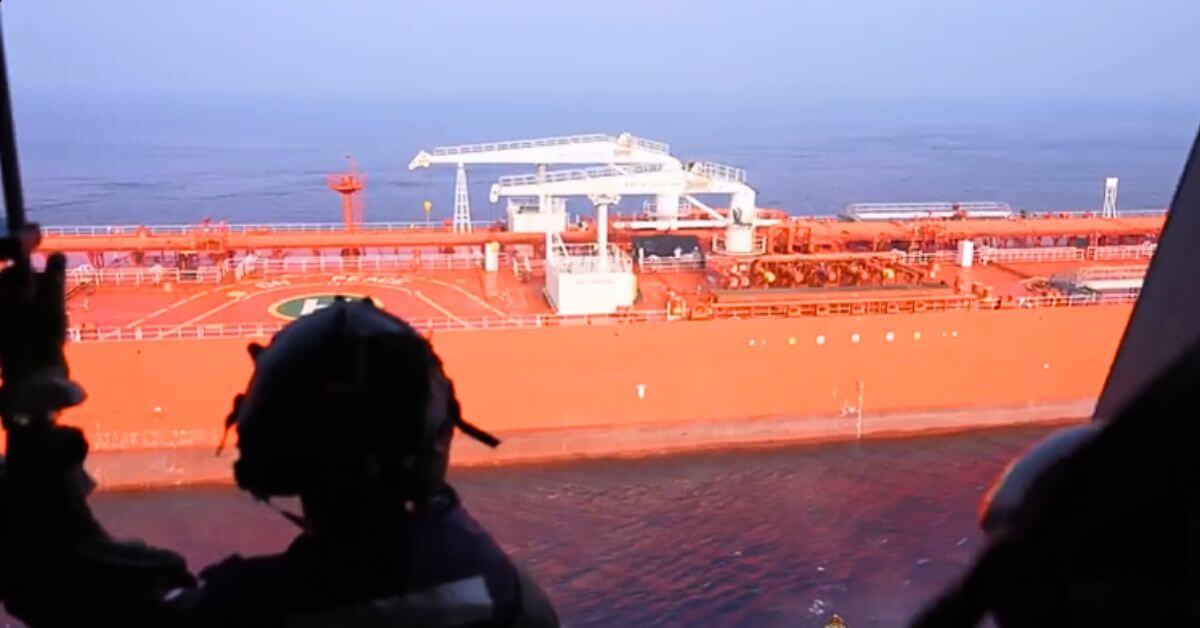
Injured crew evacuated after fire erupts aboard tanker in Strait of Hormuz
A fire and an attack on a tanker in the Strait of Hormuz injured 12 of its 19 crew members, prompting an evacuation confirmed by Oman's Ministry of Defence. This is not an isolated incident. The same volatile waters that demand calibrated maritime security now test the resilience of global trade routes. For deeper context on regional diplomatic efforts, see our coverage of "India Proposes Measured Maritime Truce to Protect Black Sea Shipping."
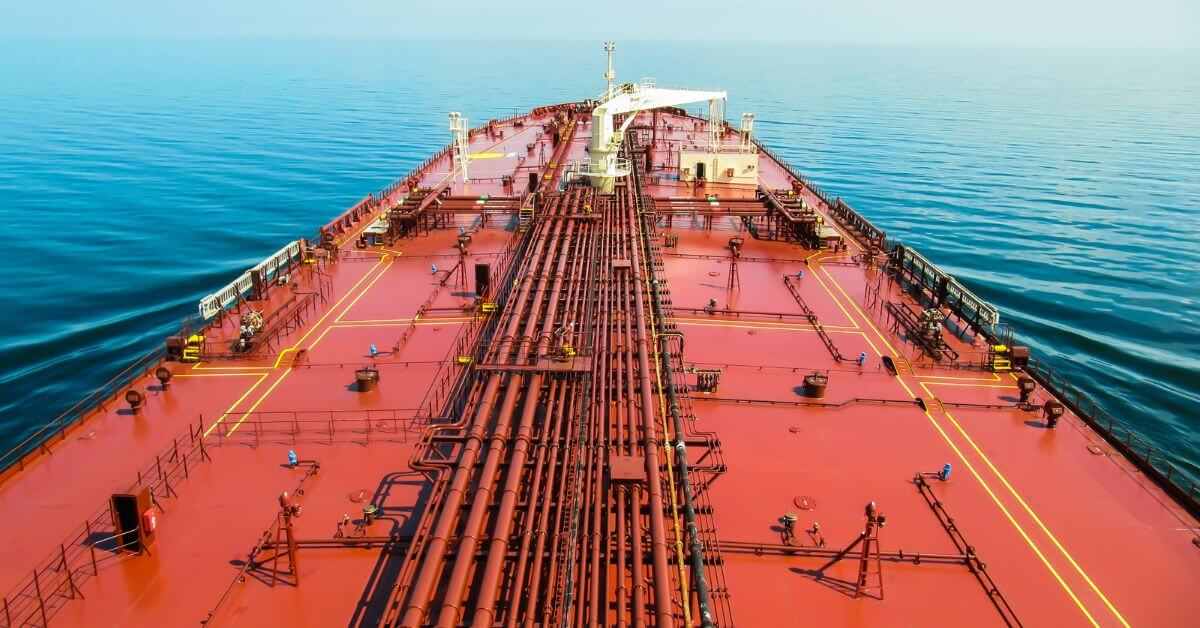
2 million barrels of crude move beyond the Strait of Hormuz in a calibrated shift
A calibrated movement of two million barrels of Iraqi crude has cleared the Strait of Hormuz, executed by the state-owned Iraqi Oil Tanker Company aboard a very large crude carrier. This is not a routine shipment; it is a measured exercise in strategic logistics. As naval defense evolves in the region, covered in our related reporting on laser deterrence, these shifts in energy transit demand the same empirical attention. Understanding drives protection.
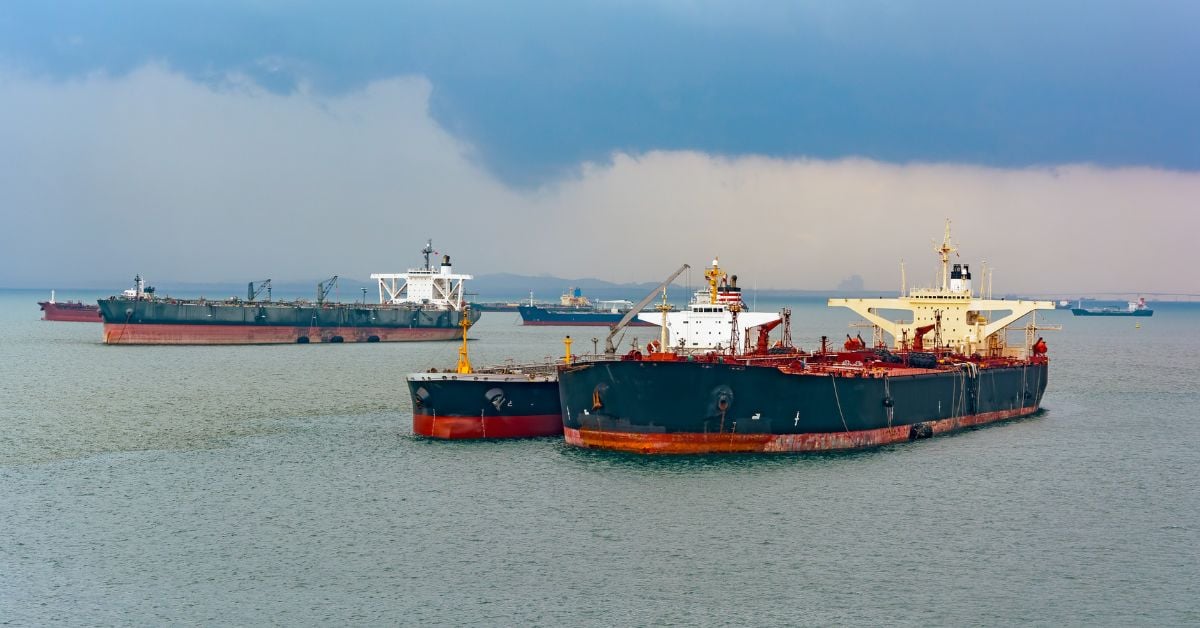
Gulf of Oman STS Transfers Max Out Amid Rising Saudi Oil Exports
Ship-to-ship transfers in the Gulf of Oman have reached maximum capacity, with traders and analysts pointing to surging Saudi crude exports as the driving force. This operational ceiling underscores how swiftly regional logistics can tighten when cargo volumes climb. The strain is a measurable signal of shifting energy flows, one that demands calibrated attention from those tracking maritime trade. For context on broader infrastructure pressures, our piece on integrated subsea systems in the Indian Ocean offers a useful parallel.

Strait of Hormuz Traffic Dips Amid Rising Geopolitical Tensions.
Tanker traffic through the Strait of Hormuz is tightening as Iran vows retaliation against U.S. sanctions designed to sever its economic lifelines. The shift is measurable, and it carries weight for global energy flows. Geopolitical friction is no longer abstract; it is showing up in real-time transit data. For context, our coverage of Gulf of Oman STS Transfers Max Out Amid Rising Saudi Oil Exports highlights how regional chokepoints are already operating at capacity.

Strait of Hormuz Transit Costs Soar, Impacting Global Energy Flows.
The Strait of Hormuz carried roughly a fifth of global oil flows before the Iran war, and now transit costs are soaring. That shift does not just redraw shipping economics; it tightens the margins on every barrel and LNG cargo moving through a chokepoint the world still depends on. The pressure is measurable, and the implications for energy security are immediate. For deeper context on how nearby routes are adapting, our piece on Gulf of Oman STS transfers is worth reading.

Shipping Traffic in Strait of Hormuz Declines Amid Geopolitical Tensions
Tracking shipping through the Strait of Hormuz has become a sharper exercise in reading the gaps. Recent data shows a decline in transiting vessels, but the figures carry a caveat: some ships have switched off their transponders while crossing this critical waterway. That means the true volume is likely higher than reported, a reminder that geopolitical tension distorts even our most reliable metrics.

Strait of Hormuz Attack: Search Underway for Missing Engineer
The Strait of Hormuz is narrow, strategic, and now the site of a search for a missing engineer. The third engineer of the Liberian-flagged bulk carrier Minoan Pioneer has gone missing following an attack on the vessel. The human cost is immediate, even as the geopolitical currents shift around this waterway. While negotiations aim to ease restrictions, the reality of risk remains.

Disruption in Hormuz: LNG Tanker Damaged Amidst Red Sea Shipping Activity
An engine room breach on a Qatari LNG carrier near the Strait of Hormuz is a measured reminder of how fragile this waterway has become. The vessel, loaded in late July, sustained damage without casualties, yet the incident sharpens the focus on a region already stretched thin. As Gulf of Oman STS transfers hit capacity, the pressure compounds. This is not alarmism; it is empirical stress on a critical artery.

Hormuz Tanker Traffic Declines, Signaling Potential Maritime Shifts
A single tanker crossed the Strait of Hormuz on July 23, down from three the prior day, according to Kpler. That decline is measurable, and it warrants attention. We track maritime flows because they carry signals. Whether this reflects routine scheduling or something more deliberate remains unclear, but the data is clear. For context on regional pressure points, our coverage of Gulf of Oman STS transfers highlights how export routes are already maxing out.

Asian Refiners Adjust Crude Supply Routes Amid Suez Canal Disruption
South Korea's refiners are rerouting crude supply chains as Suez Canal disruptions force a pragmatic pivot. One major refiner is now seeking a Very Large Crude Carrier to load at Yanbu, with the option of transiting the Suez Canal still on the table. It's a measured response to a volatile corridor, reflecting how quickly logistics adapt when geopolitical friction meets energy demand. The calculus is straightforward: secure throughput, manage cost, keep refineries running.

Escalation in Jordan, Strait of Hormuz Closure Threatens Global Shipping.
Two US troops killed, one missing, and the Strait of Hormuz transits down to eight vessels a day: the escalation in Jordan signals a sharp turn in an already volatile maritime corridor. These are not abstract metrics. They are calibrated warnings of how quickly regional conflict rewrites global shipping routes. The pressure on tanker movement is measurable, and it demands attention. For deeper context on how such constraints reshape oil flows, our piece on Gulf of Oman STS transfers offers a relevant thread.

Naval Interdiction: U.S. Forces Enforce Blockade in Gulf of Oman.
U.S. forces in the Gulf of Oman have redirected three commercial vessels and disabled a fourth that refused to comply with an ongoing blockade, according to CENTCOM. The action underscores the operational weight behind maritime enforcement, though it raises pointed questions about escalation and legal precedent in congested waters. Enforcement at this scale is not abstract; it is physical, immediate, and consequential.