sonar
16 stories filed under sonar on World Data Ocean. The newest of them: “From orbit to ocean floor: big data maps the seafloor with precision”, “Second US underwater drone reported seized in Strait of Hormuz”, and “Unexplained Acoustic Event Detected in Southern Italian Waters”. A University of Sydney-led team has integrated satellite altimetry with shipboard sonar data to produce a calibrated, high-resolution map of the global seafloor. Iran's Islamic Revolutionary Guard Corps Navy claims to have seized a second US military underwater drone in the Strait of Hormuz. A Global Hub for Ocean Intelligence 4 World Data Ocean is a centralized digital platform where researchers, scientists, and ocean enthusiasts converge to… The list below is every sonar story on World Data Ocean, newest first.
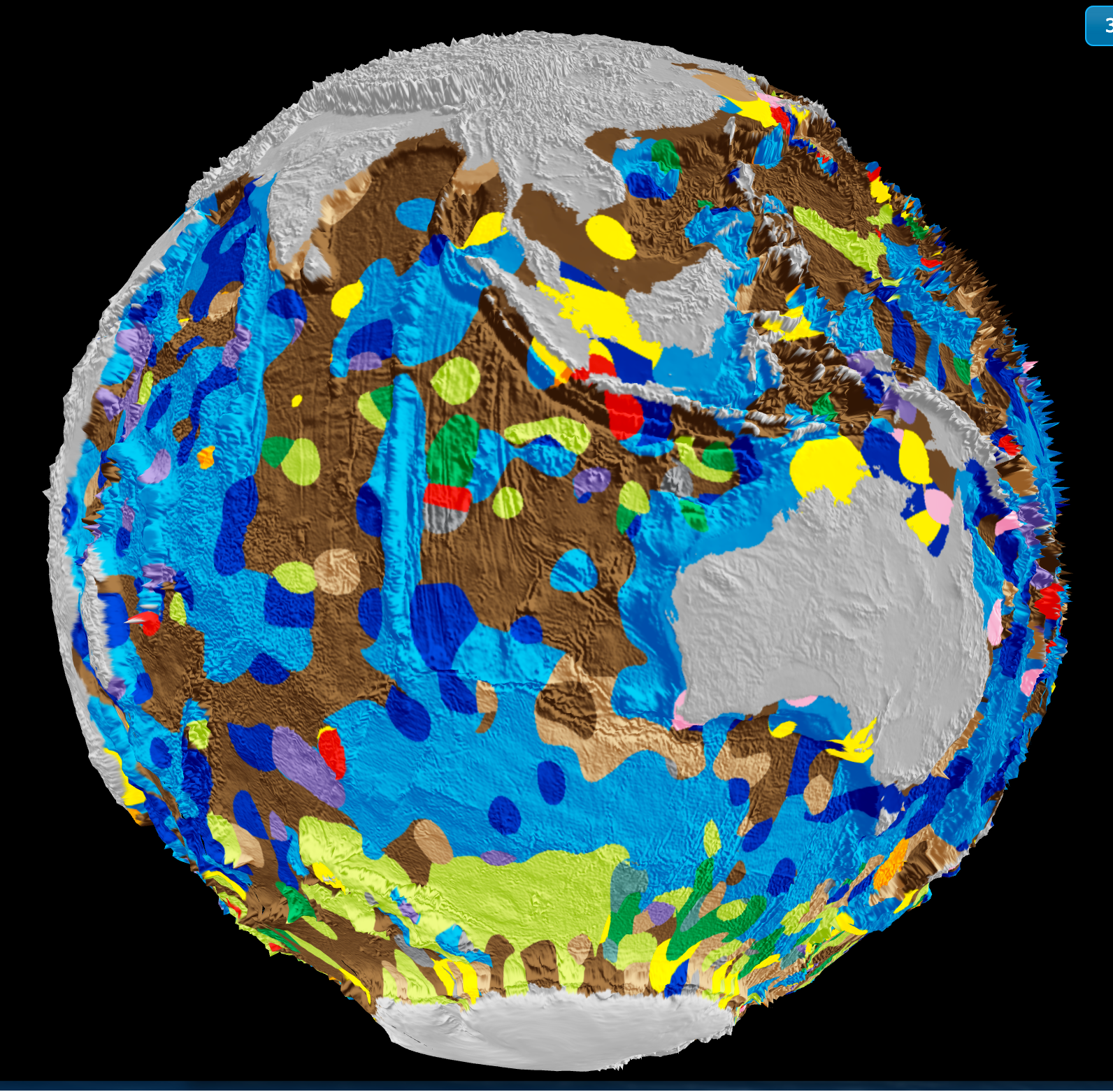
From orbit to ocean floor: big data maps the seafloor with precision
A University of Sydney-led team has integrated satellite altimetry with shipboard sonar data to produce a calibrated, high-resolution map of the global seafloor. This isn't just a sharper image, it's a validated baseline for measuring change. Understanding drives protection. When we can track sediment transport, tectonic activity, and benthic habitat shifts with empirical precision, ocean stewardship becomes measurable. For deeper context on how ocean intelligence reveals system-wide change, see our coverage of the century-long current slowdown.
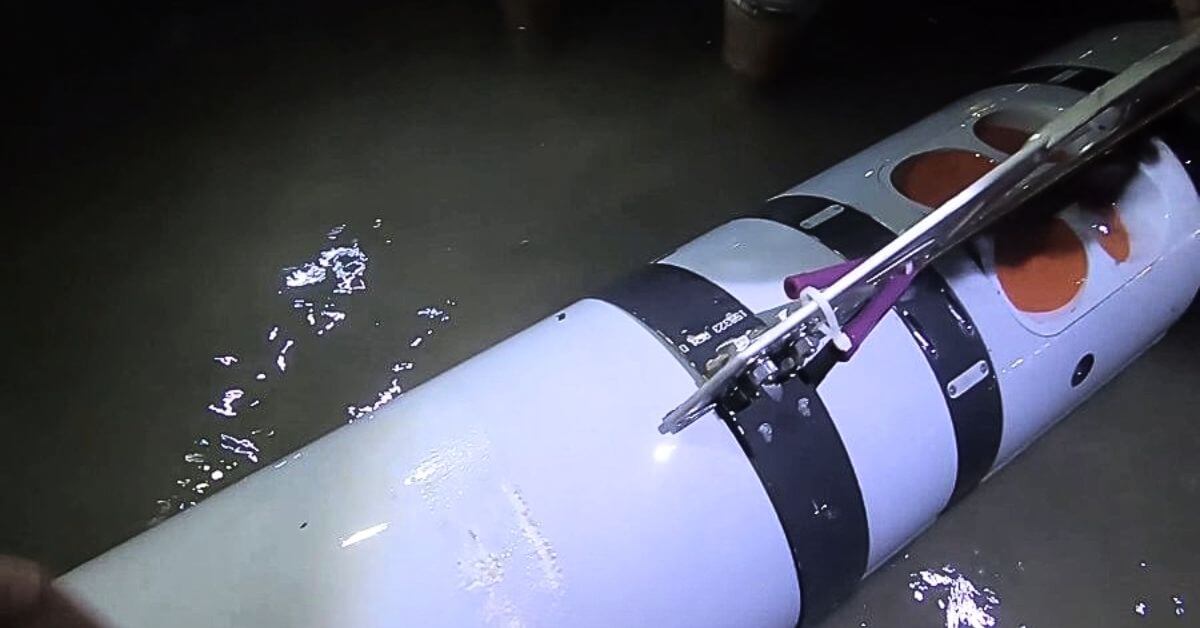
Second US underwater drone reported seized in Strait of Hormuz
Iran's Islamic Revolutionary Guard Corps Navy claims to have seized a second US military underwater drone in the Strait of Hormuz. This is a measurable escalation in a waterway where tensions are already calibrated to the breaking point. Validated reporting on these incidents is essential, not alarmist speculation. For broader context on maritime pressures in this region, readers may explore our related coverage of Gulf of Oman STS transfers. Understanding these events demands empirical clarity, not reaction.
Unexplained Acoustic Event Detected in Southern Italian Waters
A sudden, sharp crack beneath the surface is not a typical feature of coastal waters, yet that is precisely what one swimmer reported off southern Italy. The sound was not a solitary event; it repeated for minutes, faded, then returned with the same intensity. The observer noted a directional quality, suggesting a source within the water column rather than a personal auditory anomaly. It is a compelling, empirical mystery.
Hydrographic Surveyors Share Data, Expanding Ocean Intelligence Insights
When hydrographic surveyors share their datasets, they turn individual measurements into a shared foundation for ocean intelligence. This collaborative act strengthens the integrated data ecosystem that informs navigation, climate indicators, and marine policy. We see this as a practical step toward measurable progress. For those tracking how such information shapes regional stability, our related piece on Ukraine's support for India's Black Sea shipping initiative offers useful context. Sharing data is not just transparent; it is how we build a more resilient understanding of our oceans.
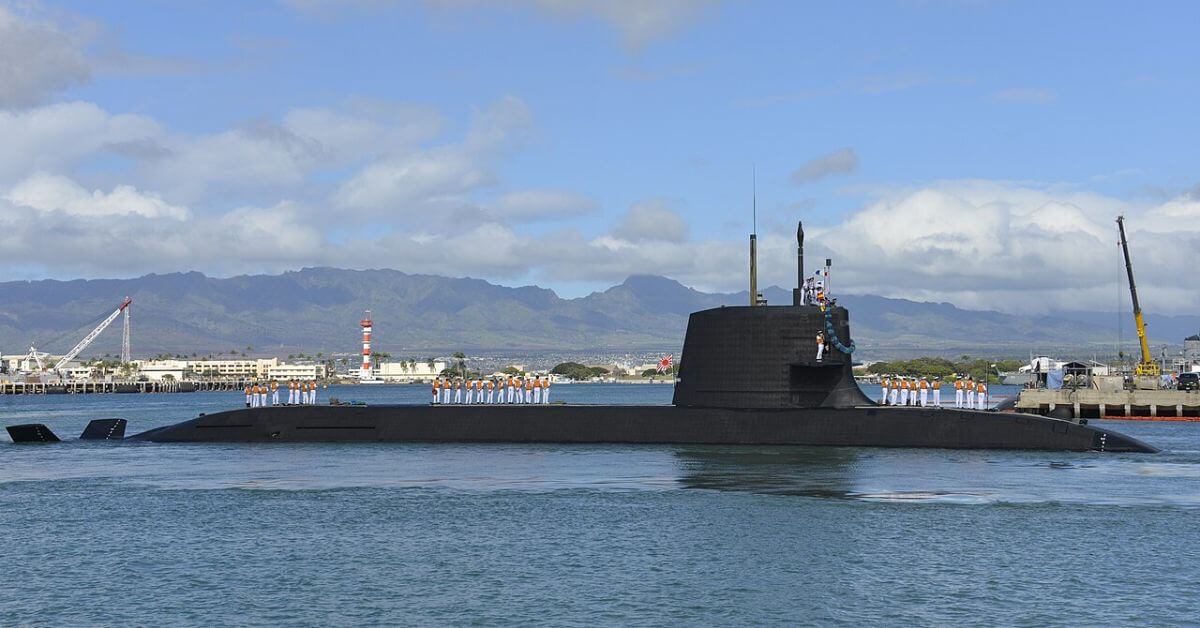
Quantum Sensors on Drones Enhance Underwater Surveillance Capabilities
Quantum sensors mounted on low-cost drones could bring a new layer of precision to underwater surveillance, operating directly from warships near the sea surface. This is practical innovation with measurable impact. The approach pairs validated technology with operational simplicity, strengthening maritime awareness where it matters most. For broader context on regional maritime pressures, our coverage of Gulf of Oman STS transfers offers useful perspective. Understanding drives protection, and this capability moves that principle closer to real-world deployment.

Rising Porpoise Sounds Signal Baltic Sea Population Shift
Acoustic monitoring has detected a measurable rise in porpoise vocalizations across the Baltic, signaling a population shift we cannot ignore. These calibrated, real-time data points offer empirical evidence of changing marine behavior, a clear climate indicator demanding our attention. Understanding drives protection. For deeper context on how such ocean intelligence informs career pathways in marine science, see our related piece, "Navigating a Marine Studies BA: Pathways to a Marine Biology Career."
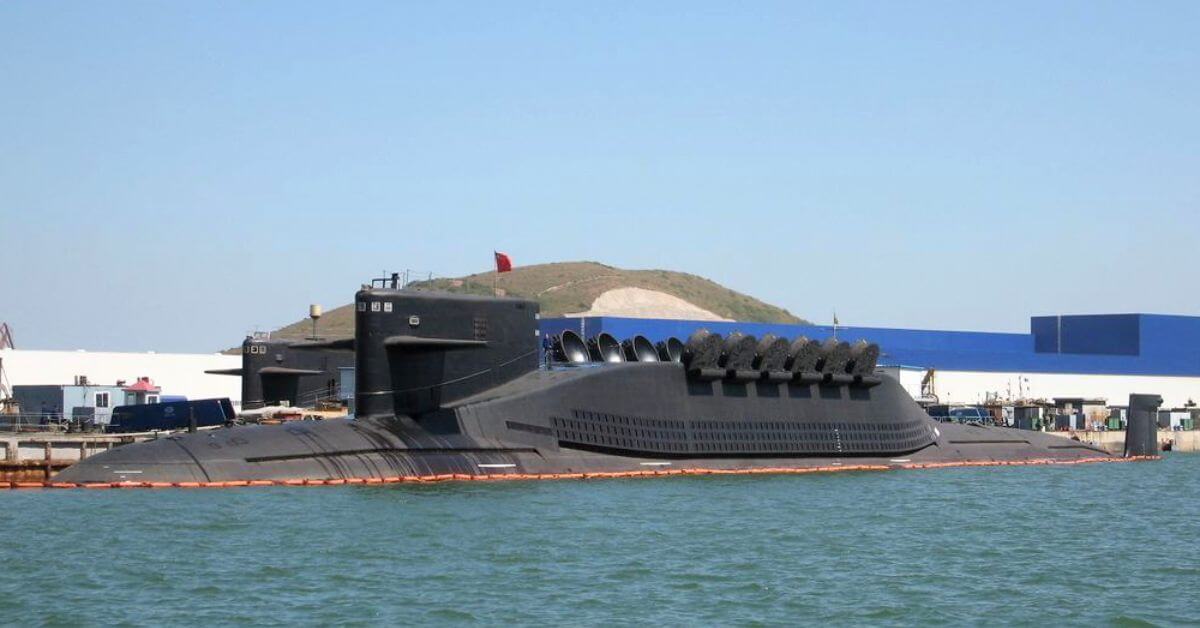
PLAN Integrates Acoustic Mapping for Enhanced Submarine Target Tracking
Acoustic mapping gives the PLAN a measurable edge in submarine target tracking, turning difficult underwater conditions into calibrated, real-time data. This is empirical ocean intelligence applied directly to naval operations. Understanding drives protection, and here, that understanding is acoustic. For broader context on shifting maritime postures, see our coverage of "India Projects Expanded Naval Fleet to Navigate Evolving Maritime Landscape." It is a reminder that ocean stewardship now demands integrated awareness from seabed to surface.
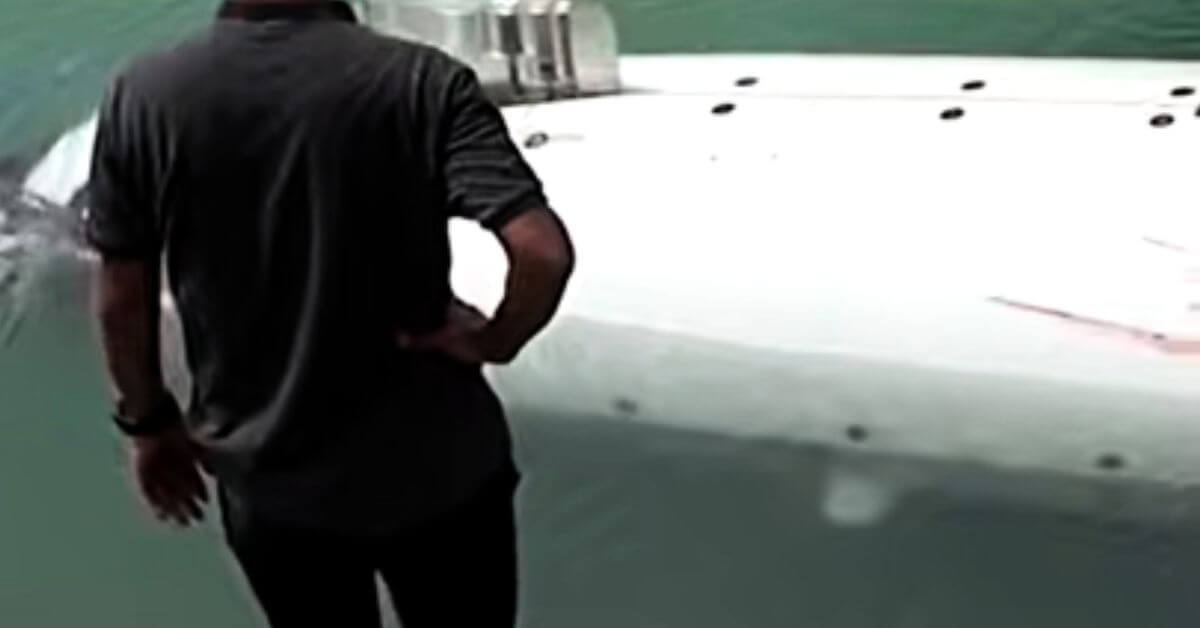
Iranian Forces Recover Advanced U.S. Unmanned Submarine in Hormuz.
Iranian forces have recovered an advanced U.S. unmanned submarine in the Strait of Hormuz, claiming the drone was added to the American fleet in 2025. The IRGC released video footage it says shows the craft. This incident unfolds against a backdrop of heightened maritime tension. For broader context on regional shipping pressures, our coverage of "Phased Negotiations Aim to Ease Restrictions on Strait of Hormuz" examines diplomatic efforts to restore navigation through this critical chokepoint.
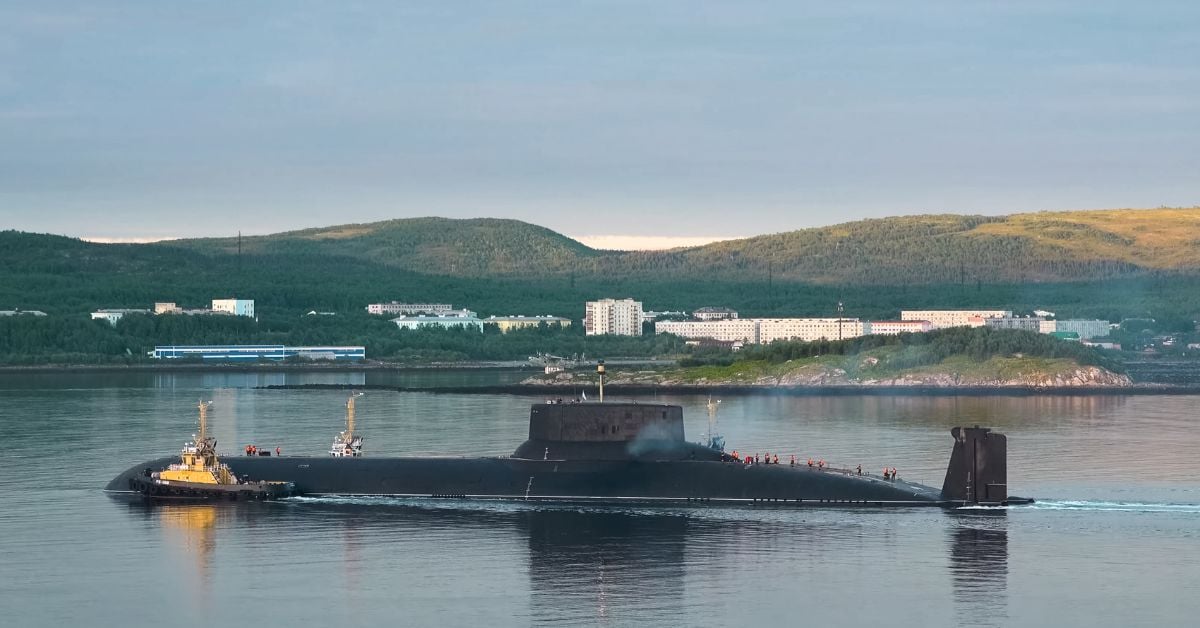
Rising Russian Submarine Activity Demands Enhanced NATO Ocean Intelligence.
A former NATO Commander has flagged the expansion of Russian submarine capabilities as a direct challenge to Atlantic security. This is not a distant concern, it is a measurable shift in naval defence infrastructure demanding calibrated response. Enhanced ocean intelligence, integrating real-time data from seabed to surface, becomes essential. For context, our coverage of the Vostok Project's Arctic oil exports shows how Russia's maritime ambitions extend beyond military posture, linking economic and strategic pressures in the same integrated data ecosystem.
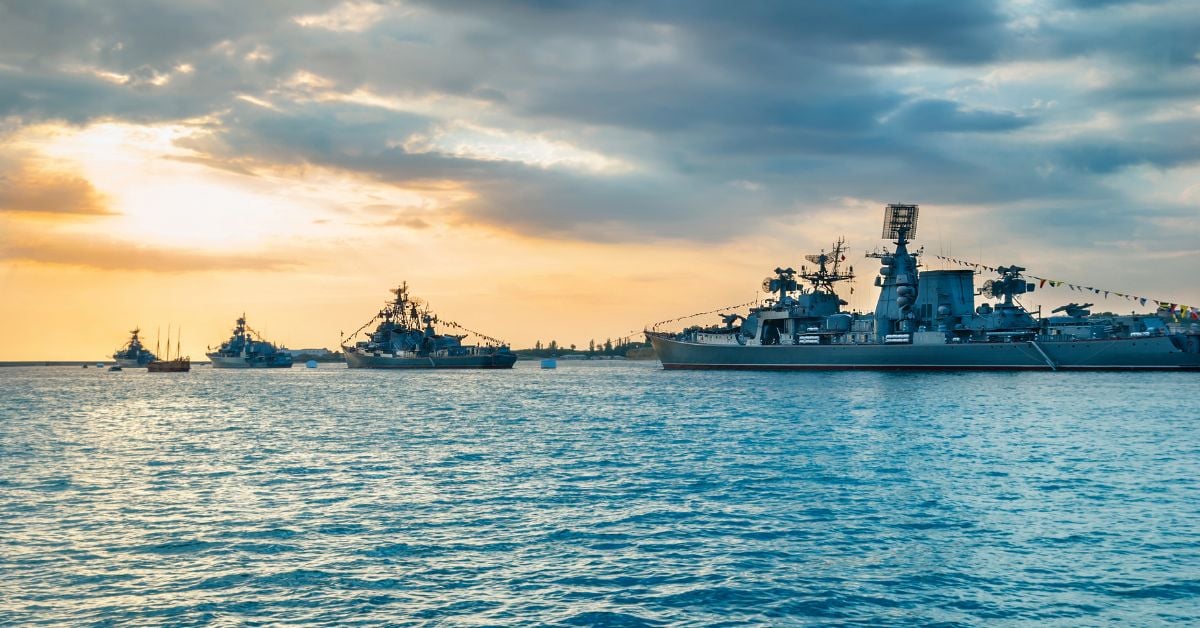
Securing the Strait: Navy SEALs Conduct Covert Mine Clearing Operation
For four months, U.S. Navy SEALs operated in the Strait of Hormuz, clearing naval mines placed by Iran. This covert operation secures a waterway where geopolitical tension meets global energy flow. Measurable, empirical action, not rhetoric, protects maritime stability. It is the kind of calibrated, real-world intervention that underscores why integrated ocean intelligence matters. For deeper context on regional pressures, see our coverage of how Gulf of Oman STS transfers have maxed out amid rising Saudi oil exports.
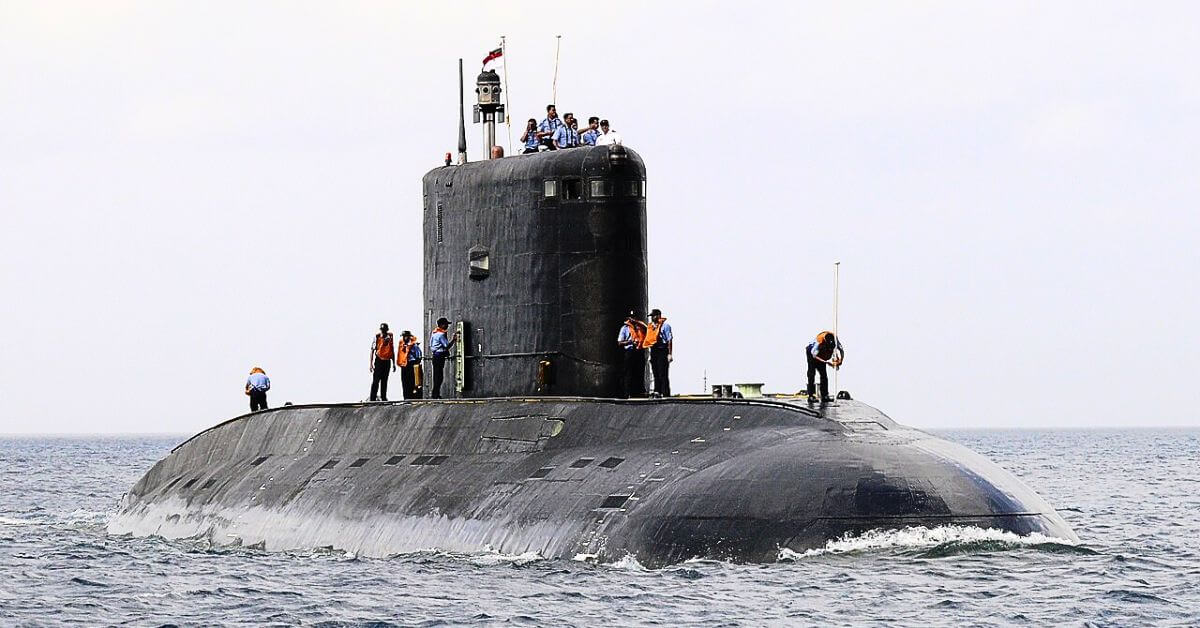
India Considers Refurbished Kilo Submarines Amidst Fleet Modernization
Russia's offer of three refurbished Kilo-class submarines to India arrives at a moment when fleet modernization is no longer optional. The boats, fitted with newer weapons, extend a practical path to capacity without the timelines of new construction. It is a measured proposal, and one worth examining closely. For readers tracking regional naval momentum, our coverage of India's projected 230-ship fleet in "India Projects Expanded Naval Fleet to Navigate Evolving Maritime Landscape" provides useful context. Pragmatism, not sentiment, should guide this decision.

Aegir Sonar: AI-Powered Maritime Security for Enhanced Underwater Intelligence
The Aegir range answers a clear operational need: sonar systems designed for precise, real-time underwater awareness. This is not about novelty; it is about calibrated, measurable capability when maritime domain awareness is most demanding. The intelligence is practical and immediate. For broader geopolitical context on why such capabilities matter now, our coverage of the Strait of Hormuz shipping lane discussions offers a relevant perspective. Aegir provides the empirical tool for a complex reality.

Indigenous Design Bolsters Indian Navy’s Anti-Submarine Warfare Capabilities
INS Mangrol, with over 80 percent indigenous content, signals a practical stride in India's naval self-reliance. Designed and built by Cochin Shipyard, this anti-submarine warfare vessel proves that domestic capability can meet complex operational demands. We see this as measured progress, not hype. It aligns with the broader push for an expanded fleet, a topic we explore in "India Projects Expanded Naval Fleet to Navigate Evolving Maritime Landscape." Strengthening local design now builds a more resilient maritime future.

Autonomous Vehicle Launches Payload Underwater, Marking a Technological Advance.
A submerged payload launch is a hard problem, and Raytheon and Composite Energy Technologies just demonstrated it with the HADALUS unmanned undersea vehicle. The test proves that autonomous platforms can handle complex, high-stakes operations below the surface without direct human control. That is a meaningful step for undersea warfare, where reliability is everything. For readers tracking broader progress, our coverage of the Navy's new integration center for autonomous systems offers useful context on where this technology is headed.
Mapping Kelp Biomass: New Sonar Tech Streamlines Offshore Aquaculture Monitoring
Sonar has long proven its value in fisheries, yet its application to commercial kelp farming has remained largely unexplored. That gap now closes with a method that transforms side scan sonar observations into reliable estimates of kelp height and standing biomass. By applying geometric principles to each farm line, the approach delivers validated results from an offshore installation near Santa Barbara. This is practical ocean intelligence, reducing labor and cost while supporting informed decisions at scale.

Strengthening Maritime Security: INS Malvan Joins Indian Ocean Patrol.
The Indian Navy's commissioning of INS Malvan marks a measured step in strengthening shallow-water anti-submarine defense, a domain where vigilance is non-negotiable. As the second Mahe-class vessel to join the fleet, it adds calibrated capability where littoral challenges demand precision. This is not flashy hardware; it is integrated, purpose-built presence. For readers tracking regional security shifts, the adjacent piece on India's expanded naval fleet by 2040 frames the longer arc. Here, the immediate gain is quieter waters, achieved through persistent, validated patrol.