Oman Evacuates 16 Crew From Saudi Oil Tanker Attacked By Iran In Strait Of Hormuz
Our take
The recent attack on a Saudi oil tanker in the Strait of Hormuz, resulting in the tragic loss of two lives and the evacuation of 16 crew members by Omani authorities, underscores a concerning escalation of tensions in a vital global maritime chokepoint. This incident, following closely on the heels of Iran’s announcement of testing a new anti-ship missile over a U.S. Navy warship [Iran Says New Anti-Ship Missile Was Tested Over US Navy Warship As Strait Of Hormuz Tensions Rise], highlights the fragility of maritime security in the region and the potential for further disruptions to global energy supply chains. The Strait of Hormuz, through which a significant portion of the world’s oil transits, is inherently vulnerable to geopolitical instability, and this latest event serves as a stark reminder of the risks involved. The incident also follows a recent, albeit positive, development with a Qatar LNG tanker successfully navigating the strait [Qatar LNG Tanker Sails Through Strait Of Hormuz For First Time Since July], demonstrating the complex and fluctuating nature of maritime traffic and security concerns in the area.
The broader implications extend beyond immediate concerns about shipping safety. The attack directly impacts the already strained relationship between Saudi Arabia and Iran, and inevitably draws in the involvement of other global powers with strategic interests in the region, including the United States. The escalating rhetoric and actions from Iran, coupled with ongoing disruptions to global trade routes due to factors like the Panama Canal’s reduced capacity [Panama Canal Squeezes Daily Capacity To 29 Ships, Threatening Global Supply Chains], create a complex interplay of challenges that demand careful analysis. The loss of life is a tragedy, and the disruption to shipping lanes will have measurable economic consequences. Beyond the immediate impact on oil prices, this incident contributes to a broader climate of uncertainty that can discourage investment and impede international trade. The calibrated response from involved nations will be critical in preventing further escalation and mitigating the potential for a wider conflict.
From a data perspective, events like these necessitate real-time monitoring and integrated data ecosystems capable of assessing risk and predicting potential disruptions. Longitudinal data on maritime traffic patterns, geopolitical events, and climate indicators—such as those impacted by drought conditions affecting the Panama Canal—are essential for informed decision-making. Ocean intelligence derived from validated empirical data can provide policymakers and shipping companies with the tools to anticipate and mitigate risks, optimize routes, and ensure the safety of maritime operations. The ability to integrate satellite imagery, vessel tracking data, and open-source intelligence is paramount in creating a comprehensive picture of the evolving situation. Peer-reviewed research on maritime security and conflict resolution, combined with advanced analytics, can contribute to a deeper understanding of the underlying drivers of instability and inform strategies for de-escalation.
Looking ahead, the question becomes: how will international actors respond to this incident and what mechanisms can be implemented to enhance maritime security in the Strait of Hormuz? The potential for further attacks or disruptions remains a significant concern, and proactive measures, including enhanced surveillance, diplomatic engagement, and collaborative security initiatives, are crucial. It is imperative to move beyond reactive responses and invest in robust, data-driven systems that can provide early warnings and facilitate coordinated action. The long-term stability of global energy markets, and the health of the global economy, may well depend on our collective ability to foster a more secure and predictable maritime environment.
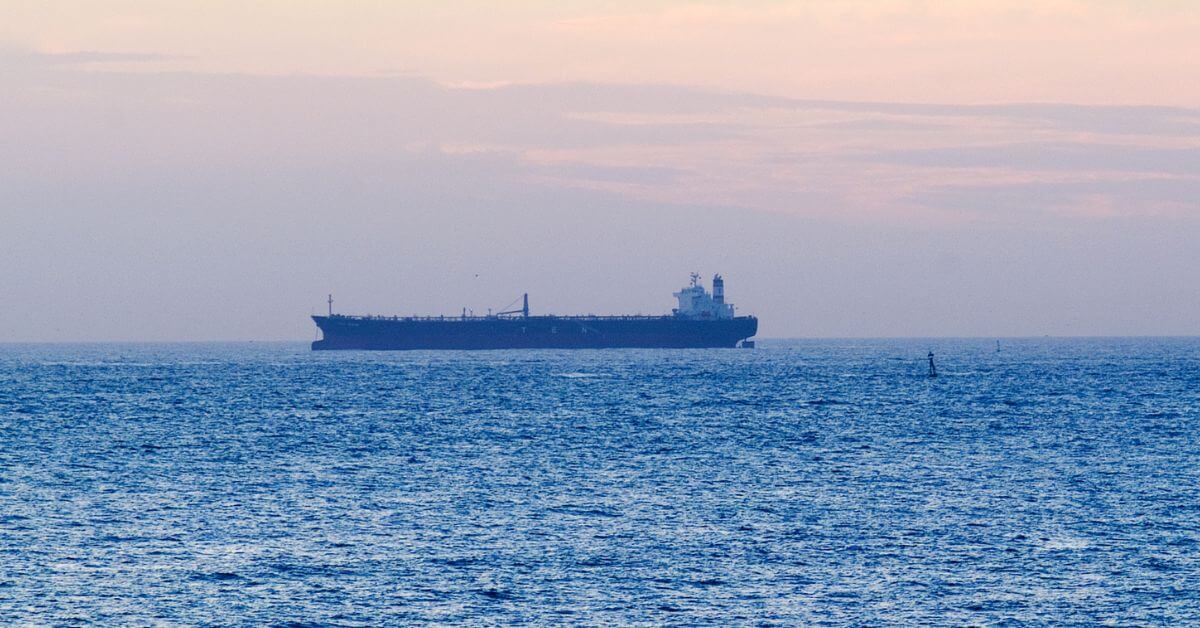
Oman has evacuated 16 crew members from the Saudi-flagged oil tanker SIDR after the vessel was attacked near the Strait of Hormuz.
The Maritime Security Centre said on Monday that a Royal Navy of Oman vessel provided logistical support to the tanker after it was hit by a projectile.
The tanker was struck about two nautical miles northwest of Musandam, Oman said.
The Omani vessel provided support to the tanker’s 25 crew members and gave medical care to those evacuated.
Two crew members were killed in the attack. Saudi Arabia’s national shipping company Bahri said last week that the two sailors who died were Filipino.
The SIDR was one of two supertankers carrying Saudi oil that were hit while passing through the Strait of Hormuz last Monday.
Oman said it had now completed its rescue and support operation for the tanker.
Earlier information said seven crew members were unaccounted for. Their status was not immediately known.
The SIDR is owned by Bahri, Saudi Arabia’s national shipping company.
The attack happened during fighting between Iran and the United States.
According to the information available, Iran has been disrupting traffic through the Strait of Hormuz, while the United States has continued a counter-blockade of Iranian ports.
Oman did not provide further details about the condition of those crew members, the damage to the tanker or what would happen to the vessel next.
About Bahri
References: telegraphindia, iranintl
Read on the original site
Open the publisher's page for the full experience