rescue operation
World Data Ocean keeps rescue operation in one place: 12 stories so far. The section currently leads with “Engine Failure in Bosphorus Halts Traffic as 6,000-Ton Tanker Drifts Toward Shore”, “Coordinated response enables medical evacuation in Andaman Sea transit”, and “Two Killed as Corn Freighter Sinks in Black Sea After Drone Strike”. A 6,000-ton chemical tanker drifting toward shore in the Bosphorus is a stark reminder of how fragile maritime safety can be. A coordinated response turned hours of uncertainty into a single, precise operation. A Global Hub for Ocean Intelligence 4 World Data Ocean is a centralized digital platform where researchers, scientists, and ocean enthusiasts converge to… The list below is every rescue operation story on World Data Ocean, newest first.
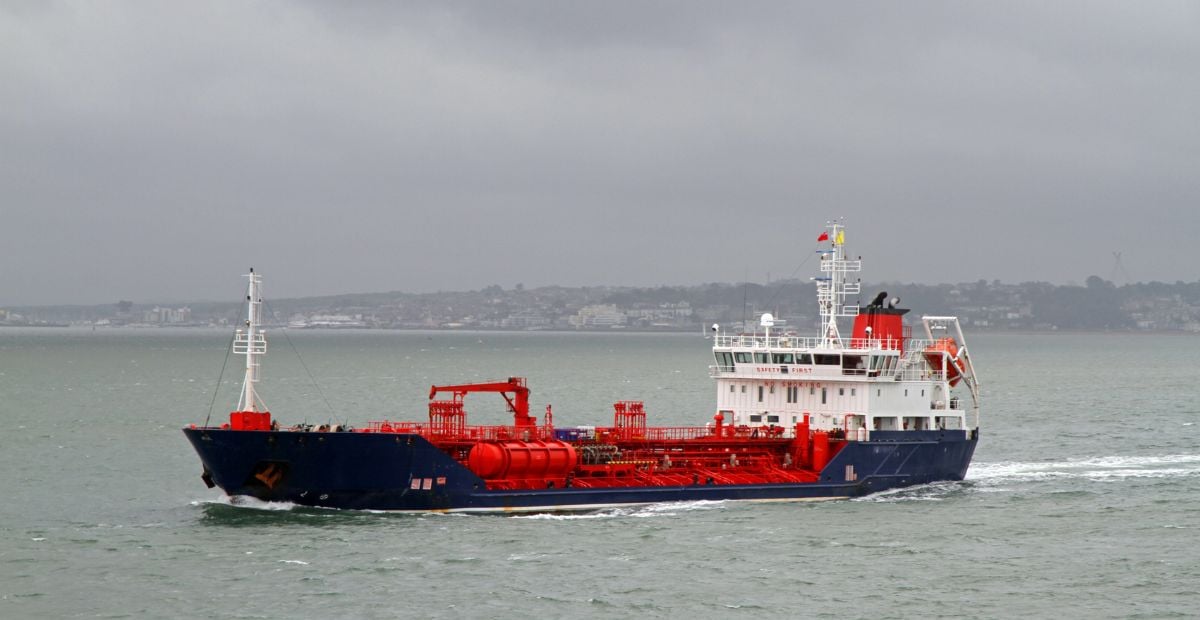
Engine Failure in Bosphorus Halts Traffic as 6,000-Ton Tanker Drifts Toward Shore
A 6,000-ton chemical tanker drifting toward shore in the Bosphorus is a stark reminder of how fragile maritime safety can be. The IVYAN's engine failure halted one of the world's busiest straits, demanding immediate coordination from local authorities. These incidents underscore why integrated monitoring and real-time data are essential for navigational security. For context on regional risks, see our coverage of the drone-struck abandoned cargo ship drifting through the Black Sea toward Bulgaria.
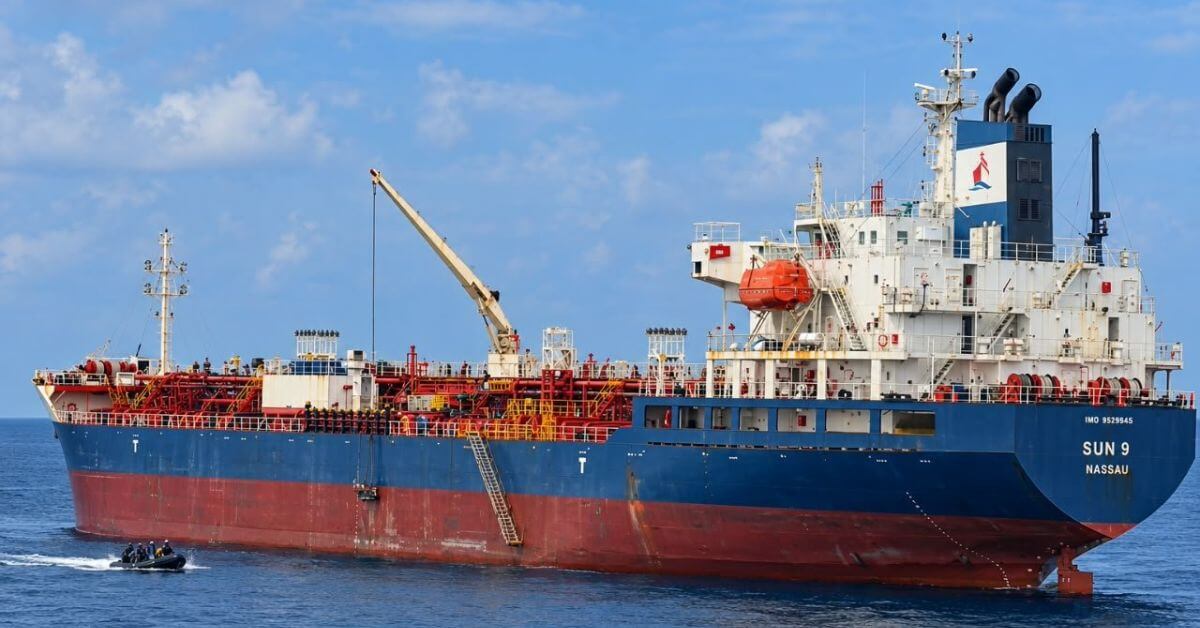
Coordinated response enables medical evacuation in Andaman Sea transit
A coordinated response turned hours of uncertainty into a single, precise operation. The Indian Navy evacuated an injured Vietnamese citizen from the merchant ship MT Sun 09 during transit in the Andaman Sea. This is what integrated maritime capability looks like: validated protocols, real-time decision-making, and a shared commitment to safety across international waters. Understanding drives protection. For deeper coverage on maritime security, see our report on delayed confirmations of five IRGC vessel incidents in the Strait of Hormuz.
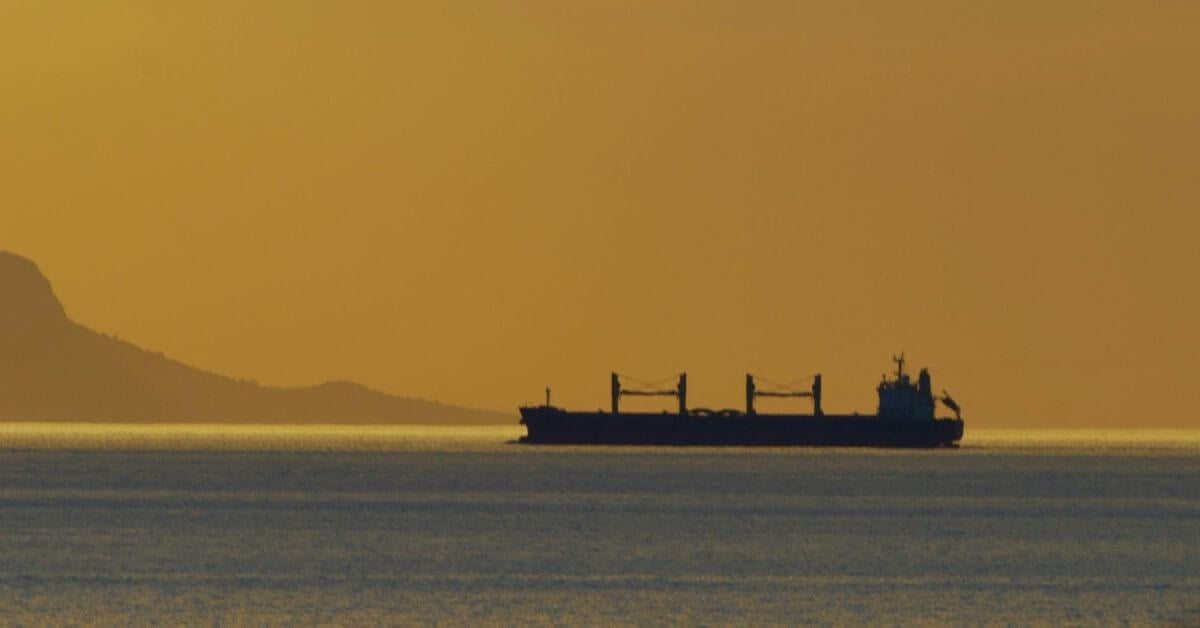
Two Killed as Corn Freighter Sinks in Black Sea After Drone Strike
A Turkish-owned corn freighter has sunk in the Black Sea following a drone strike, killing two crew members and leaving 11 others rescued. The incident marks another sharp reminder that commercial shipping routes now sit directly in the path of regional conflict. Maritime safety is no longer just about weather and navigation; it is about geopolitical risk. For deeper context on how such disruptions are reshaping Baltic traffic, see our coverage of the Gulf of Finland vessel detention.
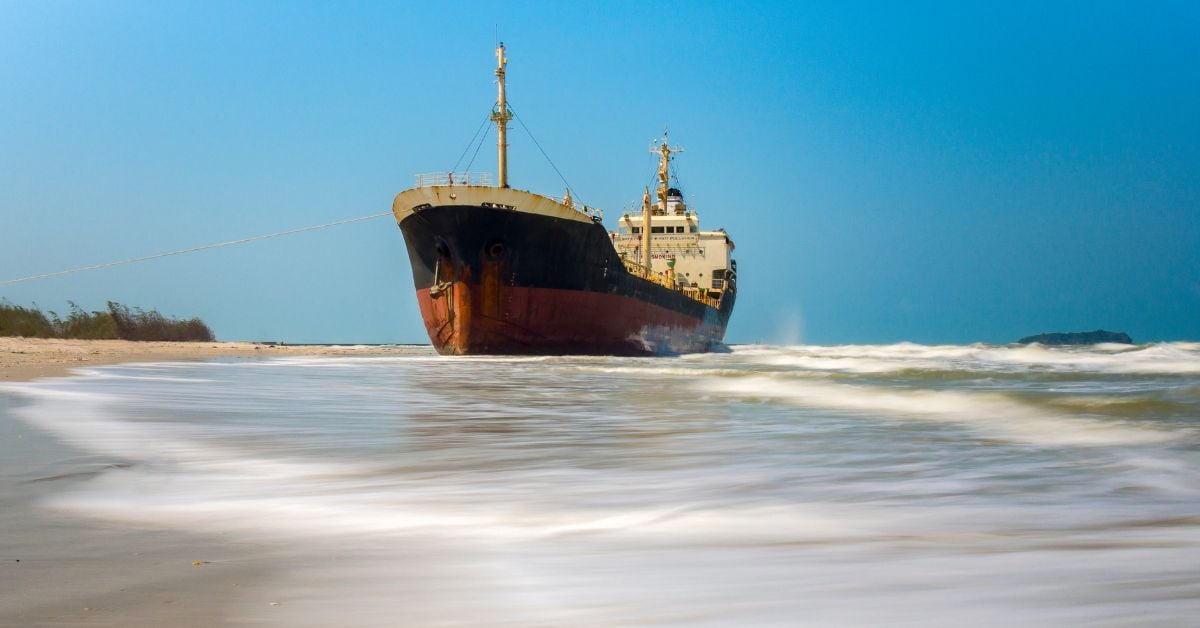
Tragic incident off Manori highlights risks of unregulated vessel access
Four thieves lost their lives off Manori while attempting to steal copper pipes from an unmanned grounded tanker. This is not a statistic, it is a preventable tragedy born from unregulated vessel access. When ships sit abandoned in coastal waters, they become hazards: environmental, navigational, and now, fatal. These deaths underscore a systemic failure in maritime security protocols. For deeper context on vessel groundings and coordinated rescue responses, see our coverage of the *Coast Guard Response Validates Real-Time Rescue Coordination Off Odisha*.

Tragedy on Lake Tanganyika: 41 Dead in Congolese Vessel Sinking
The sinking of a vessel on Lake Tanganyika, claiming 41 lives among roughly 100 passengers and cargo, is a stark reminder of the fragility inherent in regional transport. The loss is profound, and our focus must remain on the human cost and the need for validated safety measures. This incident underscores the urgency of integrated data ecosystems for maritime risk, much like the connectivity advances seen in our coverage of integrated subsea cables enhancing data transmission. Every loss demands we calibrate our commitment to prevention.
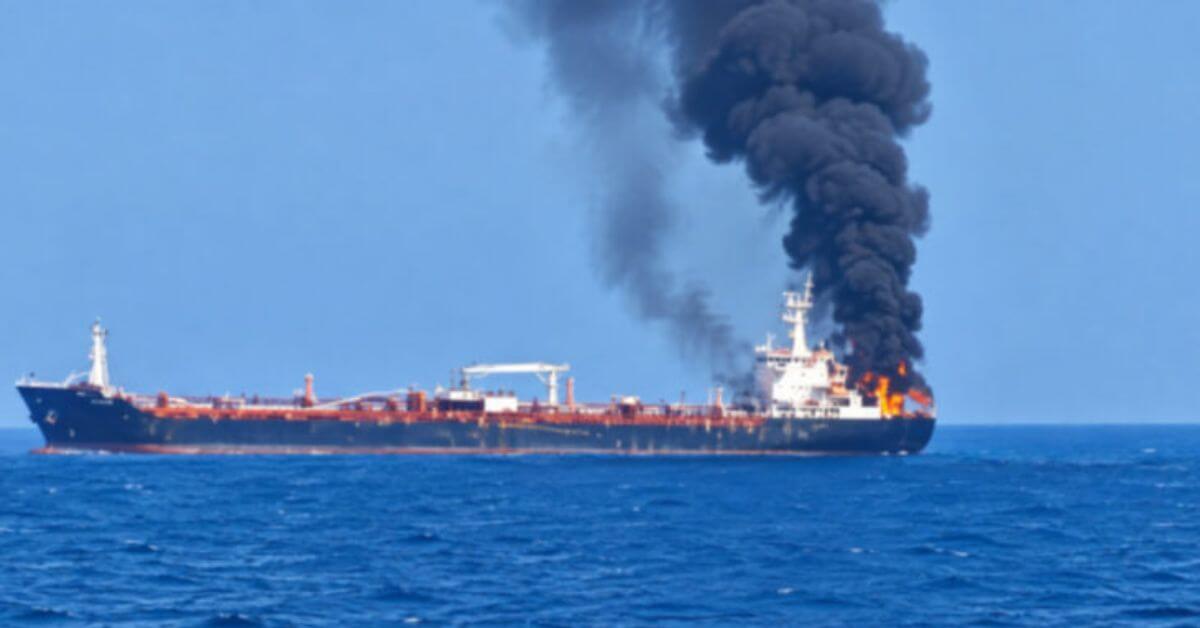
Seafarer Missing After Ship Attack Near Oman Coast; Thirteen Rescued
One Indian seafarer remains missing after an attack on a vessel near the Oman coast, while thirteen crew members have been rescued, India's Ministry of External Affairs confirmed. The incident underscores the persistent volatility of regional waters, where commercial traffic proceeds under tangible risk. Search efforts continue, though the outcome remains uncertain. For broader context on maritime pressure points, our related coverage of Gulf of Oman STS transfers offers useful perspective on the strategic strains shaping this corridor.
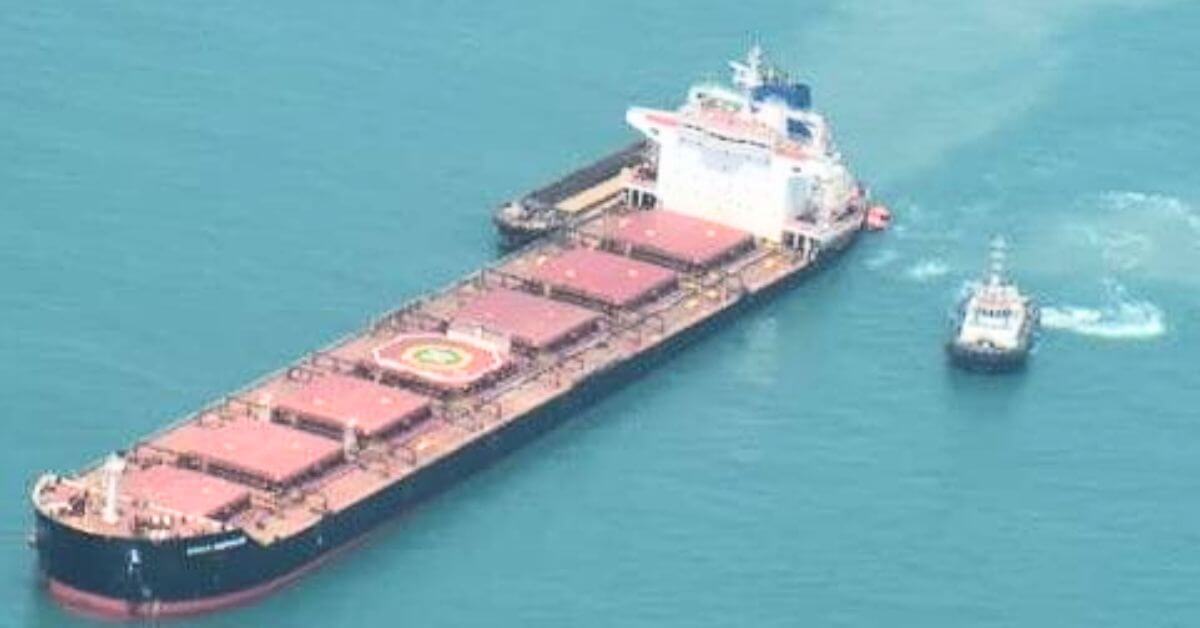
Crew Rescued After Merchant Ship Collision Near India’s Coast.
A collision off India's coast forced the evacuation of 21 crew members from the merchant vessel MV KMAX EMPEROR. The Coast Guard's rapid response prevented a greater crisis, but this incident underscores the persistent risks in busy shipping lanes. Maritime safety demands continuous vigilance, not just reaction. For deeper context on related maritime emergencies, read our coverage of the cargo ship fire near Mykonos, each event reminds us that ocean intelligence must extend to human safety at sea.
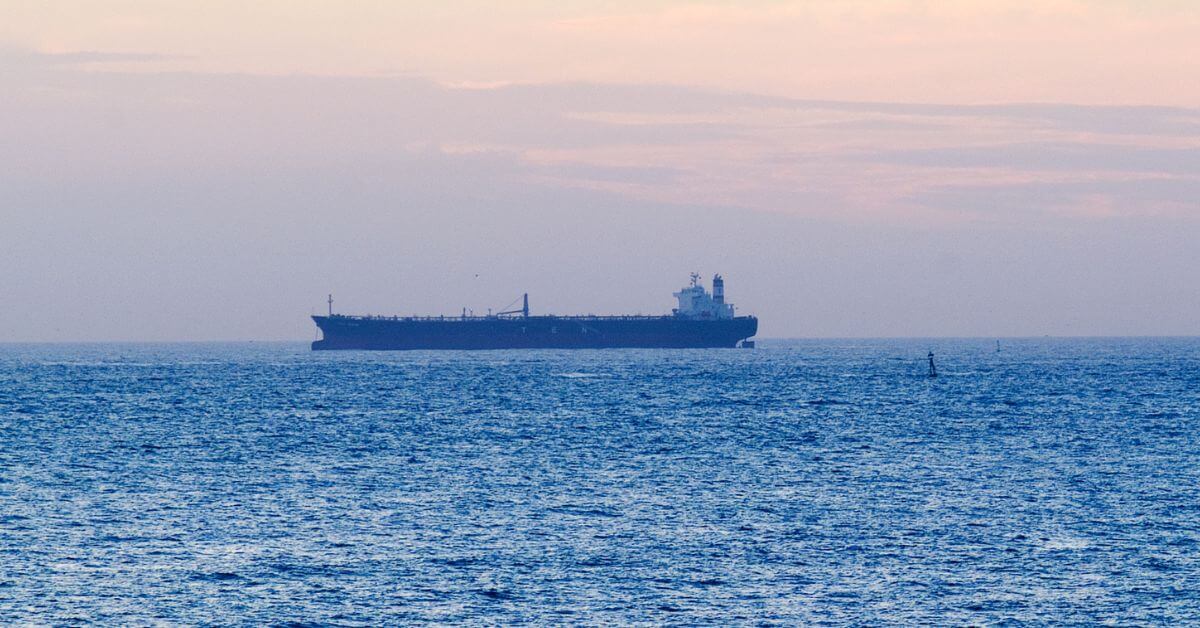
Strait of Hormuz Attack: Incident Highlights Regional Maritime Risks
Two Filipino crew members were killed in the attack on a Bahri vessel near the Strait of Hormuz. This is not an isolated incident; it is a measurable data point in a region where maritime risks are escalating. The human cost is validated by empirical reports from Saudi Arabia's shipping company. Understanding these threats drives protection of global trade routes. For deeper context, our article "Gulf of Oman STS Transfers Max Out Amid Rising Saudi Oil Exports" examines related capacity pressures.
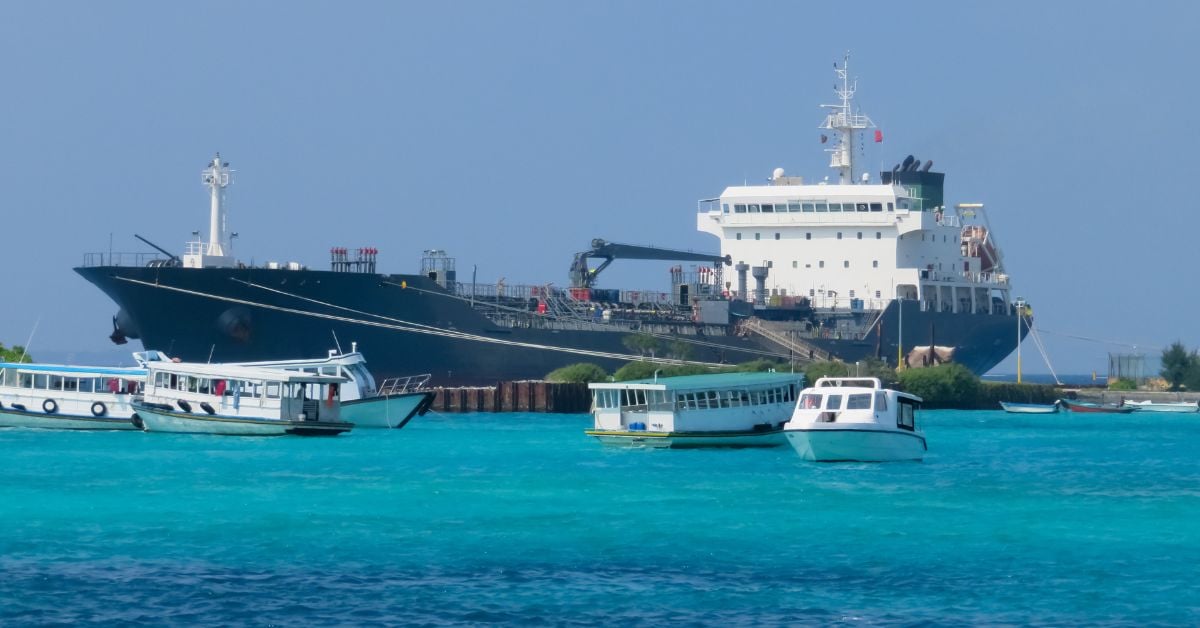
Chemical Spill and Fire Result in Fatal Loss at Sea Near Sulawesi
A chemical spill and fire aboard a ship off Indonesia's southeast Sulawesi province has resulted in the deaths of two crew members, a stark reminder that the sea's perils extend beyond weather and navigation. The vessel, carrying chemicals and equipment, turned deadly in moments. Each incident like this, whether it is a fatal attack near Oman or a sinking transport, underscores the same truth: operational safety remains a fragile line. We cover these losses because understanding them is the first step toward prevention.
Cargo Ship Sinks Rapidly in Sea of Marmara Collision.
In the Sea of Marmara, a cargo ship carrying 4,200 tonnes of rolled steel sank in just 11 minutes after colliding with an empty chemical tanker. The speed of the loss is a stark reminder of how quickly maritime emergencies can escalate. Rapid response remains critical, yet this incident underscores the need for continuous scrutiny of vessel traffic and navigation protocols.

Bulk Carrier Sinks in Bay of Bengal; 22 Seafarers Missing.
A bulk carrier carrying 72,000 tonnes of iron ore from India's Paradip Port to China has sunk in the Bay of Bengal, leaving 22 seafarers missing. The loss is a stark reminder that maritime routes, however routine, remain exposed to sudden catastrophe. Search efforts continue, but each hour narrows the window for survival. Such incidents underscore why real-time data and integrated ocean intelligence matter, not as abstract concepts, but as tools that can guide safer passage.

Neighbors Bridge Divide: India's Rescue Highlights Shared Regional Interests.
When India and China frame themselves as important neighbours at a critical stage of development and rejuvenation, the resonance is immediate. This is not diplomatic posturing; it is a recognition of shared weight. The recent rescue operation underscores that regional stability is a collective endeavour, not a solitary one. We see a pragmatic alignment of interests here, where practical cooperation on the high seas speaks louder than any summit rhetoric.