Oil Slick Detected Off Yemen Coast Linked To Ship-to-Ship Transfers
Our take

The recent detection of a significant oil slick off the coast of Yemen, linked to ship-to-ship (STS) transfer operations, underscores a persistent and escalating challenge to ocean health and regional stability. This incident, while geographically specific, reflects a broader pattern of environmental negligence within the maritime industry, particularly in areas with complex geopolitical landscapes. The potential impacts are far-reaching, threatening marine ecosystems, coastal communities, and the livelihoods dependent on those waters. The scale of the slick and the ongoing nature of STS transfers in the region necessitate a rigorous, validated assessment of the long-term ecological consequences. It’s a situation that echoes concerns previously raised about microparticle ingestion by the endangered marine otter Microparticle ingestion by the endangered marine otter (Lontra felina) in a human-impacted coastal ecosystem, demonstrating how seemingly isolated incidents contribute to a pervasive pattern of marine pollution. Further complicating matters, the region’s history of maritime insecurity, as evidenced by recent events involving piracy 14 Pirates Killed By Turkish Navy & Somalia’s Armed Forces In 10-Day Operation To Free Hijacked Vessel MV LUTUF, creates a challenging environment for effective monitoring and response efforts.
STS transfers, while often presented as a means to optimize shipping logistics and reduce congestion in major ports, inherently carry elevated environmental risks. These operations, frequently conducted in open water locations sometimes lacking robust oversight, are susceptible to spills and leaks, particularly when weather conditions are adverse or safety protocols are inadequate. The lack of transparency surrounding the specifics of these transfers – including the types of oil involved and the adherence to international safety standards – hinders the ability to accurately assess the risk and implement preventative measures. The current situation highlights the urgent need for enhanced, real-time monitoring capabilities and improved enforcement of regulations governing STS operations. Integrated data ecosystems, leveraging satellite imagery and sensor networks, are critical for detecting and tracking pollution events rapidly and providing actionable intelligence to response teams. The scale of the potential damage also necessitates collaborative efforts between regional stakeholders and international organizations to ensure a coordinated and effective response.
The consequences extend beyond the immediate environmental damage. Coastal communities in Yemen, already grappling with humanitarian crises and economic instability, rely heavily on fishing and aquaculture. A prolonged oil spill could decimate fish stocks, contaminate coastal resources, and disrupt essential food security, exacerbating existing vulnerabilities. Furthermore, the economic impact on the shipping industry itself, due to potential cleanup costs, reputational damage, and legal liabilities, could be substantial. The incident serves as a stark reminder of the interconnectedness of economic activity, environmental health, and social well-being. While the cruise industry might seem distant from this specific event, the incident reinforces the need for all maritime sectors to prioritize environmental stewardship and adopt sustainable practices, as demonstrated by even seemingly unrelated developments like the launch of China’s second cruise-to-nowhere service Tianjin Launches China’s Second Cruise-to-Nowhere Service, which raises questions about the environmental impact of increased maritime tourism.
Ultimately, the oil slick off Yemen’s coast is a symptom of a broader systemic issue: the persistent imbalance between economic expediency and environmental protection in the maritime sector. Validated, longitudinal data on the frequency and severity of STS-related incidents are crucial for informing policy decisions and driving meaningful change. Moving forward, a calibrated approach, integrating technological innovation with robust regulatory frameworks and international cooperation, is essential to mitigate these risks. The question remains: will the international community prioritize the development and implementation of comprehensive ocean intelligence systems and enforcement mechanisms to prevent future ecological disasters, or will we continue to react to crises rather than proactively safeguarding our shared marine resources?
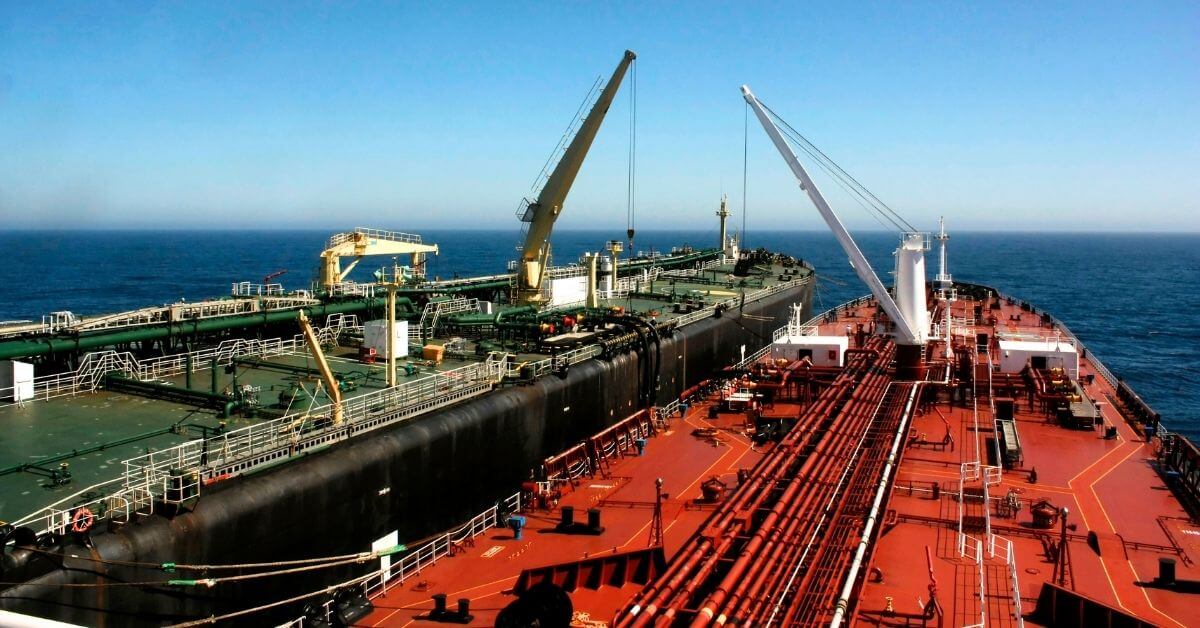
A large oil slick has been seen off Yemen’s Hodeidah coast, in an area where oil is transferred between ships before being taken to the Houthi-controlled ports of Ras Isa and Saleef.
Satellite images taken in recent weeks show oil patches near Uqban and Al-Badi’ah islands. A large slick was seen north of Al-Badi’ah on August 19.
Farouq Al-Kamali, an expert in information verification and artificial intelligence, said the area is used for ship-to-ship oil transfers off Yemen’s western coast.
He said the slicks are likely linked to the transfers, which involve tankers and other vessels carrying oil to Ras Isa and Saleef.
Al-Kamali also pointed to the use of “dark vessels” in the area. These are tankers that turn off their tracking signals at sea, making them harder to track.
Tracking data showed that some tankers carrying Russian crude oil had travelled from the Mediterranean Sea before their signals disappeared as they approached the Hodeidah coast, Al-Kamali said.
On August 29, three dark tankers were seen transferring Russian crude oil to other vessels near Ras Isa port, he said.
The repeated appearance of oil slicks in the area has added to concerns about the environmental impact of the ship-to-ship transfers.
The pollution could affect marine life, coastal areas and fishermen who depend on the waters for their livelihoods.
There is no information about an official investigation into the cause of the slicks or any cleanup operation.
Ras Isa and Saleef Port
Ras Isa and Saleef are two important ports on Yemen’s western coast in Hodeidah Governorate.
Both are under Houthi control and are used to receive oil brought in through ship-to-ship transfers at sea.
The ports are located along Yemen’s Red Sea coast, close to the waters where oil slicks have recently been reported.
References: khabaragency, yementdy
Read on the original site
Open the publisher's page for the full experience