environmental impact
environmental impact at World Data Ocean is a file of 30 stories. The newest of them: “Protest Halts Offshore Gas Project as Ocean Stewardship Faces Test”, “Validating Ultrasound as a Cost-Effective, Eco-Friendly Antifouling Method”, and “Global livestock data reveals 80 billion land animals harvested annually”. Two Greenpeace activists were arrested and charged with interfering with offshore petroleum operations, placing ocean stewardship at a critical juncture. The core question underpinning this Swedish PhD research isn't whether ultrasound can shake barnacles off a hull, it's whether that vibration is a net gain for the ocean. A Global Hub for Ocean Intelligence 4 World Data Ocean is a centralized digital platform where researchers, scientists, and ocean enthusiasts converge to… The list below is every environmental impact story on World Data Ocean, newest first.
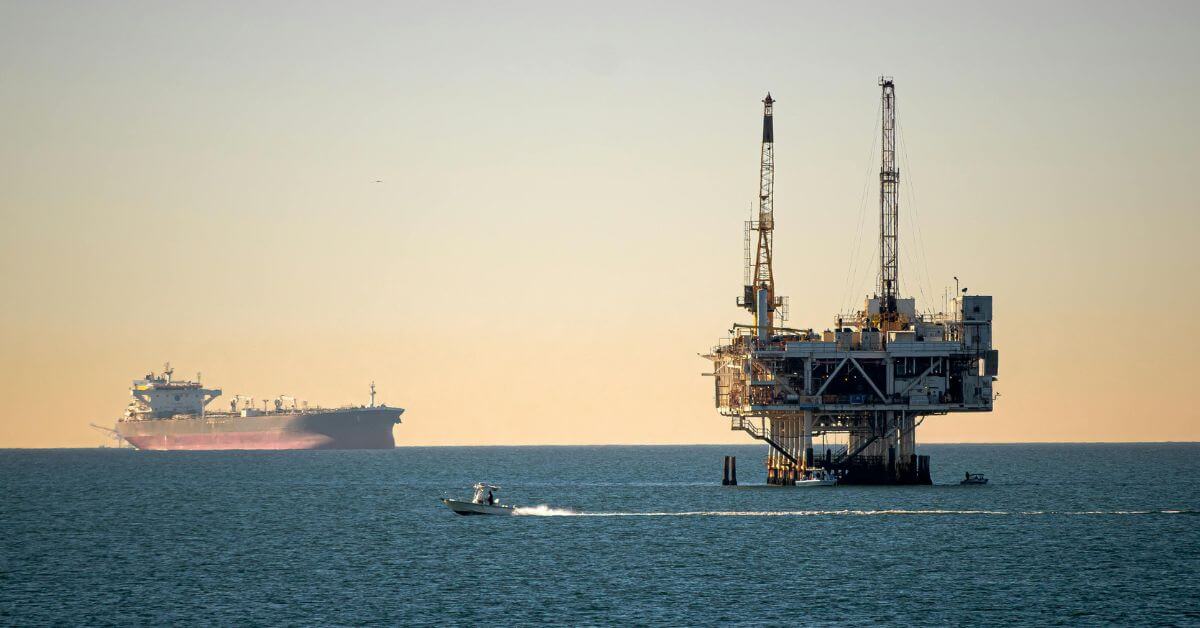
Protest Halts Offshore Gas Project as Ocean Stewardship Faces Test
Two Greenpeace activists were arrested and charged with interfering with offshore petroleum operations, placing ocean stewardship at a critical juncture. This protest halts a gas project, testing how we balance energy demands with measurable ecological responsibility. Understanding drives protection, yet real-time accountability remains elusive. For deeper context on environmental shifts, see our coverage of the Alaska landslide and glacier retreat that produced a measured tsunami 1,580 feet high. The ocean demands our integrated vigilance, not just our reactions.
Validating Ultrasound as a Cost-Effective, Eco-Friendly Antifouling Method
The core question underpinning this Swedish PhD research isn't whether ultrasound can shake barnacles off a hull, it's whether that vibration is a net gain for the ocean. Validating antifouling requires more than lab efficacy; it demands a full lifecycle audit of energy costs, ecological noise pollution, and species-specific impacts. A rising population of sea lions observed off La Jolla Cove reminds us that marine life is already under acoustic and chemical stress. We need empirical data before calling this a green alternative.
Global livestock data reveals 80 billion land animals harvested annually
Eighty billion land animals are slaughtered for meat every year, a figure so large it resists comprehension. This is not an abstraction; it is the measurable, annual output of a global food system operating at industrial scale. These numbers demand our attention, not for shock, but for the empirical clarity they provide. Understanding drives protection. For deeper context on how demographic shifts reshape demand, see our related coverage on the aging global population.
Tracking 350 million tons of annual plastic waste to its ocean sink
350 million tonnes of plastic waste enters the global system each year, but where does it finally settle? Tracking this debris to its ocean sink requires calibrated, real-time data, the kind of integrated ocean intelligence that reveals the measurable impact of human activity. Understanding this pathway is protection in action. For deeper context on how we validate such environmental signals, see our related coverage of measured sea level rise validated across decades of ocean data.

From market to marine ecosystem understanding illegal specimen harvesting
A seashell bought on a Bulgarian trip turns out to be a potential piece of illegal wildlife trade. The buyer, now concerned their souvenir was harvested live, asks how to make amends. This is a moment where personal responsibility meets a larger, often unseen, ecosystem threat. The question isn't just about one shell; it's about the pathways that move marine life from reef to market.
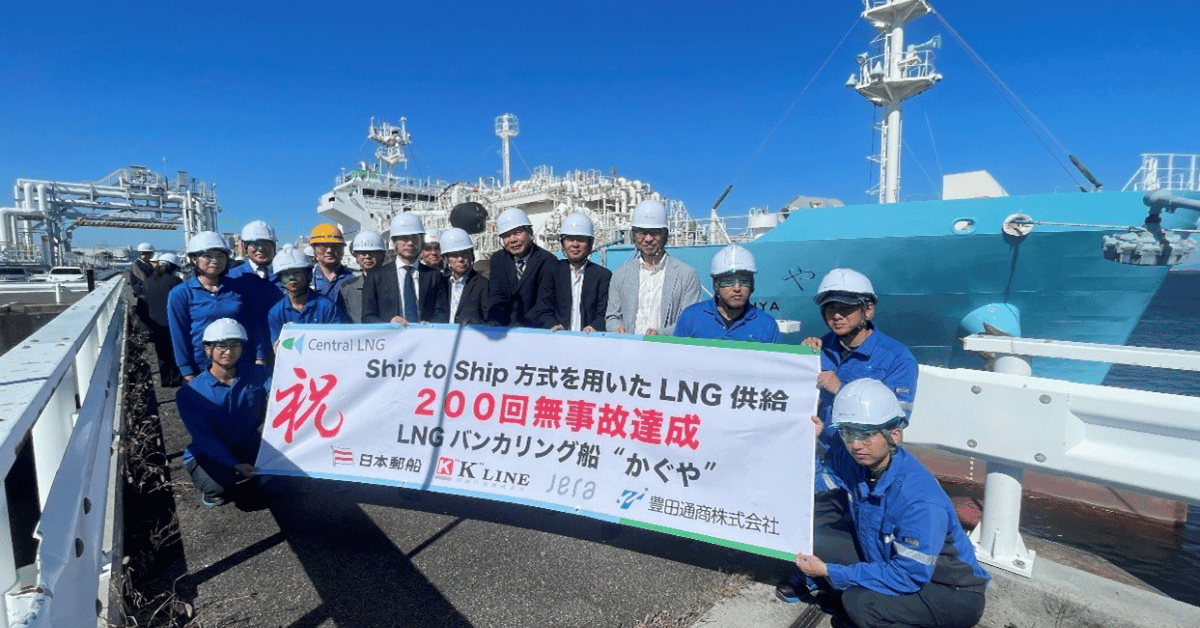
Two Hundred Clean Fuel Transfers, Zero Incidents for KAGUYA
Two hundred ship-to-ship LNG transfers. Zero incidents. KAGUYA, the dedicated bunkering vessel, has reached a milestone that speaks in the quiet language of operational discipline: consistency over time. Since 2020, every calibrated connection has held, every transfer validated. This is what measurable progress looks like in maritime decarbonization. For those tracking ocean intelligence, this record is a climate indicator worth watching. For deeper context on marine pollution, see our coverage of seafloor sediment as a plastic reservoir.
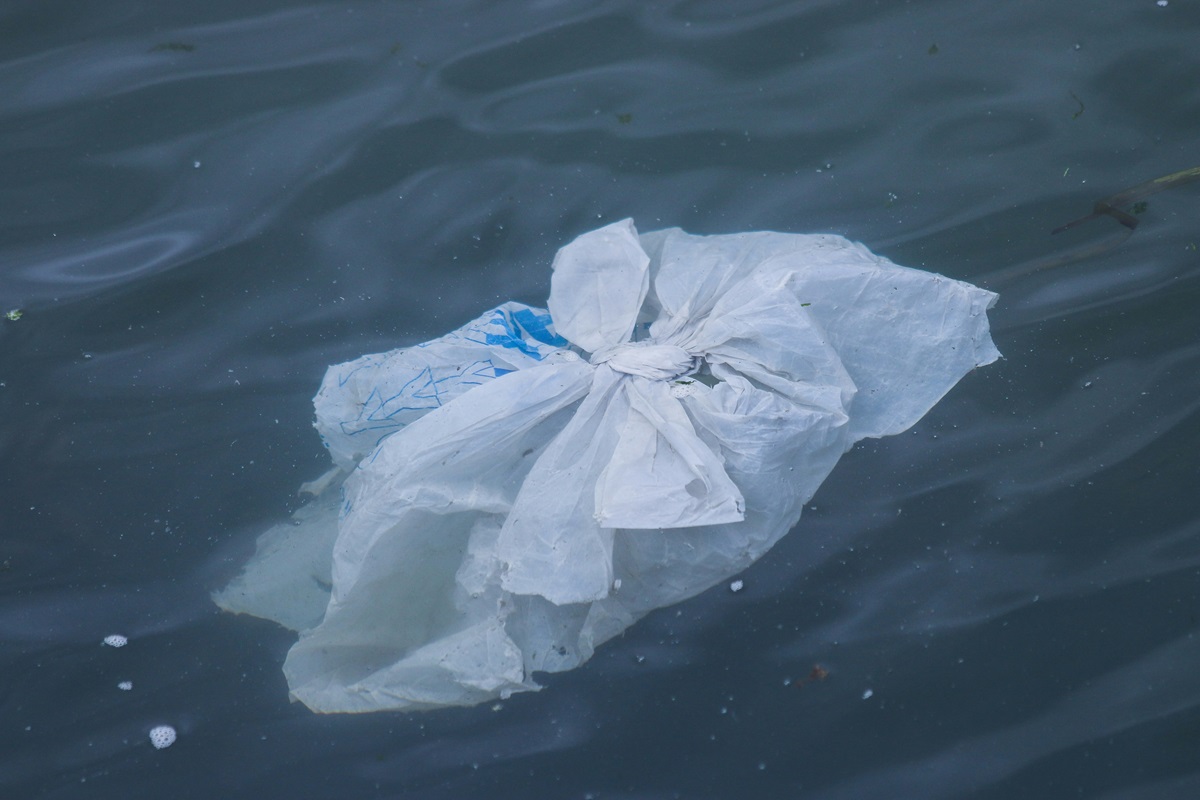
Seafloor sediment confirmed as a vast plastic pollution reservoir
Seafloor sediment has been confirmed as a vast plastic pollution reservoir, according to a world-first study by the Commonwealth Scientific and Industrial Research Organisation. This is not a surface problem, plastic is accumulating in the deep, where it becomes part of the geological record. The finding is a measurable, empirical signal of our impact. Understanding where plastic settles, from the seafloor to the Great Pacific Garbage Patch, is foundational to integrated ocean stewardship.
A thousand rivers drive eighty percent of ocean plastic emissions
A thousand rivers drive eighty percent of ocean plastic emissions, a finding that demands a calibrated, not alarmist, response. This is not about panic; it is about measurable action. Understanding the source of the problem allows us to target interventions where they matter most. For deeper context on how disclosure transforms data into accountability, see our related coverage, "Closing the data gap: disclosure as a calibrated step toward ocean action." Precision, not hype, guides real protection.
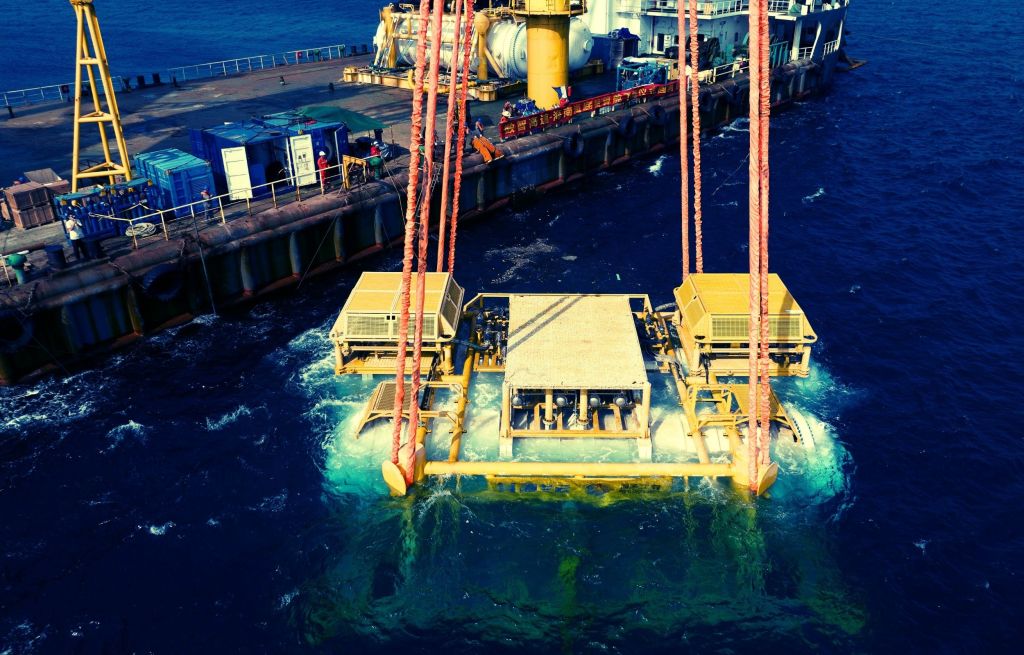
China Submerges AI Data Center in Ocean Floor Deployment
China submerges an AI data center on the ocean floor, a move that prioritizes speed and cooling efficiency over the land-based debates stalling U.S. projects. This deployment demands rigorous validation. How safe is a submerged digital infrastructure against pressure, corrosion, and real-time operational risks? The answer matters for the entire integrated data ecosystem. For deeper context on ocean system shifts, our coverage of a century of ocean intelligence revealing a measurable current slowdown provides essential reading.
Calibrating our ocean intelligence for a sustainable data ecosystem
Every ocean dataset carries a hidden cost: the energy, materials, and infrastructure required to collect, store, and process it. Unchecked data growth risks undermining the very sustainability we seek to measure. Calibrating our ocean intelligence means building an integrated data ecosystem where every byte is validated, measurable, and purpose-driven. We must treat data stewardship as seriously as ocean stewardship. For deeper context, our coverage of "From orbit to ocean floor" examines how integrated observations strengthen Earth system predictions without expanding our footprint.
Tracing ocean plastic to its land-based sources via empirical data
Every river is a potential pipeline. Our latest analysis, grounded in empirical data, traces ocean plastic back to its land-based origins. The evidence is clear: mismanaged waste from coastal populations is the primary driver. This is not guesswork; it is a measurable, validated flow. Understanding this pathway is the first step toward intervention. For deeper insight into where these plastics ultimately settle, see our related piece, "From surface to seafloor, a calibrated global map of microplastic drift.
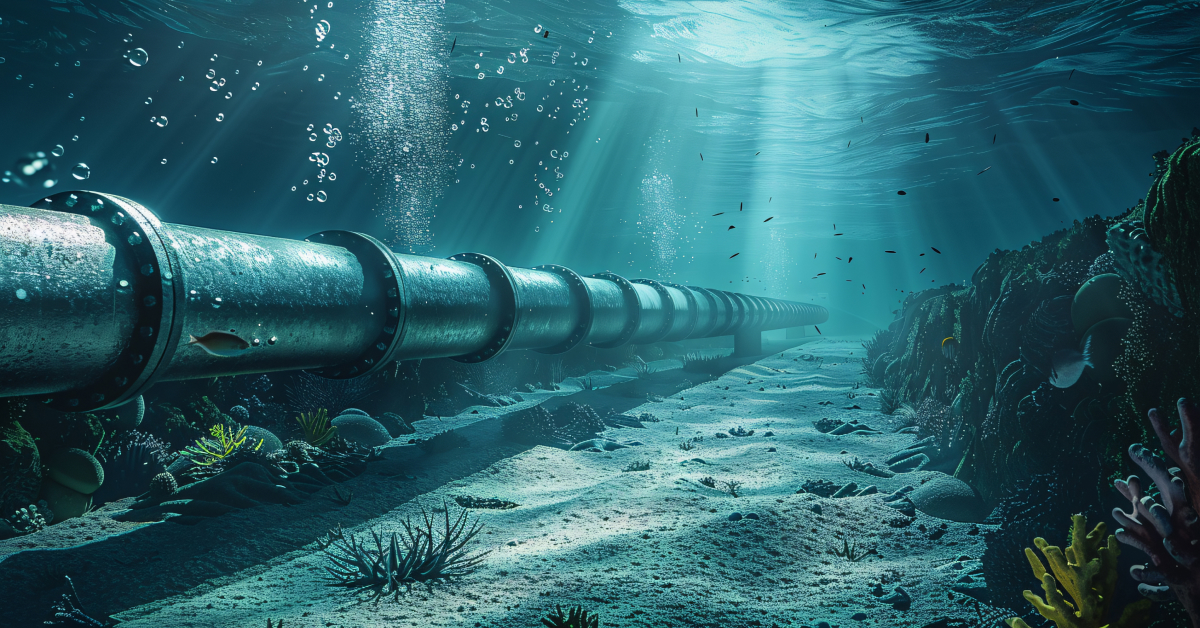
Submerging Compute: New Data from Ocean Cooling Pilots
Submerging compute hardware in the ocean is no longer theoretical. Early pilot data from ocean-cooled data centers shows validated, measurable reductions in energy use. This isn't a distant concept, it is an empirical step toward climate-resilient infrastructure. Cooling represents a staggering share of data-center energy consumption, and the ocean offers a stable, integrated thermal sink. For those tracking the broader shift, our coverage of ABB's electrification work with Ferrari Hypersail shows how innovation is redefining marine systems.
The 25-Day Countdown to Shape Deep Sea Mining's Future
Twenty-five days remain for public comment on The Metal Company's deep sea mining application, yet only 228 submissions have landed. That number stands in stark contrast to previous notice periods, where online campaigns generated thousands of responses. The silence is puzzling, especially given the surge of TikTok awareness earlier. One wonders if the urgency faded or if the conversation simply migrated. For those seeking deeper context, our related piece on verifying historical deep-sea claims offers a useful parallel.
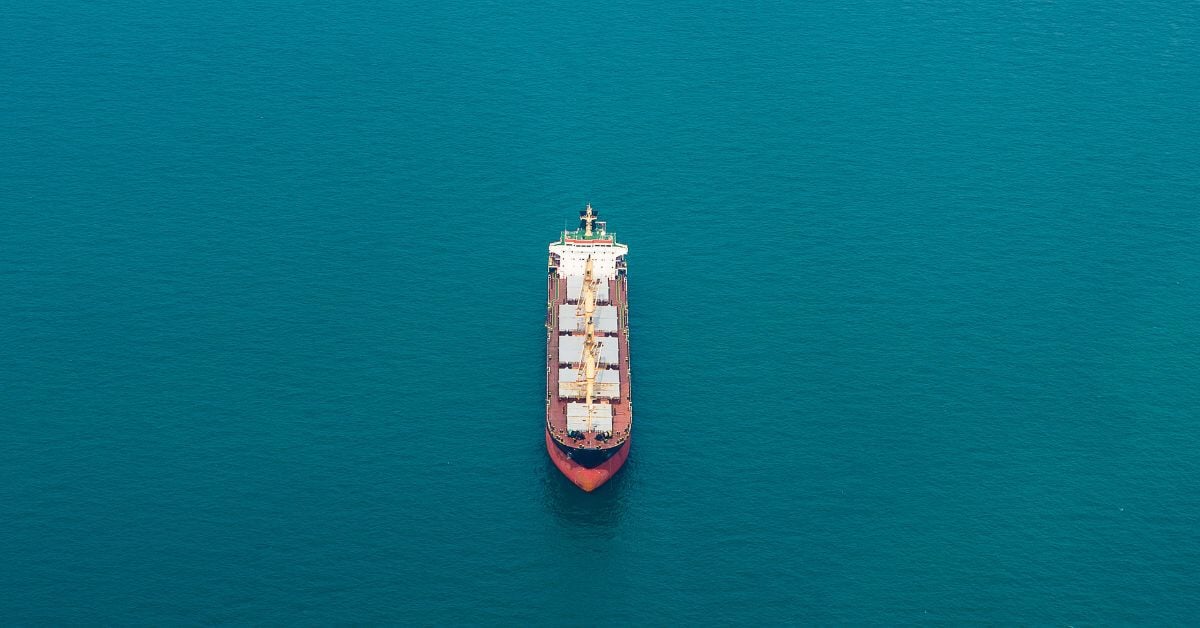
Vessel Struck by Unknown Projectile in Strait of Hormuz, Fire Reported
A vessel struck by an "unknown projectile" in the Strait of Hormuz on Monday evening has ignited a fire onboard, marking another dangerous incident in one of the world's most critical maritime chokepoints. We cannot afford to treat these attacks as isolated events. As we saw in the tragic *June Aster* ferry fire, where 77 lives were lost, the ocean demands rigorous safety protocols and transparent accountability.

Measured emissions data places food transport in ocean transit perspective
Measured emissions data places food transport in ocean transit perspective: most food moves by boat, so food miles represent a relatively small share of a diet's carbon footprint. This finding is a welcome dose of empirical clarity in a debate often muddied by oversimplification. It reframes the conversation around production methods rather than transport distance, a more measurable, actionable focus. For context on maritime economics, see our related coverage of Russia's Northern Sea Route icebreaker funding plan.
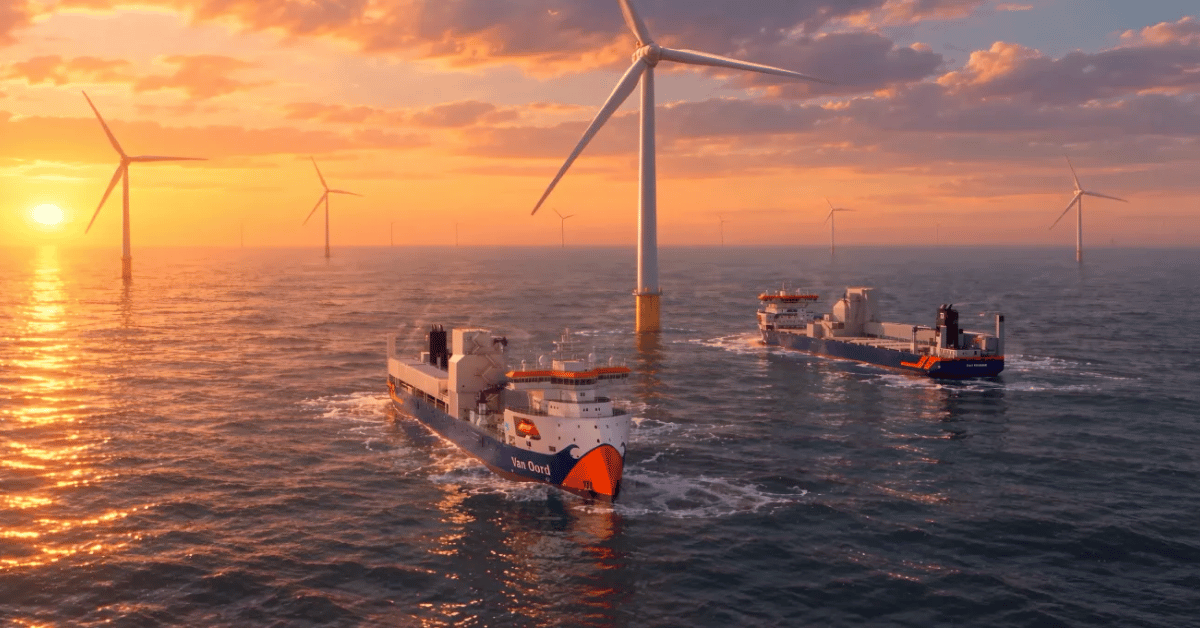
Vindnes and Vestnes: New Fallpipe Vessels Advance Subsea Rock Installation
Van Oord's decision to name its two new 35,000-tonne flexible fallpipe vessels Vindnes and Vestnes signals a measured step forward in subsea rock installation. Scheduled for delivery in 2028 and 2029, these ships will expand the capacity for precise, large-scale marine construction. The investment reflects a practical commitment to meeting rising demand for offshore energy infrastructure, where dependable seabed preparation matters.
Integrating Data Infrastructure with Ocean Ecosystems: A Calibrated Approach
The seafloor is not a passive highway for data; it is a living system that demands calibration. This submission recognizes that integrating infrastructure with ocean ecosystems requires more than laying cables, it requires measuring impact with empirical rigor. We support this approach because it treats the ocean as a partner, not a conduit. Related coverage, such as our piece on integrated subsea cables across the Indian Ocean, reinforces the stakes. Understanding drives protection, and this work gets that sequence right.
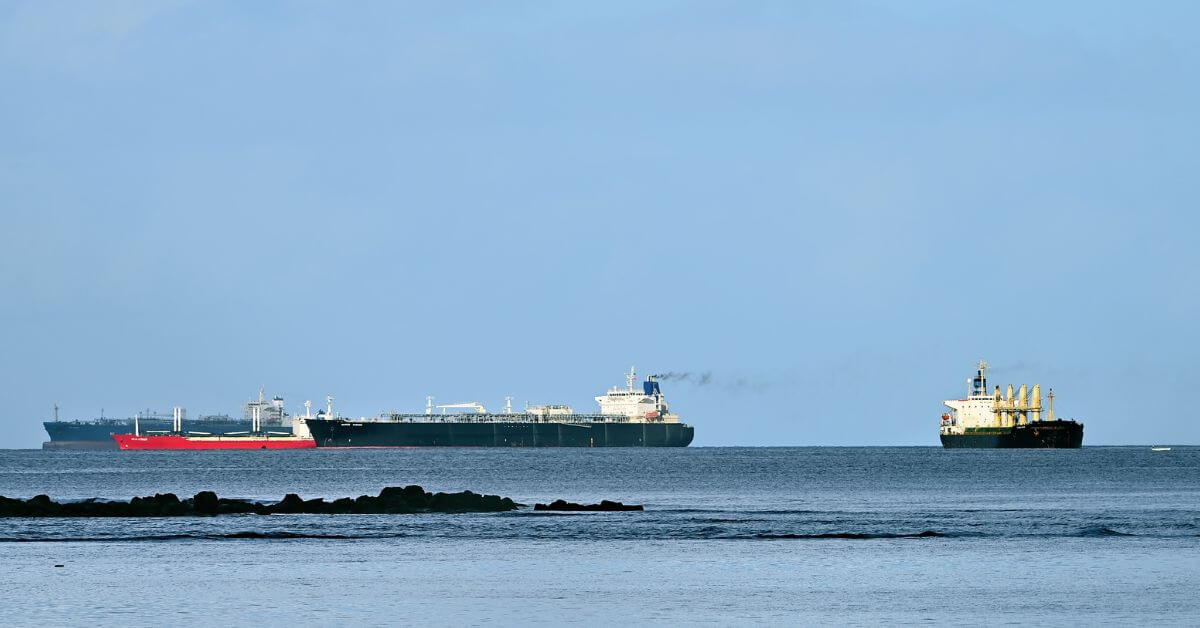
Strait of Hormuz Incidents Prompt Inquiry Into Tanker Impacts
Two tankers were struck by an unknown projectile or debris in the Strait of Hormuz on Monday, reigniting questions about the vulnerability of commercial shipping in one of the world's most vital waterways. The incident demands empirical scrutiny, not speculation, as we assess the measurable risks to vessels and crews. This is precisely why our coverage, including the recent report on Gulf of Oman STS transfers maxing out, must remain grounded in validated, real-time data.
Deep Ocean Warming: Longitudinal Data Reveals a Concerning Trend.
The ocean's abyss was long considered a stable, slow-motion frontier, but new longitudinal data now shows the deepest layers are warming. This is not a distant anomaly; it is a measurable shift in a system we rely on for climate stability. We find this trend deeply concerning, yet it reinforces why sustained observation matters. As we track these changes, we must connect them to broader disruptions, much like our recent analysis of Atlantic Circulation Weakens, to fully grasp the scale of what is unfolding.
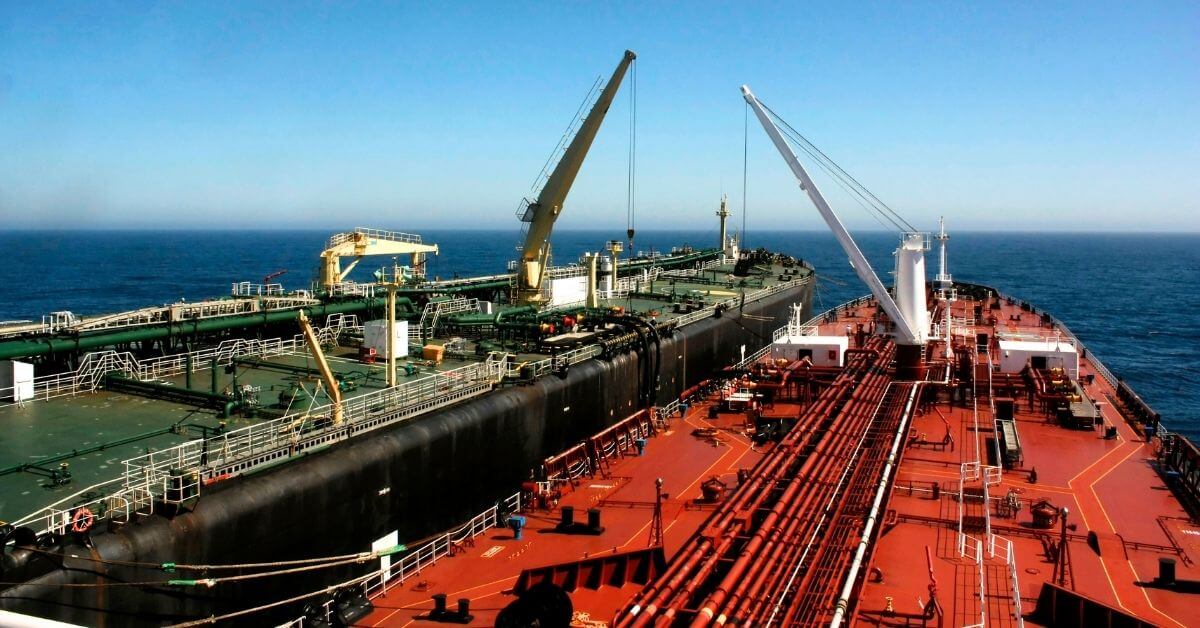
Yemen Oil Spill: Integrated Data Reveals Impact on Marine Ecosystems
The validated data emerging from the Yemen oil spill paints a precise picture of ecological disruption, one that reaches beyond the immediate slick to the coastal economies and fisheries that depend on these waters. Integrated monitoring confirms the pollution's reach, yet the focus remains on measurable recovery pathways. For those tracking regional maritime risk, our related coverage on the Gulf of Oman STS transfers offers useful context on the pressures shaping these waters. Understanding these impacts is the first step toward calibrating an effective response.
Wind-Powered Data Hub Monitors Ocean Health in Real-Time, China.
In the South China Sea, the world's first wind-powered underwater data centre is now operational, marking a calibrated step toward integrating renewable energy with ocean intelligence. This is not a distant concept; it is a live, peer-reviewed example of how real-time climate indicators can be measured from the seabed. The innovation is purposeful, and its implications for global data ecosystems are significant.

Integrated Response: Salvage Operation Underway for Tanker Near Oman.
Specialist personnel have boarded the tanker near Oman with support from the Royal Air Force of Oman, marking the first calibrated step in a salvage operation that demands precision. Assessing conditions onboard is the immediate priority, and this measured approach reflects the discipline such emergencies require. The response is methodical, not theatrical, which is exactly right. For broader context on regional risks, our related coverage of the fatal attack on the bulk carrier MV Cape Dao offers a sobering parallel.
Sixteen Years Later: Measuring Recovery and Water Quality in the Gulf
Sixteen years after the Deepwater Horizon oil spill, the Gulf of Mexico remains a living laboratory for recovery, and for questions that still demand answers. For those who stayed away, the urge to return is now paired with a need to understand: Is the water safe, and how has it truly changed? Water quality along Alabama's coast has largely rebounded, but the long-term fate of the oil and the chemical dispersants used to break it up remains a complex, ongoing story.

Beyond the Hype: Evaluating Bamboo Toilet Paper’s True Environmental Impact
Bamboo toilet paper is often marketed as the sustainable choice, yet its environmental credentials deserve closer scrutiny. The carbon footprint data remains surprisingly thin, leaving a gap between perception and proof. We appreciate the intent behind greener consumer options, but claims need empirical backing, not just good optics. For context on how we track ecological systems, our piece on integrated subsea cables offers a parallel on data-driven decisions. The wipe debate is far from settled, and researchers are right to push for measurable answers.