tankers
World Data Ocean keeps tankers in one place: 30 stories so far. The section currently leads with “Panama Registry Enforces Sanctions by Removing Three Tankers Tied to Iranian Oil”, “Seoul Disputes Ukrainian Data on Fuel Shipments to Russia”, and “Chartering tankers through Hormuz to secure India's oil supply chains”. The Panama Maritime Authority has removed three tankers, Bitu, Starway, and Mackerel, from its registry and initiated cancellation proceedings, enforcing sanctions tied to Iranian oil. Seoul disputes the numbers, but Ukraine's claim stands unresolved: over 176,000 tonnes of petroleum products reportedly moved from South Korean ports to Russia across July and August. A Global Hub for Ocean Intelligence 4 World Data Ocean is a centralized digital platform where researchers, scientists, and ocean enthusiasts converge to… The list below is every tankers story on World Data Ocean, newest first.
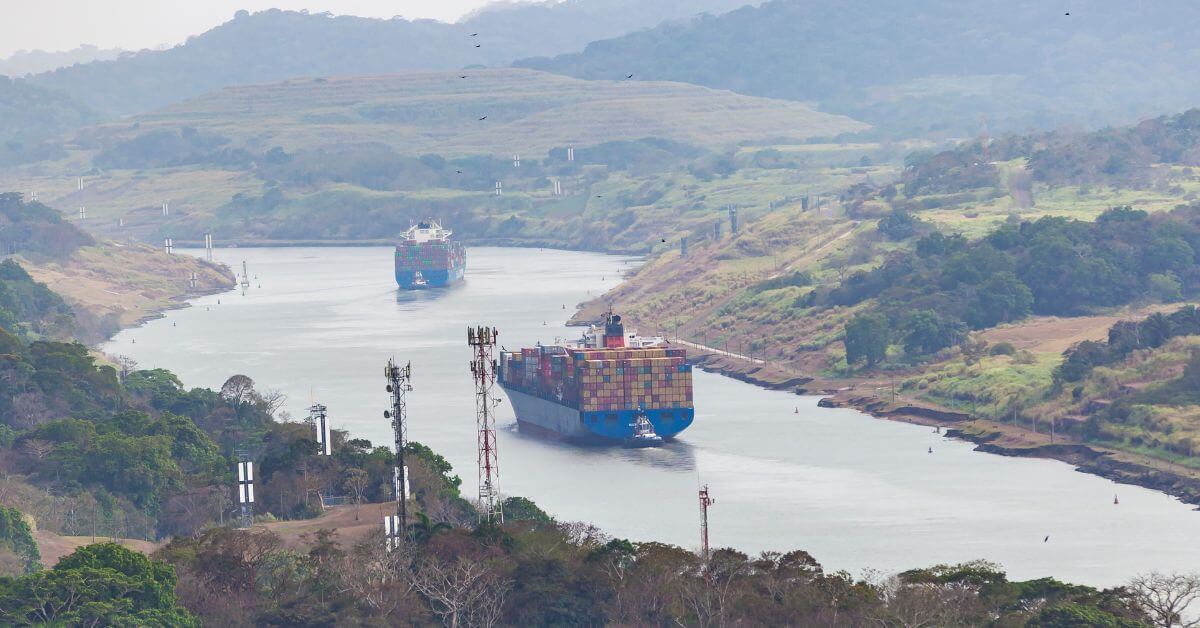
Panama Registry Enforces Sanctions by Removing Three Tankers Tied to Iranian Oil
The Panama Maritime Authority has removed three tankers, Bitu, Starway, and Mackerel, from its registry and initiated cancellation proceedings, enforcing sanctions tied to Iranian oil. This is measured, direct action, not rhetoric. Maritime registries are only as credible as their compliance systems. For deeper context on how Iranian vessels are testing global supply limits and sanctions calculus, see our coverage of stranded Iranian ships off Sri Lanka.
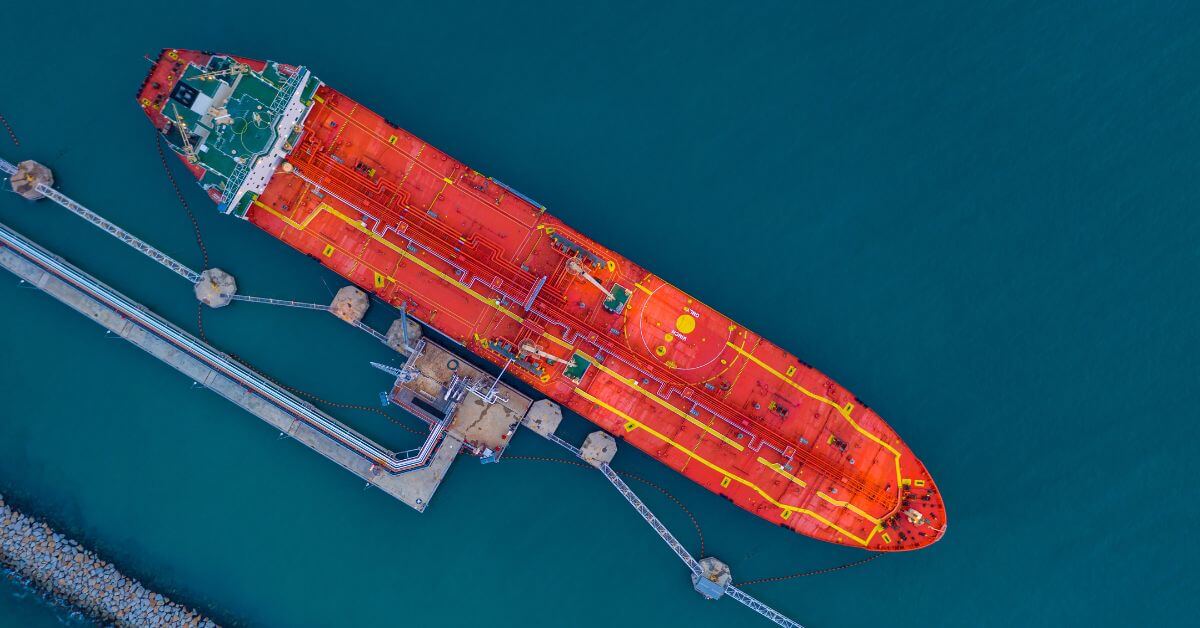
Seoul Disputes Ukrainian Data on Fuel Shipments to Russia
Seoul disputes the numbers, but Ukraine's claim stands unresolved: over 176,000 tonnes of petroleum products reportedly moved from South Korean ports to Russia across July and August. If accurate, the flow raises hard questions about how sanctioned goods continue moving through allied supply chains. The data matters, and so does the transparency gap. For broader context on maritime risk, our coverage of the Black Sea incident offers a parallel look at how quickly commercial shipping can turn volatile.
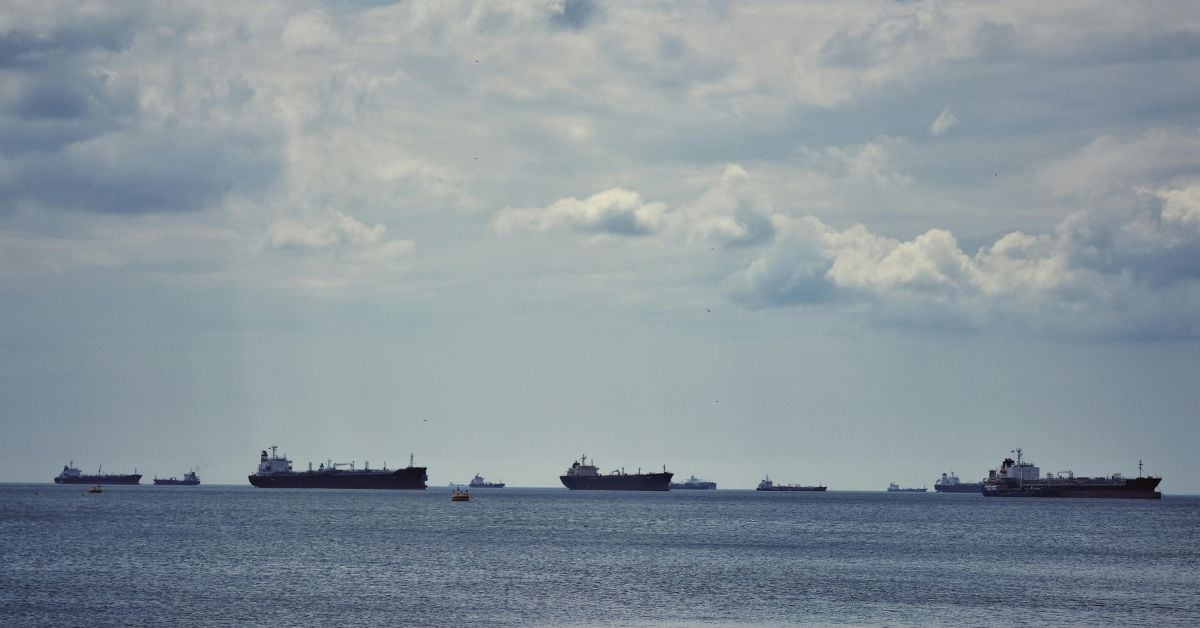
Chartering tankers through Hormuz to secure India's oil supply chains
India's refiners are chartering tankers through the Strait of Hormuz, a calculated response to rising risk in a waterway that moves a fifth of global oil. Rather than deploying their own vessels, they are shifting procurement strategy to secure supply chains with measurable precision. This is not alarm, it is calibrated adaptation. For deeper context on how these disruptions are reshaping global routes, see our related coverage of rising Red Sea crude flows.
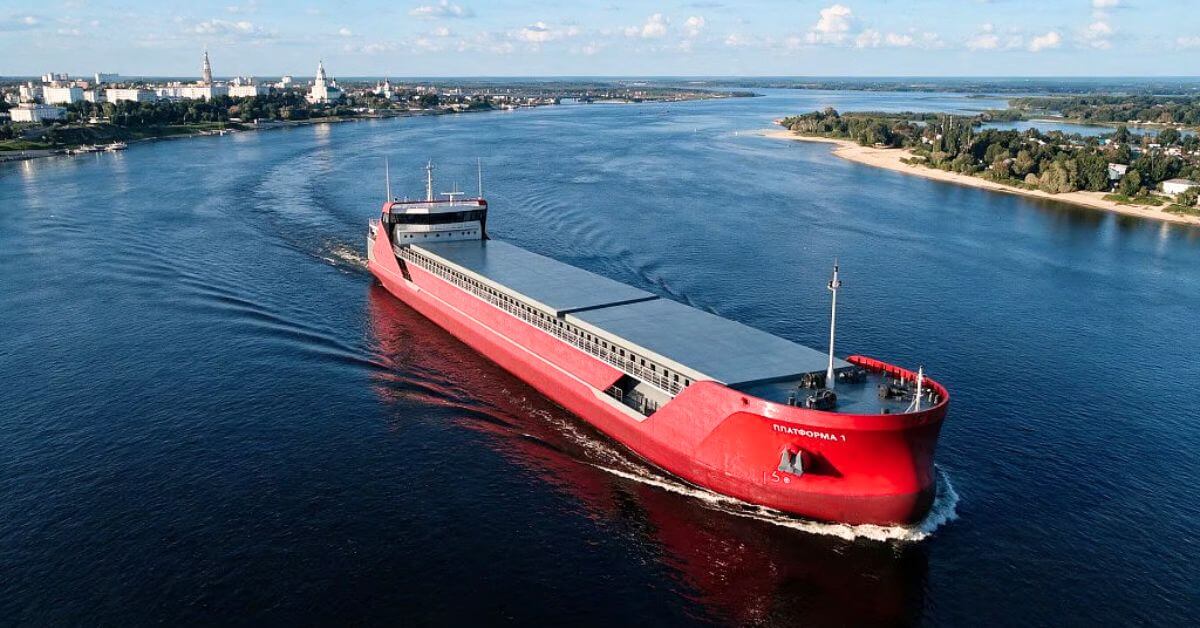
Steel cut for first unified dry cargo vessel in Russia's new fleet platform
Steel has been cut for the lead KSD1 dry cargo vessel at the Krasnoye Sormovo shipyard, marking the first unified hull in Russia's new fleet platform. This is a measured step in industrial continuity, not a headline grabber. The vessel's construction proceeds alongside broader maritime tensions. Readers tracking disruption in the Black Sea may find our coverage of the captain charged over Ukrainian grain instructive, the two stories belong to the same complex seascape. Understanding drives protection.
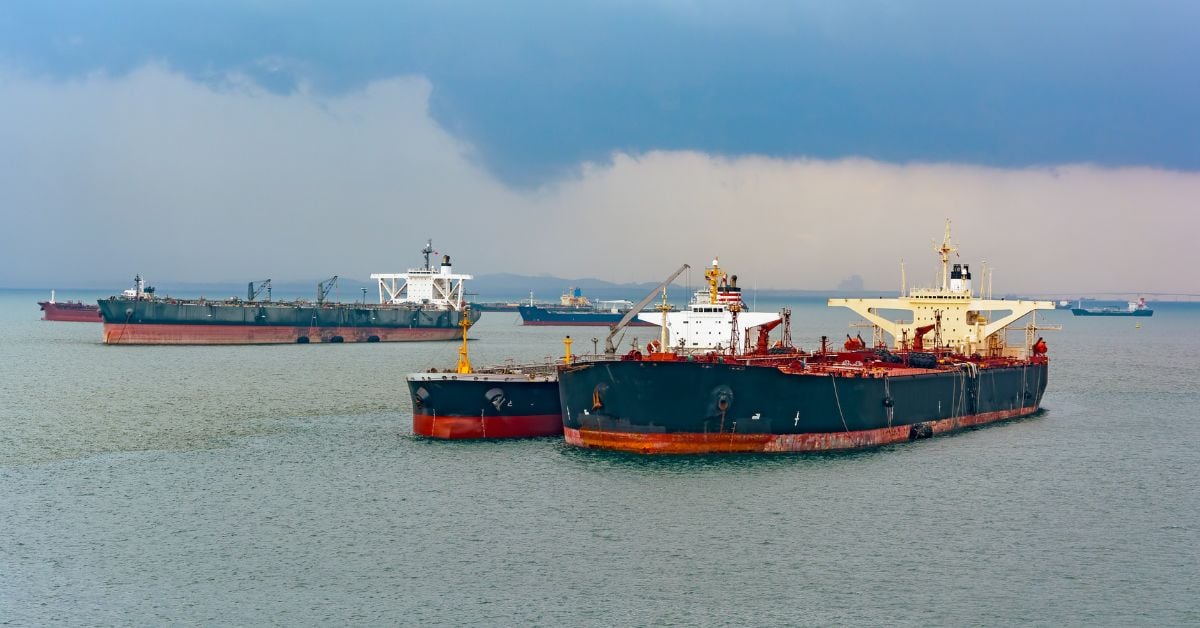
Gulf of Oman STS Transfers Max Out Amid Rising Saudi Oil Exports
Ship-to-ship transfers in the Gulf of Oman have reached maximum capacity, with traders and analysts pointing to surging Saudi crude exports as the driving force. This operational ceiling underscores how swiftly regional logistics can tighten when cargo volumes climb. The strain is a measurable signal of shifting energy flows, one that demands calibrated attention from those tracking maritime trade. For context on broader infrastructure pressures, our piece on integrated subsea systems in the Indian Ocean offers a useful parallel.
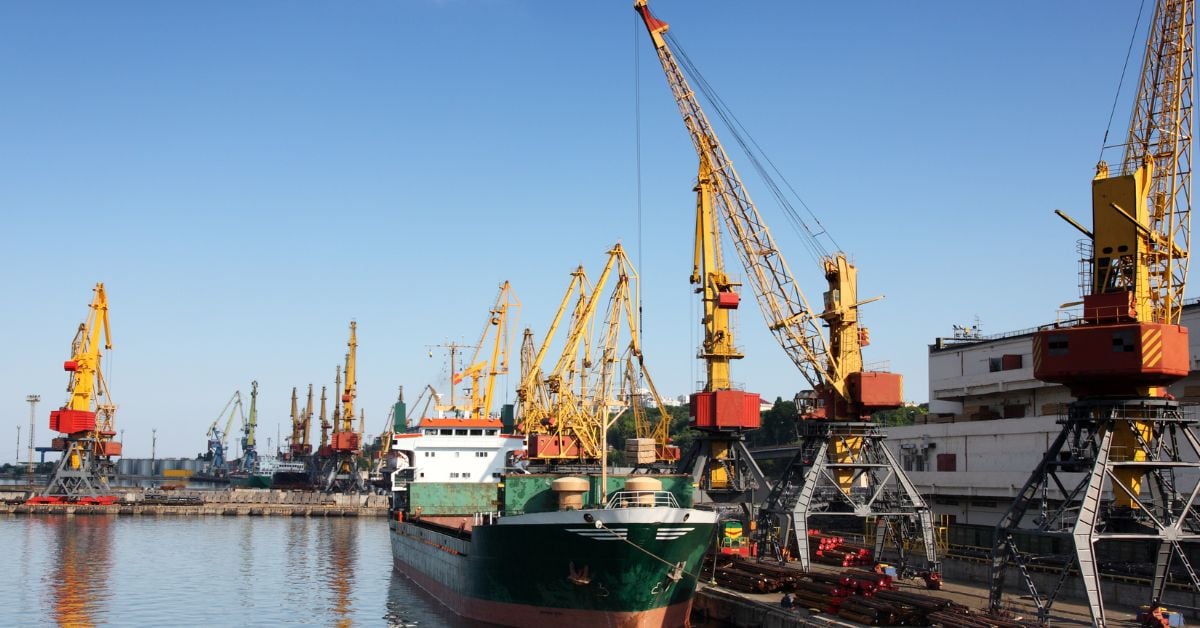
Cochin Shipyard Expands Design Capabilities with Conoship Equity Stake
Cochin Shipyard Limited is acquiring a 23% stake in Conoship International Holding BV, a Dutch ship design and engineering firm. The move signals a deliberate step toward strengthening in-house design capabilities rather than relying solely on external expertise. It is a measured, strategic investment, one that aligns with the yard's long-term ambitions in a competitive global market. Such integration of Dutch engineering knowledge could yield tangible gains in vessel innovation.
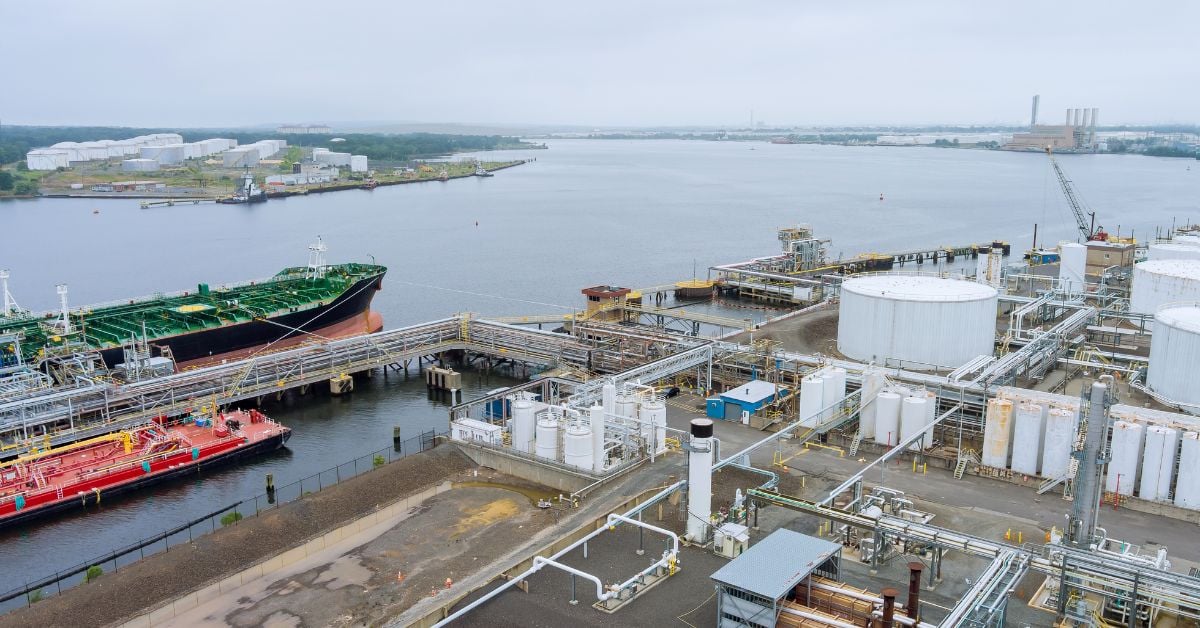
Vitol Acquires Substantial Iraqi Crude Volume Amid Price Discrepancies
Vitol's move to secure 25 to 30 million barrels of discounted Iraqi crude this month signals a sharp reading of market imbalances, and it's a calculated bet worth watching. Price discrepancies like these reward those who can move swiftly, and Vitol is leveraging its scale to lock in margin where others might hesitate. This kind of volume isn't opportunistic noise; it's a deliberate positioning play.
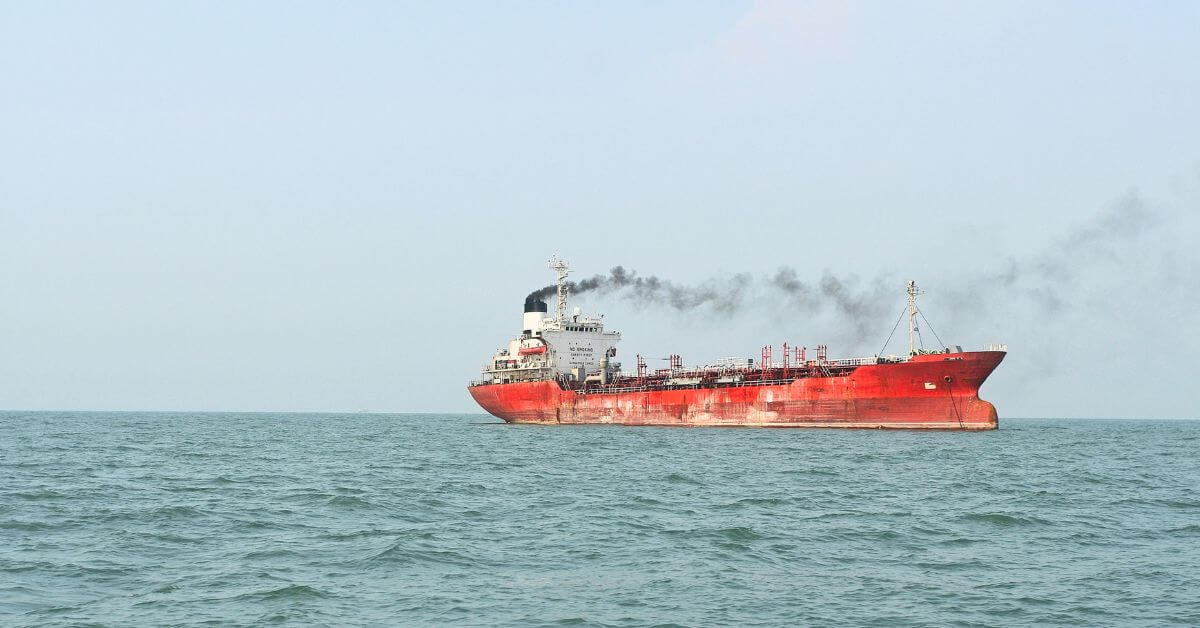
Fatal Attack on Cargo Ship Highlights Black Sea Shipping Risks
The attack on a cargo ship sailing under the flag of Antigua and Barbuda, reported Sept. 23 by the Ukrainian Sea Port Authority, sharpens the profile of risk in Black Sea shipping. This is not an isolated incident but a measurable indicator of a waterway under strain. We track these incidents because each one validates the need for integrated maritime data.
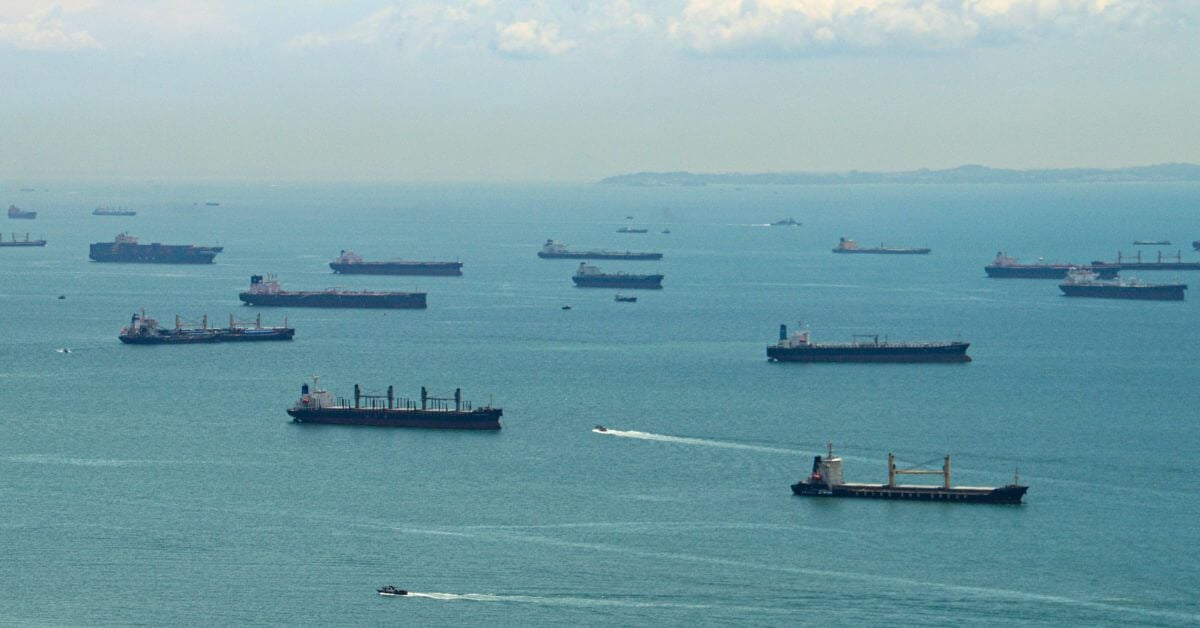
Escalation in Strait of Hormuz: Maritime Traffic Disrupted by Reported Attacks
Reports of multiple merchant vessels struck in the northern Gulf and Gulf of Oman signal a dangerous escalation in the Strait of Hormuz. Maritime traffic is now disrupted, and the immediate consequences for global energy flows are measurable. This is not a moment for alarmist speculation, but for empirical observation. For deeper analysis on regional capacity pressures, readers may consult our related report on Gulf of Oman STS transfers maxing out amid rising Saudi oil exports.
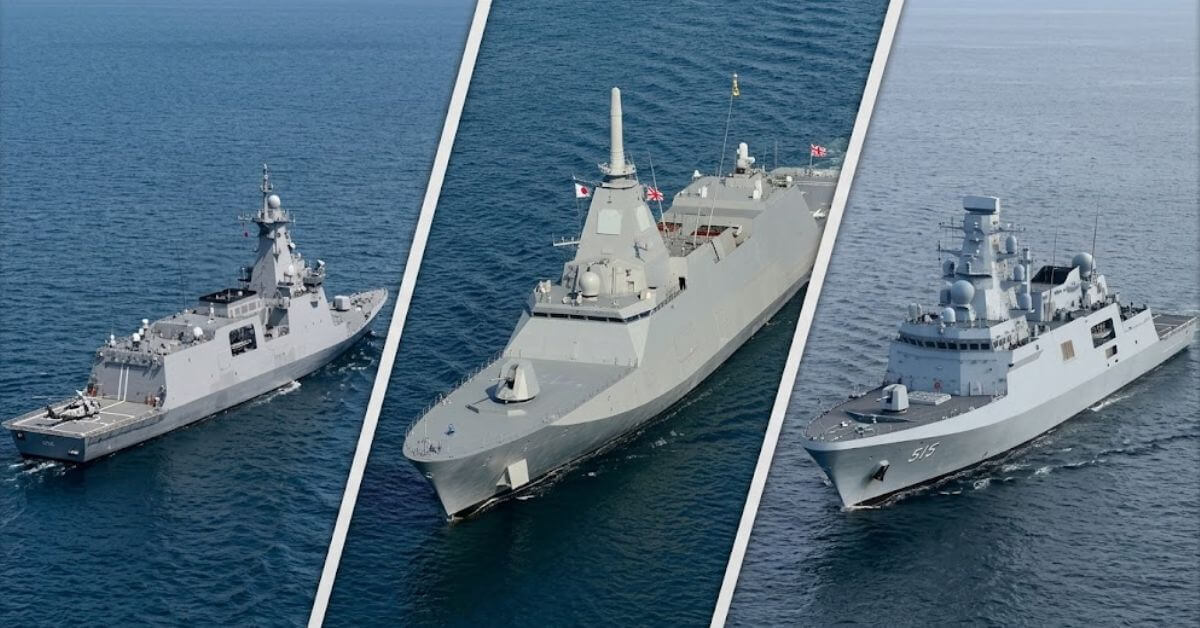
Global Shipbuilding Collaboration: Navy Explores International Frigate Options
The U.S. Navy's move to explore international frigate options signals a pragmatic shift toward speed without sacrificing domestic investment. This approach, which pairs foreign collaboration with targeted funding for U.S. shipyards and workforce expansion, reflects a measured strategy for meeting modern demands. It is a practical acknowledgment that no single nation can build everything alone, and that shared expertise strengthens overall capability. For readers tracking parallel efforts, our coverage of India's expanded naval fleet offers a useful counterpoint.
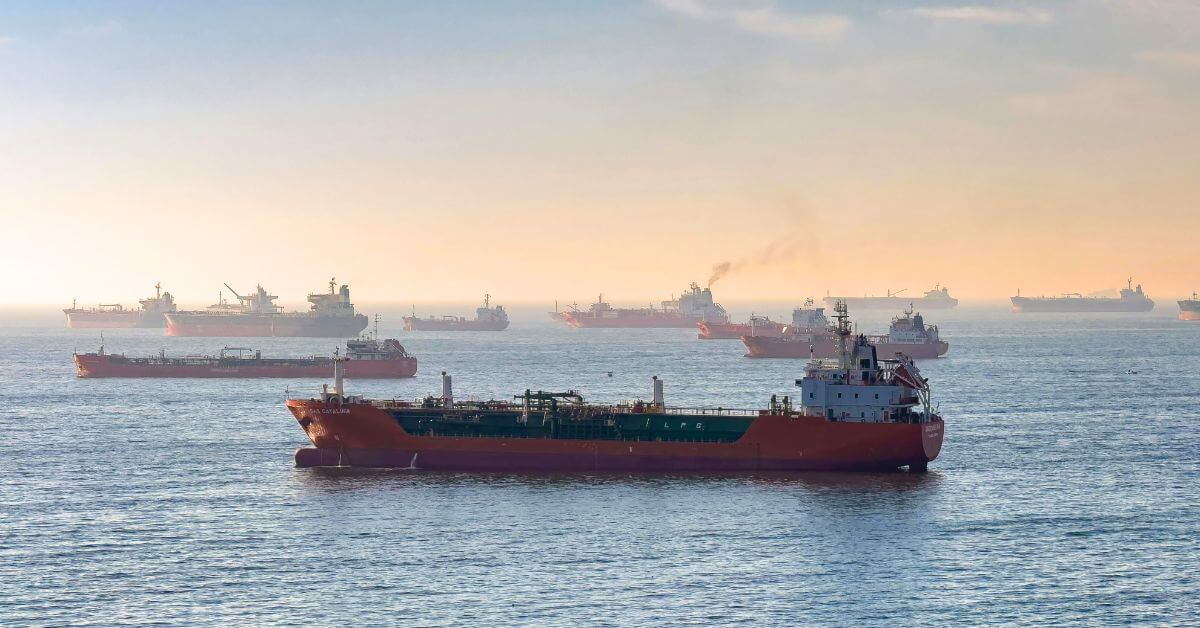
Escalation in Hormuz: U.S. Targets Iranian Tankers Amid Rising Tensions
For the first time, U.S. forces have directly targeted Iranian tankers in response to attacks on commercial shipping in the Strait of Hormuz. The escalation marks a decisive shift in how Washington is policing one of the world's most critical maritime chokepoints. Measured, but unmistakable, the action signals that the rules of engagement have changed. As pressure builds across the region, the implications for oil flows and navigation are immediate.
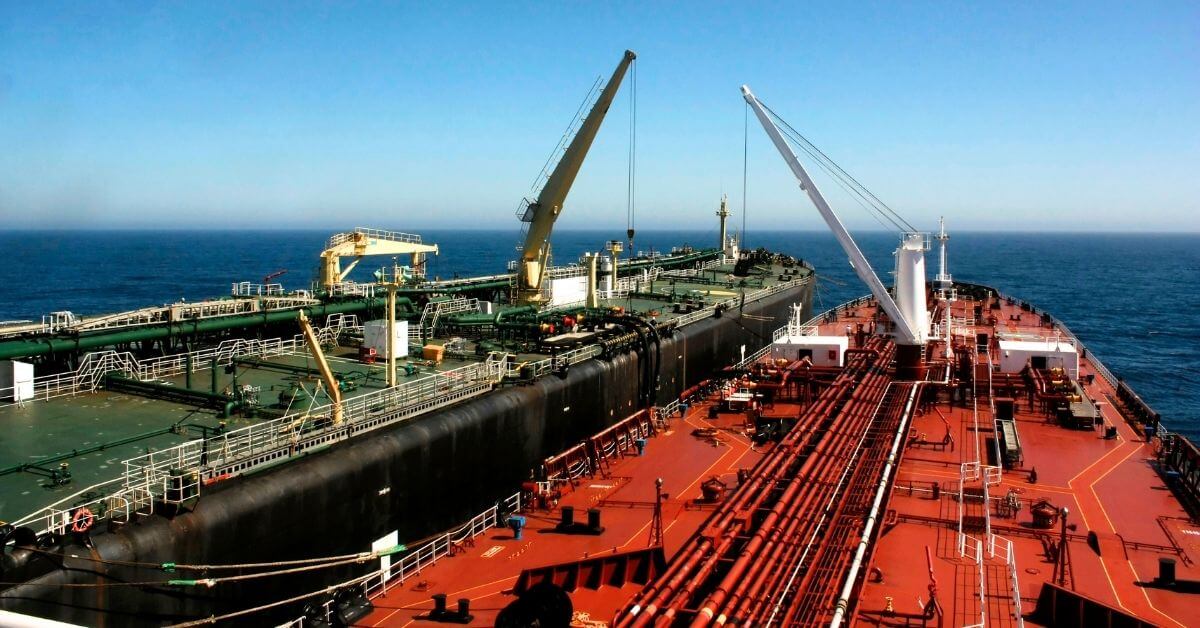
Yemen Oil Spill: Integrated Data Reveals Impact on Marine Ecosystems
The validated data emerging from the Yemen oil spill paints a precise picture of ecological disruption, one that reaches beyond the immediate slick to the coastal economies and fisheries that depend on these waters. Integrated monitoring confirms the pollution's reach, yet the focus remains on measurable recovery pathways. For those tracking regional maritime risk, our related coverage on the Gulf of Oman STS transfers offers useful context on the pressures shaping these waters. Understanding these impacts is the first step toward calibrating an effective response.

Naval Operations Validate Strait of Hormuz Shipping Lane Clearance
The Traffic Separation Scheme in the Strait of Hormuz has been validated as clear, a tangible result of naval mine-clearance operations that underscores the value of methodical, measured action. This is not about grand gestures; it is about ensuring a critical artery for global energy remains open and dependable. The work aligns with the broader push toward maritime stability, and our recent coverage of Gulf of Oman STS transfers maxing out reinforces how vital these lanes are.

Strait of Hormuz Traffic Dips Amid Rising Geopolitical Tensions.
Tanker traffic through the Strait of Hormuz is tightening as Iran vows retaliation against U.S. sanctions designed to sever its economic lifelines. The shift is measurable, and it carries weight for global energy flows. Geopolitical friction is no longer abstract; it is showing up in real-time transit data. For context, our coverage of Gulf of Oman STS Transfers Max Out Amid Rising Saudi Oil Exports highlights how regional chokepoints are already operating at capacity.

Iran Escalates Strait of Hormuz Control with Shipping Restrictions.
Iran's new Strait of Hormuz authority moved late Sunday to impose shipping restrictions, a warning issued directly via social media. The move tightens control over a waterway that carries roughly a fifth of global oil supply. It is a calculated escalation, one that raises the stakes for every nation dependent on that passage. Coordination matters here; our related coverage on Gulf of Oman STS transfers maxing out underscores how strained regional logistics have already become. The pressure is measurable, and it is mounting.

Safer Red Sea Route Calibrates Oil Exports Amid Geopolitical Shifts
Shipowners are rerouting Saudi crude through the safer northern Red Sea corridor, a calibrated response to persistent Houthi threats that recalibrates export flows without disrupting global supply. The move reflects pragmatic maritime adaptation, not alarm. It is a measured shift, one that keeps oil moving while reducing risk to tankers and crews. For context on how regional pressures are reshaping tanker operations, our related piece on Gulf of Oman STS transfers maxing out offers a useful counterpoint.

Shipping Traffic in Strait of Hormuz Declines Amid Geopolitical Tensions
Tracking shipping through the Strait of Hormuz has become a sharper exercise in reading the gaps. Recent data shows a decline in transiting vessels, but the figures carry a caveat: some ships have switched off their transponders while crossing this critical waterway. That means the true volume is likely higher than reported, a reminder that geopolitical tension distorts even our most reliable metrics.

Strait of Hormuz Traffic Plummets Amidst Escalating Tensions and Attacks
The Strait of Hormuz is tightening under pressure. Ship traffic has plummeted after attacks on five commodity tankers, a stark reminder that instability directly chokes global energy lifelines. While U.S.-Iran negotiations for a peace agreement remain stalled, the cost of inaction is measurable in real-time data. The parallel rise of Gulf of Oman STS transfers, covered in our related piece on maxed-out ship-to-ship operations, underscores how trade adapts, but never without risk.

Kazakh Oil Exports Suspended Following Drone Attacks at Novorossiysk
The halt of Kazakh crude exports at Novorossiysk, following drone strikes that hit two oil tankers overnight, introduces another layer of volatility into an already strained energy corridor. Disruptions here carry weight beyond regional conflict; they test the resilience of global supply chains. This incident underscores how quickly maritime routes can be compromised. For deeper context on the escalating strikes affecting shipping infrastructure, our related coverage, "Strikes Target Ports and Vessels in Confirmed Military Action," details the broader pattern.

US Actions Target Iran's Maritime Revenue Flow Through Strait of Hormuz
The United States and Saudi Arabia have launched joint strikes on Iran-backed groups in Iraq, while Washington's broader pressure campaign targets Tehran's maritime revenue through the Strait of Hormuz. These moves are precise, deliberate, and calibrated to disrupt financial flows without escalating into wider conflict. Pressure this measured can work, but only if it remains consistent. For context on how regional oil movements are already straining, our related piece on Gulf of Oman STS transfers offers useful grounding.

Red Sea Transit Declines Amidst Escalating Regional Tensions.
The Red Sea's vital artery is narrowing. Only 11 commodity vessels traversed the Bab el-Mandeb Strait on Sunday, the fewest in months, according to Kpler data. This is not a statistic to skim past; it is a measured signal of how escalating regional tensions are physically reshaping global trade routes. The decline is empirical, and it demands attention.

Escalation in Jordan, Strait of Hormuz Closure Threatens Global Shipping.
Two US troops killed, one missing, and the Strait of Hormuz transits down to eight vessels a day: the escalation in Jordan signals a sharp turn in an already volatile maritime corridor. These are not abstract metrics. They are calibrated warnings of how quickly regional conflict rewrites global shipping routes. The pressure on tanker movement is measurable, and it demands attention. For deeper context on how such constraints reshape oil flows, our piece on Gulf of Oman STS transfers offers a relevant thread.

Strait Closure Strands Seafarers: Global Ocean Data Impacts Highlighted
The closure of the Strait of Hormuz has stranded seafarers mid-voyage, and the human cost of this disruption is coming into focus. DMW seafarers remain caught in the Gulf as Hans Leo Cacdac and others grapple with a situation that is as much about logistics as it is about people. This is not abstract geopolitics; it is a tangible reminder that global stability begins with those who move across it.

Maritime Security Data Reveals Surge in Piracy, Malacca Strait Hotspot
Piracy incidents rose to 137 in 2025, with the Malacca Strait emerging as the primary hotspot, according to the latest maritime security data. The concentration of cases in this critical waterway underscores persistent vulnerabilities in one of the world's busiest shipping lanes. This is not a distant problem; it is a measurable strain on the integrated data ecosystem that underpins global trade.