satellite images
7 stories filed under satellite images on World Data Ocean. The newest of them: “Nuclear Propulsion Advances as China Targets 2027 Carrier Launch”, “MEDSLIK-II upgrade sharpens oil spill modeling from surface release data”, and “AI-Enabled Research Targets US Naval Assets in the Middle East”. China's reported plan to launch its first nuclear-powered aircraft carrier by the end of 2027 marks a significant step in naval propulsion. A revised MEDSLIK-II now sharpens oil spill modeling from surface release data, restructuring the workflow with new pre- and post-processing tools. A Global Hub for Ocean Intelligence 4 World Data Ocean is a centralized digital platform where researchers, scientists, and ocean enthusiasts converge to… The list below is every satellite images story on World Data Ocean, newest first.
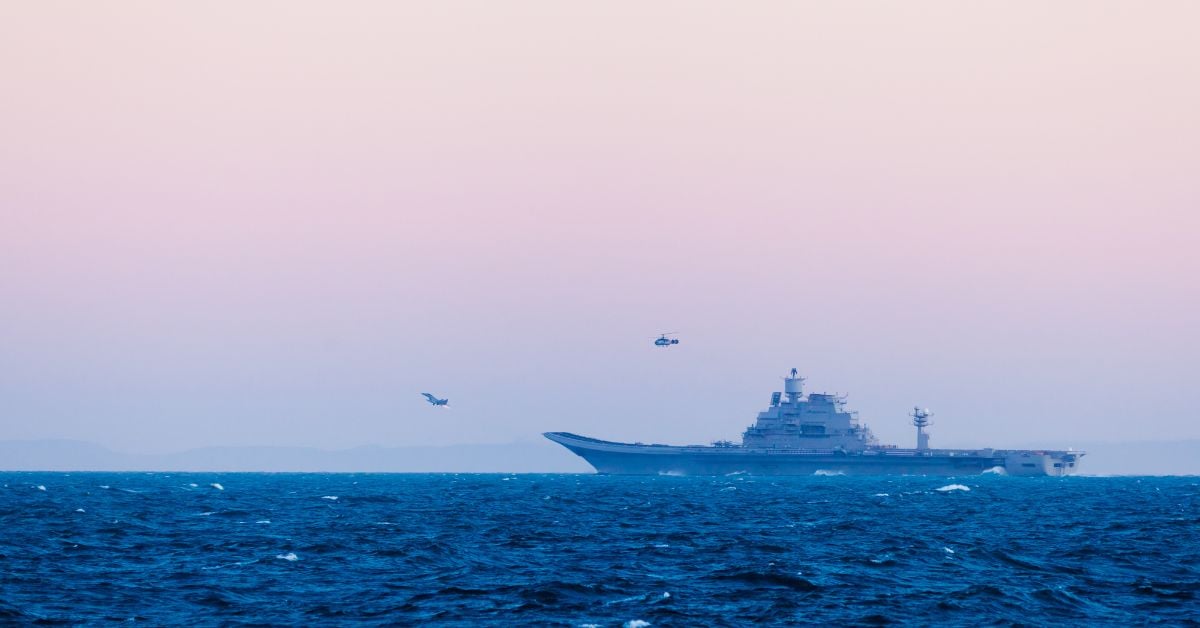
Nuclear Propulsion Advances as China Targets 2027 Carrier Launch
China's reported plan to launch its first nuclear-powered aircraft carrier by the end of 2027 marks a significant step in naval propulsion. The CSIS report points to accelerated development, driven by the need for extended range and sustained operations. This shift toward nuclear power aligns with broader trends in maritime strategy. For deeper context on China's expanding naval capabilities, see our coverage of the GJ-21 unmanned aircraft launch from an amphibious assault ship.

MEDSLIK-II upgrade sharpens oil spill modeling from surface release data
A revised MEDSLIK-II now sharpens oil spill modeling from surface release data, restructuring the workflow with new pre- and post-processing tools. Satellite images validate the model across two test cases, and new quality indices strengthen its empirical rigor. Application to a Manila Bay spill, using varied ocean current resolutions, demonstrates its value for hazard mapping. This is measurable progress in ocean intelligence. For deeper coverage, see our related piece on how integrated subsea cables enhance data transmission across the Indian Ocean.
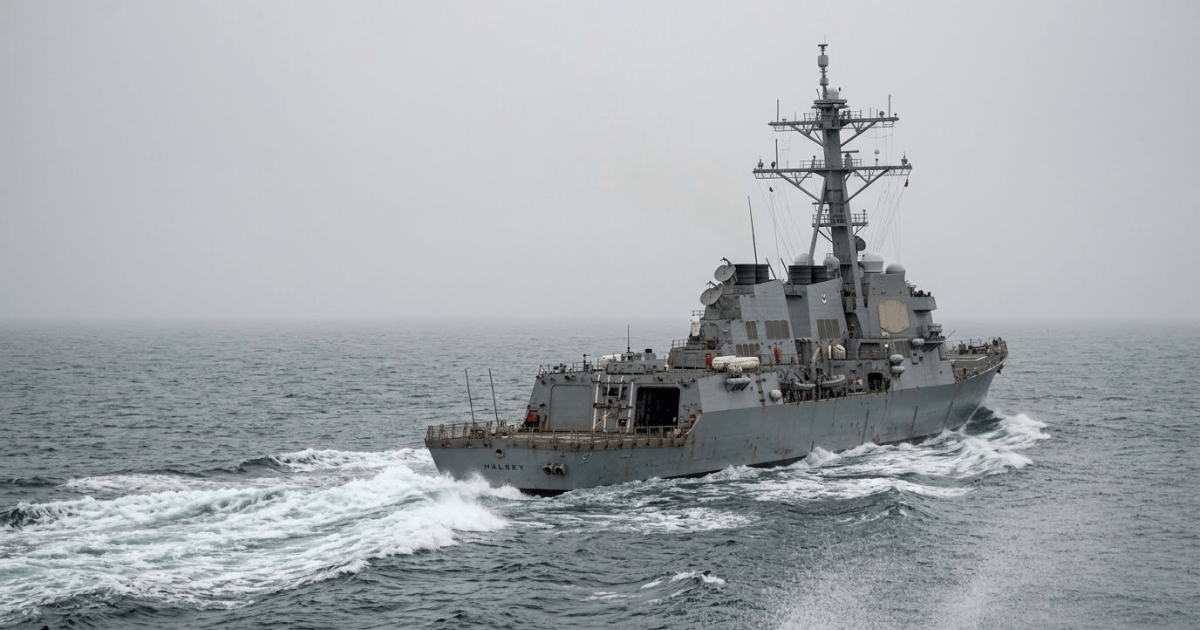
AI-Enabled Research Targets US Naval Assets in the Middle East
An Iran-linked account weaponized Claude AI to compile targeting data on US naval assets in the Middle East. Anthropic's revelation underscores a sobering reality: even tools built for discovery can be repurposed for threat. This is not alarmism, it is a validated, empirical signal of how rapidly ocean intelligence and AI converge on security. Understanding drives protection. Our related coverage of the Navy's accelerated autonomous systems integration offers deeper context on how maritime defense evolves in parallel.
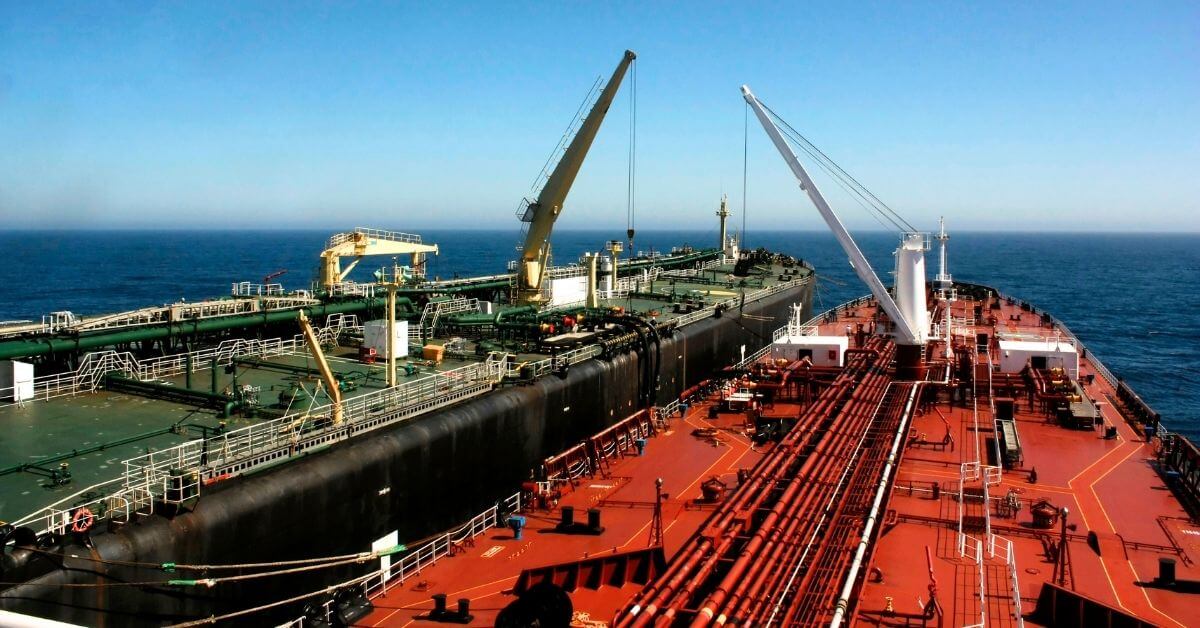
Yemen Oil Spill: Integrated Data Reveals Impact on Marine Ecosystems
The validated data emerging from the Yemen oil spill paints a precise picture of ecological disruption, one that reaches beyond the immediate slick to the coastal economies and fisheries that depend on these waters. Integrated monitoring confirms the pollution's reach, yet the focus remains on measurable recovery pathways. For those tracking regional maritime risk, our related coverage on the Gulf of Oman STS transfers offers useful context on the pressures shaping these waters. Understanding these impacts is the first step toward calibrating an effective response.

Sinking Tanker Raises Concerns Over Oil Spill and Regional Impact
The Caroline Bezengi, an 899-foot tanker, has sat grounded off Qibliyah Island in southwestern Oman for weeks, and the stillness is the problem. A hull breached this long in a shallow, sensitive zone is a slow-motion environmental liability. The risk of an oil spill is not hypothetical; it is a ticking clock. This incident underscores why regional traffic safety demands urgent attention. For broader context on these maritime pressures, our coverage of the Gulf of Oman STS Transfers piece highlights the region's intense shipping activity.
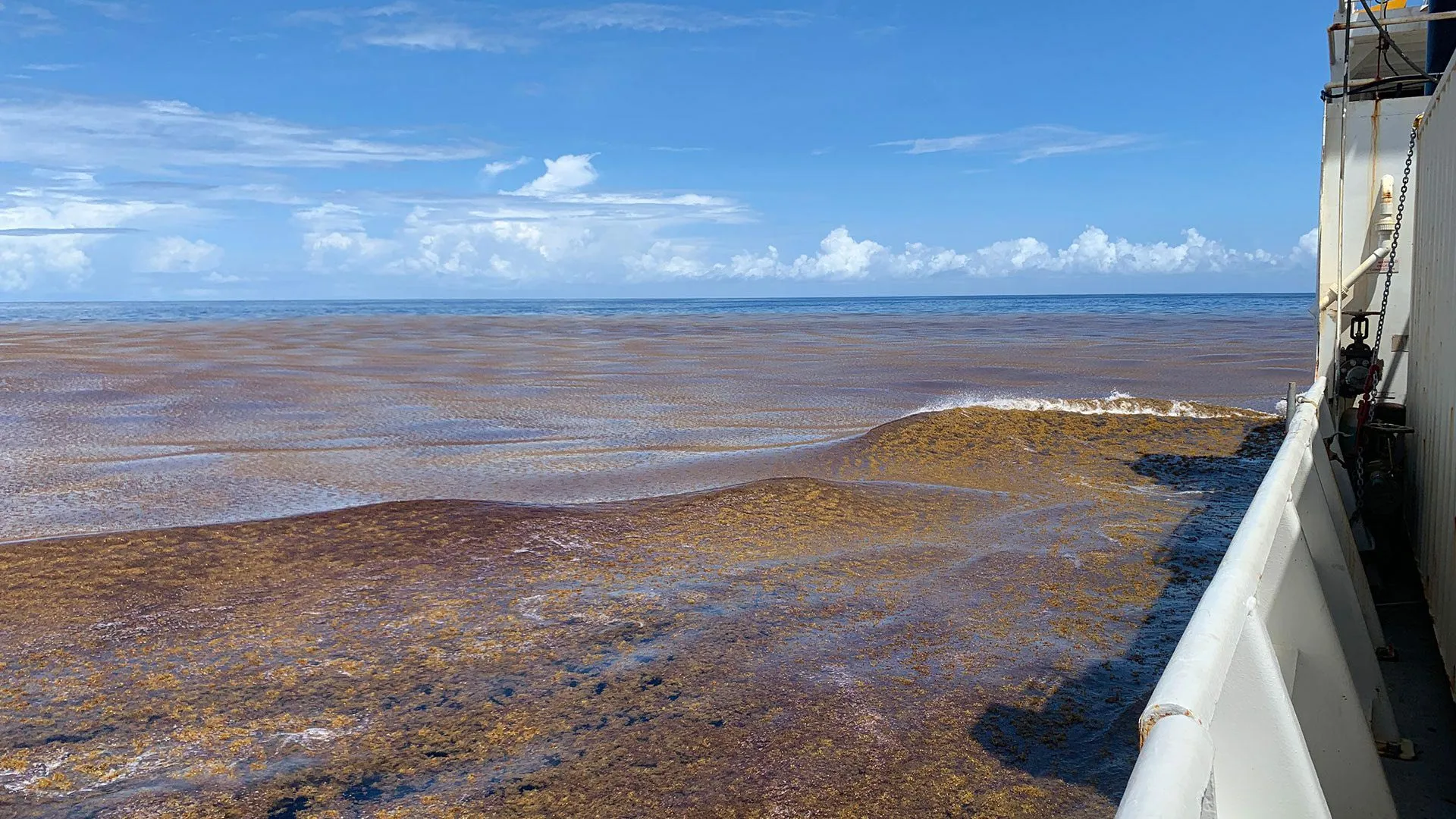
Ocean Algae Blooms Expand Globally, Revealed by AI Analysis
The ocean is changing in ways we can now measure. An AI analysis of 1.2 million satellite images reveals that floating algae blooms are expanding across the global ocean, and the implications are significant. These massive seaweed mats can reshape marine habitats, while their decay brings ecological damage and economic losses to coastlines. This is a clear signal that our ocean intelligence must improve. For a deeper understanding of the systems connecting our seas, see our coverage of the Atlantic Circulation Weakens.

Oil Spill Expands Near Oman, Linked to Russian-Flagged Tanker.
The Caroline Bezengi, laden with Russian crude from Novorossiysk, now trails an expanding oil slick near Oman's coast. The spill's link to a vessel at the heart of sanctioned trade routes is no coincidence; it is a measurable consequence of geopolitical pressure applied at sea. This incident underscores how quickly environmental risk follows maritime decision-making. For context on the broader pattern, our related piece, "Russia Calibrates Export Revenue for Northern Sea Route Icebreaker Fleet," examines Moscow's ongoing calculations.