Boeing
3 stories filed under Boeing on World Data Ocean. The newest of them: “Remote Command Over 2,100 Miles Validates Carrier-Based Drone Integration”, “Next-generation naval aviation contract signals shift toward extended-range maritime capability”, and “Autonomous Refueling: U.S. Navy Advances Maritime Aviation Capabilities”. A U.S. A new fighter contract extends US naval aviation's reach and improves its ability to operate in difficult conditions. A Global Hub for Ocean Intelligence 4 World Data Ocean is a centralized digital platform where researchers, scientists, and ocean enthusiasts converge to… The list below is every Boeing story on World Data Ocean, newest first.
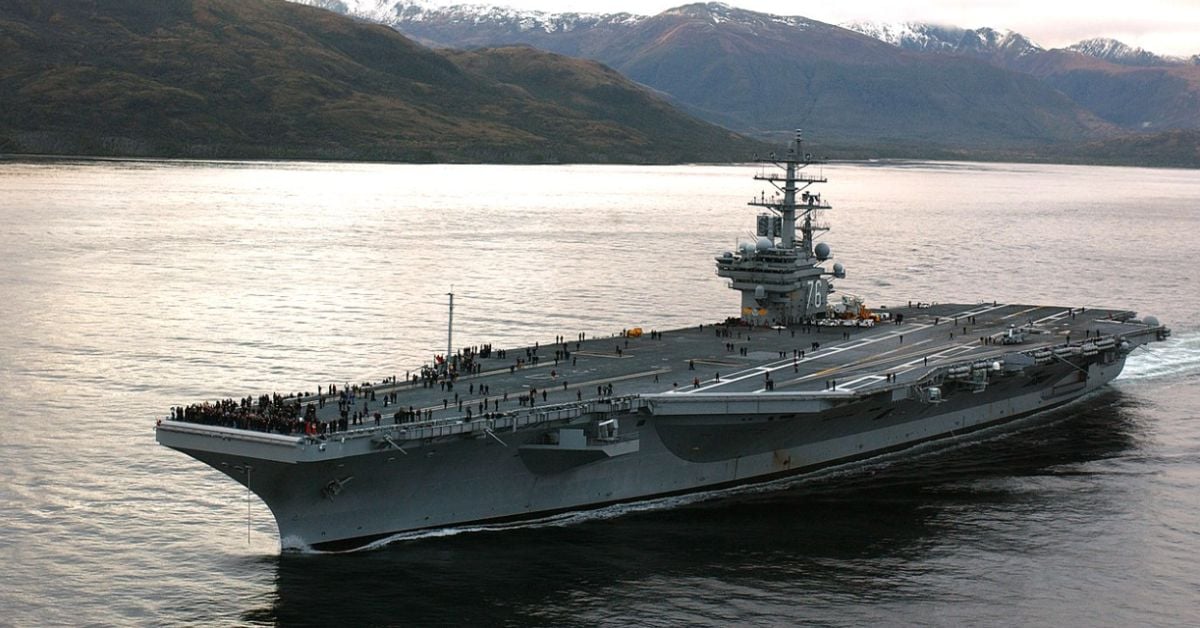
Remote Command Over 2,100 Miles Validates Carrier-Based Drone Integration
A U.S. Navy team connected to and controlled an MQ-25A Stingray from the carrier USS Ronald Reagan, sailing more than 2,100 miles away. This remote command over open ocean validates carrier-based drone integration with empirical precision. It is not a laboratory test; it is calibrated, real-world readiness. For deeper context on how such naval capabilities intersect with regional security, see our coverage of monitoring naval activity in the South China Sea.
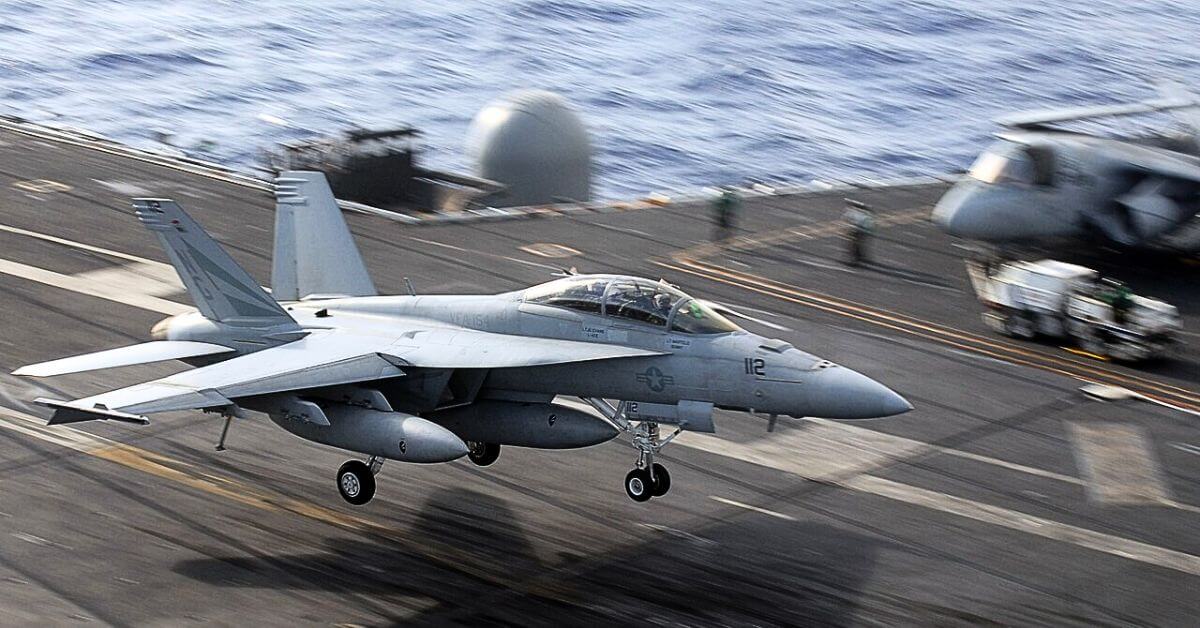
Next-generation naval aviation contract signals shift toward extended-range maritime capability
A new fighter contract extends US naval aviation's reach and improves its ability to operate in difficult conditions. This is not merely an upgrade, it is a measured recalibration of maritime strategy for an era where distance and endurance define advantage. Extended-range capability matters when contested waters demand persistence. For deeper context on how nations are hardening their naval infrastructure, see our coverage of Britain's £6 billion investment in floating dry docks for submarine support. Understanding drives protection.

Autonomous Refueling: U.S. Navy Advances Maritime Aviation Capabilities
The MQ-25A unmanned aerial tanker is set to operate directly from U.S. aircraft carriers, a capability designed to extend the reach of carrier air wings without relying on shore-based support. This is a practical step toward integrating autonomous systems into the heart of naval operations. The platform's success will depend on rigorous testing and seamless integration with existing carrier procedures. For a broader view of how the Navy is structuring these efforts, our related piece on the Navy's new autonomous systems center offers useful context.