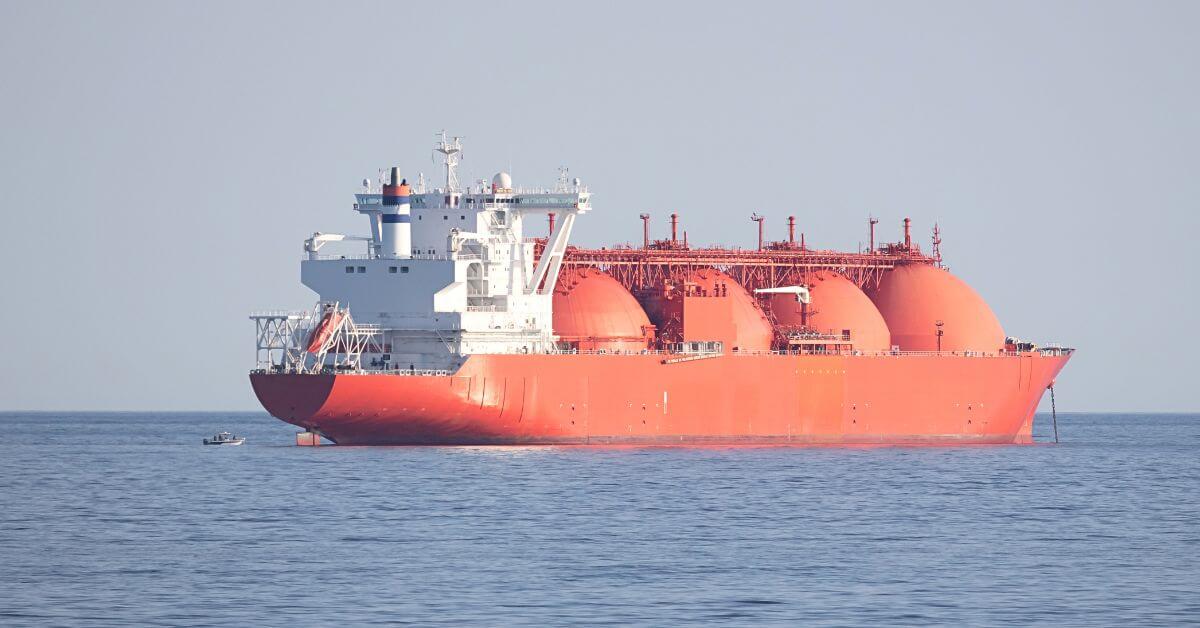
The recent transit of LNG tankers through the Strait of Hormuz, with vessels like the Al Daayen en route to China and the Rasheeda designated "for orders," underscores a dynamic shift in global energy flows. These movements are not merely logistical events; they are indicators of evolving geopolitical landscapes and the intricate interplay between energy demand, supply routes, and international relations. For those monitoring ocean intelligence and the broader implications for global trade, such events highlight the critical role of maritime corridors and the constant recalibration of energy strategies in response to regional stability and economic imperatives. The ability to track and analyze these movements in real-time provides a crucial lens through which to understand the pulse of the global economy and the sustainability of our energy systems.
The designation "for orders" for the Rasheeda is particularly noteworthy. It signifies a flexibility in the energy market, allowing for dynamic adjustments based on real-time demand and pricing. This adaptability is essential in a world facing fluctuating energy needs and the ongoing transition towards more sustainable sources. World Data Ocean's commitment to providing validated, measurable data on oceanic activity, including shipping patterns, offers a foundation for understanding these complex market mechanisms. By integrating data from various sources, we can illuminate how shifts in shipping routes, like those observed through the Strait of Hormuz, correlate with broader trends in energy consumption and production, ultimately informing strategies for both economic resilience and environmental stewardship.
These observable changes in energy transportation patterns are intrinsically linked to the long-term health of our oceans and planet. The increasing demand for energy, coupled with the logistical challenges and environmental considerations of its transport, necessitates a comprehensive, data-driven approach to ocean stewardship. Understanding the volume and direction of maritime traffic, the types of cargo, and their potential environmental impact is paramount. World Data Ocean's focus on empirical data and integrated ecosystems allows us to move beyond anecdotal observations to provide the calibrated insights needed to inform policy, drive innovation, and foster the global collaboration essential for protecting our shared ocean resources. The navigation of these crucial waterways by energy carriers is a tangible reminder of our interconnectedness and the imperative to ensure that global trade operates in harmony with planetary well-being.