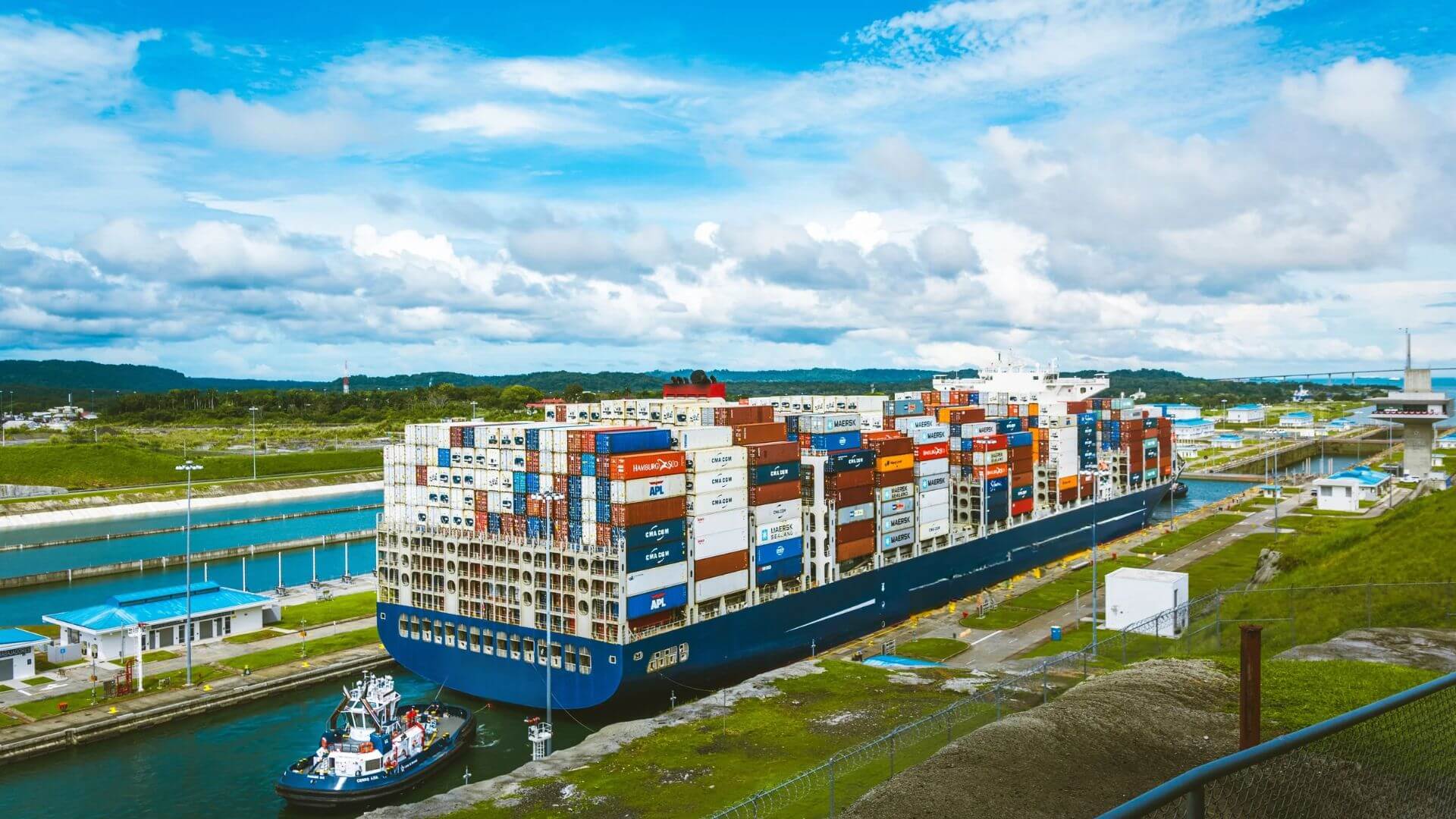
The Panama Canal's measured recovery, restoring its maximum draft to 50 feet and adding a daily transit slot, validates something we have long argued: that empirical, data-driven water management can produce tangible results in a climate-stressed world. This is not a return to normal; it is a calibrated response to improved lake levels and favorable hydrological forecasts, and it deserves attention for what it reveals about the resilience of critical maritime infrastructure. For our readers, whether they are fleet operators, energy traders, or policy analysts, the practical takeaway is clear: the Canal Authority's integrated data ecosystem, combining rainfall monitoring, watershed condition tracking, and real-time lake-level measurement, is the reason this adjustment could be made with confidence. That same approach is now being tested under rising traffic pressure, as disruptions in the Middle East have redirected shipping toward Panama, intensifying competition for transit reservations, particularly among energy carriers. The broader lesson is that ocean intelligence, from hydrological models to transit booking systems, is not a luxury; it is the operational backbone of global trade.
The timing of this announcement is instructive. Just as the Strait of Hormuz Conflict Claims 25 Seafarers, Thousands Stranded underscores the fragility of chokepoint-dependent supply chains, the Canal's measured recovery demonstrates that alternative pathways can be strengthened through empirical planning rather than reactive scrambling. The Authority's decision to add an extra slot for Super-category vessels on the Panamax locks, raising their daily allocation to 19, is a direct response to that redirected demand. But the Canal is still operating with fewer slots than before the September cuts, and the Authority continues to urge advance booking, warning that vessels without reservations could face substantial delays. This is not a full reopening, it is a calibrated adjustment, and it reflects a governance model that prioritizes long-term sustainability over short-term throughput. In parallel, the Ethanol capacity offers a validated pathway for methanol-ready ship fleets study shows how empirical research into alternative fuels can reduce operational uncertainty for shipowners. Both stories point to the same conclusion: that validated, peer-reviewed data, whether on lake levels or fuel compatibility, is the most reliable tool for navigating an era of compounding disruptions.
What matters most now is not the slot count but the system behind it. The Panama Canal Authority's vice president for operations, Boris Moreno Vásquez, has explicitly stated that the Transit Reservation System is the only way to guarantee a passage date. That is a statement of operational integrity, not a marketing claim. It tells us that the Authority is treating its hydrological data as a binding constraint, not a negotiable variable. The immediate consequence to watch is whether the increased draft limit, effective immediately but subject to further adjustment, holds through the coming dry months. If rainfall across the watershed again falls below average, as it did from May to August 2026, those 34 slots and 50 feet of draft could be withdrawn just as quickly as they were restored. The Canal's recovery is real, but it is provisional. That is not a weakness; it is the honest output of a system that reports what it measures, not what it hopes.