global trade
World Data Ocean keeps global trade in one place: 23 stories so far. The section currently leads with “Measurable decline in global plastic waste trade reshapes ocean intelligence”, “Tracing cobalt from Congo's mines to China's refineries maps the supply chain”, and “Yemeni Forces Consolidate Position Along Strategic Bab el-Mandeb Strait”. The global trade of plastic waste has measurably declined over the last decade, a shift with real implications for ocean intelligence. Cobalt's journey from the mines of the Democratic Republic of Congo to China's refineries is a supply chain that demands transparency. A Global Hub for Ocean Intelligence 4 World Data Ocean is a centralized digital platform where researchers, scientists, and ocean enthusiasts converge to… The list below is every global trade story on World Data Ocean, newest first.
Measurable decline in global plastic waste trade reshapes ocean intelligence
The global trade of plastic waste has measurably declined over the last decade, a shift with real implications for ocean intelligence. As we track fewer shipments of discarded materials across borders, we gain a clearer signal of what remains in regional ecosystems. This is an empirical opportunity. Understanding these integrated data flows helps us calibrate pollution models. For deeper context on how environmental data reveals change, see our coverage of warming springs driving earlier cherry blossoms in Japan.
Tracing cobalt from Congo's mines to China's refineries maps the supply chain
Cobalt's journey from the mines of the Democratic Republic of Congo to China's refineries is a supply chain that demands transparency. Most of the world's cobalt is mined in the DRC, but nearly all refining happens in China. This geographic decoupling creates measurable risks, and opportunities, for traceability. Understanding these flows is essential for building a truly integrated data ecosystem around critical minerals. For deeper context on how global shifts reshape our climate indicators, see our related piece on Africa's projected population doubling by 2070.
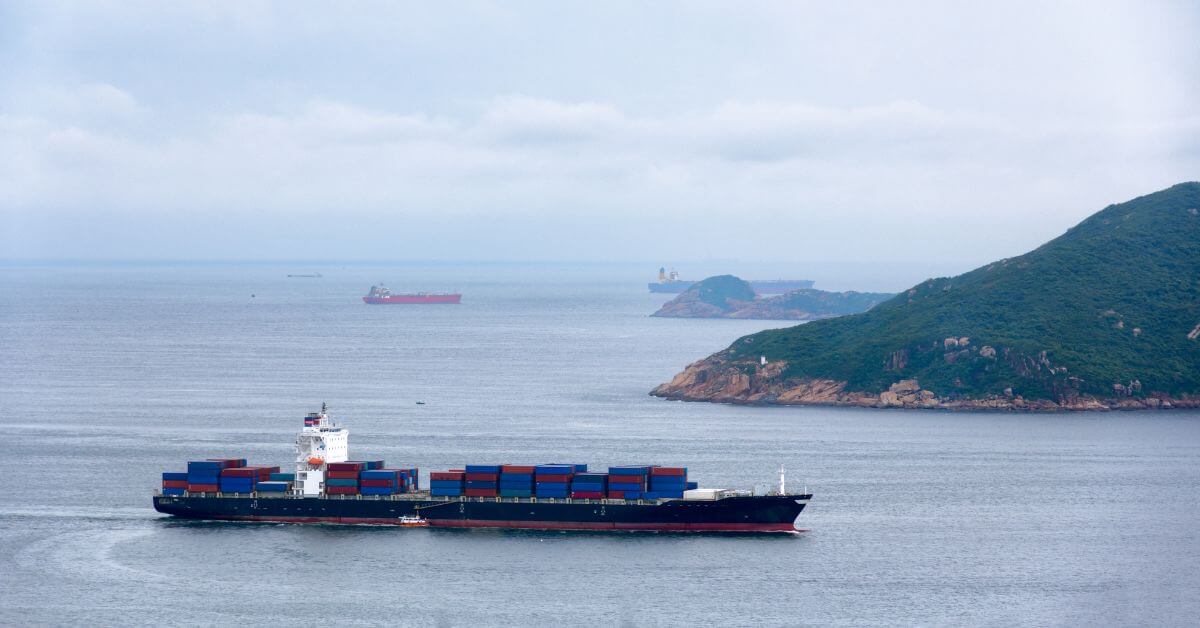
Yemeni Forces Consolidate Position Along Strategic Bab el-Mandeb Strait
Yemeni government forces now hold the Bab el-Mandeb Strait, a choke point for roughly 10 percent of global seaborne oil. This consolidation along the Red Sea coast is a measured, strategic gain, not a call for alarm. Control of this waterway carries real implications for energy security and regional stability. For calibrated context on similar maritime shifts, our coverage of Iraq moving 2 million barrels beyond the Strait of Hormuz offers a parallel read. Understanding these positions is essential, not sensational.
New Seaborne Trade Data Charts Global Economic Currents
New seaborne trade statistics from UNCTAD now chart global economic currents with empirical precision, offering a measurable view of how goods move across the world's oceans. This data matters. Validated shipping flows reveal not just commerce but climate indicators, the pulse of a system under pressure. For deeper context on what this boom means for ocean resilience, see our related coverage on measuring the longevity of a booming ocean economy through integrated climate indicators. Understanding drives protection.
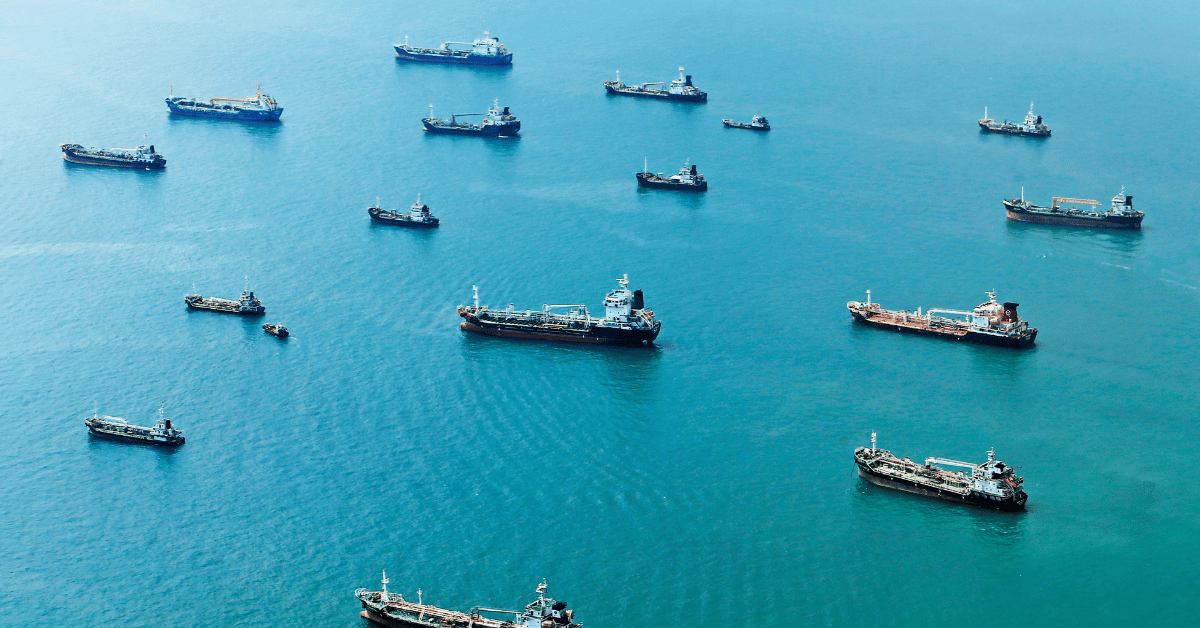
Marine Insurance Premiums Rise to $42.6 Billion Amidst Market Softness
Global marine insurance premiums reached $42.6 billion in 2025, a 5.5% rise that masks a persistent softness beneath the surface. Currency fluctuations, excess capacity, and competitive pressure are keeping underwriters cautious, even as demand holds steady. Growth here is real, but it is not momentum. The market is consolidating around efficiency rather than expansion. For an industry built on assessing risk, the current climate demands sharper data and clearer signals. Those who adapt will lead; those who hesitate will simply follow the current.
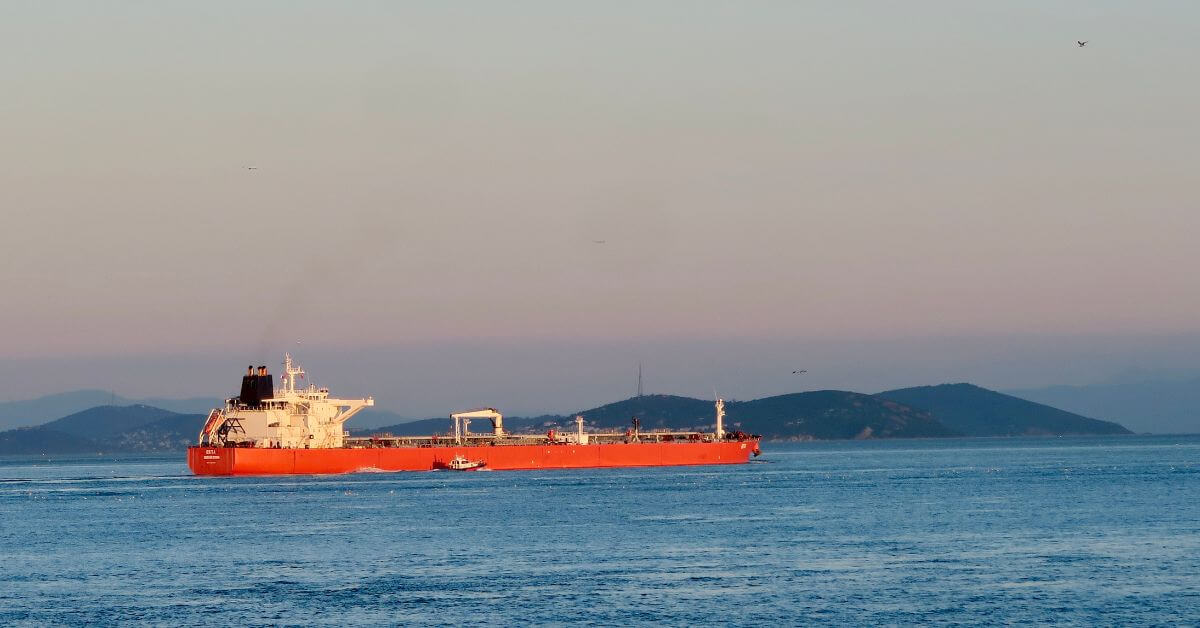
India Establishes Support Network to Safeguard Seafarers in Conflict Zones
India has moved to protect those who carry global commerce through unstable waters, establishing a support network for seafarers in conflict zones. The initiative addresses distress alerts, medical aid, and family communication during emergencies, practical, measurable safeguards for a dangerous reality. This is a purposeful step, and it aligns with the broader maritime momentum seen in our coverage of Paradip Port's designation as a Mega Port. Protecting the people at sea is as essential as expanding the infrastructure they serve.

ICT Development's Role in Decarbonizing Global Maritime Transport
A new study confirms what we've long suspected: ICT development measurably reduces CO₂ emissions from maritime transport. Analyzing data across 111 countries, researchers found that digital infrastructure cuts emissions, but only up to a point. Beyond a certain scale of maritime activity, that benefit weakens. The threshold effect is a sobering reminder that technology alone cannot solve decarbonization. Strategy must scale with operations. For further context on maritime infrastructure growth, see our coverage of Paradip Port's designation as a Mega Port.

Seafarer Safety Paramount Amidst Geopolitical Tensions in U.S.-Iran Conflict
The loss of seafarers in the U.S.-Iran conflict is a tragedy that demands our attention. IBIA's condolences are a sobering reminder: geopolitical tensions carry human costs that validated data cannot measure alone. Protecting those who work our oceans is non-negotiable. This crisis echoes the stakes seen in "Eighty Nations Urge Reopening of Vital Strait of Hormuz Shipping Lane", a channel where safety and security converge. We must integrate maritime intelligence with a commitment to seafarer welfare.
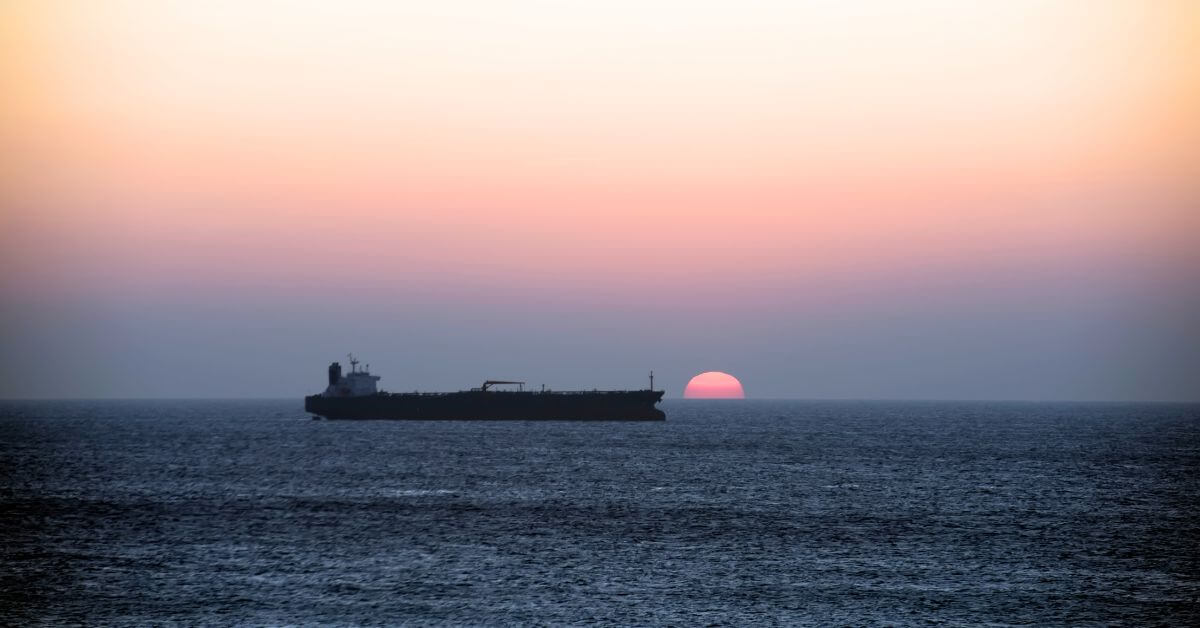
Maritime Trade Faces Fragmentation Amid Sanctions and Evolving Regulations
Maritime trade now confronts fragmentation as sanctions and evolving regulations reshape global shipping routes. Over 80% of the world's goods move by sea, so these shifts carry measurable consequences for supply chains and economies. This is not a moment for alarm, but for calibrated observation. Our recent coverage of the Royal New Zealand Navy's sanctions-monitoring deployment illustrates how nations are adapting. Understanding these dynamics is essential, integrated ocean intelligence helps us track the real-time impact on trade flows and climate indicators alike.
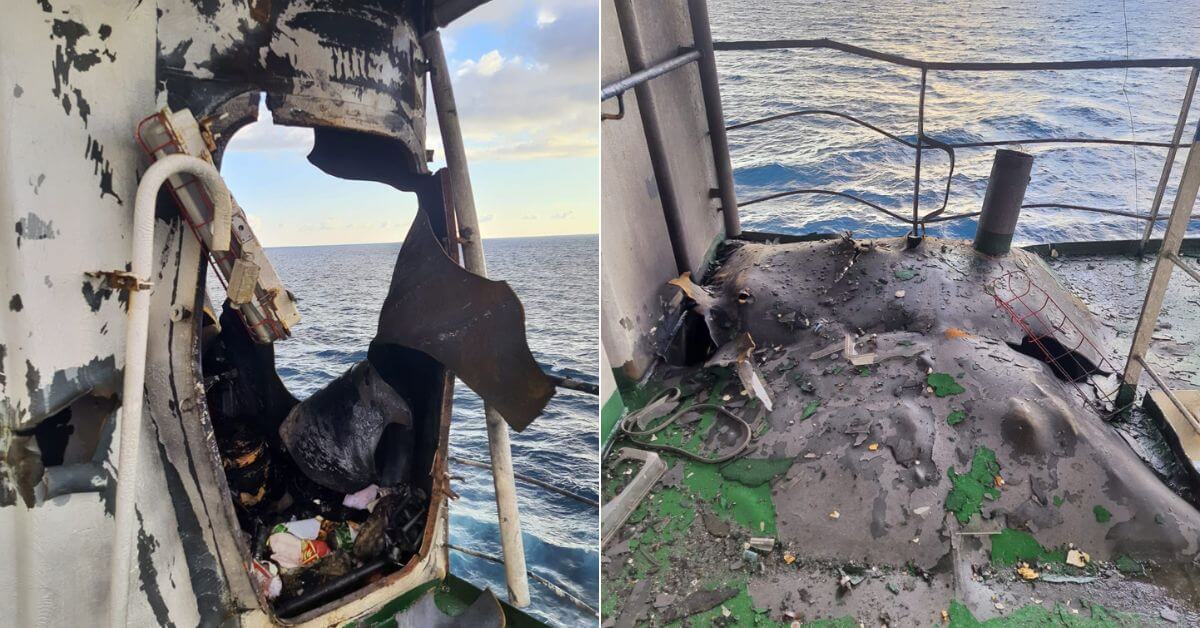
Drone Strike and Fire Imperil Cargo Ship, 23 Seafarers Aboard
The MV BARYON, IMO 9151412, was struck by a drone and fire while en route from Novorossiysk to Karachi, imperiling 23 seafarers aboard. This incident is a sharp reminder that maritime risk is no longer confined to weather or navigation. The threat is asymmetric, and it is here. As our reporting on Gulf of Oman STS transfers and Russian drone activities suggests, the operational picture is shifting. We will be tracking this closely, because safety at sea demands we understand every new vulnerability.
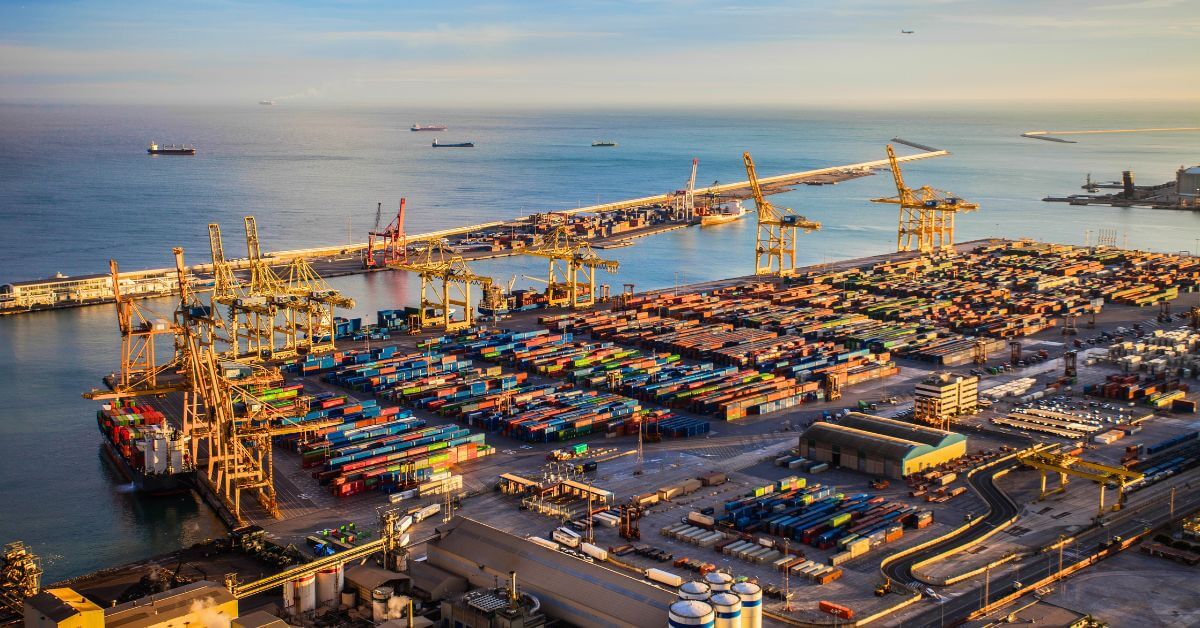
Asian Port Congestion Impacts Global Vessel Reliability.
In July, congestion across Asia's 14 busiest ports drove a measurable decline in global vessel reliability. This is not an abstract metric; it is a concrete signal of how tightly interwoven our logistics and ocean health truly are. When ports stall, the ripple effects are immediate and empirical. We track these shifts because they reveal systemic pressures. For context on maritime resilience, our coverage of the *Integrated Response Saves 25 Seafarers* highlights how crews navigate such volatile conditions.

Maritime Professionals Honored for Service to UK Shipping Industry
Eleven seafarers have earned the Merchant Navy Medal for their service to the UK shipping industry, a recognition that carries weight where it matters most: at sea. This honor reflects the steady, often unseen work that keeps global trade moving and maritime operations sound. We value recognition grounded in demonstrated contribution, and this award delivers exactly that. For more on how maritime efforts extend beyond commerce into security, see our coverage of recent drug interdictions supporting ocean safety. Congratulations to all honored.
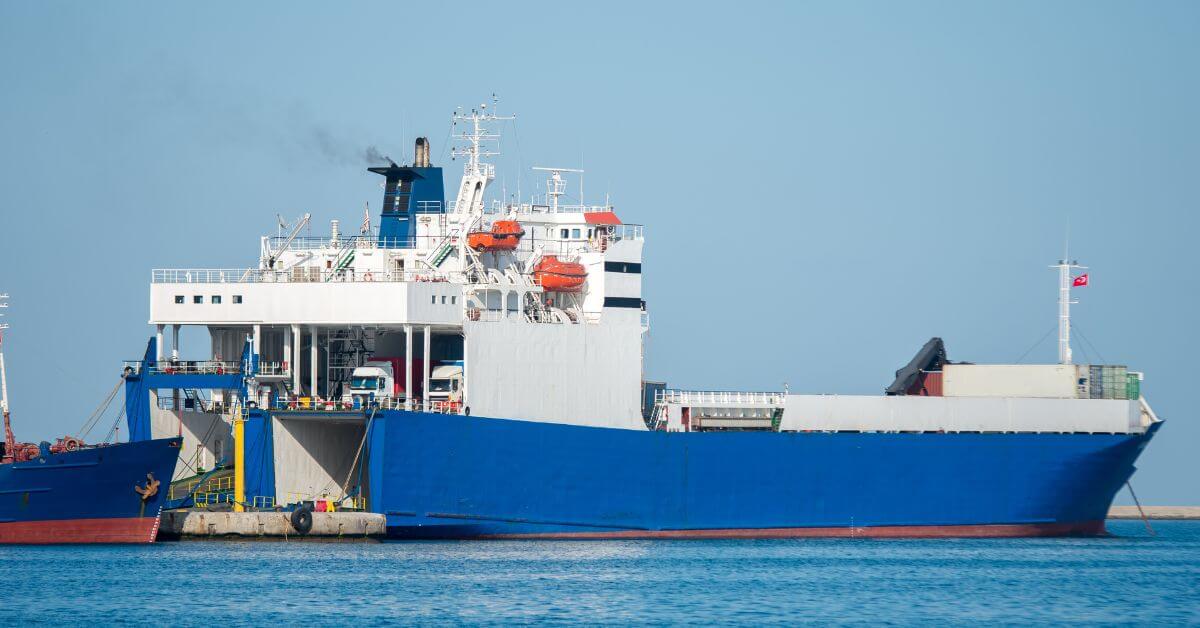
Shipping Constraints Impact Indian Automotive Exports Amid Geopolitical Shifts
India's automotive export engine is idling at the dock. The vessels required to move finished cars out of Indian ports are falling short of demand, a shortage that arrives amid shifting geopolitical currents. This is not a logistical footnote; it is a constraint that will test supply chain resilience. For a sector already navigating global turbulence, the scarcity of shipping capacity adds a measurable layer of pressure. The challenge is clear: without sufficient carriers, momentum stalls.
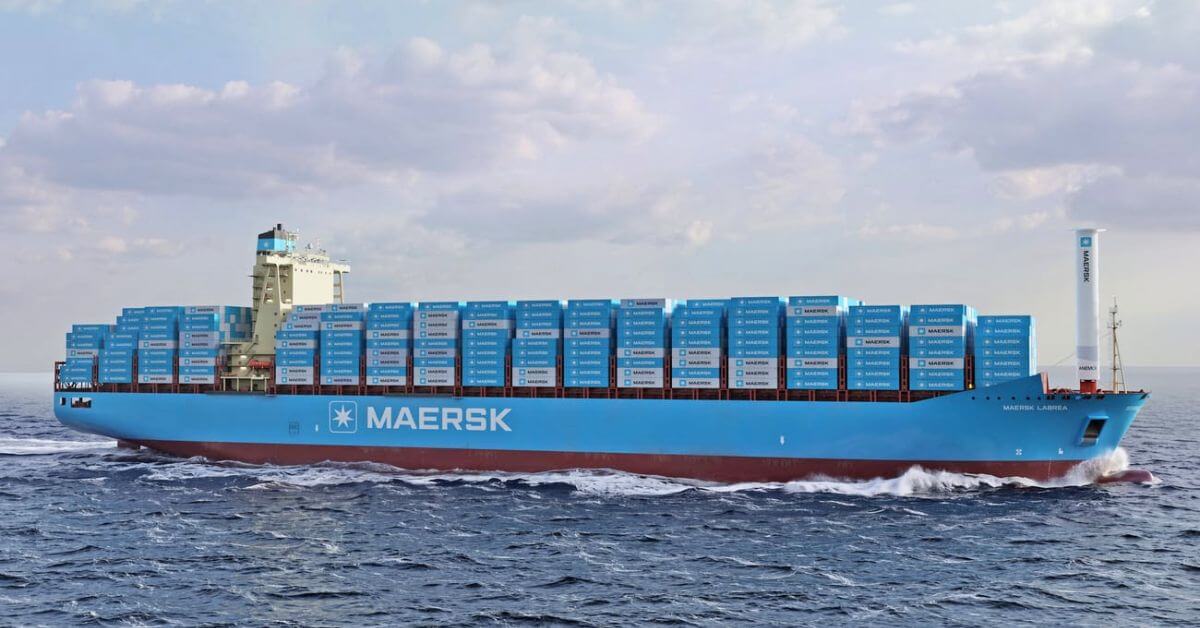
Data-Driven Wind Propulsion: Maersk Integrates Rotor Sail Technology
Anemoi has already fitted its Rotor Sail technology across bulk carriers, and now Maersk is integrating that same system into its fleet. The move signals a practical step toward measurable fuel efficiency, not a gesture. Wind propulsion is no longer a concept study; it is operational hardware earning its place beside conventional power. For readers tracking maritime risk and resilience, our coverage of the drone strike near the Strait of Hormuz shows how quickly operational realities shift.
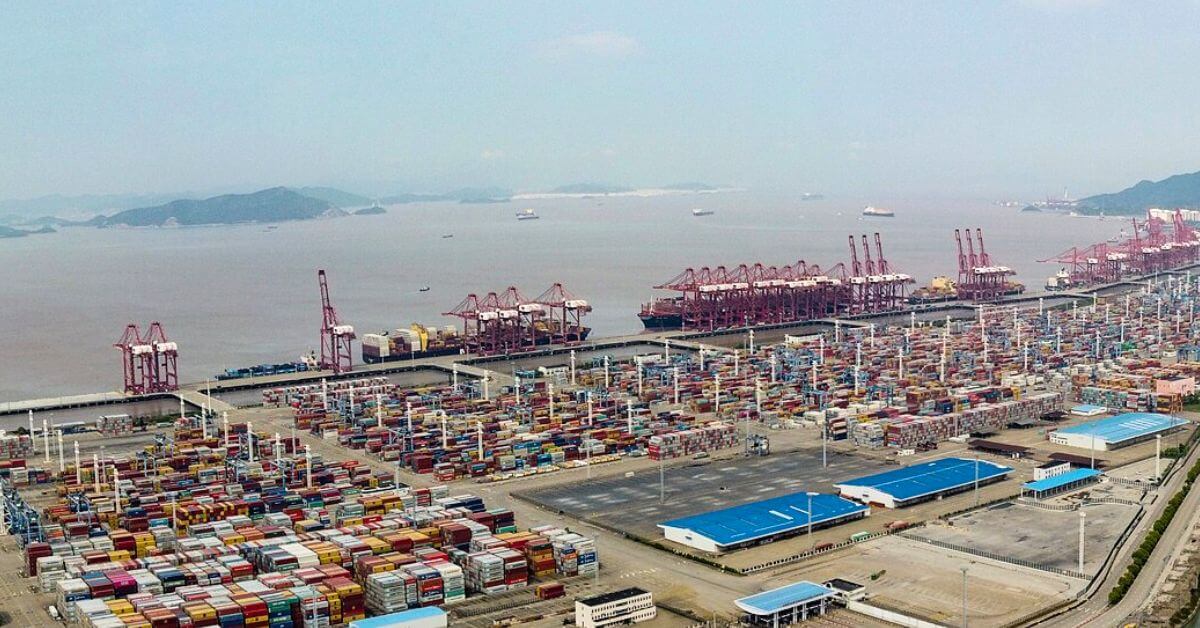
Ningbo-Zhoushan Port Surpasses Singapore, Securing Second Place Globally.
Ningbo-Zhoushan Port moved up the global ranks with 22.90 million TEU in the first half of 2026, an 8.8% year-on-year gain that places it second worldwide. This is what measured, data-driven progress looks like. Singapore's loss is not a setback but a signal of shifting trade currents. For readers tracking maritime momentum, our related piece on Paradi Port's new Mega Port status offers useful context. Growth at this scale demands calibrated investment, and China's port network is delivering it.

Panama Canal: A Century of Trade Navigates Evolving Climate Risks.
The Panama Canal recorded 10,623 deep-draft vessel transits in the first ten months of fiscal year 2026, according to the Panama Canal Authority. That volume underscores a century of trade resilience, yet the waterway now navigates a more volatile climate. We see this as a measure of both engineering endurance and growing environmental pressure. For context, our coverage of El Niño's unprecedented ocean warming offers a stark reminder of what drives such risks. The canal's operations remain a critical climate indicator.

Shipping Industry Cautions Against Transit Tolls in Strait of Hormuz
The shipping industry is pushing back against proposed transit tolls in the Strait of Hormuz, urging caution as Iran and Oman reportedly near an agreement to manage the waterway. The stakes are measurable: this is a critical artery for global energy, and adding costs now could ripple across supply chains still recalibrating from past disruptions. The concern is legitimate, though negotiation details remain thin.

Iranian Official: U.S. Naval Blockade Risks Escalation in Persian Gulf
Iran's military adviser, Mohsen Rezaei, has made the position unmistakable: Tehran will not tolerate a continued U.S. naval blockade in the Persian Gulf. The warning carries weight, but the region's maritime tensions are already stretching elsewhere. As our coverage notes, Gulf of Oman STS transfers are maxing out amid rising Saudi exports, and India is expanding its fleet for a more contested sea. These pressures do not exist in isolation. The Strait of Hormuz remains the fault line where economic pressure meets strategic risk.

Mundra Port Achieves Record Container Volume, Bolstering Indian Ocean Trade.
Mundra Port has set a new benchmark for Indian maritime trade, handling 21,085 TEUs on the MSC AMBRA, the highest container volume ever moved on a single vessel at an Indian port. This record signals more than operational efficiency; it reflects India's growing capacity to manage larger, more demanding shipping flows. For a nation anchoring its trade ambitions on robust port infrastructure, this achievement is a measurable step forward.

Houthis Dispute Transit Fee Claims; Shipping Caution Advised.
Claims of transit fee demands have surfaced, but Houthi officials dispute them, urging caution across shipping lanes. The organisation advises companies against payments or information sharing with unauthorised parties, a measured stance we find reassuring. Clarity here is operational, not optional. For broader context on regional pressures, our coverage of Gulf of Oman STS transfers offers useful perspective. Vessels should verify instructions through official channels. Vigilance, not alarm, remains the operative principle.

Cargo Ship Sinks Near Disputed South China Sea Reef
A Vietnamese cargo ship, the Khoi Nguyen 18, sank Saturday near Fiery Cross Reef, a Chinese-built artificial island in the disputed Spratly Islands. The incident underscores the high-stakes reality of maritime transit through contested waters. Reliable data on vessel movements and regional conditions remains essential for preventing such losses. We track these developments closely. For broader context on regional shipping pressures, our report on the Gulf of Oman STS transfers maxing out offers a useful comparison.

Red Sea Disruption: Houthis Emulate Iran, Impacting Maritime Trade Routes
The Houthis have declared a maritime blockade on Saudi shipping in the Red Sea, launching missiles and drones at the kingdom. This escalation, mirroring Iranian tactics, directly threatens a critical global artery. We view this not as posturing, but as a calibrated disruption with measurable consequences for energy flows. For deeper context on regional shipping pressures, our coverage of Gulf of Oman STS transfers maxing out offers a pertinent parallel. Understanding these integrated pressures is essential for navigating this volatile corridor.

Red Sea Shipping Disrupted: Houthi Actions Impact Global Trade Routes
The Bab el-Mandeb strait, a critical artery for global shipping, is now a flashpoint. Houthi actions have injected a new level of risk into this vital corridor, threatening the steady flow of goods and energy. This disruption demands a measured response, as the implications for trade routes are significant. We must monitor these developments with clear eyes, as the security of our shared ocean economy hangs in the balance.