shipping routes
World Data Ocean keeps shipping routes in one place: 18 stories so far. The section currently leads with “Maritime Trade Faces Fragmentation Amid Sanctions and Evolving Regulations”, “Asian Port Congestion Impacts Global Vessel Reliability.”, and “Iran Enforces Transit Rules in Strait of Hormuz, Threatens Fines and Detentions”. Maritime trade now confronts fragmentation as sanctions and evolving regulations reshape global shipping routes. In July, congestion across Asia's 14 busiest ports drove a measurable decline in global vessel reliability. A Global Hub for Ocean Intelligence 4 World Data Ocean is a centralized digital platform where researchers, scientists, and ocean enthusiasts converge to… The list below is every shipping routes story on World Data Ocean, newest first.
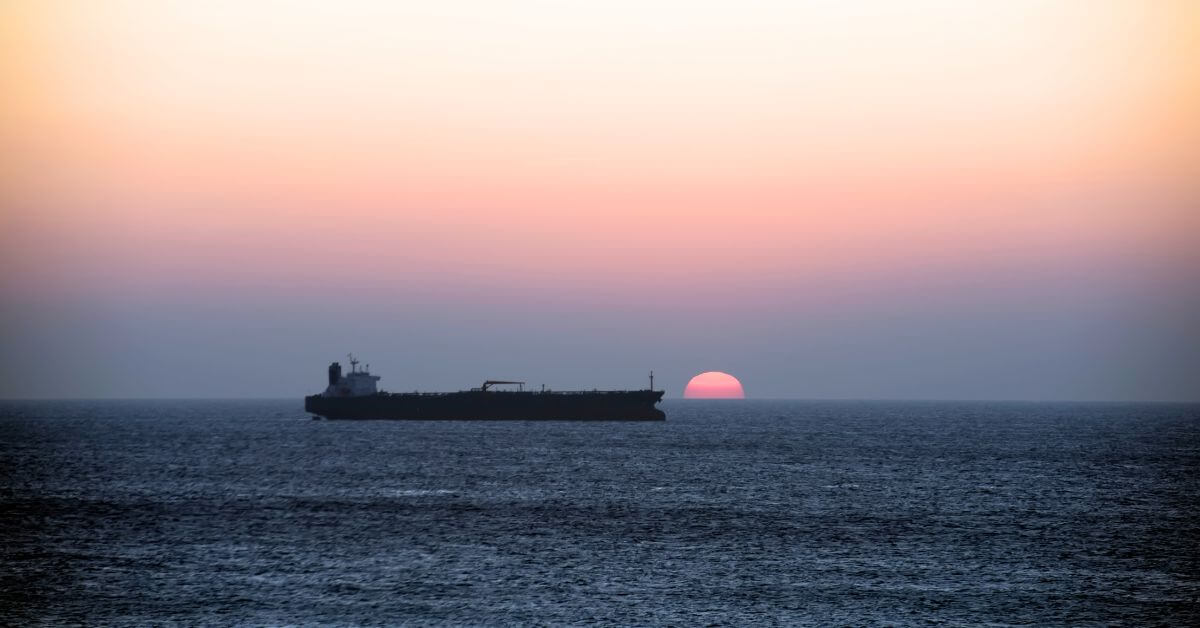
Maritime Trade Faces Fragmentation Amid Sanctions and Evolving Regulations
Maritime trade now confronts fragmentation as sanctions and evolving regulations reshape global shipping routes. Over 80% of the world's goods move by sea, so these shifts carry measurable consequences for supply chains and economies. This is not a moment for alarm, but for calibrated observation. Our recent coverage of the Royal New Zealand Navy's sanctions-monitoring deployment illustrates how nations are adapting. Understanding these dynamics is essential, integrated ocean intelligence helps us track the real-time impact on trade flows and climate indicators alike.
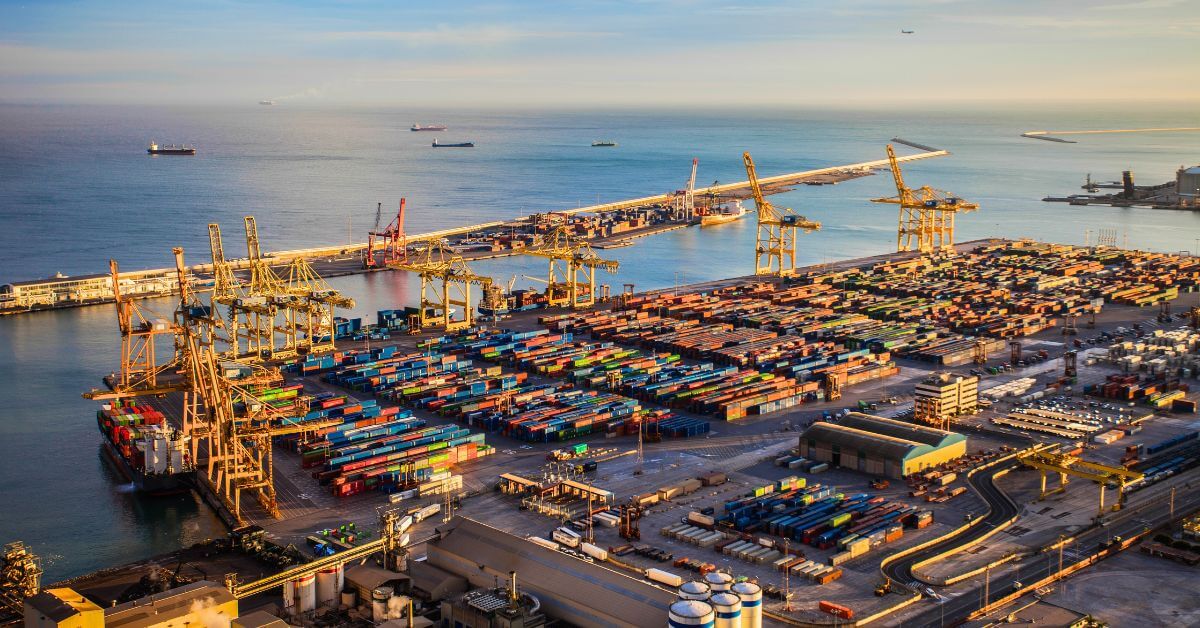
Asian Port Congestion Impacts Global Vessel Reliability.
In July, congestion across Asia's 14 busiest ports drove a measurable decline in global vessel reliability. This is not an abstract metric; it is a concrete signal of how tightly interwoven our logistics and ocean health truly are. When ports stall, the ripple effects are immediate and empirical. We track these shifts because they reveal systemic pressures. For context on maritime resilience, our coverage of the *Integrated Response Saves 25 Seafarers* highlights how crews navigate such volatile conditions.

Iran Enforces Transit Rules in Strait of Hormuz, Threatens Fines and Detentions
Iran's Ports and Maritime Organization now threatens fines and detentions for ships bypassing transit rules in the Strait of Hormuz, extending scrutiny to vessels linked with those already on its Non-Compliant Vessels list. The move tightens a choke point already strained by regional oil flows. Enforcement here is measured, but the message is clear: compliance is not optional. For broader context, our related piece on Gulf of Oman STS transfers shows how pressure is building across nearby shipping lanes.

Panama Canal: A Century of Trade Navigates Evolving Climate Risks.
The Panama Canal recorded 10,623 deep-draft vessel transits in the first ten months of fiscal year 2026, according to the Panama Canal Authority. That volume underscores a century of trade resilience, yet the waterway now navigates a more volatile climate. We see this as a measure of both engineering endurance and growing environmental pressure. For context, our coverage of El Niño's unprecedented ocean warming offers a stark reminder of what drives such risks. The canal's operations remain a critical climate indicator.

Red Sea Tensions Rise: Houthis Report Strike on Saudi Vessel
The latest Houthi claim of a strike on a Saudi vessel lands with familiar weight, arriving just days after a missile attack killed six crew members aboard the cargo ship *Tihamah* in the Bab al-Mandeb Strait. Each incident tightens the knot on maritime security, and the pattern is measurable. These are not isolated provocations; they are pressure points on a route that sustains global trade.

Chinese Naval Fleet Deploys for Enhanced Maritime Security in Key Waters
The Chinese Naval Fleet's deployment, featuring the guided-missile destroyer Kunming, frigate Yueyang, and supply ship Luomahu, is a calibrated move toward enhanced maritime security in key waters. This is not about posturing; it is about maintaining measurable readiness where sea lanes demand vigilance. The integration of surface and support vessels reflects a practical approach to stability. For context on regional pressures, our recent coverage of the Gulf of Oman STS Transfers Max Out highlights how maritime chokepoints are already straining. Understanding these dynamics drives protection.

Charting New Maritime Pathways: Iran and Oman Negotiate Hormuz Route.
Iranian Foreign Minister Abbas Araqchi confirmed that a deal with Oman would establish new shipping routes through the Strait of Hormuz once conditions are met. The negotiation signals a practical step toward stabilizing a waterway critical to global energy flows. Diplomatic progress here matters, though implementation will test both sides. For context on how pressure is building in nearby waters, our piece on Gulf of Oman STS transfers offers useful background. Measured agreements are welcome, but the real measure lies in execution.

Maritime Coalition Deployed to Safeguard Red Sea Trade Routes.
A coalition of member states has deployed to safeguard Red Sea trade routes, with the alliance focused on protecting freedom of navigation, international commerce, and energy supply lines. The move reflects a measured commitment to maritime stability in a region where disruption carries global consequences. Protecting these waters is not optional; it is foundational to the interconnected systems that sustain economies.

Integrated Shipping Lanes: Iran and Oman Calibrate Transit Through Hormuz.
Iran and Oman have agreed on the transit routes ships will use through the Strait of Hormuz, a calibrated step toward stabilizing one of the world's most critical maritime chokepoints. The arrangement signals practical diplomacy at work, replacing uncertainty with measurable coordination. For shippers and nations alike, this is ocean intelligence in its most actionable form: clear lanes, agreed parameters, and a shared commitment to keeping trade moving.

Protecting Indian Shipping: Union Calls for Naval Presence in Red Sea
The Forward Seamen's Union of India has called on the Modi Government to deploy Navy warships in the Red Sea, a direct response to mounting threats against Indian vessels and the seafarers who crew them. The request is measured and necessary. Protecting commercial routes is not an act of aggression; it is the baseline for stable trade and safer transit. This aligns with broader strategic discussions, including India's planned naval expansion toward a more contested maritime future.

Securing Maritime Routes: Urgent Global Action Needed to Protect Shipping.
Attacks on commercial shipping across the Black Sea, Red Sea, Gulf of Aden, and Strait of Hormuz are no longer isolated incidents; they are a coordinated challenge to global trade. This pattern demands a unified, empirical response, not reactive patchwork. The data is clear: maritime routes are increasingly contested, and the cost of inaction is measurable. We support urgent, collaborative action to protect these vital corridors. For deeper context on the region's pressures, our coverage of Gulf of Oman STS transfers offers a relevant perspective.

Heightened Maritime Security: India Bolsters Protection for Seafarers in Gulf of Aden
Piracy incidents in the Gulf of Aden have prompted India to act, with the DGMA issuing Circular No. 40 of 2026 to bolster seafarer protection. This measured response reflects a practical understanding of the risks, prioritizing crew safety without alarmism. It is a decisive step toward safeguarding vital shipping lanes. For broader context on regional threats, readers may consult our coverage of "Puntland Forces Intercept Hijacked, US-Sanctioned Oil Tanker After 48 Hours."

Disagreement Over Hormuz Strait Impacts Vital Shipping Route Accessibility.
The latest disagreement over the Strait of Hormuz marks a direct setback to reopening one of the world's most vital energy arteries after months of conflict. Progress was never guaranteed, but this stalling carries measurable weight for global shipping and climate-dependent supply chains. The path forward demands calibrated negotiation, not posturing. For context on how regional pressures are already reshaping oil flows, our related coverage on Gulf of Oman STS transfers maxing out offers a clearer picture of the strain.

Solar-Powered Car Carrier Embarks on Global Shipping Routes
A solar-powered car carrier is set to enter global trade routes, leased to Hyundai Glovis for service connecting Asia, Southeast Asia, North America, and Europe. The move aligns with broader efforts to integrate cleaner propulsion into commercial shipping. For context on how vessel design is evolving alongside fuel efficiency, our piece on optimal LNG carrier design offers useful comparison. This deployment signals measurable progress in applying renewable energy to high-traffic ocean corridors.

Microplastic Pollution Assessed Across Key International Shipping Routes
Aboard the research vessel *Jaywun*, 100 surface-water samples now trace a microplastic story across the Atlantic, Mediterranean, Red Sea, and Arabian Gulf. Concentrations swung from 4 to 290 particles per liter, with polyester and PET dominating the mix. The Arabian Sea carried the heaviest load, while the Strait of Gibraltar surprised with a localized peak.

Strait of Hormuz Incident Highlights Navigation Risks and Geopolitical Tensions
The Islamic Revolutionary Guard Corps' warning is blunt: vessels heeding American influence and charting unsafe routes will face accidents. The Strait of Hormuz remains a flashpoint where navigation risk and geopolitical posturing converge. This is not hyperbole; it is a calibrated assertion of control over a critical maritime artery. For shippers, the calculus is stark. While diplomatic efforts like the phased negotiations may offer a path forward, the immediate reality demands vigilance. Understanding drives protection, and here, the data must guide every transit decision.

Increased Threat Levels Prompt Shipping Pause in Strait of Hormuz
The Strait of Hormuz has reached a critical threshold. Greek maritime security firm Diaplous has advised shipping companies to pause voyages through the waterway, citing a heightened threat level that demands immediate attention. This is a measured, necessary step for operational safety. The risk is real, and the guidance reflects a sober assessment of conditions. For context on the broader pressures facing this route, our related piece, "Phased Negotiations Aim to Ease Restrictions on Strait of Hormuz," outlines diplomatic efforts that remain stalled.

Naval Operations Impact Regional Shipping and Maritime Security.
CENTCOM's position is clear: commercial vessels transiting regional waters will continue to receive support, provided they respect the blockade. It is a calibrated stance, one that balances operational necessity with maritime stability. The decision reinforces that security in these shipping lanes is not abstract; it is measured, enforceable, and tied to compliance. This is not about rhetoric. It is about maintaining order where the margins for error are thin.