Bangladesh
Bangladesh at World Data Ocean is a file of 7 stories. The newest of them: “Methanol from Bogibeel signals Dibrugarh's return to international river trade”, “Dispute Over Chattogram Port Lease Sparks Labor Union Protest.”, and “Maersk Considers Bangladesh Shipbuilding Investment, Recycling Potential Explored”. A methanol shipment from Bogibeel will soon sail down the Brahmaputra, marking Dibrugarh's measured return to international river trade. A decision to lease the New Mooring Container Terminal at Chattogram Port has triggered a peaceful protest from labor unions, who are organizing against the government's move. A Global Hub for Ocean Intelligence 4 World Data Ocean is a centralized digital platform where researchers, scientists, and ocean enthusiasts converge to… The list below is every Bangladesh story on World Data Ocean, newest first.
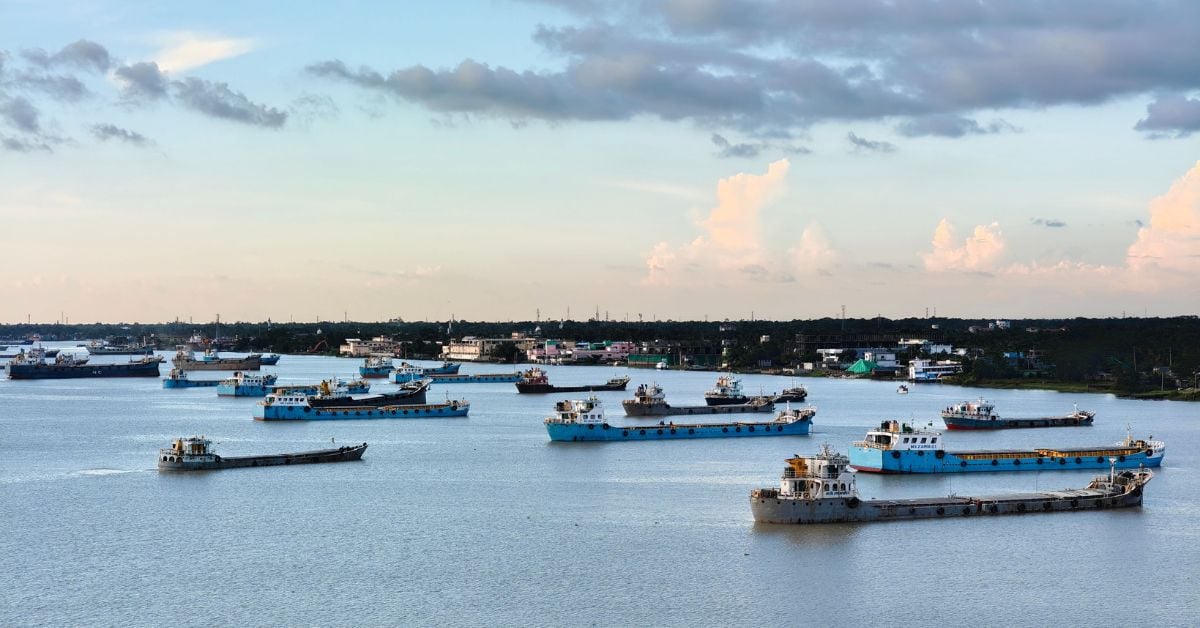
Methanol from Bogibeel signals Dibrugarh's return to international river trade
A methanol shipment from Bogibeel will soon sail down the Brahmaputra, marking Dibrugarh's measured return to international river trade. This is not merely a cargo movement, it is a calibrated re-entry into a historic commercial artery. Trade on this river carries long-term value for regional connectivity and climate-conscious logistics. For deeper context on the Brahmaputra's commercial revival, readers can explore our coverage of Brahmaputra River Cruises Expand With Two New Ships by 2030.
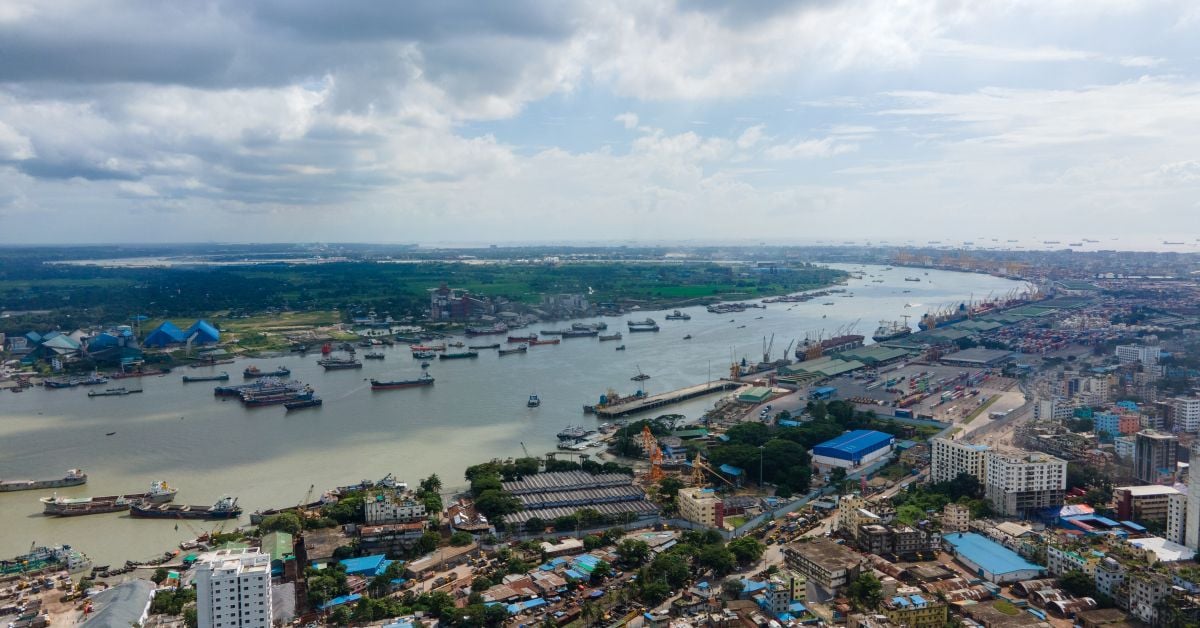
Dispute Over Chattogram Port Lease Sparks Labor Union Protest.
A decision to lease the New Mooring Container Terminal at Chattogram Port has triggered a peaceful protest from labor unions, who are organizing against the government's move. The dispute centers on a facility that anchors Bangladesh's primary maritime gateway, and the pushback signals real friction between operational reform and workforce trust. Labor's concerns deserve attention; port efficiency hinges on more than infrastructure, it depends on the people who run it.
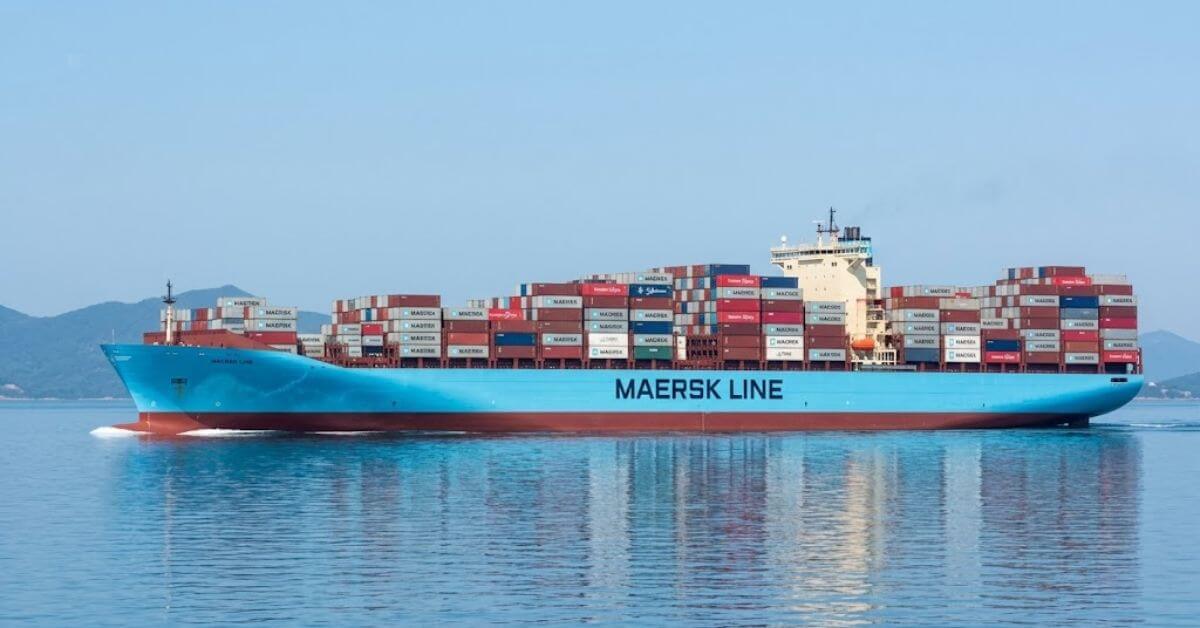
Maersk Considers Bangladesh Shipbuilding Investment, Recycling Potential Explored
AP Moller-Maersk is weighing direct investment in Bangladesh's shipbuilding sector, a move that pairs commercial pragmatism with the country's growing recycling potential. The logic is sound: established yards and expanding industrial capacity offer Maersk a foothold in a region where vessel construction and end-of-life dismantling increasingly overlap. This is not speculative ambition; it is calibrated expansion. For context on how similar partnerships are shaping regional capabilities, our piece on the collaborative shipbuilding initiative in India offers a useful counterpoint.
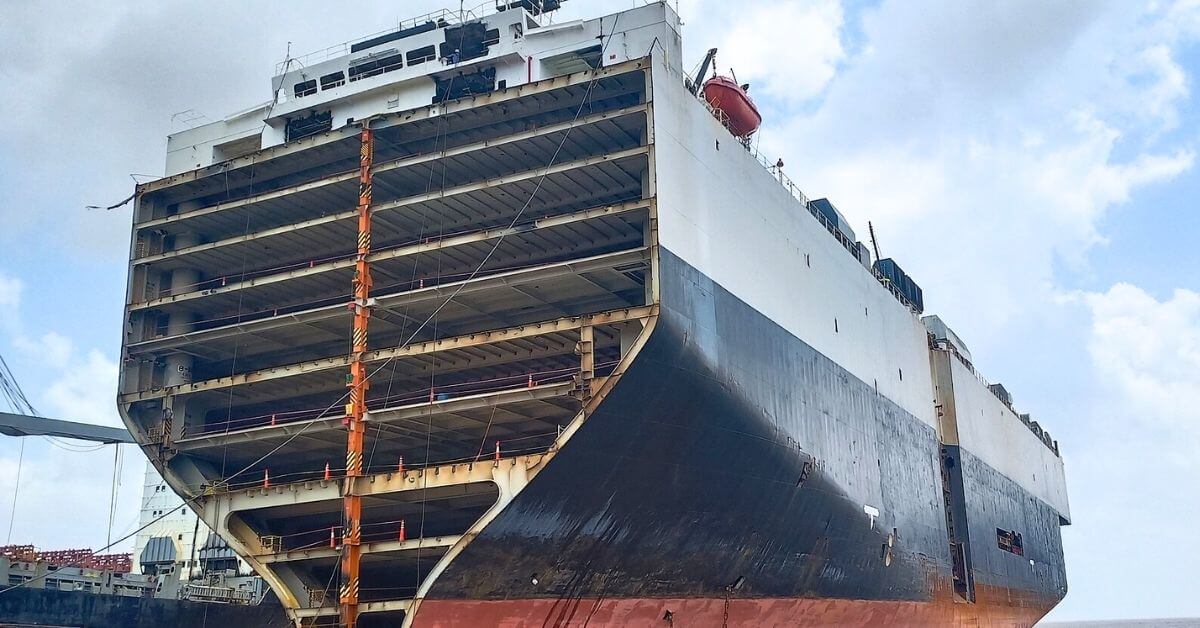
EU Ship Scrapping Trends: Outsourcing to South Asia Raises Concerns
The vast majority of EU-owned and EU-flagged ships are sent to be scrapped in India, Pakistan, and Bangladesh, where working conditions are often poor. This outsourcing raises serious concerns about accountability. We cannot claim progress in ocean stewardship while our vessels meet their end in ways that undermine that very principle. Understanding drives protection, and this trend demands scrutiny. For broader context on how maritime infrastructure is evolving, our related coverage on the integrated subsea cables enhancing Indian Ocean connectivity offers a useful counterpoint.

Lifeboat Recovered, Search Continues for Missing Crew in Bay of Bengal
The Indian Coast Guard ship *Varad* recovered the lifeboat from the Bay of Bengal at approximately 7 a.m. Tuesday, yet the search for the missing crew continues. A boarding team inspected the craft and found no survivors. The absence of personnel raises sobering questions about the sequence of events. This measured outcome underscores the urgency of coordinated search efforts. For broader maritime context, our related coverage, including "Integrated Subsea Infrastructure Shifts to Enhance Indian Ocean Connectivity," highlights the region's growing strategic importance.

Bulk Carrier Sinks in Bay of Bengal; 22 Seafarers Missing.
A bulk carrier carrying 72,000 tonnes of iron ore from India's Paradip Port to China has sunk in the Bay of Bengal, leaving 22 seafarers missing. The loss is a stark reminder that maritime routes, however routine, remain exposed to sudden catastrophe. Search efforts continue, but each hour narrows the window for survival. Such incidents underscore why real-time data and integrated ocean intelligence matter, not as abstract concepts, but as tools that can guide safer passage.

Fatal Gas Leak Highlights Risks in Bangladesh's Shipbreaking Industry
A fatal gas leak has forced the Department of Environment to keep a shipbreaking yard closed until its environmental clearance is renewed, a decision that underscores the human cost embedded in Bangladesh's recycling economy. This is not an abstract regulatory wrinkle; it is a concrete failure of oversight with lethal consequences. The yard's closure is warranted, yet it raises a pressing question: why was it operating at all?