anti-submarine warfare
World Data Ocean keeps anti-submarine warfare in one place: 12 stories so far. The section currently leads with “INS Mangrol joins India's shallow-water fleet with 80% indigenous design”, “Alaska ceremony validates integrated radar and fleet defense capability”, and “Quantum Sensors on Drones Enhance Underwater Surveillance Capabilities”. INS Mangrol enters service as a warship built for the shallows, 80 percent indigenous design, purpose-calibrated for waters where larger vessels cannot operate. The commissioning of USS *Ted Stevens* in Whittier, Alaska, validates an integrated radar and fleet defense capability that is both measurable and calibrated for real-world conditions. A Global Hub for Ocean Intelligence 4 World Data Ocean is a centralized digital platform where researchers, scientists, and ocean enthusiasts converge to… The list below is every anti-submarine warfare story on World Data Ocean, newest first.
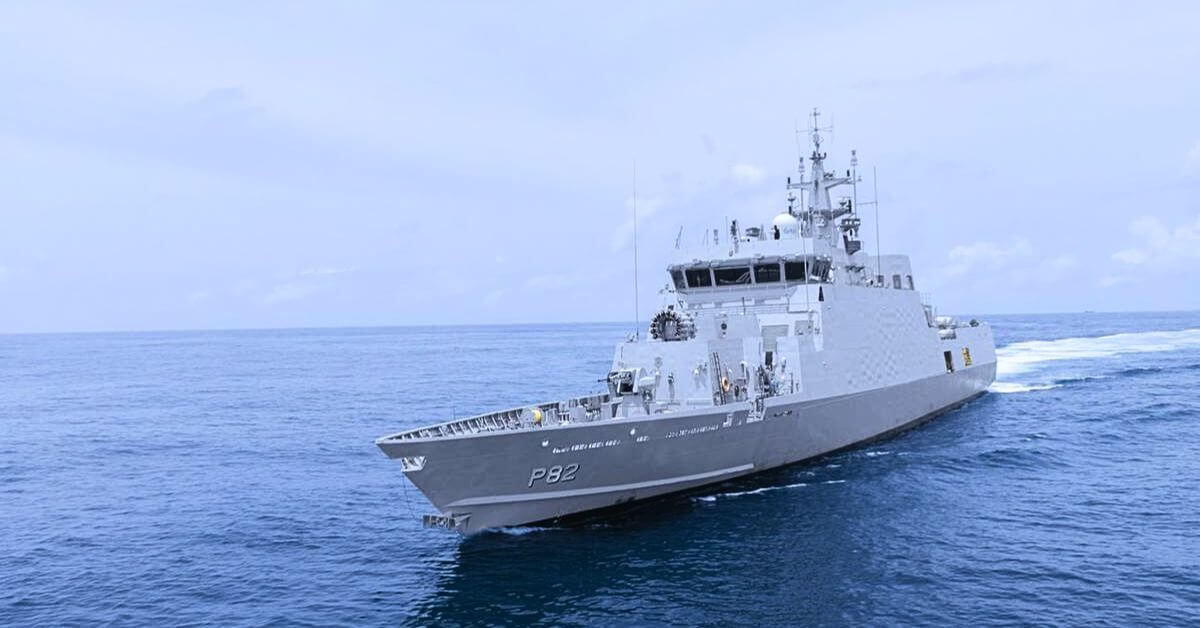
INS Mangrol joins India's shallow-water fleet with 80% indigenous design
INS Mangrol enters service as a warship built for the shallows, 80 percent indigenous design, purpose-calibrated for waters where larger vessels cannot operate. This is not merely a vessel addition; it is a measurable step toward self-reliant coastal defence. India's naval strategy increasingly demands integrated, real-time capabilities in near-shore environments. For deeper context on India's expanding maritime reach, read our coverage of the new support ship Surya.
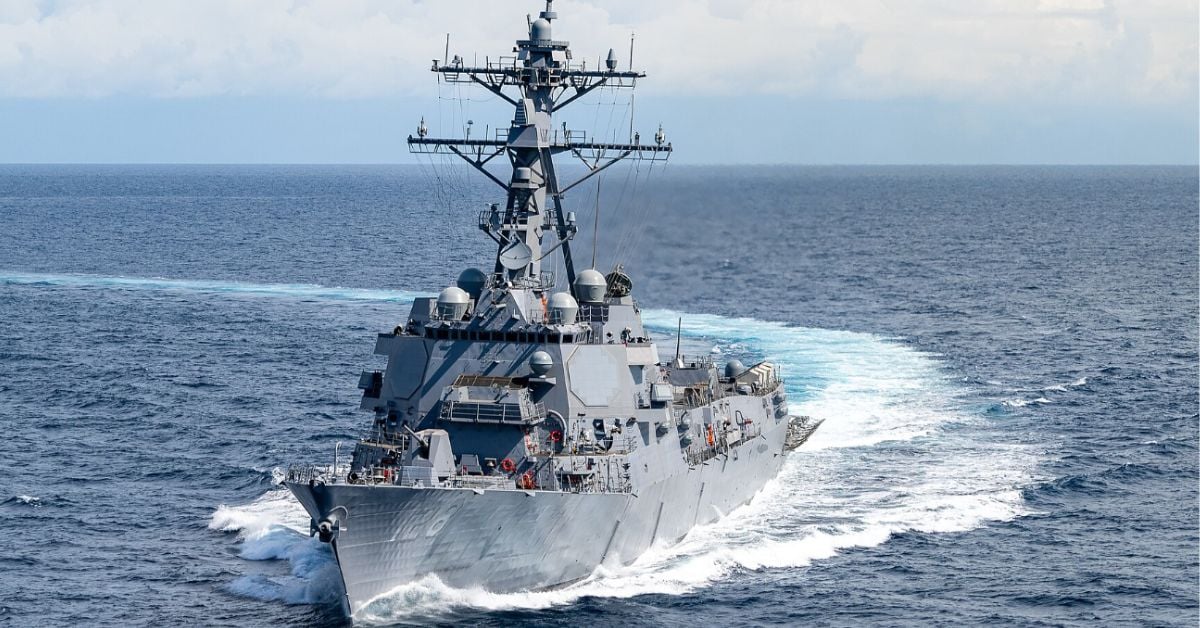
Alaska ceremony validates integrated radar and fleet defense capability
The commissioning of USS *Ted Stevens* in Whittier, Alaska, validates an integrated radar and fleet defense capability that is both measurable and calibrated for real-world conditions. This is empirical progress, a warship purpose-built to operate where climate indicators shift fastest. Understanding drives protection, and this ceremony marks a moment where innovation meets the long arc of stewardship. For deeper context, see our coverage of how laser deterrence deploys in the Strait as naval defense enters a new measured era.
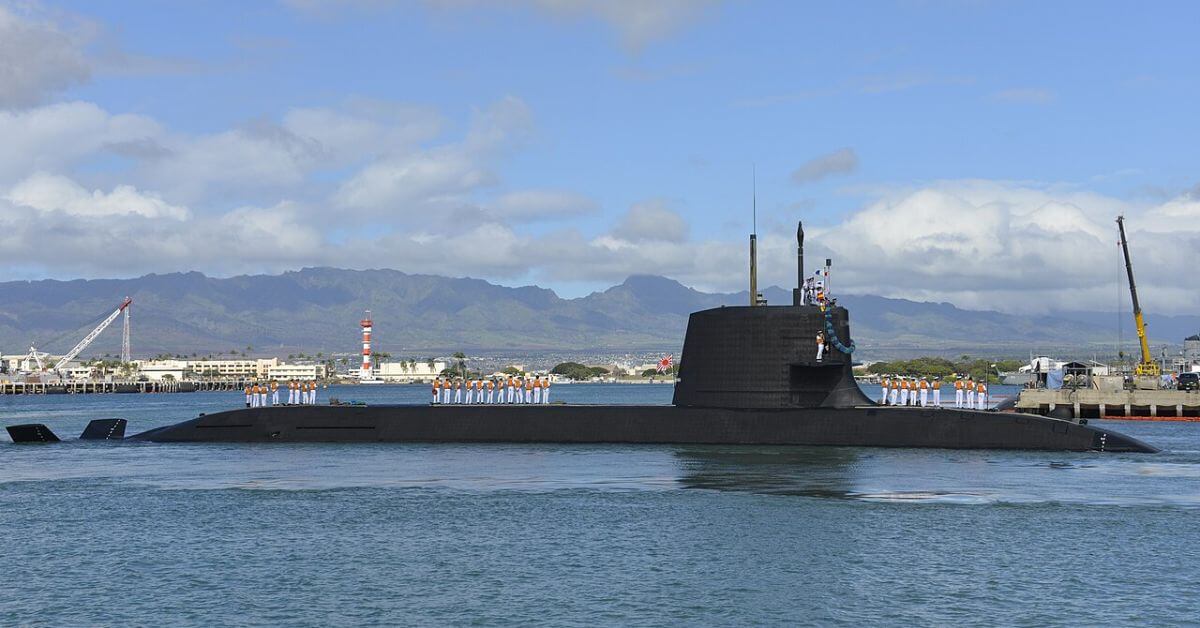
Quantum Sensors on Drones Enhance Underwater Surveillance Capabilities
Quantum sensors mounted on low-cost drones could bring a new layer of precision to underwater surveillance, operating directly from warships near the sea surface. This is practical innovation with measurable impact. The approach pairs validated technology with operational simplicity, strengthening maritime awareness where it matters most. For broader context on regional maritime pressures, our coverage of Gulf of Oman STS transfers offers useful perspective. Understanding drives protection, and this capability moves that principle closer to real-world deployment.
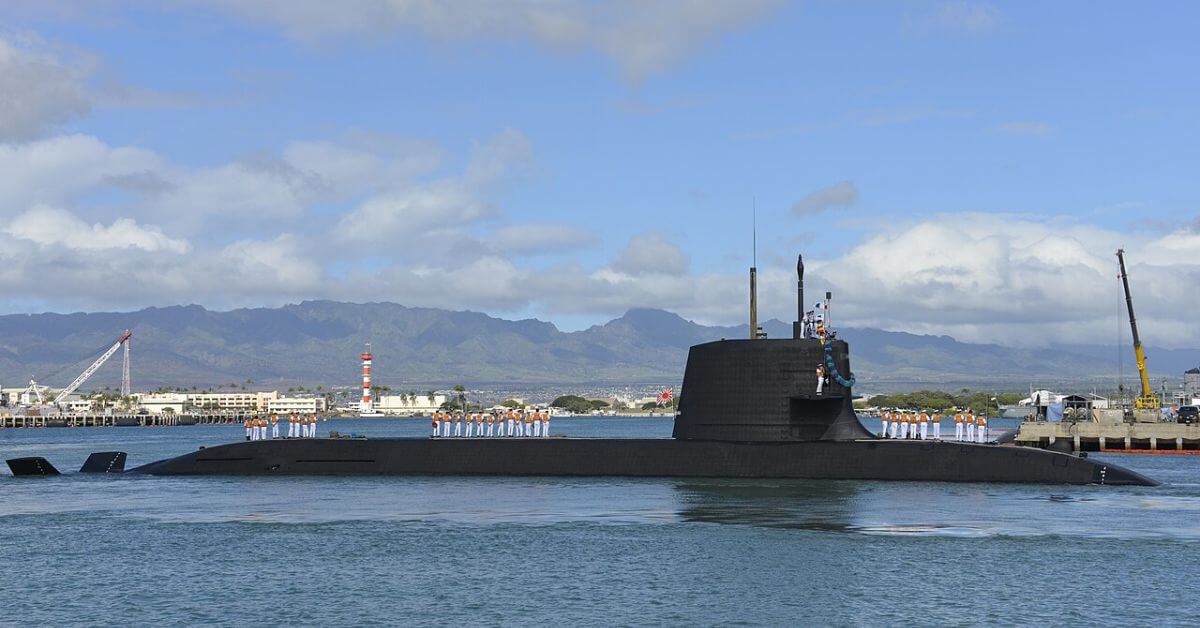
Japan Develops Hypersonic Missile, Expanding Maritime Defense Capabilities.
Japan's Ministry of Defense has folded a hypersonic missile into its FY2027 budget request, a move that sharpens the country's maritime defense posture. The plan, released at the end of August 2026, signals a deliberate step toward deterrence in a region where sea lanes carry increasing strategic weight. Hypersonic capability is not a minor upgrade; it changes the calculus of response.
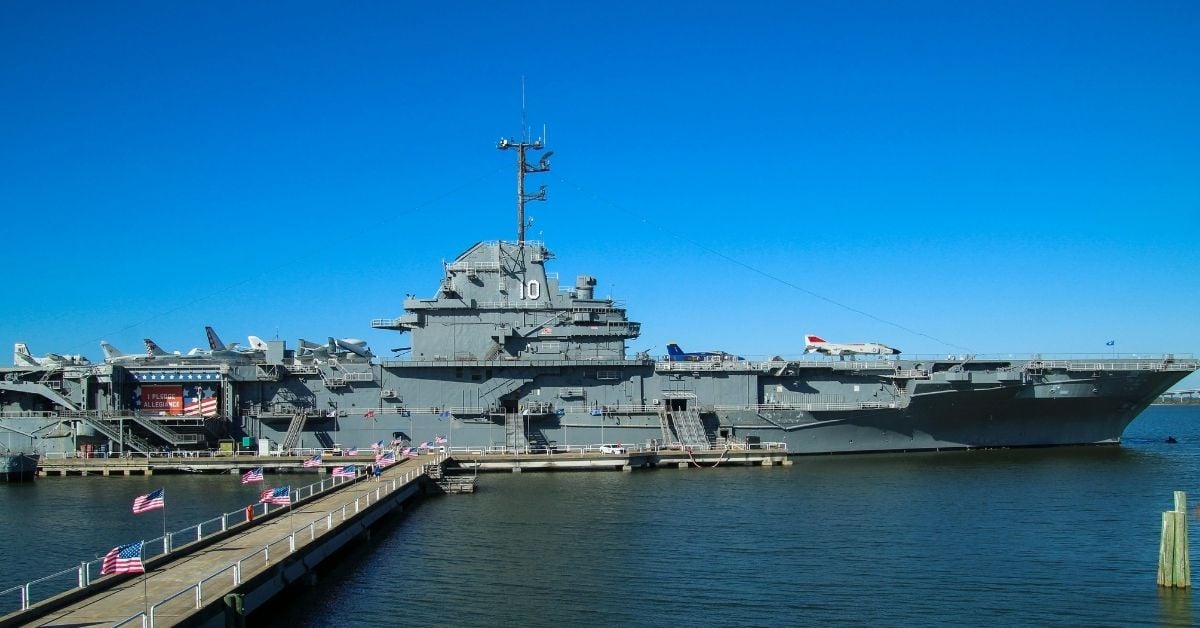
Drone-Launched Weapons Enhance Carrier-Based Anti-Submarine Capabilities
The U.S. Naval Air Systems Command is developing a weapon designed to be fired from carrier-launched drones against enemy submarines, extending strike reach beyond the ship's horizon. This is a calibrated step toward integrated ocean intelligence, pairing unmanned platforms with anti-submarine warfare in ways that demand precision. The capability reflects a broader naval evolution, much like India's expanded fleet projections. The ocean is vast, but layered, measured responses like these keep it navigable.
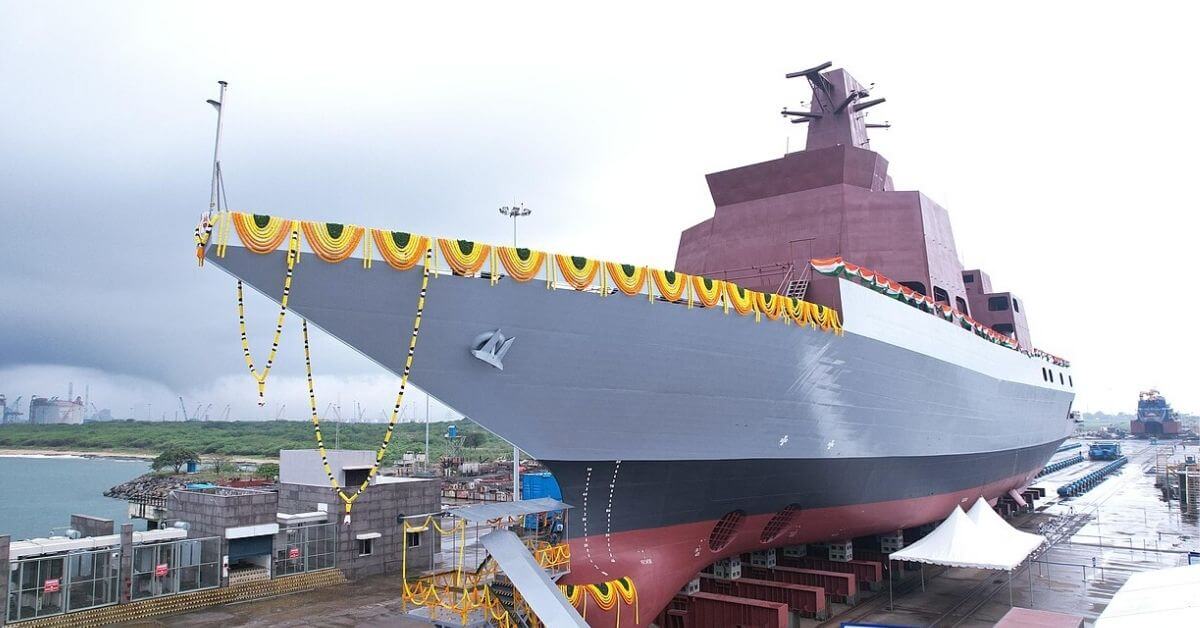
Advancing Maritime Capabilities: India's New Multi-Purpose Vessel Deploys.
India's new multi-purpose vessel brings a practical edge to maritime training, launching and recovering aerial, surface, and underwater targets for gunnery and anti-submarine exercises. That capability matters: realistic drills depend on reliable assets, not just theory. It is a measured step toward readiness, consistent with the Indian Navy's broader push to expand its fleet by 2040-2045, as outlined in our piece on India's projected naval growth. Calibrated investment like this keeps capabilities honest and operational.

Expanding Naval Capacity: Pentagon Explores International Shipbuilding Options
President Donald Trump's memorandum directing the Pentagon to explore foreign-built warships and auxiliary vessels marks a pragmatic recalibration of U.S. naval strategy. Expanding capacity through international shipbuilding is not an admission of weakness; it is an acknowledgment that timelines and industrial output matter. The move invites scrutiny, but it also opens a lane for allied integration. For deeper context on how other nations are scaling maritime assets, our coverage of China's new nuclear carrier signals extended naval operations capability offers a useful comparison.

Arctic Submarine Collaboration Expands: Germany, Norway, and Canada Unite.
Four days of talks in Kiel brought Germany, Norway, and Canada alongside TKMS, Kongsberg, and Multiconsult, signaling a deliberate step toward shared submarine capability. This is not merely procurement; it is the architecture of deterrence taking shape in Arctic waters. The collaboration reflects a practical recognition that no single nation patrols these expanses alone. For readers tracking Russia's icebreaker ambitions, including its calibrated export revenue scheme, this trilateral move adds a measured counterweight. We will follow how these industrial partnerships translate into operational reality.

Virginia-Class Submarines Gain Enhanced Strike Capability with Missile Upgrade
The Virginia-Class submarine's missile upgrade is a measured, practical leap in naval firepower. Adding 28 missiles per vessel, bringing the Tomahawk total to 40, transforms an already versatile platform into a more formidable presence beneath the waves. It is a quiet but decisive reinforcement of undersea deterrence. This capability reflects a broader momentum in maritime defense, much like Japan's recent hypersonic missile plans. Together, these developments signal a deliberate global recalibration of naval strength.

Ulyanovsk Submarine Enters Final Construction Phase for Russian Navy.
The Ulyanovsk has moved into its final construction phase, a decisive step before sea trials and delivery to the Russian Navy. This nuclear-powered cruise missile submarine represents a measured, tangible advance in Russia's maritime capabilities. We view this as a practical milestone, not a spectacle. The vessel's progression underscores a persistent commitment to strategic naval power, a thread also visible in the Vostok Project's Arctic oil exports. Both developments signal a firm, unyielding posture.

India Expands Naval Capabilities, Projecting Strength Across the Indian Ocean.
India is moving with measurable intent across the Indian Ocean. With 50 warships already under construction and the new submarine hunter INS Malvan joining the fleet, New Delhi is signaling a long-term commitment to maritime stability. A 200-ship target by 2035 is ambitious, yet grounded in a clear strategic calculus. This is not posturing; it is calibrated investment in ocean intelligence. For broader context on this trajectory, our related article on India's expanded naval fleet offers useful perspective.

Strengthening Maritime Security: INS Malvan Joins Indian Ocean Patrol.
The Indian Navy's commissioning of INS Malvan marks a measured step in strengthening shallow-water anti-submarine defense, a domain where vigilance is non-negotiable. As the second Mahe-class vessel to join the fleet, it adds calibrated capability where littoral challenges demand precision. This is not flashy hardware; it is integrated, purpose-built presence. For readers tracking regional security shifts, the adjacent piece on India's expanded naval fleet by 2040 frames the longer arc. Here, the immediate gain is quieter waters, achieved through persistent, validated patrol.