India Reviews Use Of Ship-Recycled Steel To Boost Domestic Production
Our take

India’s consideration of expanded use of ship-recycled steel represents a significant, albeit complex, development with implications for both the steel industry and the maritime sector. The nation's drive to bolster domestic steel production through this avenue aligns with broader global trends toward resource circularity and reducing reliance on virgin materials. This initiative gains added context when viewed alongside recent efforts to decarbonize shipping, such as the New Study Demonstrates Greenhouse Gas Reduction Potential Of Renewable Methanol Used As Marine Fuel, which underscores the industry’s pursuit of more sustainable practices. The potential for repurposing steel from decommissioned vessels, rather than extracting new ore, offers a measurable reduction in environmental impact and a valuable contribution to a more integrated data ecosystem of resource management.
The practice of ship recycling, often referred to as ship breaking, has historically presented environmental and safety challenges, although significant advancements have been made in recent years toward more responsible dismantling processes. The key lies in ensuring that the steel recovered meets the necessary quality standards for various industrial applications. India is already a major player in the ship recycling industry, and broadening the scope of its utilization of this recycled material could create a substantial economic boost while simultaneously reducing pressure on natural resources. This also intersects with concerns about the safety and well-being of seafarers, as highlighted by the recent proposal for an India Proposes Emergency Support Network For Seafarers After 15 Indian Crew Killed In Conflict Zones – responsible ship recycling practices should prioritize the safety and ethical treatment of all involved, including those who previously served on the vessels. The viability of this initiative will depend on establishing robust validation processes to guarantee the steel’s integrity and suitability for diverse applications.
The shift towards utilizing recycled steel is part of a larger global trend toward the circular economy, where materials are kept in use for as long as possible, minimizing waste and maximizing resource efficiency. This approach is particularly relevant in the context of climate change and the urgent need to reduce carbon emissions associated with traditional steel production. The energy-intensive process of extracting and refining iron ore contributes significantly to greenhouse gas emissions, and utilizing recycled steel offers a demonstrably lower-carbon alternative. Furthermore, India's strategic location and established infrastructure make it a natural hub for this type of resource recovery and processing, further strengthening its position within the global supply chain. The recent resumption of Suez Canal voyages by major shipping lines, as reported in Maersk, Hapag-Lloyd Resume More Suez Canal Voyages Despite Red Sea Risks, highlights the continued importance of maritime trade routes and the need for efficient and sustainable logistics solutions, which this steel recycling initiative could contribute to.
Looking ahead, the success of India's initiative will hinge on several factors, including the development of standardized quality control measures, investment in advanced steel processing technologies, and fostering collaboration between the maritime and steel industries. The longitudinal impact on global steel markets and the potential for other nations to adopt similar strategies warrant careful observation. A crucial question remains: can this model be scaled and replicated effectively in other regions, and what role will governmental policies and incentives play in accelerating the transition towards a more circular and sustainable steel economy? The integration of empirical data on the environmental and economic benefits of ship-recycled steel will be essential for informing future policy decisions and driving broader adoption of this promising approach to resource management.
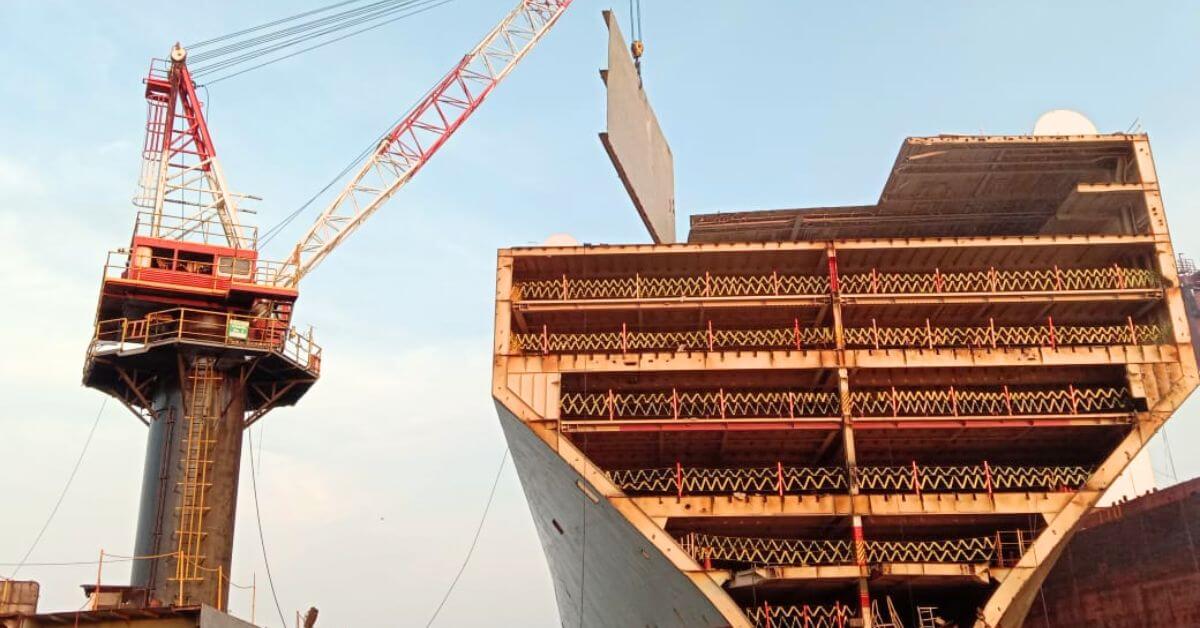
India is looking at ways to use steel recovered from old ships in more industries as it seeks to support domestic steel production and get more value from ship recycling.
The government reviewed the issue on Wednesday, according to an official statement.
Steel and Heavy Industries Minister H.D. Kumaraswamy and Ports, Shipping and Waterways Minister Sarbananda Sonowal jointly chaired the meeting. They discussed the use of steel recovered from ships and how it could be used in more sectors.
The meeting also looked at the current rules covering the use of recycled ship steel.
Officials and industry representatives from the Department of Science and Technology (DST), Bureau of Indian Standards (BIS), Gujarat Maritime Board (GMB) and Ship Recycling Industries Association (SRIA) attended the meeting.
The group discussed possible uses for secondary steel recovered from ships and ways to expand its use.
The government said the move could increase the value generated from ship recycling and strengthen India’s position as the world’s leading ship recycling hub.
Ship recycling provides India with ferrous scrap that can be used by steel and other industries.
This can reduce the need for imported raw materials and help maintain the supply of materials for domestic steel production and related industries.
Recycled steel also needs substantially less energy to produce than primary steel. It also produces lower greenhouse gas emissions.
The government said this supports India’s sustainability and decarbonisation goals.
The ship recycling industry also provides large-scale employment. It supports businesses involved in transport, re-rolling mills, equipment supplies and waste management.
The government said the industry also supports initiatives such as Make in India and Atmanirbhar Bharat by linking the recycling of old ships with domestic manufacturing and industrial activity.
Ship recycling also has an environmental role. Regulated recycling helps prevent unsafe disposal of old ships and reduces the risk of marine and coastal pollution.
It also allows hazardous materials from ships to be handled under regulatory supervision.
India is one of the world’s leading ship recycling countries.
The Alang-Sosiya ship recycling cluster in Gujarat is the main centre of India’s ship recycling industry. It is the world’s largest ship recycling hub and accounts for about 97% of India’s ship recycling activity, according to the government material.
References: cnbctv18, economictimes
Read on the original site
Open the publisher's page for the full experience