Make in India
World Data Ocean keeps Make in India in one place: 9 stories so far. The section currently leads with “India's Private Shipyard Delivers First Multipurpose Naval Vessel INS Samarthak”, “Indigenous Multipurpose Vessel Samarthak Joins Indian Navy at Karwar”, and “India deploys military-grade ROVs to advance ocean intelligence capabilities”. On October 16, 2026, the Indian Navy commissioned INS Samarthak, the first multipurpose naval vessel built by a private Indian shipyard. On 16 October 2026, the Indian Navy commissions *Samarthak*, its first indigenously built Multi-Purpose Vessel, at Karwar. A Global Hub for Ocean Intelligence 4 World Data Ocean is a centralized digital platform where researchers, scientists, and ocean enthusiasts converge to… The list below is every Make in India story on World Data Ocean, newest first.
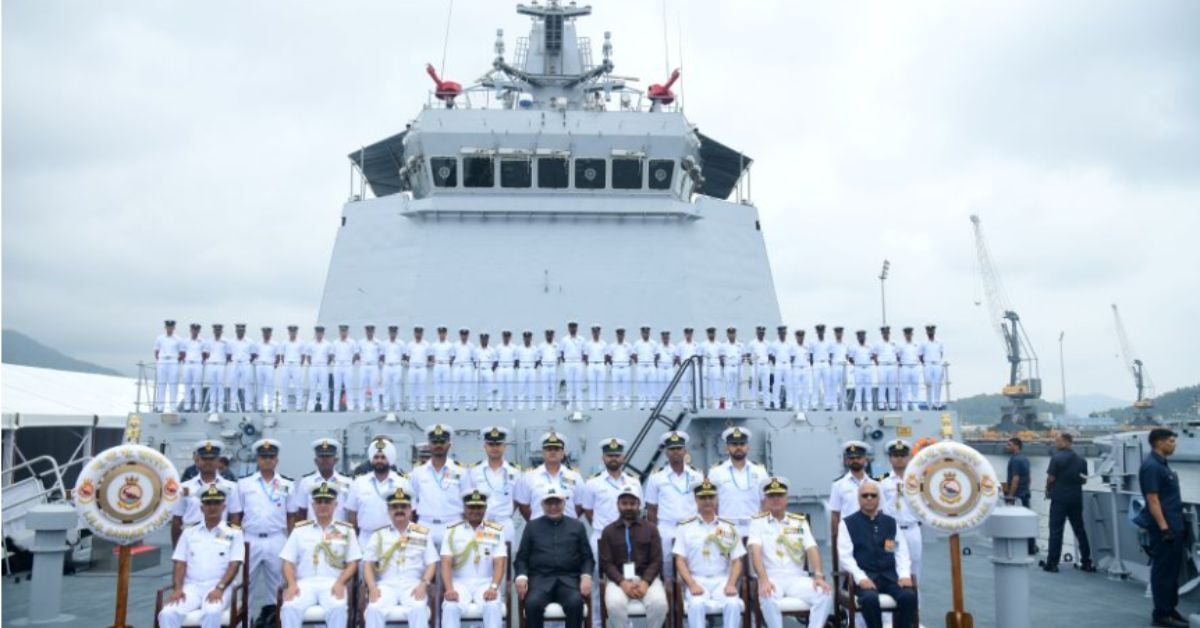
India's Private Shipyard Delivers First Multipurpose Naval Vessel INS Samarthak
On October 16, 2026, the Indian Navy commissioned INS Samarthak, the first multipurpose naval vessel built by a private Indian shipyard. This milestone validates the country's growing capacity for indigenous, integrated naval construction. Measurable progress in maritime sovereignty demands such calibrated steps. For a parallel in polar capability, see our coverage of Canada's largest polar icebreaker, CCGS Imnaryuaq, now under construction to expand Arctic ocean intelligence.
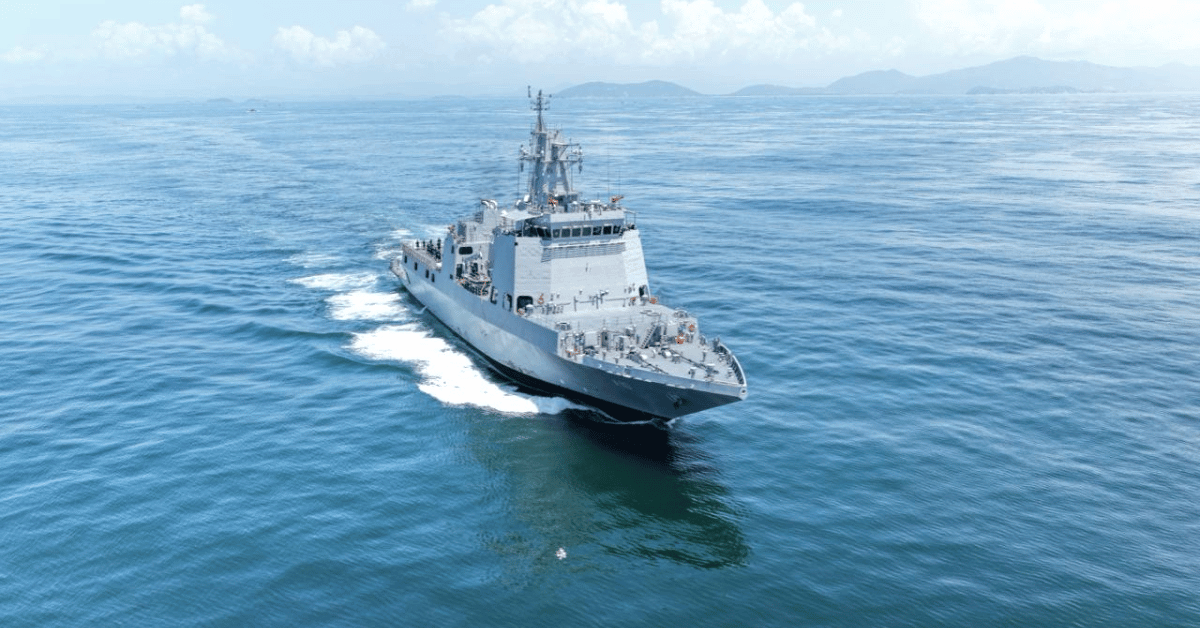
Indigenous Multipurpose Vessel Samarthak Joins Indian Navy at Karwar
On 16 October 2026, the Indian Navy commissions *Samarthak*, its first indigenously built Multi-Purpose Vessel, at Karwar. This is not merely a ceremony; it is a validated step toward self-reliant maritime capability. Indigenous shipbuilding strengthens our integrated data ecosystem for ocean intelligence, and this vessel will contribute measurable, real-time climate indicators. For deeper context on how recovered artifacts expand our understanding, see our coverage of the Britannic wreckage. Understanding drives protection.
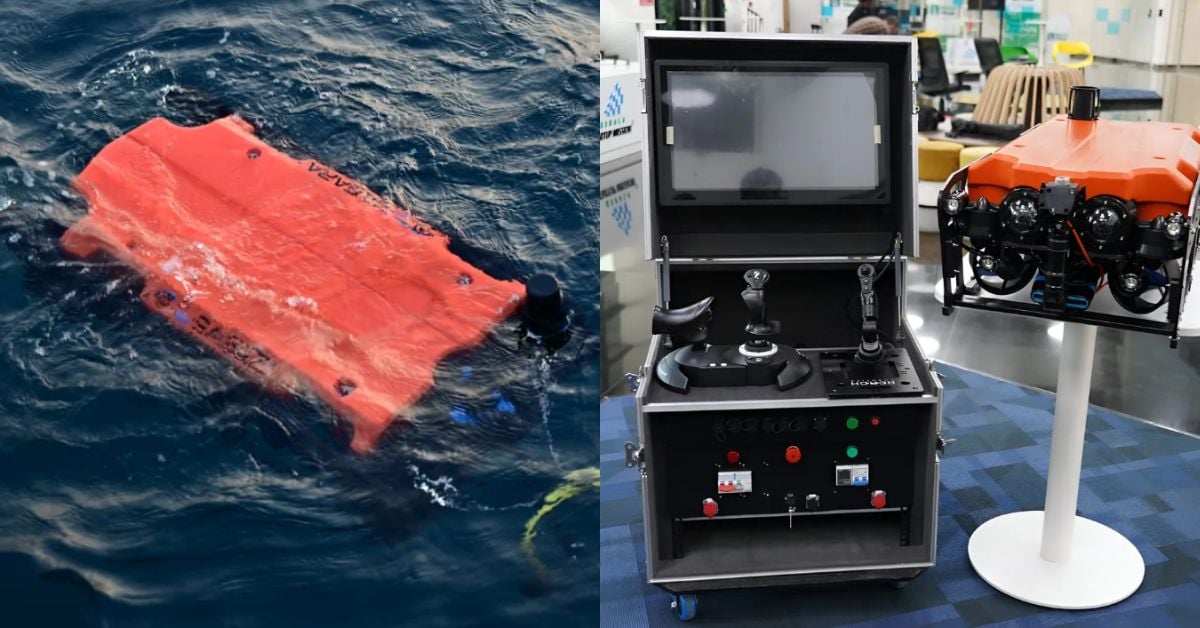
India deploys military-grade ROVs to advance ocean intelligence capabilities
India has deployed two military-grade underwater remotely operated vehicles (ROVs), built by Kerala-based maritime robotics firm EyeROV, to advance its ocean intelligence capabilities. These calibrated, integrated systems represent a measurable leap in real-time ocean data collection. As we noted in our coverage of the new AI and digitalisation pact between China Merchants Energy Shipping and RINA, the maritime sector is increasingly turning to validated technology for safety and emissions goals. Understanding drives protection, from the ocean floor to the surface.
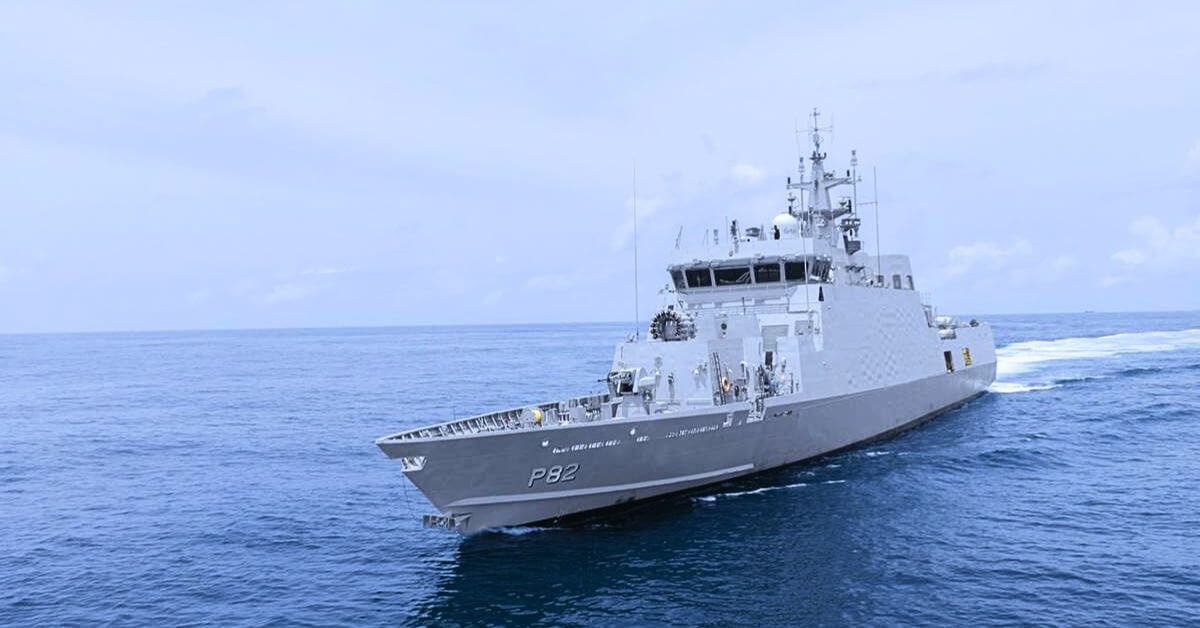
INS Mangrol joins India's shallow-water fleet with 80% indigenous design
INS Mangrol enters service as a warship built for the shallows, 80 percent indigenous design, purpose-calibrated for waters where larger vessels cannot operate. This is not merely a vessel addition; it is a measurable step toward self-reliant coastal defence. India's naval strategy increasingly demands integrated, real-time capabilities in near-shore environments. For deeper context on India's expanding maritime reach, read our coverage of the new support ship Surya.
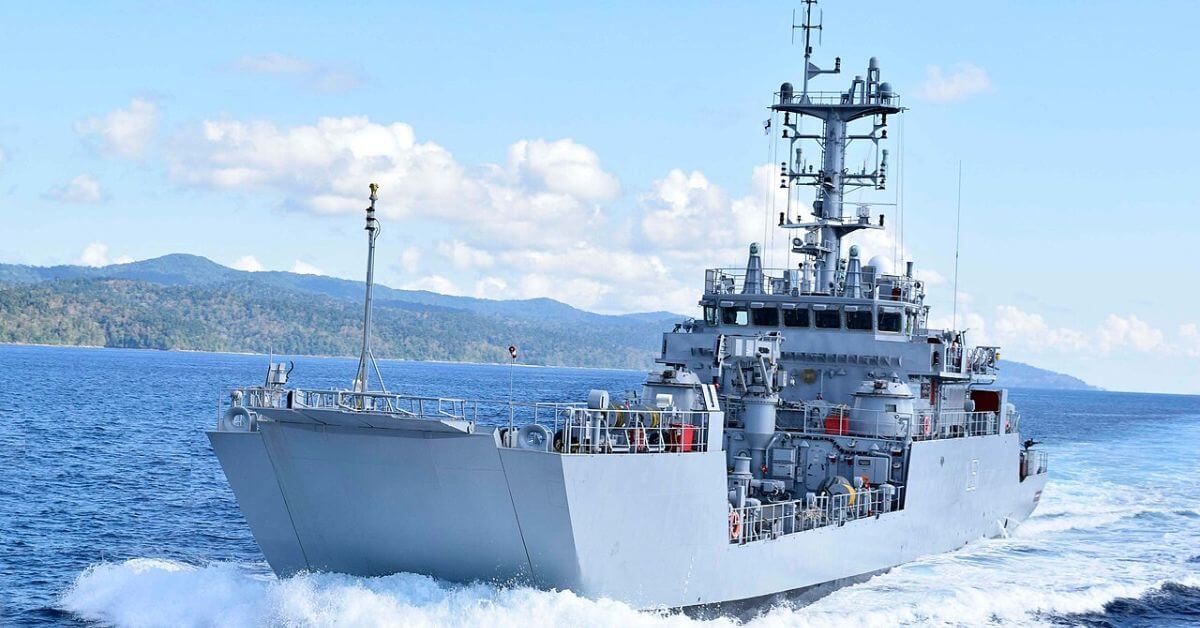
Indian Navy Explores Domestic Innovation for Amphibious Fleet Expansion
The Indian Navy's Request for Information for six new Landing Craft Utility Mk V vessels signals a deliberate shift toward domestic shipbuilding, a move that strengthens both operational reach and industrial self-reliance. This is not merely procurement; it is an investment in sovereign capability. As the service projects a larger fleet toward 2040, as detailed in our related article on India's naval expansion, such steps ensure readiness remains anchored in homegrown innovation. We see this as a practical, forward-looking decision.
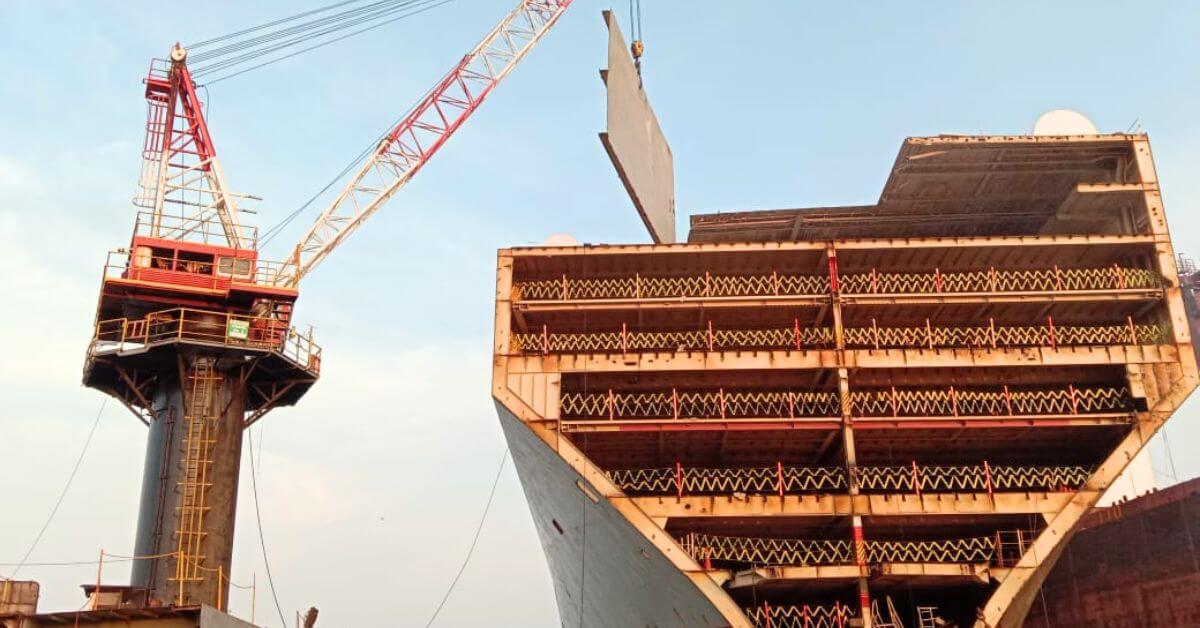
Leveraging Ship Recycling: A Boost for India’s Domestic Steel Production
India is turning to a practical source of secondary steel: the hulls of retired ships. Recovered scrap from decommissioned vessels is being directed toward domestic production, a move that strengthens material security while reducing reliance on primary ore. It is a measured, industrial-scale form of recycling, one that aligns with broader efforts to build circular supply chains. For related context on maritime infrastructure, see our coverage of Paradip Port's designation as a Mega Port. The opportunity here is clear, and the timing is right.
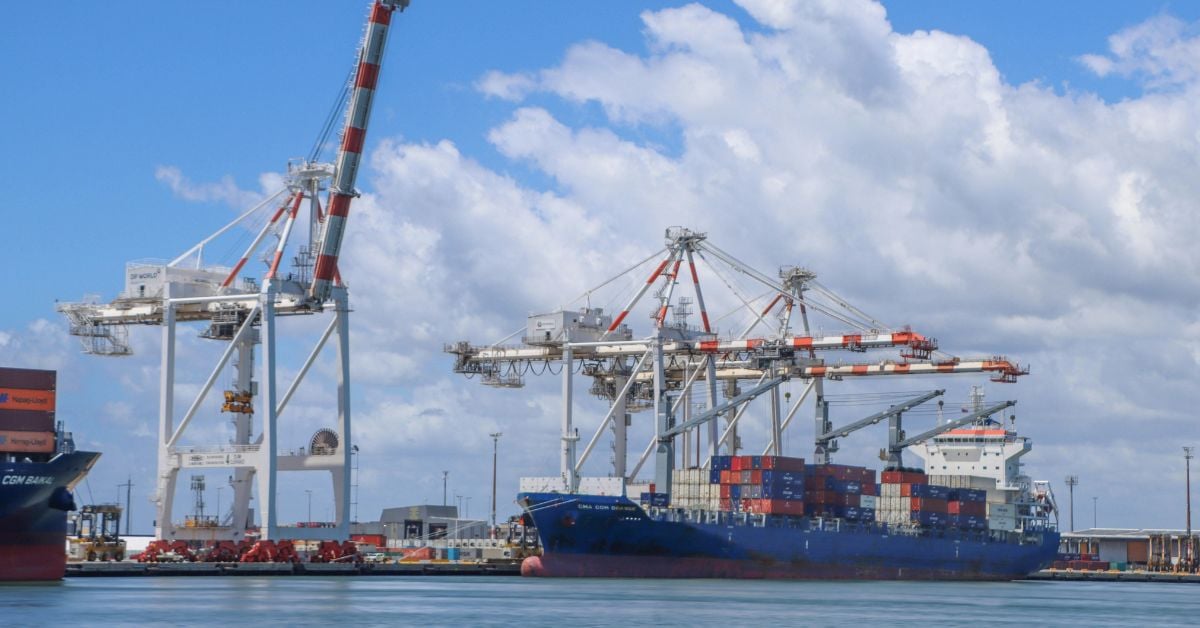
Collaborative Shipbuilding: India and Germany Advance Ocean Research Capabilities
India's Buoyancy Consultants has signed a maritime pact with Germany's Neptune Ship Design GmbH to deliver specialised container, passenger, and research vessels. This collaboration pairs Indian shipbuilding capability with German engineering precision, a combination that speaks directly to the need for measurable progress in ocean research infrastructure. It is a practical step forward, not a symbolic one. For those tracking how national capabilities expand, this is worth watching.

Integrated Defense: Japan Deploys Fighters to India for Joint Exercises
Japan's deployment of fighter aircraft to India for joint exercises reflects a deliberate step toward shared regional stability. The agreement, finalized during bilateral talks in New Delhi between Defence Ministers Rajnath Singh and Shinjiro Koizumi, reinforces a practical alignment of defense priorities. Integrated operations of this kind build interoperability and trust, essential for addressing maritime security challenges. The timing is notable, particularly as related coverage on China's new nuclear carrier highlights shifting naval dynamics. Measured, recurring engagement between partners matters here.

Expanding India’s Naval Capabilities: INS Malvan Joins the Fleet
The Indian Navy's newest vessel, INS Malvan, is compact, yet formidable. It marks a meaningful step forward for indigenous shallow-water combatants, reinforcing a fleet that must stay agile in crowded seas. This is not just about adding hulls; it is about sharpening response where it matters most. As India projects an expanded naval fleet by 2040, such vessels prove that size and precision can work together.