waste management
World Data Ocean keeps waste management in one place: 7 stories so far. The section currently leads with “Seafloor sediment confirmed as a vast plastic pollution reservoir”, “AI models and integrated data track shoreline debris at scale”, and “Tracing ocean plastic to its land-based sources via empirical data”. Seafloor sediment has been confirmed as a vast plastic pollution reservoir, according to a world-first study by the Commonwealth Scientific and Industrial Research Organisation. Every piece of plastic on a beach tells a story, and now AI is reading that story at scale. A Global Hub for Ocean Intelligence 4 World Data Ocean is a centralized digital platform where researchers, scientists, and ocean enthusiasts converge to… The list below is every waste management story on World Data Ocean, newest first.
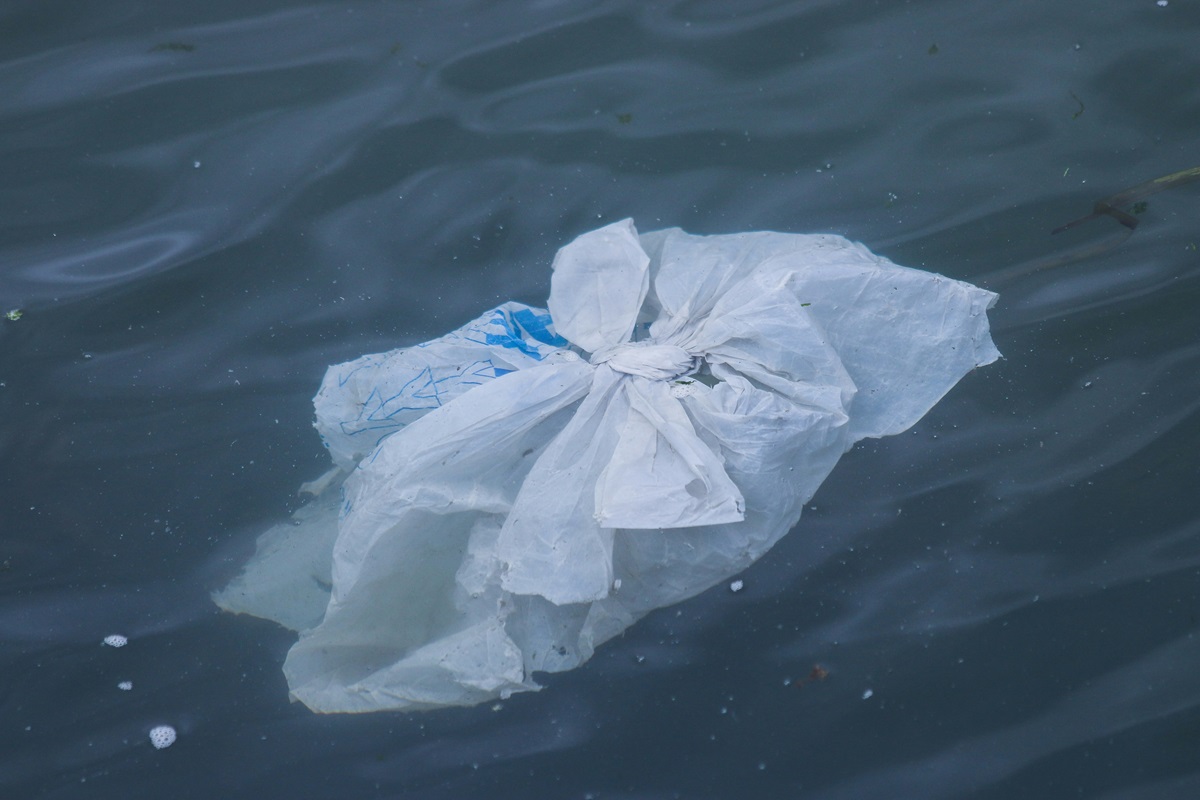
Seafloor sediment confirmed as a vast plastic pollution reservoir
Seafloor sediment has been confirmed as a vast plastic pollution reservoir, according to a world-first study by the Commonwealth Scientific and Industrial Research Organisation. This is not a surface problem, plastic is accumulating in the deep, where it becomes part of the geological record. The finding is a measurable, empirical signal of our impact. Understanding where plastic settles, from the seafloor to the Great Pacific Garbage Patch, is foundational to integrated ocean stewardship.

AI models and integrated data track shoreline debris at scale
Every piece of plastic on a beach tells a story, and now AI is reading that story at scale. By integrating real-time data streams with machine learning, we can track shoreline debris across vast coastlines, transforming scattered observations into validated, actionable ocean intelligence. This isn't just cleanup; it's empirical calibration of a global problem. For deeper context on how integrated data ecosystems make this possible, explore our coverage of Apeiron Labs' recent Series A to scale their ocean data platform.
Tracing ocean plastic to its land-based sources via empirical data
Every river is a potential pipeline. Our latest analysis, grounded in empirical data, traces ocean plastic back to its land-based origins. The evidence is clear: mismanaged waste from coastal populations is the primary driver. This is not guesswork; it is a measurable, validated flow. Understanding this pathway is the first step toward intervention. For deeper insight into where these plastics ultimately settle, see our related piece, "From surface to seafloor, a calibrated global map of microplastic drift.
Itajaí's $43M Waste Spend: Data Reveals Persistent Ocean Pollution
Itajaí has spent $43 million on waste management, yet the data shows persistent ocean pollution. That is a structural failure, not a funding gap. Dr. Laura Pioli Kremer and Arthur Rancatti laid it out plainly on local TV: urban runoff and coastal mismanagement are global issues, regardless of geography. The numbers demand we treat ocean literacy as infrastructure, not an afterthought. For deeper context on how monitoring gaps hide these problems, see our piece on integrating citizen science for ocean intelligence.
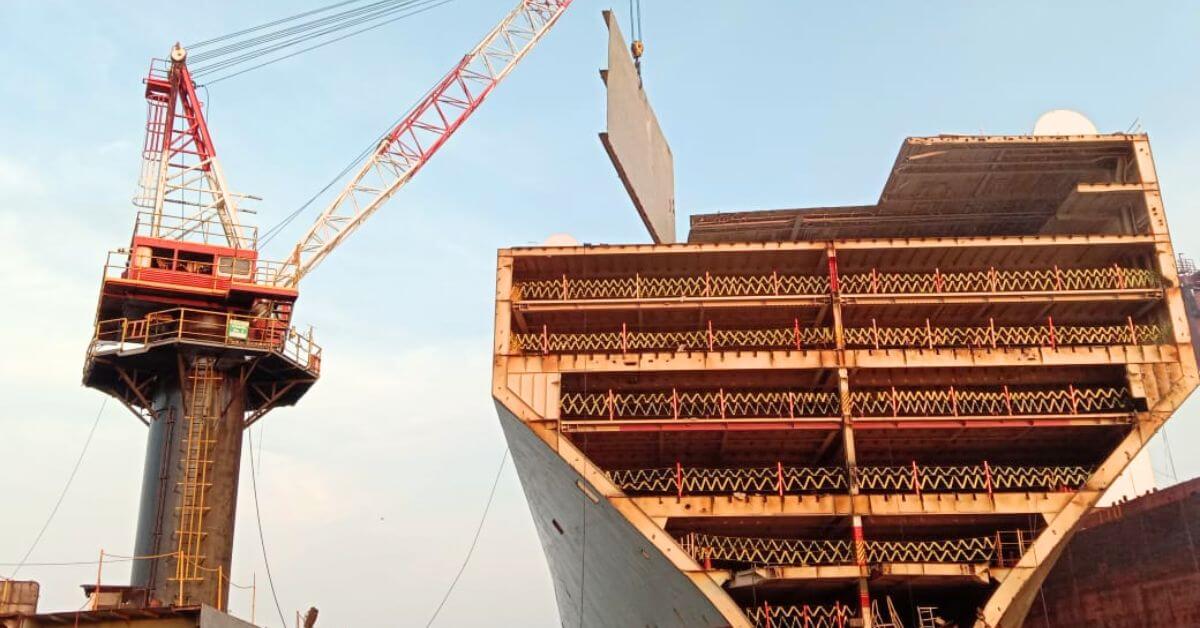
Leveraging Ship Recycling: A Boost for India’s Domestic Steel Production
India is turning to a practical source of secondary steel: the hulls of retired ships. Recovered scrap from decommissioned vessels is being directed toward domestic production, a move that strengthens material security while reducing reliance on primary ore. It is a measured, industrial-scale form of recycling, one that aligns with broader efforts to build circular supply chains. For related context on maritime infrastructure, see our coverage of Paradip Port's designation as a Mega Port. The opportunity here is clear, and the timing is right.

Integrated Carbon Capture Validates Ocean-Climate Link at Yara Facility
At Yara Sluiskil, Europe's largest ammonia and fertilizer plant now captures and liquefies up to 800,000 tons of CO₂ annually. This integrated carbon capture system validates a measurable, empirical link between industrial operations and ocean-climate indicators. It is science with purpose. For deeper context on shifting global commodity flows, see our coverage of Russian terminals adapting for grain exports. Understanding drives protection, and this facility proves the mechanism works.
Tracking Plastic's Reach: Ocean Intelligence from Remote Waters.
Plastic debris doesn't stay where we drop it. New tracking from remote waters shows how far it travels, and the data is telling a clearer story than ever before. This kind of ocean intelligence turns scattered observations into something measurable, something we can act on. It's a reminder that the problem isn't out of sight, just out of sightlines. For readers drawn to the unseen, our piece on unidentified marine life offers a complementary glimpse into what else moves beneath the surface.