decarbonisation
World Data Ocean keeps decarbonisation in one place: 12 stories so far. The section currently leads with “Ammonia-Fueled Bulk Carrier Opens First Voyage With 210,000-Tonne Payload”, “A validated milestone for zero-emission shipping: hydrogen tanker completes sea trials”, and “Singapore Hub Advances Digital Twins and AI for Ocean Decarbonisation”. The world's first ammonia-fueled bulk carrier has opened its maiden voyage with a 210,000-tonne payload, built at China's Qingdao Beihai Shipyard. A 4,800 DWT hydrogen tanker has completed sea trials, validating a zero-emission configuration with a four-stroke hydrogen engine. A Global Hub for Ocean Intelligence 4 World Data Ocean is a centralized digital platform where researchers, scientists, and ocean enthusiasts converge to… The list below is every decarbonisation story on World Data Ocean, newest first.
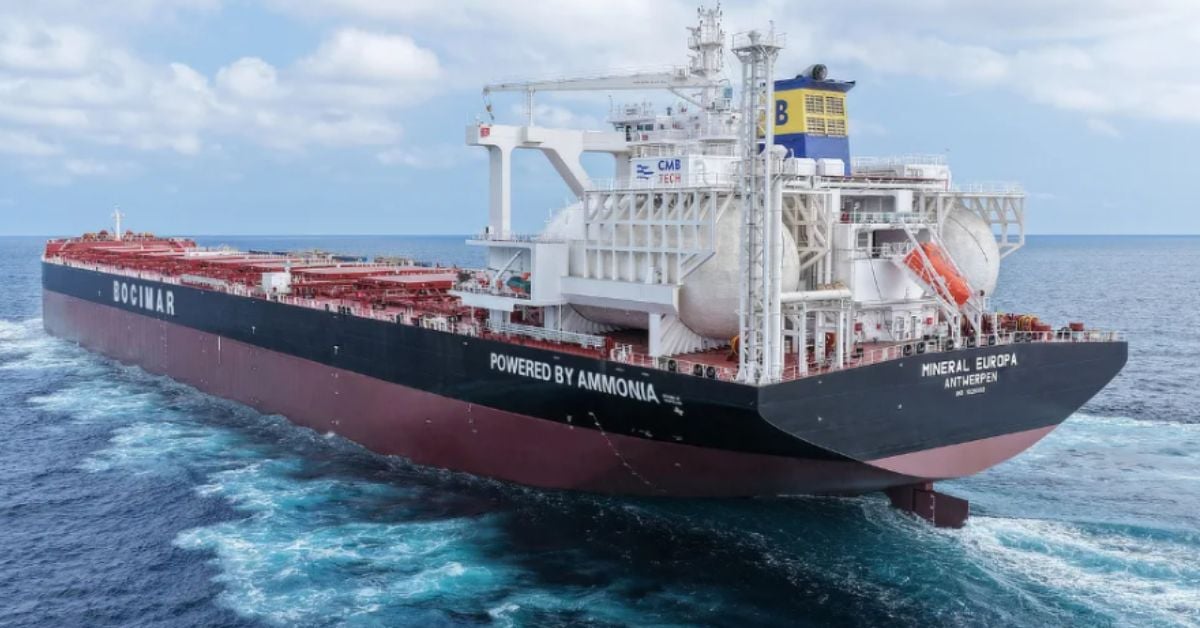
Ammonia-Fueled Bulk Carrier Opens First Voyage With 210,000-Tonne Payload
The world's first ammonia-fueled bulk carrier has opened its maiden voyage with a 210,000-tonne payload, built at China's Qingdao Beihai Shipyard. This is a calibrated step toward measurable decarbonization in heavy maritime shipping, not a symbolic gesture. Real-world operation of such a vessel validates a tangible alternative to traditional fuel pathways. For deeper context on port resilience, see our related piece on calibrating port resilience against measurable cyclone-driven economic loss.
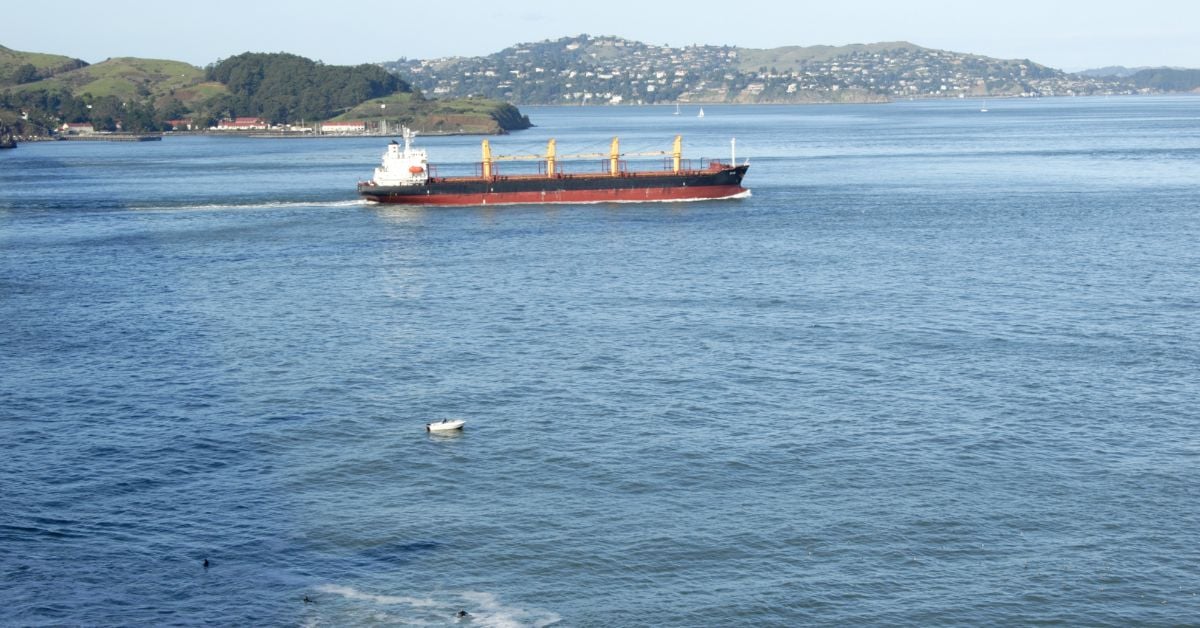
A validated milestone for zero-emission shipping: hydrogen tanker completes sea trials
A 4,800 DWT hydrogen tanker has completed sea trials, validating a zero-emission configuration with a four-stroke hydrogen engine. This is a measured, empirical step toward decarbonizing maritime transport. The Kikou Maru proves that integrated clean-fuel systems can perform under real-world conditions. For deeper context on how shifting maritime routes are reshaping global trade, see our related coverage, "Geopolitical shocks reshape shipping routes with measurable regional divergence."
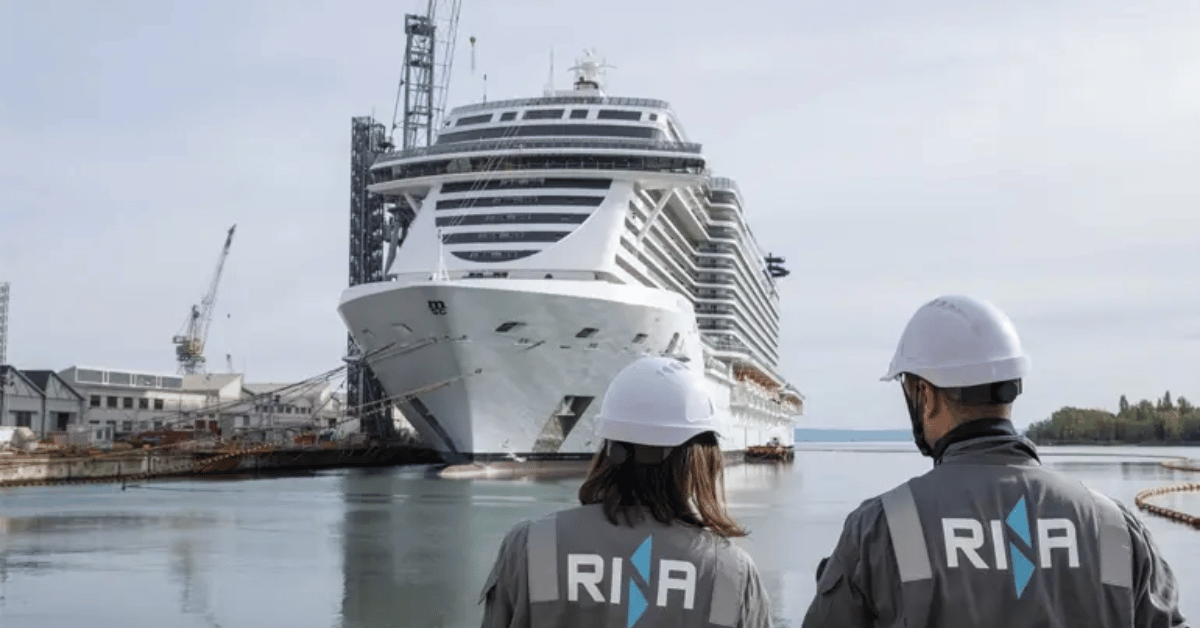
Singapore Hub Advances Digital Twins and AI for Ocean Decarbonisation
RINA's Singapore Open Innovation Hub is expanding with EDB support, sharpening its focus on digital twins, decarbonisation, and AI-driven maritime solutions. It is a measured step toward practical ocean intelligence, where simulation and real-time data converge to cut emissions. The work complements broader regional momentum, such as India's first e-methanol plant fueling cleaner Asia-Europe routes. Together, these efforts signal a pragmatic shift: decarbonisation is not a distant ideal but an operational target, and Singapore is positioning itself at the centre of that transition.
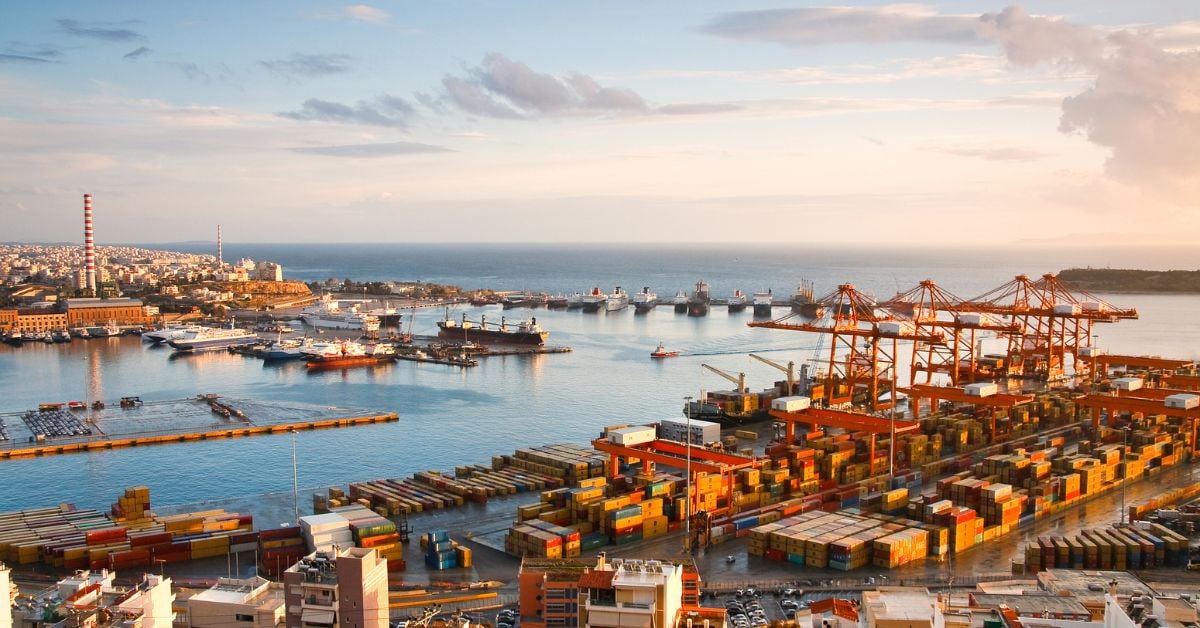
India's first e-methanol plant fuels cleaner shipping on the Asia-Europe corridor
A ₹2,300 crore investment now anchors India's first e-methanol plant, designed to supply cleaner fuel for ships on the Asia-Europe corridor. This is measurable progress, a calibrated step toward decarbonizing one of the world's busiest trade routes. Validated, real-time climate indicators demand such integrated solutions. The project reflects purpose-driven innovation, not hype. For deeper context on maritime welfare, see our coverage of the Seafarers' Welfare Centre approved for Goa's Mormugao Port. Understanding drives protection, from fuel formulation to port infrastructure.
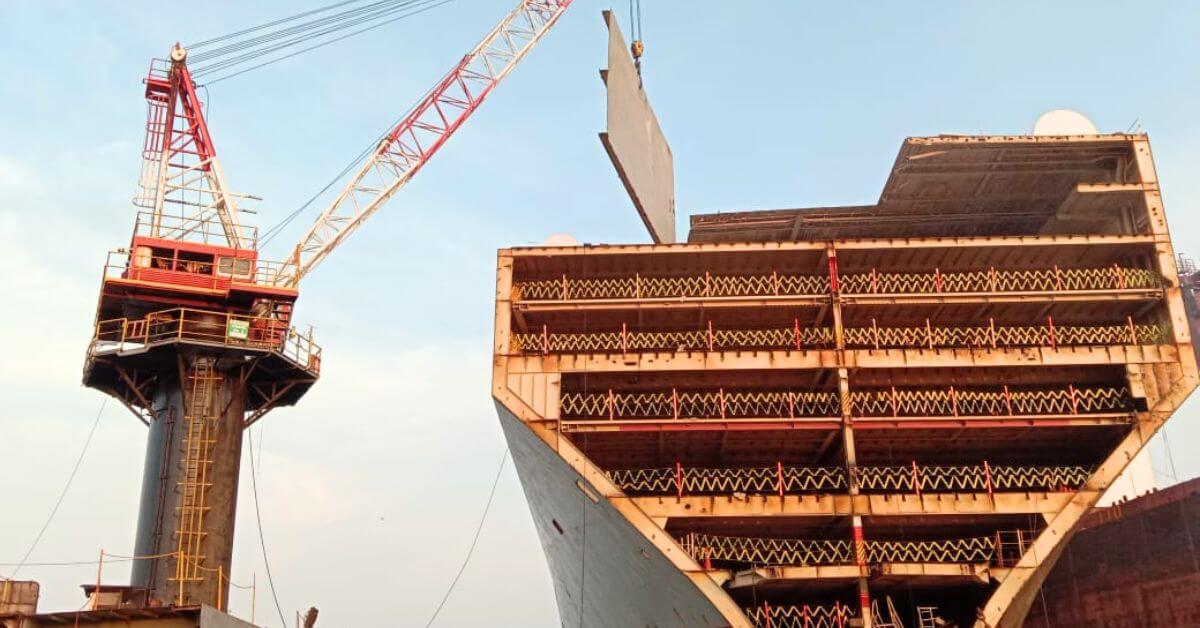
Leveraging Ship Recycling: A Boost for India’s Domestic Steel Production
India is turning to a practical source of secondary steel: the hulls of retired ships. Recovered scrap from decommissioned vessels is being directed toward domestic production, a move that strengthens material security while reducing reliance on primary ore. It is a measured, industrial-scale form of recycling, one that aligns with broader efforts to build circular supply chains. For related context on maritime infrastructure, see our coverage of Paradip Port's designation as a Mega Port. The opportunity here is clear, and the timing is right.
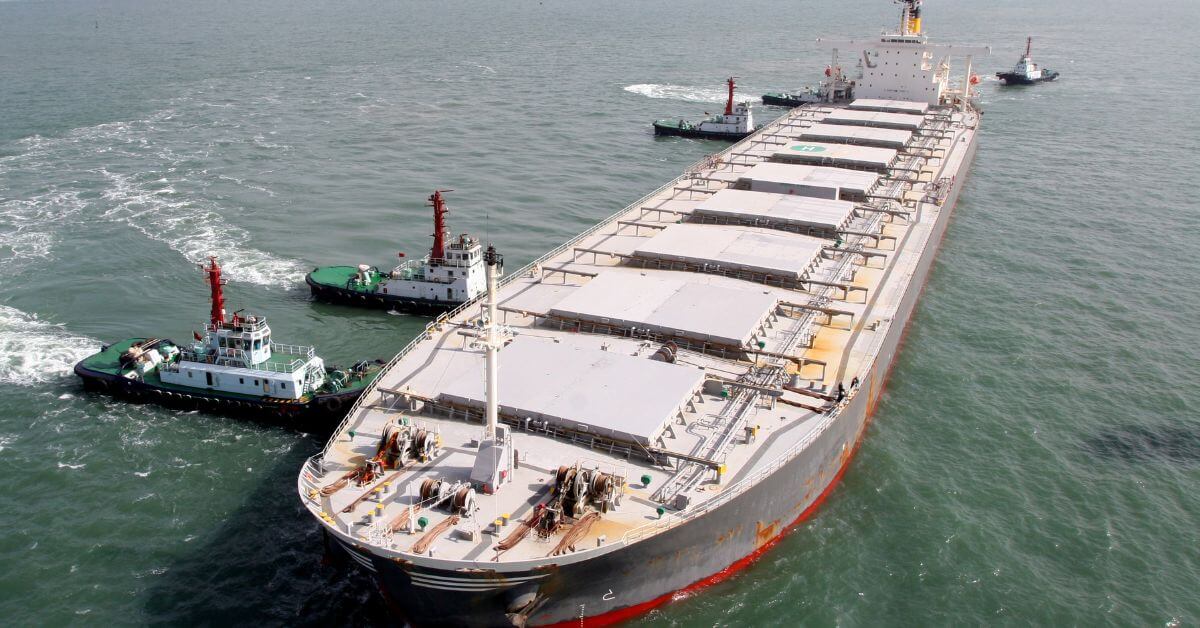
Validated Engine Technology Drives Sustainable Shipping for Ore Carriers
A validated engine design is now bound for the third hull in a ten-vessel series of Very Large Ore Carriers ordered by Shandong Shipping for charter to Vale. That is a meaningful step for an industry where emissions reductions must be measured, not marketed. Pairing proven technology with serial production offers the kind of repeatable efficiency gains that actually move the needle on ocean intelligence.
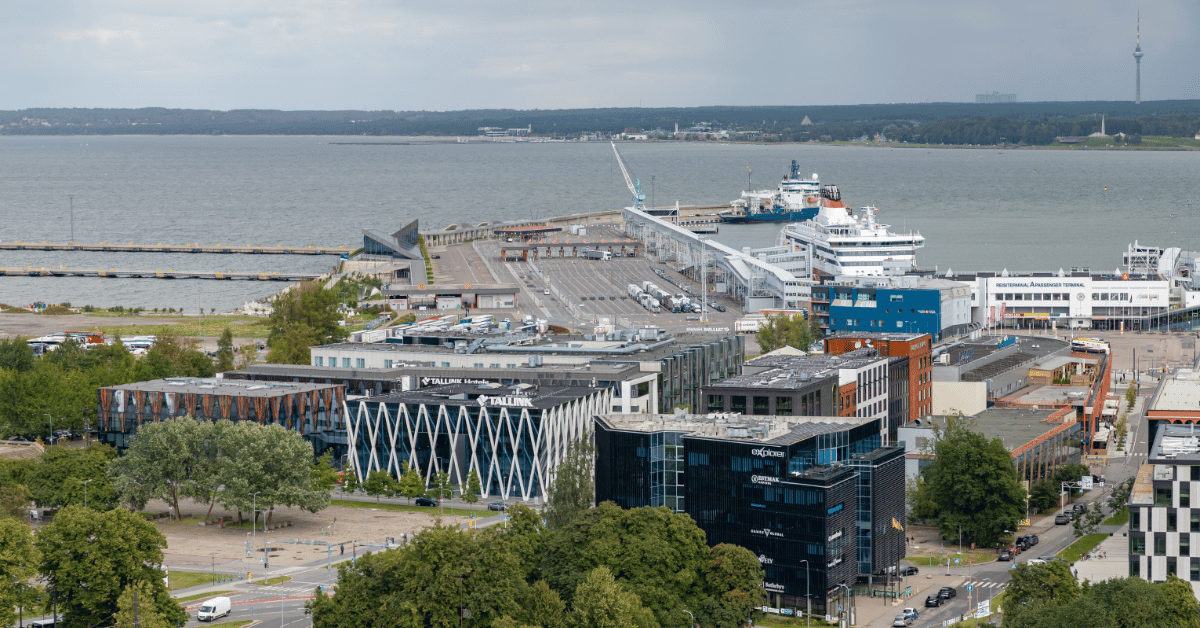
Expanding Reach: Indian Register of Shipping Connects with European Shipbuilding Partners
The Indian Register of Shipping has opened a Hamburg office, signaling a deliberate step toward deeper engagement with European shipbuilding partners. It is a move that makes sense: Europe remains a hub for engineering rigor, and proximity matters when collaboration depends on trust and technical alignment. This expansion is not about abrupt growth but measured integration into a mature maritime ecosystem.
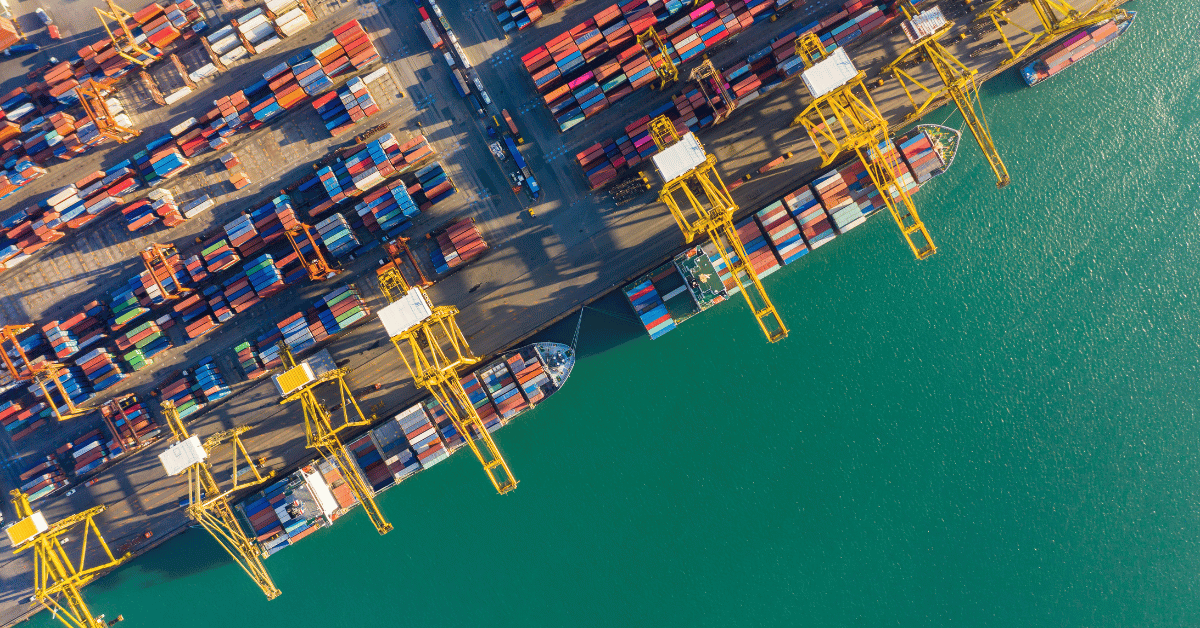
India Charts Course for European Shipping Collaboration at SMM 2026
India's push for European shipping collaboration at SMM 2026 arrives as the sector confronts rising geopolitical and economic pressures. The gathering signals a deliberate move toward integrated maritime strategy, where shared data and calibrated responses matter more than unilateral action. This is not about optics; it is about building resilience. For those tracking the broader picture, our coverage of the bulk carrier freed near Gladstone offers a practical reminder of how operational challenges test that very resilience.

Empowering Filipino Seafarers with Green Energy Training for a Sustainable Future
On Aug. 17, a groundbreaking ceremony marked the unveiling of a new facility dedicated to empowering Filipino seafarers with green energy training, accredited by MARINA. This initiative responds to a clear need: equipping the maritime workforce with validated, forward-looking skills for a sustainable industry. Basic and advanced programs will anchor this effort, ensuring measurable competence. It is a purposeful step toward integrating environmental responsibility into seafaring. For broader context on maritime infrastructure growth, see our coverage of Paradip Port Designated a Mega Port.

Methanol Bunkering Powers New Car Carrier, Advancing Ocean Decarbonization.
The M/V Arctic Tern has taken on 2,800 metric tonnes of green methanol in China's largest simultaneous car-handling and bunkering operation, marking a practical step forward for ocean decarbonization. This 9,300-CEU carrier shows how alternative fuels move from concept to routine application. We see momentum building across vessel types, from LNG bunkering designs to ore carriers. For a closer look at how dual-fuel capability is being validated elsewhere, see our coverage of Hanwha Power's recent ABS approval.

Immediate Efficiency Gains Key to Decarbonizing Shipping Operations
The EY study identifies energy efficiency and operational measures as among the most practical near-term actions for shipping, and the logic is immediate. These steps cut emissions without waiting for new fleets or alternative fuels. For an industry under pressure to decarbonize, this is where progress begins. The sector already has the tools; it needs the discipline to deploy them.

Maritime Workforce: Data Reveals Challenges and Opportunities for Women Seafarers
One percent. That is the share of the global maritime workforce made up of female seafarers, a figure that underscores how far the industry still has to go. The data on crew training, retention, and recruitment points to systemic hurdles, not a lack of capable candidates. Addressing this imbalance is a measurable step toward strengthening ocean intelligence and operational resilience. For a broader view of how the sector is evolving, our coverage of the Navy's autonomous systems integration offers useful context.