Houthi Group Attacks Aramco’s Oil Facility In Saudi Arabia With Drones & Missiles
Our take
The recent attacks by the Houthi group on Aramco’s oil facility in Saudi Arabia, utilizing drones and missiles, represent a concerning escalation in regional tensions and have significant implications for maritime security and global energy markets. This event follows a pattern of increasingly assertive actions in the region, mirroring similar incidents documented elsewhere. For instance, [Iran Says New Anti-Ship Missile Was Tested Over US Navy Warship As Strait Of Hormuz Tensions Rise] highlights the ongoing development and deployment of advanced weaponry by regional actors, further destabilizing the area. The targeting of critical infrastructure, particularly oil facilities, underscores a deliberate strategy to disrupt global supply chains and exert pressure on key players. This is not an isolated incident; the broader context includes events like [Video: Russian Military-Linked Cargo Ship Reportedly Struck 12 Times By Drones Near Crete], demonstrating a growing trend of drone-based attacks targeting maritime vessels, and even earlier events like [Oman Evacuates 16 Crew From Saudi Oil Tanker Attacked By Iran In Strait Of Hormuz], which tragically resulted in fatalities and further underscored the vulnerability of maritime operations.
The Aramco attack, and the broader series of incidents, should be viewed through the lens of escalating geopolitical competition. The Houthis, backed by Iran, are leveraging asymmetric warfare tactics – drones and missiles being relatively low-cost and readily available – to challenge the established regional order and exert influence. While the immediate impact is felt in Saudi Arabia, the ramifications extend far beyond its borders. Disruptions to oil supply, even temporary, can trigger price volatility and economic instability globally. The strategic importance of the Arabian Peninsula, and particularly the Strait of Hormuz, as a chokepoint for global oil transit makes these attacks particularly impactful. The increasing sophistication of the weaponry used also warrants attention; it signals a potential shift in the nature of maritime conflict, demanding a reassessment of existing security protocols and defensive capabilities. Furthermore, the interconnectedness of global trade routes means that even localized disruptions can have cascading effects on international commerce and supply chains.
The current situation highlights the need for a multi-faceted approach to maritime security. Traditional naval patrols and defensive systems, while important, may prove insufficient against the evolving threat landscape of drone swarms and precision-guided missiles. Integrated data ecosystems, leveraging real-time sensor data and advanced analytics, are critical for enhancing situational awareness and enabling proactive threat mitigation. Validated, measurable data on maritime traffic patterns, vessel identification, and potential threat indicators are essential for informed decision-making. Calibration of existing security measures, coupled with longitudinal analysis of emerging threats, is crucial for adapting to the changing dynamics. Moreover, international collaboration and information sharing are paramount. The ability to integrate data from disparate sources – satellite imagery, radar systems, and human intelligence – will significantly enhance the effectiveness of maritime security efforts.
Looking ahead, the question becomes: how will regional powers and international actors respond to this escalating cycle of attacks? Will diplomatic efforts intensify to de-escalate tensions, or will we witness a further escalation of military actions? The vulnerability of critical maritime infrastructure, coupled with the increasing accessibility of advanced weaponry, underscores the urgent need for innovative, integrated, and globally collaborative security solutions. The long-term implications for maritime trade, energy security, and regional stability depend on the ability to develop and implement effective strategies that address the root causes of these conflicts and mitigate the risks posed by emerging threats.
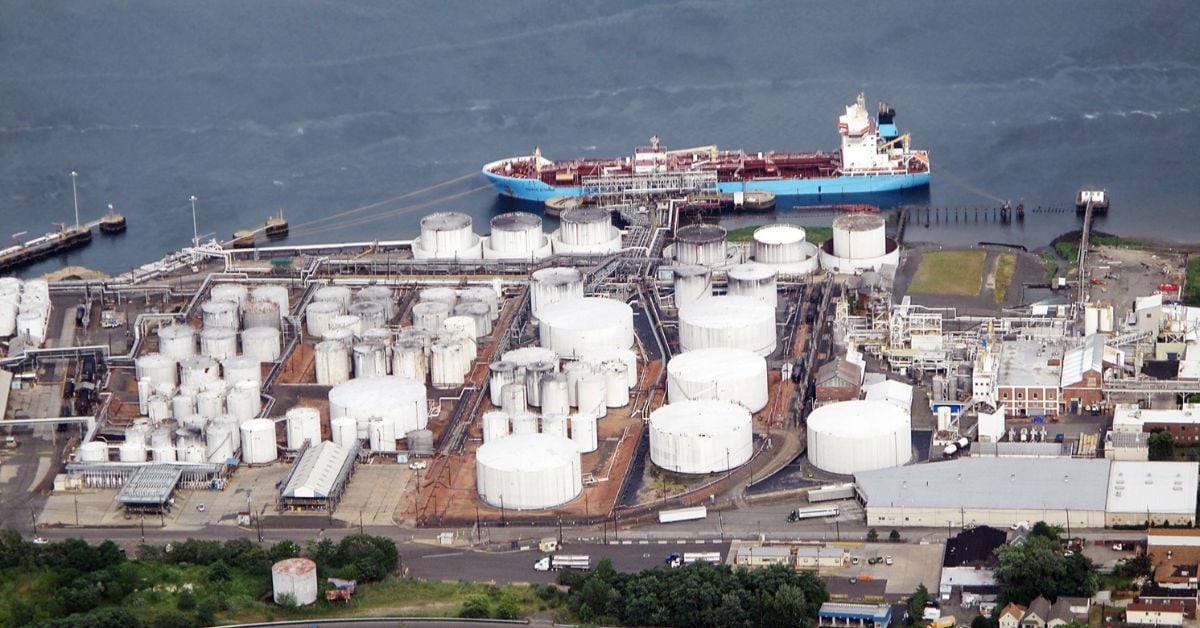
The Houthis carried out multiple attacks on the southern parts of Saudi Arabia, targeting even an oil refinery operated by Aramco, a major state-owned oil and gas company and the national oil company.
A coalition led by Saudi Arabia, formed to fight against the Houthis, stated that a desalinisation facility was also targeted in the latest round of attacks, which comes after the Group had claimed responsibility for a drone attack on another oil facility in the capital city of Riyadh on March 10, 2026.
According to the information provided by a renowned local media outlet, the front fighting against Houthis in Yemen said that at least 4 drones were launched towards southern Saudi Arabia, a region which has become a regular target of attack.
Fortunately, no lives were lost in the recent attacks, which also targeted a power station close to Jizan, with video footage showing firefighting teams trying to extinguish the blaze.
A disaster was averted as the group also eyed a gas station, but fortunately the Saudi Armed Forces destroyed the drone, along with a ballistic missile which was fired towards Jazan.
The Houthis remain persistent in their efforts to target Saudi Arabia since it supports an internationally-recognised government in Yemen, which the Houthis reject.
The political tussle has become complicated, and Houthis say that they are getting back at Saudi Arabia for its imposition of a siege in Yemen and destabilising the country by helping establish the current government.
Houthis also refused to accept an invitation to attend the meeting, which will be organised in the Saudi capital in March next year, to discuss the conflict in Yemen and ways to achieve peace in the region.
The war between the Houthis and the Saudi Government has been continuing since 2014 and has led to massive killings, deaths and displacement of people in Yemen, leading to hunger, poverty and disease.
Houthis have resorted to attacks on civilian infrastructure such as oil refineries, airports, ports, and desalinisation plants.
Read on the original site
Open the publisher's page for the full experience