ports
World Data Ocean keeps ports in one place: 28 stories so far. The section currently leads with “Baltic States Call for EU to Halt Russian Grain Transit Amid Trade Route Shifts”, “India Proposes Measured Maritime Truce to Protect Black Sea Shipping”, and “India Builds $1.5B Maritime Shield for War-Risk Coverage”. The Baltic States have formally called on the EU to halt the transit of Russian grain through European ports and transport routes, a direct response to shifting trade dynamics. India has proposed a measured maritime truce to protect commercial shipping in the Black Sea, offering a three-point framework to de-escalate the Russia-Ukraine conflict. A Global Hub for Ocean Intelligence 4 World Data Ocean is a centralized digital platform where researchers, scientists, and ocean enthusiasts converge to… The list below is every ports story on World Data Ocean, newest first.
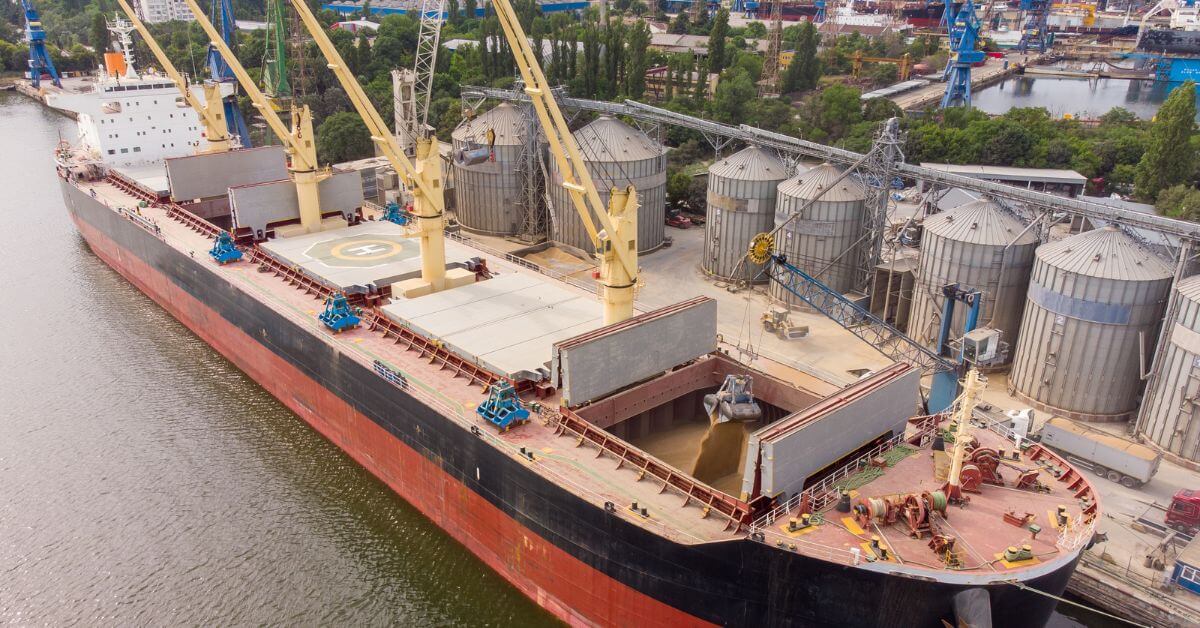
Baltic States Call for EU to Halt Russian Grain Transit Amid Trade Route Shifts
The Baltic States have formally called on the EU to halt the transit of Russian grain through European ports and transport routes, a direct response to shifting trade dynamics. This measured policy intervention prioritizes verified trade data over reactive measures. For deeper context on how global trade patterns are evolving alongside climate indicators, see our related piece on China's electric vehicle acceleration. Understanding trade flows is essential to calibrating effective, collaborative policy.
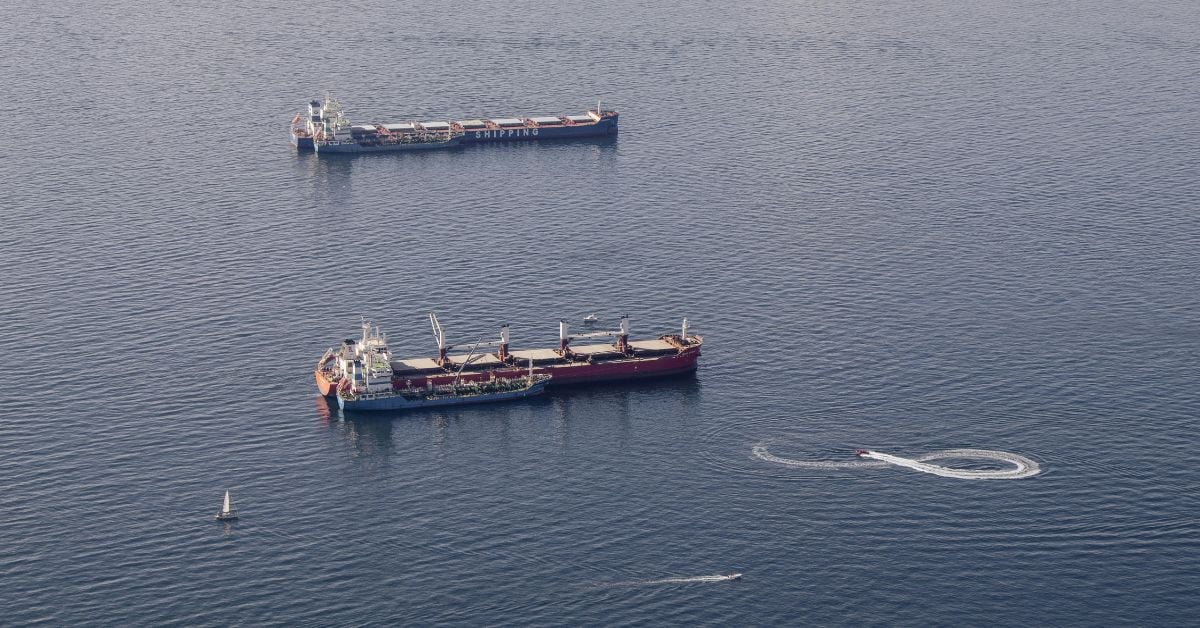
India Proposes Measured Maritime Truce to Protect Black Sea Shipping
India has proposed a measured maritime truce to protect commercial shipping in the Black Sea, offering a three-point framework to de-escalate the Russia-Ukraine conflict. This calibrated diplomatic intervention prioritizes verified cessation of attacks on vessels, a step toward restoring stability in a critical corridor. It is a purposeful move grounded in empirical security concerns. For deeper context on recent threats to seafarers, see our coverage of the drone strikes in the Black Sea that sank a freighter.
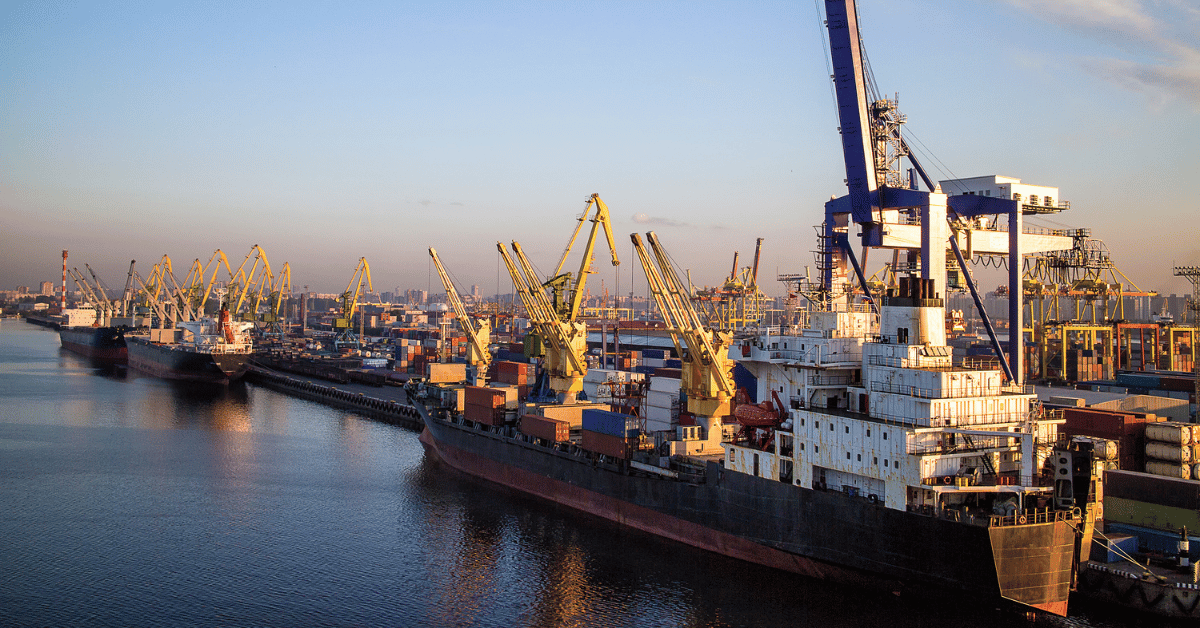
India Builds $1.5B Maritime Shield for War-Risk Coverage
India's Bharat Maritime Insurance Pool, a $1.5 billion domestic shield against war risks and cargo losses, marks a calibrated step toward self-reliance in marine coverage. This is not alarmist hedging; it is empirical risk management. When global supply chains face volatility, homegrown underwriting strengthens resilience. For deeper context on how technology is reshaping maritime security, see our coverage of RINA's Singapore Hub advancing digital twins and AI for ocean decarbonisation. Understanding drives protection.

Singapore Hub Advances Digital Twins and AI for Ocean Decarbonisation
RINA's Singapore Open Innovation Hub is expanding with EDB support, sharpening its focus on digital twins, decarbonisation, and AI-driven maritime solutions. It is a measured step toward practical ocean intelligence, where simulation and real-time data converge to cut emissions. The work complements broader regional momentum, such as India's first e-methanol plant fueling cleaner Asia-Europe routes. Together, these efforts signal a pragmatic shift: decarbonisation is not a distant ideal but an operational target, and Singapore is positioning itself at the centre of that transition.
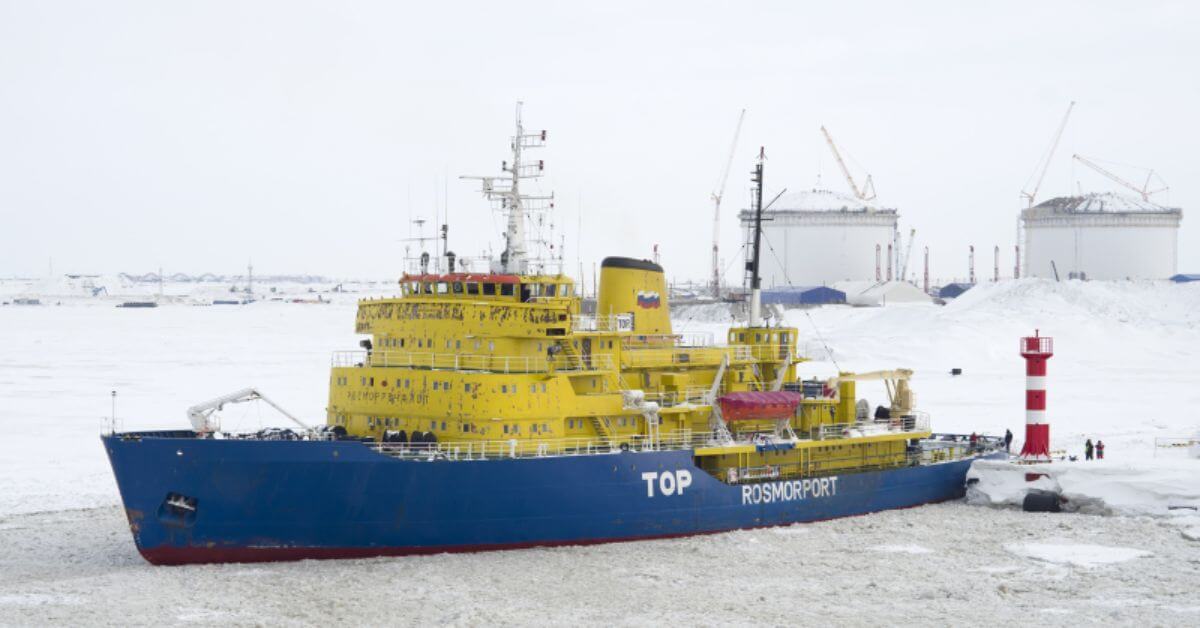
Russia Calibrates Export Revenue for Northern Sea Route Icebreaker Fleet
Russia plans to collect more than 200 billion roubles from exporters to fund two new icebreakers for the Northern Sea Route, a move that ties Arctic access directly to fiscal strategy. It is a calibrated bet: revenue marshaled now for extended navigation later. The sums are substantial, and the intent is clear. For context on how maritime infrastructure continues to shape regional ambitions, see our coverage of the Vostok project's Arctic oil exports.
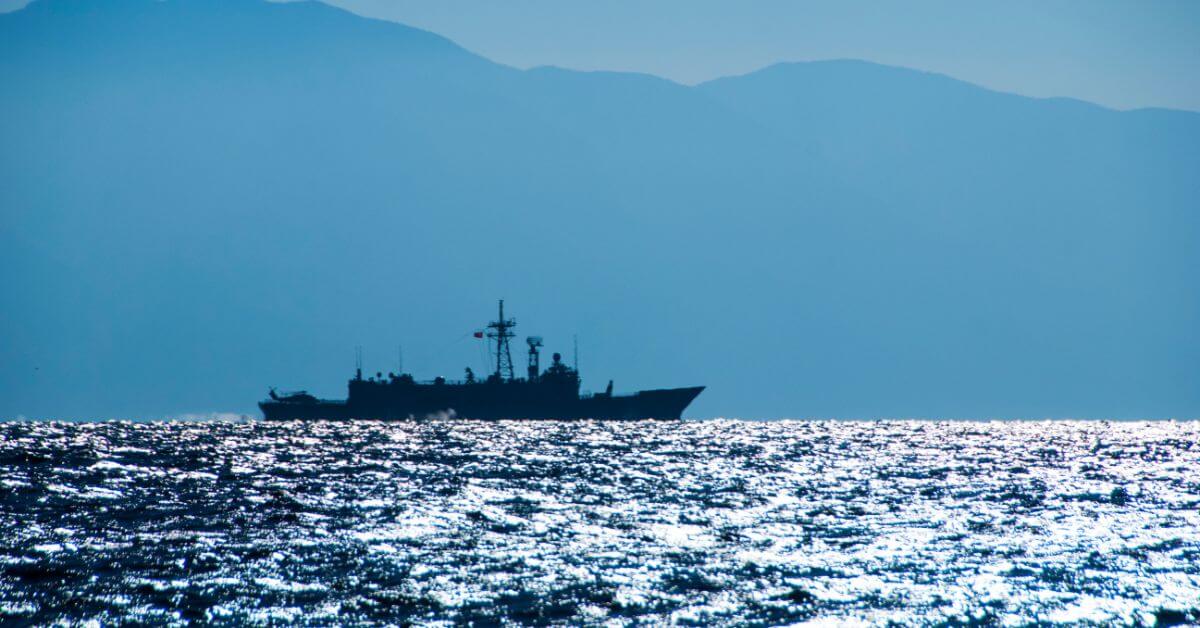
Russian Maritime Activity Raises Concerns of Drone Operations in Mediterranean
A CIA warning to European allies points to a suspected Russian plan to launch drones from commercial ships in the Mediterranean. The move signals a calibrated escalation, one that turns civilian vessels into potential platforms for covert operations. It is a reminder that maritime security now extends beyond traditional naval threats. For context on Russia's broader maritime strategy, our related coverage of the Northern Sea Route icebreaker fleet offers useful background.
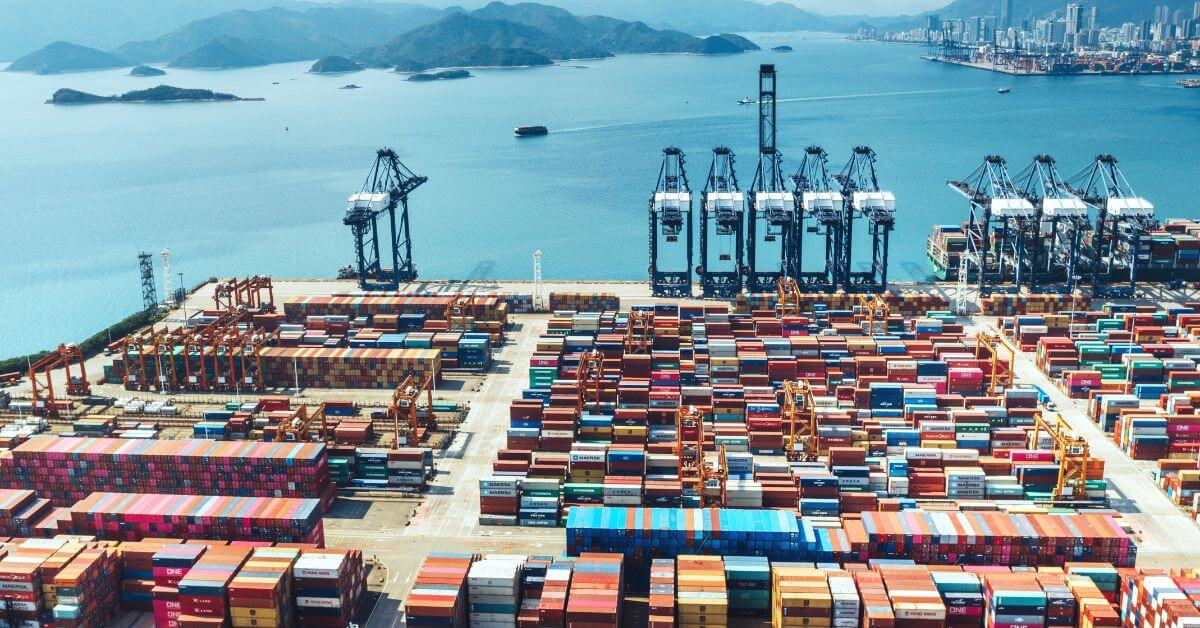
Record Port Activity Reflects Rising Chinese Exports Amid Trade Uncertainty
Record port activity tells a clear story: Chinese exports are rising even as trade uncertainty persists. The 7.279 million twenty-foot equivalent units handled in the week to September 20 marks a measurable high, one that signals resilience rather than retreat. We read this as a sign that global demand for Chinese goods remains calibrated to real needs, not speculative stockpiling. For context on how trade routes are shifting elsewhere, our piece on the Gulf of Oman STS transfers shows similar pressure points.
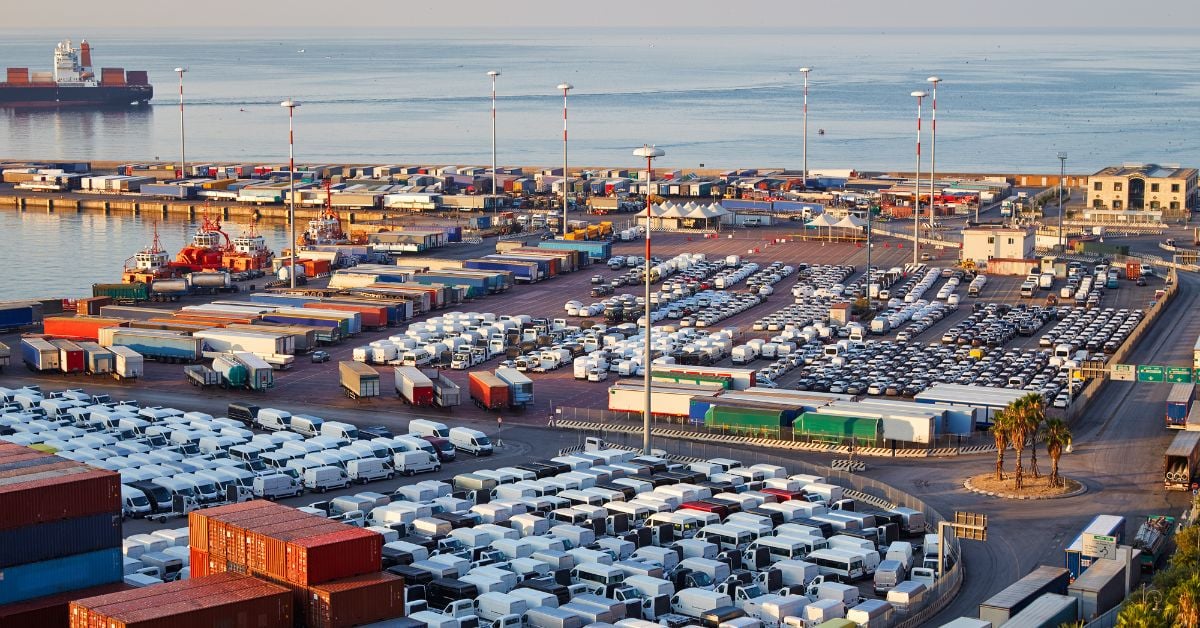
Ukraine Supports India’s Initiative for Black Sea Shipping Routes
Ukraine's consideration of India's proposal to restore safe navigation in the Black Sea signals a practical step toward maritime stability. Reopening these routes is not merely a regional matter; it supports global supply chains and the exchange of ocean intelligence. The move reflects measured diplomacy, grounded in shared interests rather than rhetoric. For readers tracking how nations recalibrate maritime strategy, our related coverage on integrated subsea cables across the Indian Ocean offers useful context on how connectivity and shipping increasingly intersect.

Advancing Ocean Access: New 1,700-Tonne Boat Hoist Under Construction.
A 1,700-tonne vessel demands more than a routine haul-out. Italian manufacturer ASCOM has begun building a boat hoist capable of lifting that weight, a move that signals serious investment in heavy marine infrastructure. This is the kind of practical, engineering-led progress that keeps shipyards competitive. For readers tracking broader sector momentum, Cochin Shipyard's recent design equity stake in Conoship shows similar strategic thinking. The hoist is a concrete step; the pattern around it is worth watching.
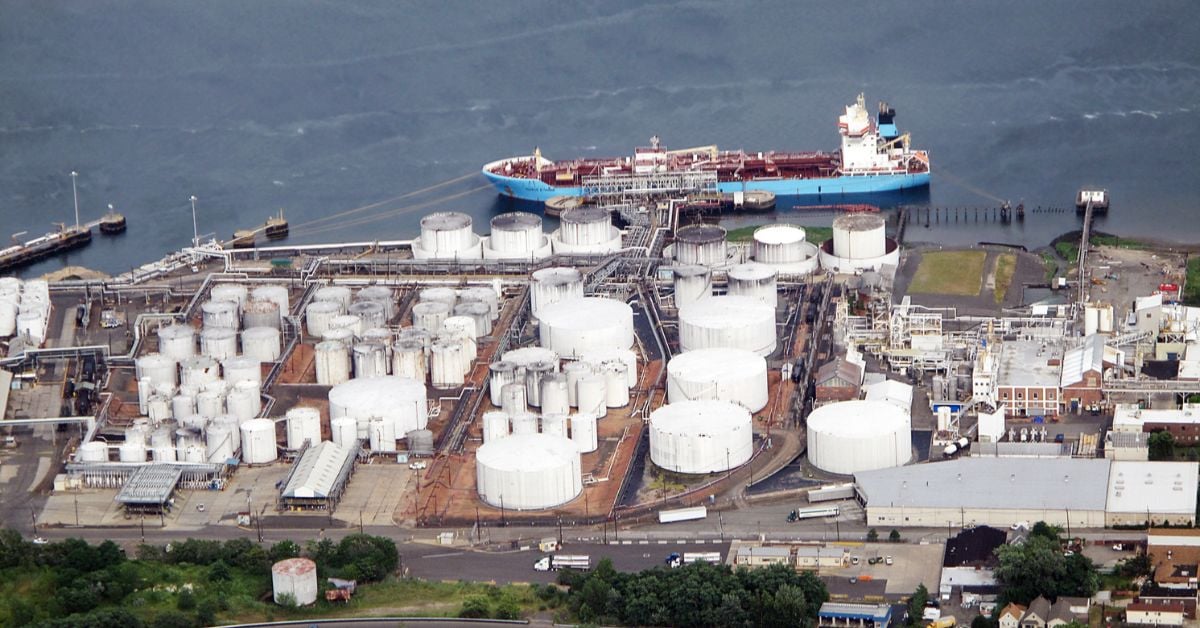
Attacks Disrupt Saudi Oil Operations; Regional Instability Intensifies.
Houthi attacks struck southern Saudi Arabia, including an Aramco oil refinery, disrupting operations and intensifying regional instability. These strikes underscore the fragility of energy infrastructure in contested zones. Measurable impacts on global oil flows demand calibrated monitoring. For deeper context on shifting maritime pressures, see our related coverage of Gulf of Oman STS transfers maxing out amid rising Saudi exports. Understanding these disruptions is essential, protection begins with empirical awareness.
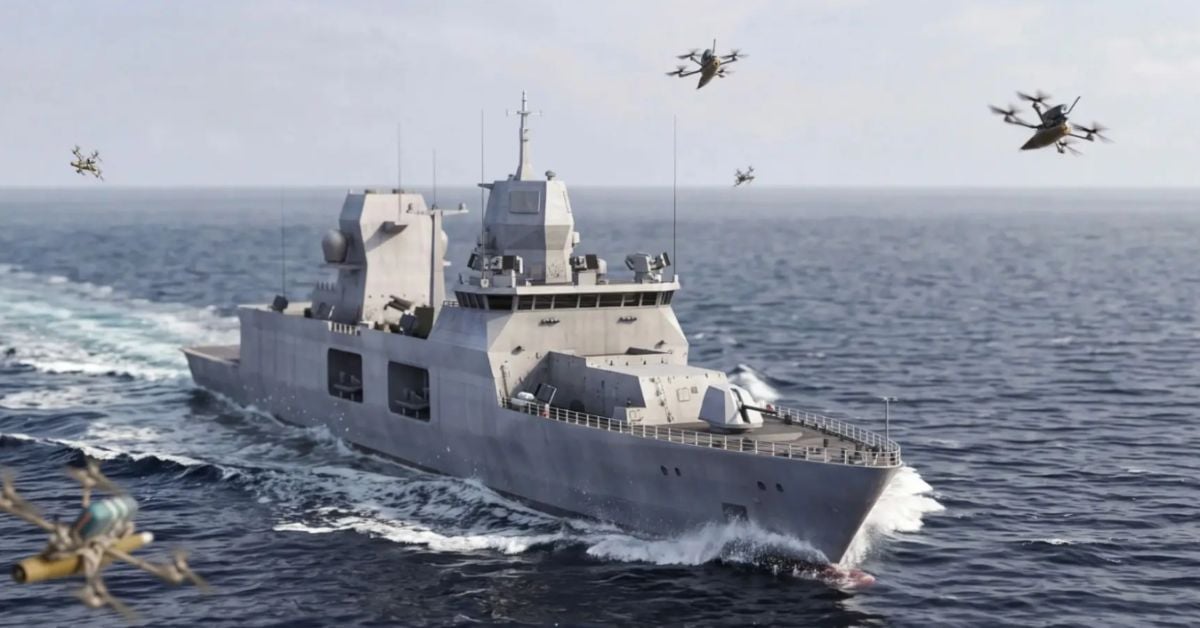
Validated Counter-Drone System Enhances Naval Vessel Protection Through Empirical Testing
Forty-eight trials in 18 months is a rigorous gauntlet, and the result is a counter-drone system that earns its place on a naval deck. Mehler Production has delivered empirical proof that protection can be calibrated to the real-world chaos of maritime threats. This is the kind of validated engineering that turns defensive capability into a measurable fact. For context on the evolving drone threat, our coverage of Russian Maritime Activity Raises Concerns of Drone Operations in Mediterranean offers a timely backdrop.
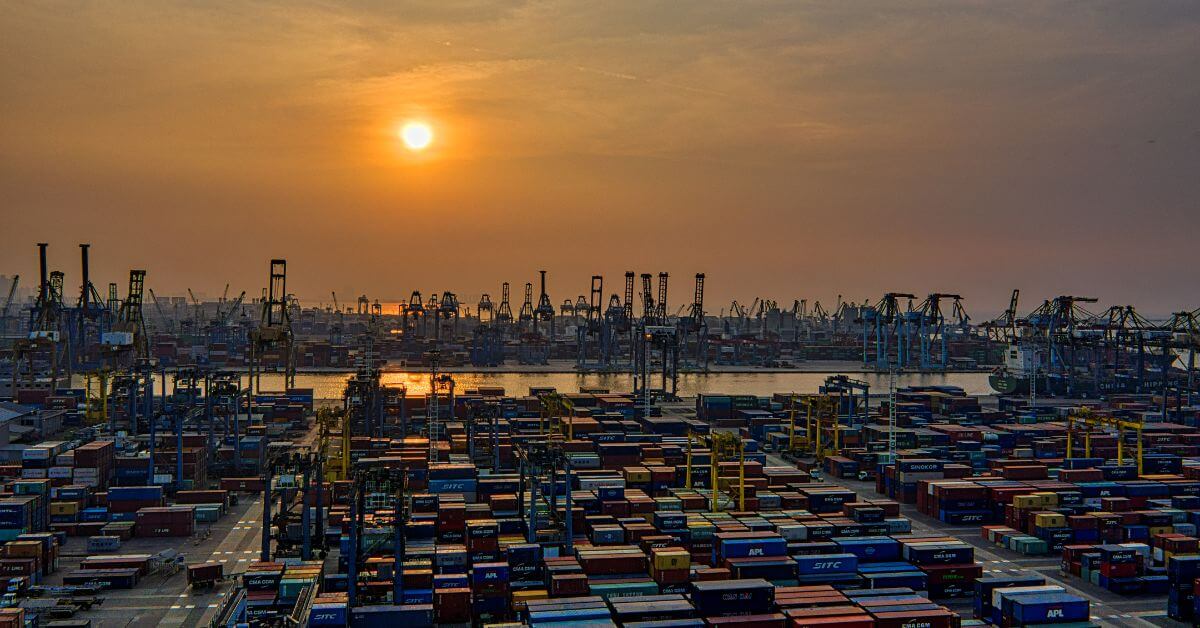
Heightened Threat: Iran’s IRGC Targets Key East Asian Shipping Routes.
Iran's Islamic Revolutionary Guard Corps has set its sights on some of Asia's busiest maritime arteries, including China's Ningbo-Zhoushan and Shanghai ports and Indonesia's Tanjung Priok. That is not posturing; it is a calibrated escalation with measurable consequences for global trade. The threat is specific, and it demands precise, empirical attention. Vessels and port operators should treat this as a real-time risk, not a hypothetical.
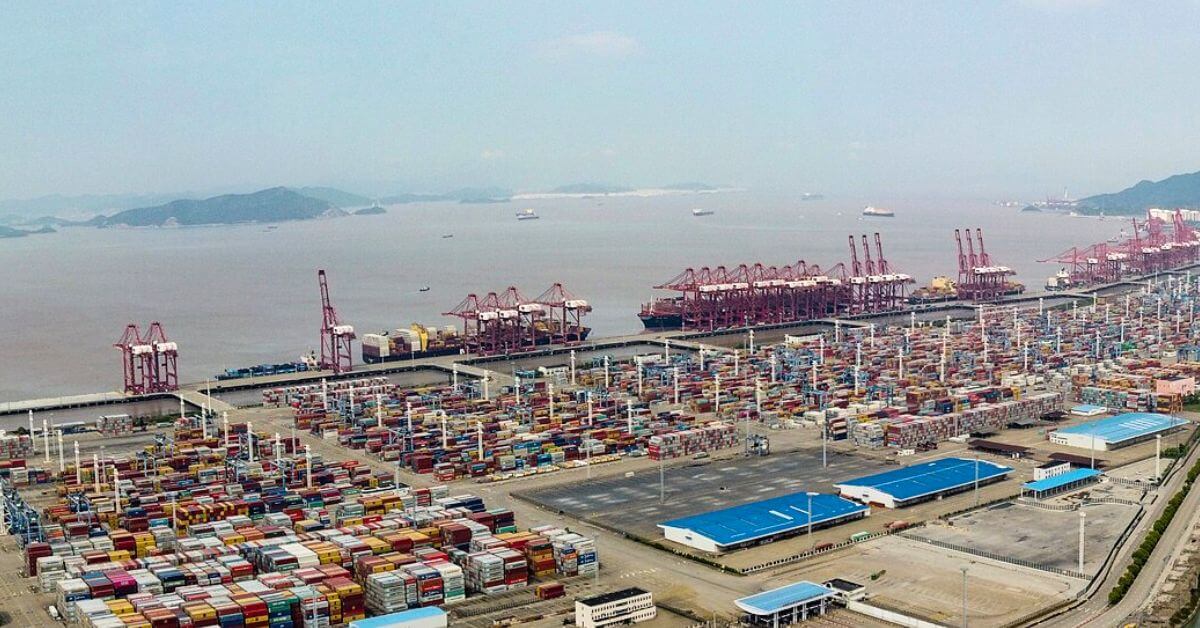
Ningbo-Zhoushan Port Surpasses Singapore, Securing Second Place Globally.
Ningbo-Zhoushan Port moved up the global ranks with 22.90 million TEU in the first half of 2026, an 8.8% year-on-year gain that places it second worldwide. This is what measured, data-driven progress looks like. Singapore's loss is not a setback but a signal of shifting trade currents. For readers tracking maritime momentum, our related piece on Paradi Port's new Mega Port status offers useful context. Growth at this scale demands calibrated investment, and China's port network is delivering it.

Securing Vital Sea Lanes: Commitment to Straits of Malacca and Singapore.
The Straits of Malacca and Singapore carry a third of global maritime trade, and their security is not negotiable. Indonesia, Malaysia, and Singapore have now made that priority explicit, committing to keep these vital sea lanes open for all nations. This is a calibrated, practical move that reinforces stability where it matters most. For readers tracking how regional infrastructure evolves, our related piece on integrated subsea cables enhancing Indian Ocean connectivity offers useful context.

Aegir Sonar: AI-Powered Maritime Security for Enhanced Underwater Intelligence
The Aegir range answers a clear operational need: sonar systems designed for precise, real-time underwater awareness. This is not about novelty; it is about calibrated, measurable capability when maritime domain awareness is most demanding. The intelligence is practical and immediate. For broader geopolitical context on why such capabilities matter now, our coverage of the Strait of Hormuz shipping lane discussions offers a relevant perspective. Aegir provides the empirical tool for a complex reality.

Black Sea Grain Shipments Limited as Truce Proposal Fails.
The Black Sea Grain Shipments Limited's collapse, following the failed truce, leaves Ukraine's agricultural lifeline critically constrained. Since August, only 500,000 tonnes have moved, a mere fifth of what could ship. This is not a stalemate; it is a calibrated strangulation. The measured volume signals deliberate pressure, not logistical failure. While Russia calibrates its own maritime leverage elsewhere, as our piece on Northern Sea Route icebreaker funding shows, the immediate cost here is global food security.

U.S. Actions Disrupt Iranian Shipping Amidst Regional Tensions
U.S. Central Command reports that its forces have redirected 70 merchant vessels, boarded two, and disabled three since reimposing the blockade on Iran. These actions disrupt shipping lanes already strained by regional tensions. Measured enforcement, yes, but the ripple effects demand attention. For context on how these routes are evolving, our related piece, "Gulf of Oman STS Transfers Max Out Amid Rising Saudi Oil Exports," details the capacity pressures amplifying this pressure.

Investment Dispute: CK Hutchison Seeks $1.5B from Panama Over Canal Ports
CK Hutchison's $1.5 billion claim against Panama is a stark reminder that port assets sit at the intersection of commerce and state power. The company alleges a coordinated, unlawful campaign breached an international investment treaty, a charge that carries weight far beyond balance sheets. This is not about inconvenience; it is about the rules that govern global trade. For context on how fragile such infrastructure can be, see our coverage of drought-driven transit reductions in "Reduced Canal Transits."

Northern Sea Route Opens: China Ship Arrives at Murmansk Port
The Xin Xin Hai 1 arrived at Murmansk Port on Wednesday night, carrying roughly 500 containers of automotive components. This transit along the Northern Sea Route signals a measurable shift in Arctic logistics. China's reach into these waters is no longer theoretical; it is operational. The voyage demonstrates how climate indicators and commercial strategy now intersect. For deeper context on regional maritime pressures, our piece on strikes targeting ports and vessels offers a contrasting picture of vulnerability.

Heightened Tensions: Iran and US Navigate Strait of Hormuz Instability
A vessel was struck as it departed the Strait of Hormuz on Tuesday, while the UAE reported two ballistic missiles launched from Iran. The incident underscores a fragile moment in a waterway that carries a third of global oil trade. Tension is not new here, but the precision of these actions raises the stakes. For readers tracking the region's shifting dynamics, our coverage of phased negotiations to ease restrictions on the strait offers essential context.

Panama Canal: A Century of Trade Navigates Evolving Climate Risks.
The Panama Canal recorded 10,623 deep-draft vessel transits in the first ten months of fiscal year 2026, according to the Panama Canal Authority. That volume underscores a century of trade resilience, yet the waterway now navigates a more volatile climate. We see this as a measure of both engineering endurance and growing environmental pressure. For context, our coverage of El Niño's unprecedented ocean warming offers a stark reminder of what drives such risks. The canal's operations remain a critical climate indicator.

Black Sea Truce Proposal Aims to Stabilize Global Food Supply.
A third-party channel has carried the Black Sea truce proposal to Moscow, yet Ukraine still awaits a reply. The asymmetry is telling: one side engages, the other delays. A stable food corridor is not a favor; it is a global necessity, and every idle day carries measurable cost. For context on how maritime pressure is being applied, our related report, "Russia Calibrates Export Revenue for Northern Sea Route Icebreaker Fleet," offers a useful counterpoint. The signals are mixed, but the proposal stands.

Alternative Fuels: UK Shipping Assesses Safety for a Net Zero Transition
Safety is the quiet foundation of shipping's energy transition, and the UK Chamber of Shipping's new report ensures it is not overlooked. The assessment addresses the practical risks of alternative fuels, grounding the net zero shift in empirical, peer-reviewed scrutiny rather than optimism alone. That measured approach matters for an industry where precision is non-negotiable. For those tracking how such operational data integrates with broader ocean intelligence, our related piece on bridging data gaps through citizen science offers a useful complement to this safety-first perspective.

Goa's New Waterfront Terminal Advances Integrated Coastal Infrastructure.
A new waterfront terminal in Goa, developed by the Goa State Infrastructure Development Corporation at Rs 48.87 crore, advances integrated coastal infrastructure across 4,405 square metres. This is measured progress, validated investment in ocean intelligence at the shoreline. Such facilities strengthen the link between land and sea, supporting empirical climate indicators. For deeper context on maritime welfare, read our coverage of India's approval for a seafarers' hub at Mormugao Port. Understanding drives protection, from terminal to tide.