ballistic missile
World Data Ocean keeps ballistic missile in one place: 10 stories so far. The section currently leads with “France Validates M51.3 Ballistic Missile in Submarine Test Launch”, “Türkiye's TAYFUN Block 3 Enters Serial Production for Precision Maritime Targeting”, and “Attacks Disrupt Saudi Oil Operations; Regional Instability Intensifies.”. France's successful test launch of the M51.3 ballistic missile from a submarine off Brittany is a calibrated demonstration of strategic deterrence, weeks after President Macron pledged to counter Russia's hybrid attacks. Serial production of Türkiye's TAYFUN Block 3 ballistic missile is now underway, with deliveries to the Turkish Armed Forces slated for 2026. A Global Hub for Ocean Intelligence 4 World Data Ocean is a centralized digital platform where researchers, scientists, and ocean enthusiasts converge to… The list below is every ballistic missile story on World Data Ocean, newest first.
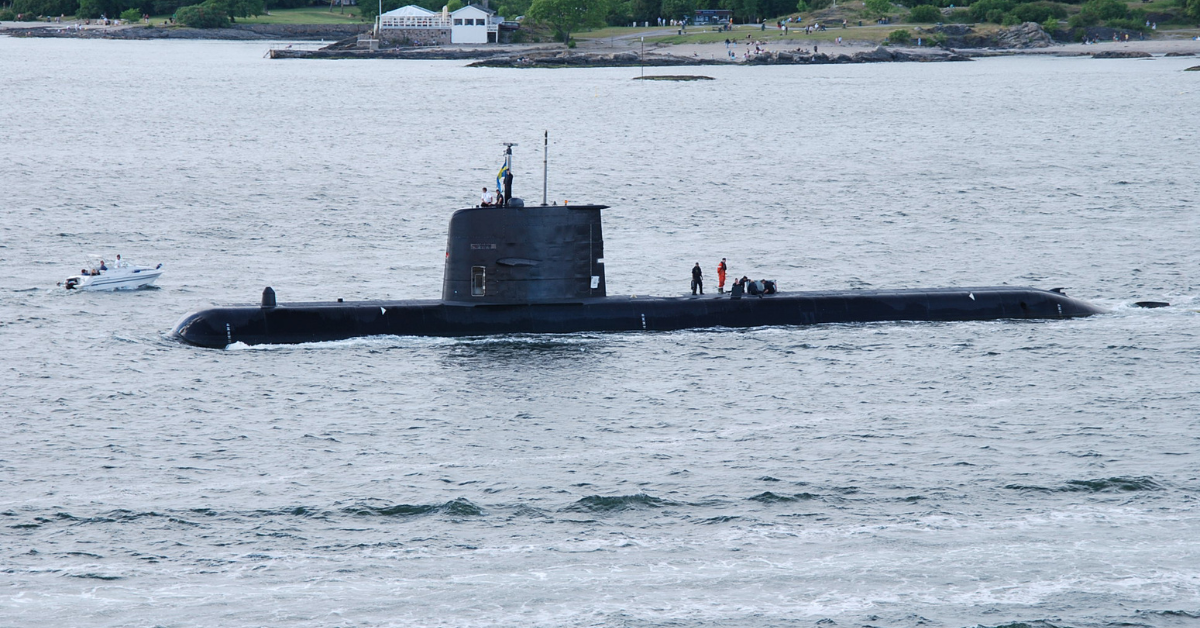
France Validates M51.3 Ballistic Missile in Submarine Test Launch
France's successful test launch of the M51.3 ballistic missile from a submarine off Brittany is a calibrated demonstration of strategic deterrence, weeks after President Macron pledged to counter Russia's hybrid attacks. This validated, peer-reviewed capability underscores the measurable role of naval power in global security. For context on maritime vulnerabilities, see our coverage of the Black Sea incident raising urgent questions on safety and climate risk.
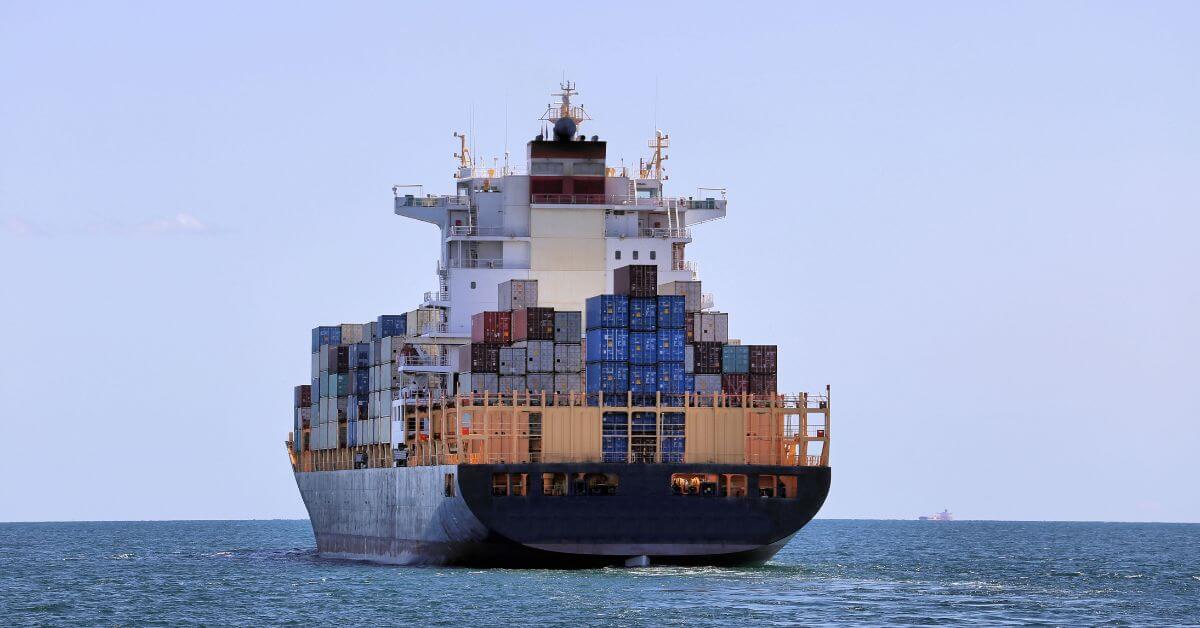
Türkiye's TAYFUN Block 3 Enters Serial Production for Precision Maritime Targeting
Serial production of Türkiye's TAYFUN Block 3 ballistic missile is now underway, with deliveries to the Turkish Armed Forces slated for 2026. This is precision maritime targeting moving from concept to calibrated capability, a measurable step in Türkiye's integrated defense ecosystem. The missile's trajectory reflects a broader commitment to indigenous innovation, one that echoes through recent milestones like the TCG Istanbul frigate's role in the Navy's 488th anniversary. Understanding drives protection, and this system sharpens that link.
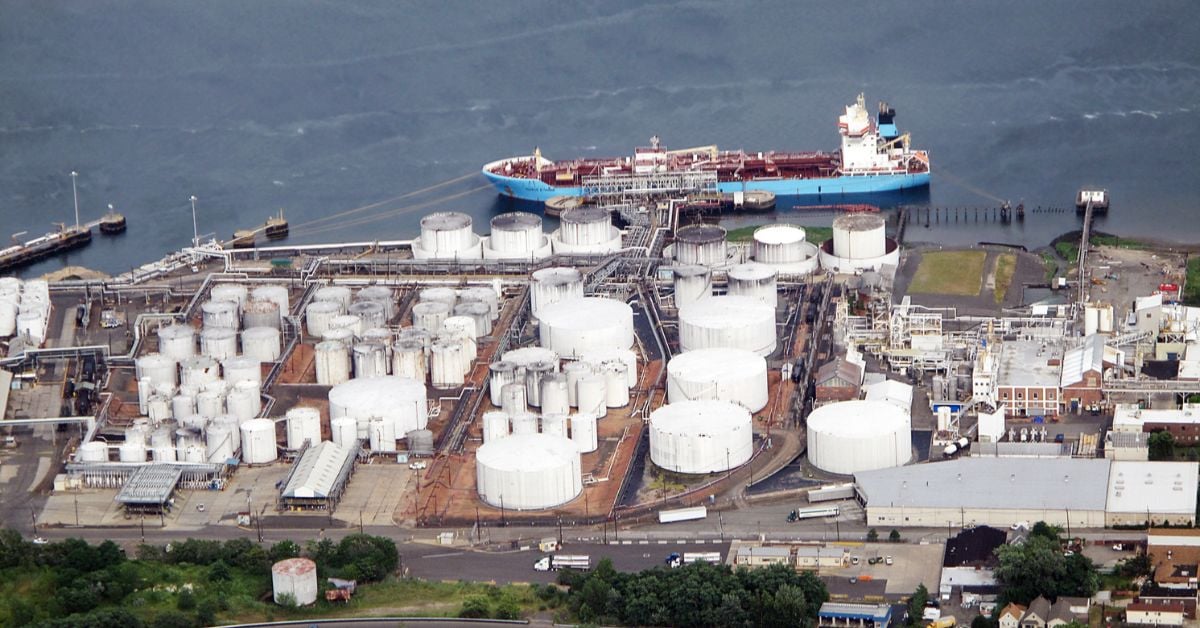
Attacks Disrupt Saudi Oil Operations; Regional Instability Intensifies.
Houthi attacks struck southern Saudi Arabia, including an Aramco oil refinery, disrupting operations and intensifying regional instability. These strikes underscore the fragility of energy infrastructure in contested zones. Measurable impacts on global oil flows demand calibrated monitoring. For deeper context on shifting maritime pressures, see our related coverage of Gulf of Oman STS transfers maxing out amid rising Saudi exports. Understanding these disruptions is essential, protection begins with empirical awareness.
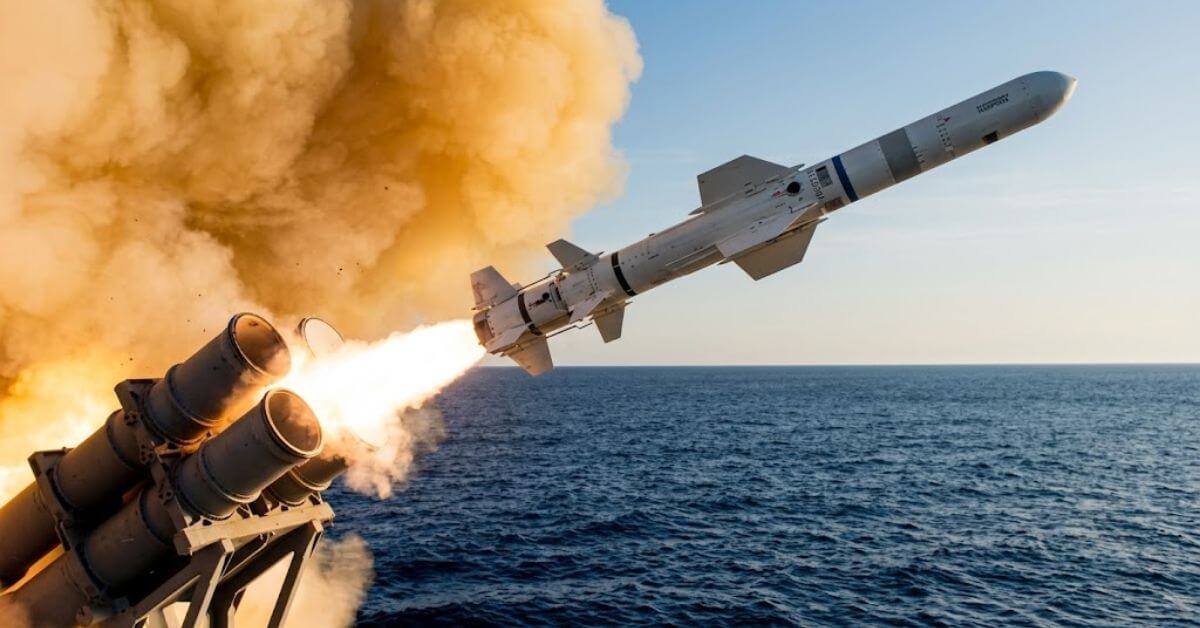
Escalation in Strait of Hormuz: Iran Tests Missile Near U.S. Navy.
Iran's IRGC announced a missile test near a U.S. aircraft carrier and destroyer in the Strait of Hormuz, a calibrated escalation that demands measured analysis. This is not alarmism; it is a real-time indicator of strategic friction in a waterway that carries a fifth of global oil. Such actions validate the urgency of integrated maritime monitoring. For deeper context on regional oil flows, see our related article on Gulf of Oman STS transfers operating at maximum capacity. Understanding drives protection.
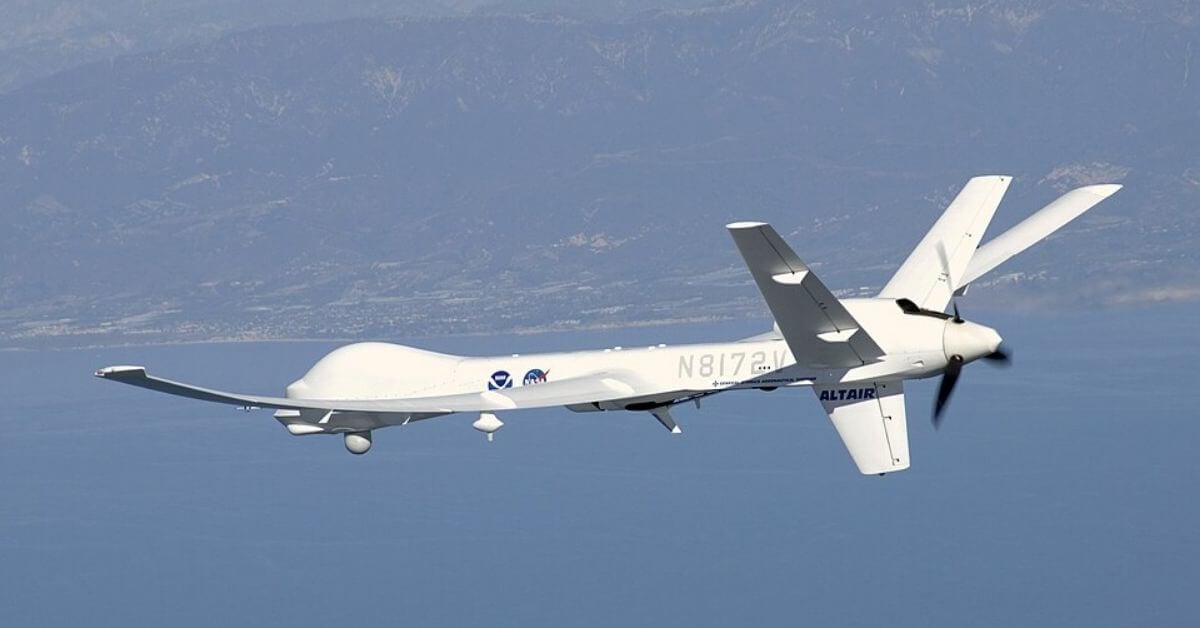
Escalation in Strait of Hormuz: Iran Intercepts US Drone.
Iran's interception of a US MQ-9 Reaper over the Strait of Hormuz sharpens a familiar tension: the world's most vital energy artery now doubles as a flashpoint for drone-versus-drone bravado. The Reaper, a medium-altitude workhorse from General Atomics, is built for persistence, yet here it met a check on that persistence. This is calibrated pressure, not chaos, and it demands measured reading. For broader maritime context, our related piece on Gulf of Oman STS transfers maxing out offers useful framing.

Red Sea Shipping Disrupted: Missile Strike Impacts Oil Tanker Near Yanbu
A ballistic missile strike has disrupted shipping near Yanbu, with the Houthis reporting that the tanker Amzan, operated by Bahri, was hit. The incident underscores how fragile Red Sea transit has become for energy flows. This is not an isolated disruption; it follows reports of Gulf of Oman STS transfers maxing out amid rising Saudi exports. The interconnected pressure on these routes demands attention.

Yemen Conflict: Houthis Report Attack on Saudi Naval Vessel in Red Sea
The Houthis claim they struck a Saudi military landing ship and four escort vessels near the Red Sea port of Mocha, a direct escalation in a waterway already strained by regional tensions. The attack, if confirmed, underscores how fragile maritime security has become. We treat such reports with caution, but the pattern is clear: the Red Sea is now a flashpoint.

Red Sea Incident: Houthi Claim Missile Strike on Oil Tanker
The Houthi missile strike on the oil tanker NCC GHAZAL, claimed by Yahya Saree, underscores how quickly maritime navigation bans escalate into active threats. The group acted after repeated warnings, a pattern that demands scrutiny from every stakeholder in global shipping. This is not hyperbole; it is a measurable disruption to seaborne trade. For broader context on regional chokepoints, our related piece on the Gulf of Oman STS Transfers Max Out Amid Rising Saudi Oil Exports offers valuable perspective. Understanding drives protection.

Escalation in Jordan, Strait of Hormuz Closure Threatens Global Shipping.
Two US troops killed, one missing, and the Strait of Hormuz transits down to eight vessels a day: the escalation in Jordan signals a sharp turn in an already volatile maritime corridor. These are not abstract metrics. They are calibrated warnings of how quickly regional conflict rewrites global shipping routes. The pressure on tanker movement is measurable, and it demands attention. For deeper context on how such constraints reshape oil flows, our piece on Gulf of Oman STS transfers offers a relevant thread.

Kuwaiti Warship Struck: Four Personnel Injured in Iranian Attack
A Kuwaiti naval vessel was struck by an Iranian missile and drone barrage, leaving four armed forces personnel injured, according to Kuwait's Military. The attack underscores the fragile security calculus of a region already straining under disrupted shipping lanes. Such strikes are not isolated incidents; they are symptoms of a broader volatility that demands calibrated, data-driven responses. As diplomatic efforts like the phased negotiations over the Strait of Hormuz gain traction, the need for validated ocean intelligence has never been more immediate.