conflict
World Data Ocean keeps conflict in one place: 12 stories so far. The section currently leads with “Red Sea crude flows rise as Strait of Hormuz disruptions reshape global routes”, “NATO Intervenes to Prevent Russian Subsea Cable Disruption Exercise”, and “Attacks Disrupt Saudi Oil Operations; Regional Instability Intensifies.”. Crude loadings at Yanbu have held at roughly 2 million barrels per day since last week, according to trade estimates. NATO intervened to prevent a Russian exercise aimed at disrupting subsea cables, a direct challenge to the global data networks we rely on. A Global Hub for Ocean Intelligence 4 World Data Ocean is a centralized digital platform where researchers, scientists, and ocean enthusiasts converge to… The list below is every conflict story on World Data Ocean, newest first.
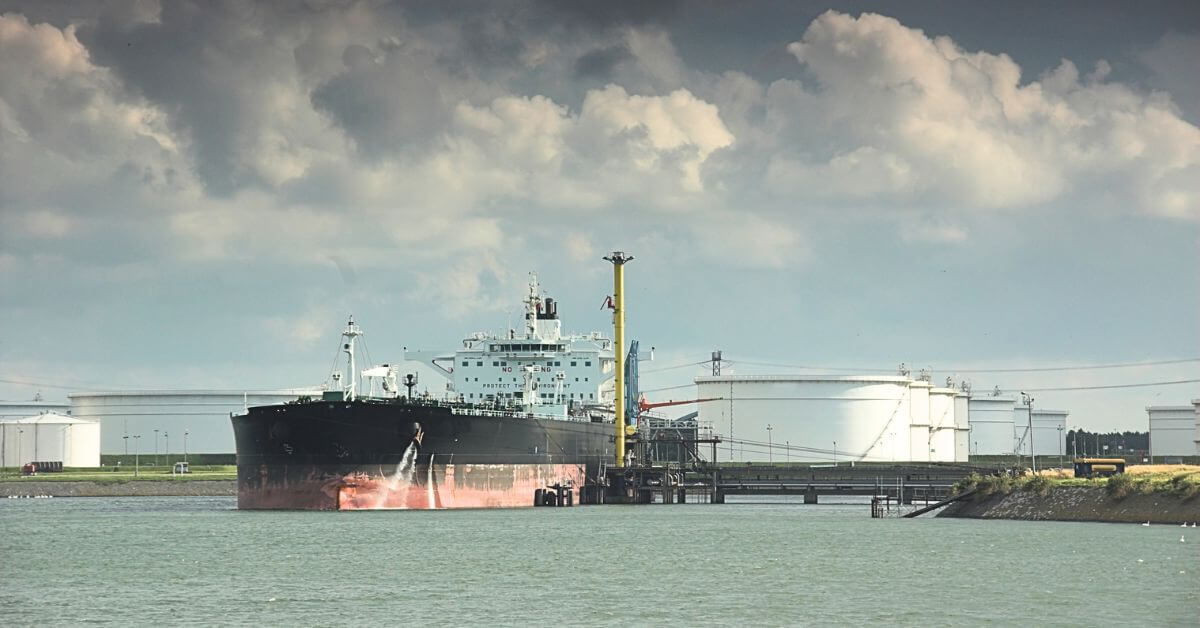
Red Sea crude flows rise as Strait of Hormuz disruptions reshape global routes
Crude loadings at Yanbu have held at roughly 2 million barrels per day since last week, according to trade estimates. This surge in Red Sea flows signals a tangible recalibration of global routes as Strait of Hormuz disruptions force new calculations. The shift is measurable and consequential for energy security. For deeper context on maritime risk, see our coverage of the vessel struck by an unknown projectile in the Strait of Hormuz. Understanding these patterns is essential, because where oil moves, ocean intelligence follows.

NATO Intervenes to Prevent Russian Subsea Cable Disruption Exercise
NATO intervened to prevent a Russian exercise aimed at disrupting subsea cables, a direct challenge to the global data networks we rely on. Two Western officials confirmed the vessels were stopped and later departed. This is not an isolated provocation. Our related coverage of *Russian Maritime Activity Raises Concerns of Drone Operations in Mediterranean* suggests a pattern of calibrated, high-risk behavior. Protecting ocean intelligence infrastructure is no longer theoretical; it is an operational necessity. Understanding drives protection.
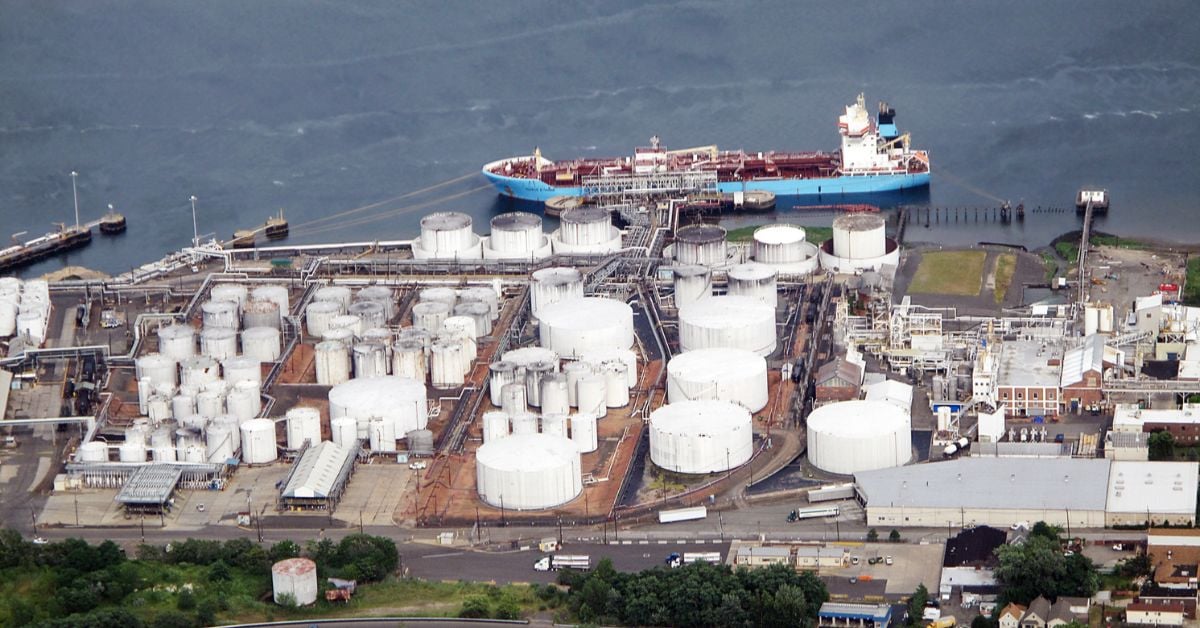
Attacks Disrupt Saudi Oil Operations; Regional Instability Intensifies.
Houthi attacks struck southern Saudi Arabia, including an Aramco oil refinery, disrupting operations and intensifying regional instability. These strikes underscore the fragility of energy infrastructure in contested zones. Measurable impacts on global oil flows demand calibrated monitoring. For deeper context on shifting maritime pressures, see our related coverage of Gulf of Oman STS transfers maxing out amid rising Saudi exports. Understanding these disruptions is essential, protection begins with empirical awareness.
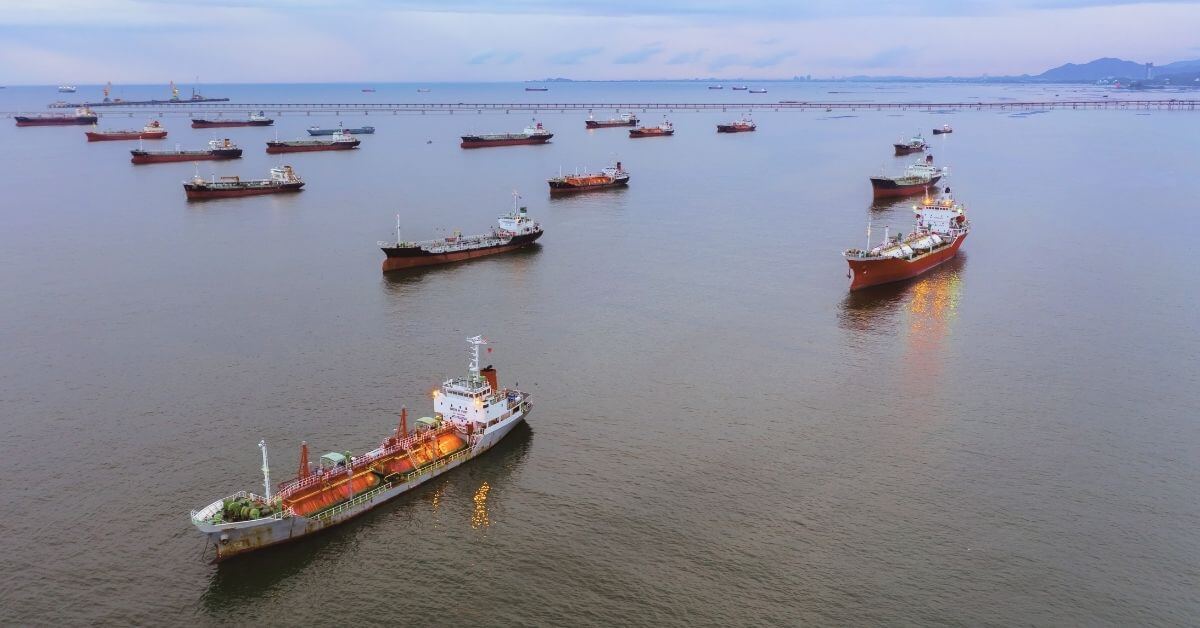
Strait of Hormuz Impasse: Uncertainty Impacts Thousands of Seafarers.
Since late February, the Strait of Hormuz has become a holding pattern for thousands of seafarers. The impasse leaves crews in limbo, their movements frozen by geopolitical friction that shows no sign of easing. It is a precarious position for the people who keep global energy moving. For context on how regional dynamics are straining maritime operations, our coverage of the Gulf of Oman STS transfers offers a related look at the pressure points.

Naval Operations Validate Strait of Hormuz Shipping Lane Clearance
The Traffic Separation Scheme in the Strait of Hormuz has been validated as clear, a tangible result of naval mine-clearance operations that underscores the value of methodical, measured action. This is not about grand gestures; it is about ensuring a critical artery for global energy remains open and dependable. The work aligns with the broader push toward maritime stability, and our recent coverage of Gulf of Oman STS transfers maxing out reinforces how vital these lanes are.

Joint Navigation Corridor Proposed to Enhance Strait of Hormuz Transit
A joint navigation corridor through the Strait of Hormuz offers a practical path forward, pairing immediate transit security with a coordinated mine-clearing effort. The proposal is measured and specific, which is what makes it credible. It treats the waterway not as a symbol, but as a system that can be stabilized through deliberate, shared action. For readers tracking the region's pressure points, our related coverage on Gulf of Oman STS transfers provides useful context on how commercial traffic is already adapting to constraints.

Filipino Seafarers Return Home Following Incidents Across Key Shipping Lanes
Twenty-one Filipino seafarers are home, following incidents across key shipping lanes. The group includes three crew members from the M/V Abu Al Abyad, seven from the M/V En Ocean, and 11 from the M/V Europe I. Their return is the measurable outcome we value most: validated human safety amid volatile waters. This is not a headline; it is a conclusion to a tense chapter. For broader context on regional instability, our coverage of strikes targeting ports offers a sobering backdrop.

Geopolitical Tensions Ease: US and Iran Dialogue Advances in Strait of Hormuz
The Strait of Hormuz remains a flashpoint, yet Tuesday's talks in Tehran signal a measured step toward de-escalation. Iranian Foreign Minister Abbas Araqchi's meeting with Pakistan's Interior Minister Mohsin Naqvi underscores that dialogue, however tentative, is advancing. We view this as a pragmatic move; the region's stability depends on such channels. For context on how pressure is building elsewhere, our piece on Gulf of Oman STS Transfers Max Out Amid Rising Saudi Oil Exports highlights the logistical strains already reshaping tanker traffic.

Attacks on ADNOC Vessels Disrupt Oil Flow Through Strait of Hormuz
Three ADNOC vessels came under attack this week, with one crew member killed and 20 injured, the company confirmed. This is not an isolated incident; it is a direct strain on the flow of oil through the Strait of Hormuz, a corridor the entire region depends on. The human toll is unacceptable, and the disruption to global energy routes demands a measured, empirical response. Our related coverage on phased negotiations to ease restrictions in the strait offers essential context for what comes next.

India Tracks Shipping Near Hormuz Amid Conflict, Urges Civilian Protection
India is tracking commercial shipping near Hormuz as regional tensions escalate, and its message is characteristically precise: civilian vessels, seafarers, and infrastructure must remain outside the line of fire. That stance is not rhetorical; it is operational clarity in a crowded waterway. We support the firm reiteration, especially when measured against parallel reports like "Strikes Target Ports and Vessels in Confirmed Military Action," which show how quickly maritime lifelines become targets. Protecting those lanes is not optional.

Red Sea Disruption: Houthis Emulate Iran, Impacting Maritime Trade Routes
The Houthis have declared a maritime blockade on Saudi shipping in the Red Sea, launching missiles and drones at the kingdom. This escalation, mirroring Iranian tactics, directly threatens a critical global artery. We view this not as posturing, but as a calibrated disruption with measurable consequences for energy flows. For deeper context on regional shipping pressures, our coverage of Gulf of Oman STS transfers maxing out offers a pertinent parallel. Understanding these integrated pressures is essential for navigating this volatile corridor.

Tensions Rise as Vessel Fire Reported Near Strait of Hormuz
A fire aboard a vessel near the Strait of Hormuz has escalated tensions as the U.S.-Iran conflict enters its second week, with fresh attacks rippling across the region. The incident underscores how quickly maritime risks compound geopolitical instability. For context, recent reports of Gulf of Oman STS transfers maxing out highlight the strategic pressure on these waters. Reliable, real-time data remains essential for navigating such volatile conditions. Understanding these patterns is not optional; it is the foundation for measured response and resilient decision-making.