missiles
29 stories filed under missiles on World Data Ocean. The newest of them: “Laser Deterrence Deploys in the Strait as Naval Defense Enters a New Measured Era”, “150 vessels idle in Gulf of Finland as Baltic maritime traffic bottlenecks”, and “India Projects Expanded Naval Fleet to Navigate Evolving Maritime Landscape”. Laser deterrence has arrived in the Strait of Hormuz, where the US military now deploys high-energy weapons against drones and aerial threats. Nearly 150 vessels sit idle in the Gulf of Finland, a maritime bottleneck gripping Baltic traffic to Russian ports such as Ust-Luga, Primorsk, and St Petersburg. A Global Hub for Ocean Intelligence 4 World Data Ocean is a centralized digital platform where researchers, scientists, and ocean enthusiasts converge to… The list below is every missiles story on World Data Ocean, newest first.
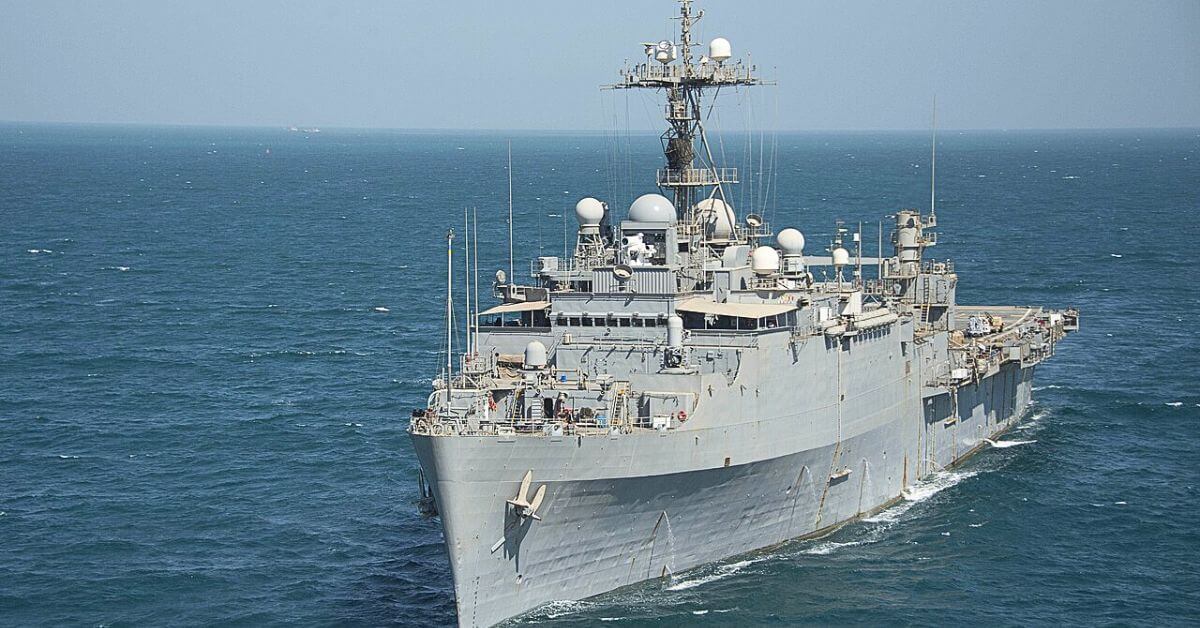
Laser Deterrence Deploys in the Strait as Naval Defense Enters a New Measured Era
Laser deterrence has arrived in the Strait of Hormuz, where the US military now deploys high-energy weapons against drones and aerial threats. This measured advance shifts naval defense from kinetic to calibrated response. It is a new chapter in maritime security, one defined by precision and restraint. For deeper insight into the evolving fleet, readers can explore our coverage of the USS Germantown's retirement after four decades of service.
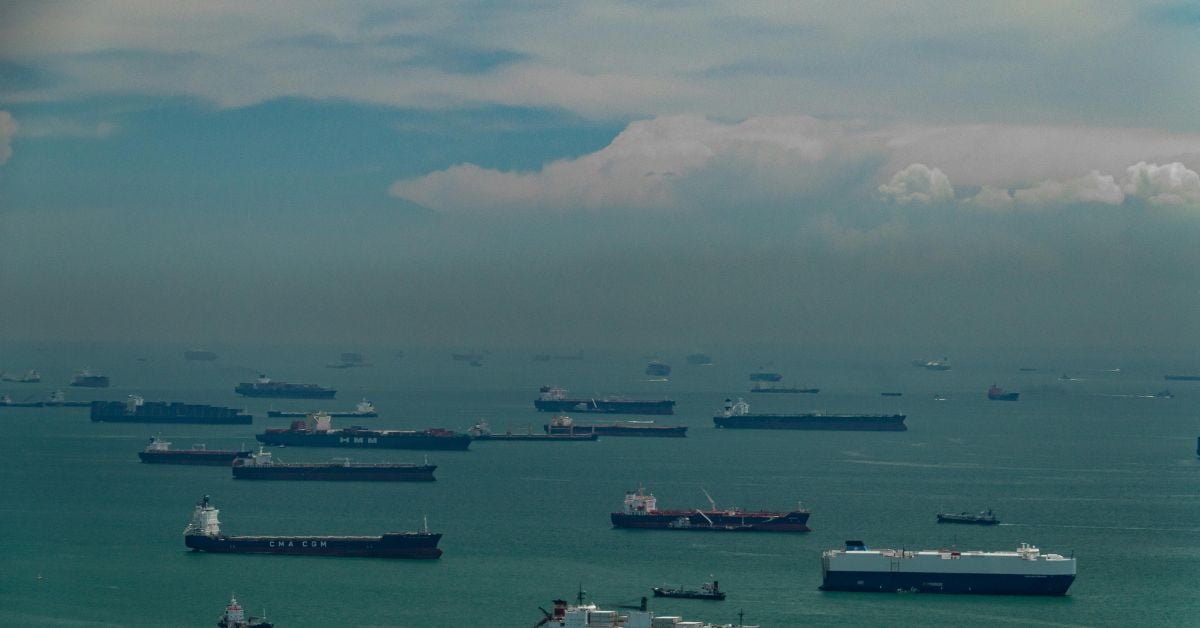
150 vessels idle in Gulf of Finland as Baltic maritime traffic bottlenecks
Nearly 150 vessels sit idle in the Gulf of Finland, a maritime bottleneck gripping Baltic traffic to Russian ports such as Ust-Luga, Primorsk, and St Petersburg. This congestion is more than a logistical snag, it is a measurable disruption in a region already under scrutiny. Such real-time bottlenecks carry empirical weight as climate and geopolitical indicators. For deeper context on maritime security, see our coverage of the captain charged over Ukrainian grain. Understanding these pressures drives protection of both trade and ocean intelligence.
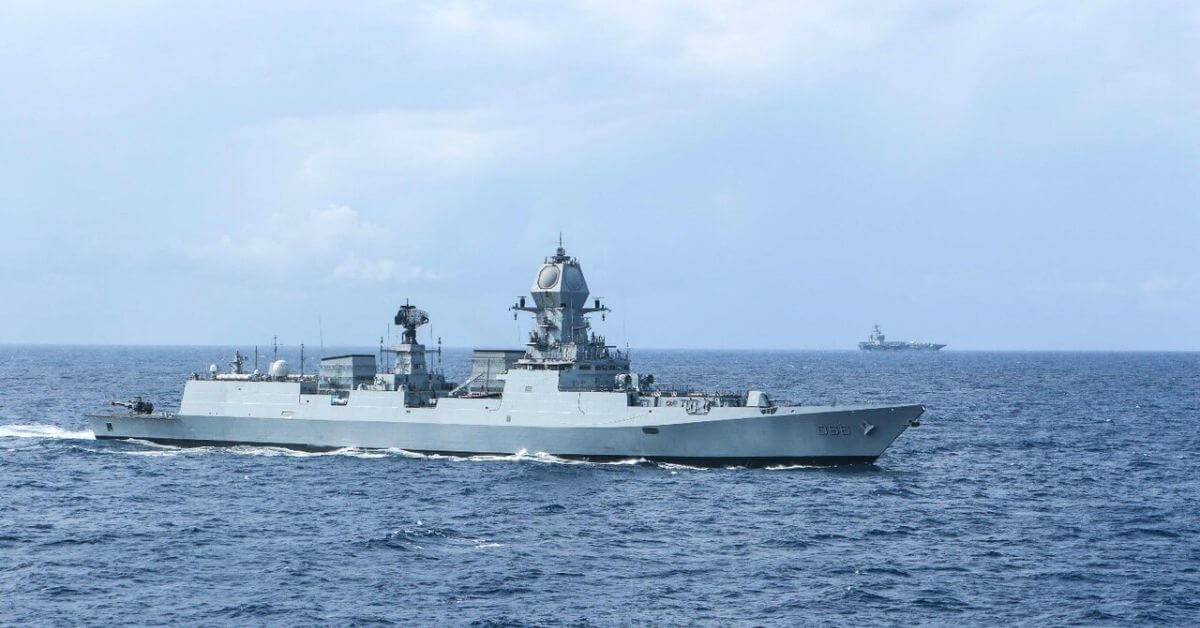
India Projects Expanded Naval Fleet to Navigate Evolving Maritime Landscape
The Indian Navy is planning for around 230 ships by 2040-2045, a clear signal of how seriously it views the region's shifting power dynamics. This is not about expansion for its own sake; it is calibrated preparation for a more contested maritime environment. Strategic foresight like this matters, especially as related coverage on domestic amphibious innovation highlights where that future capability is heading. Measured, deliberate, and backed by long-term thinking, this is the kind of planning that turns maritime ambition into real operational readiness.
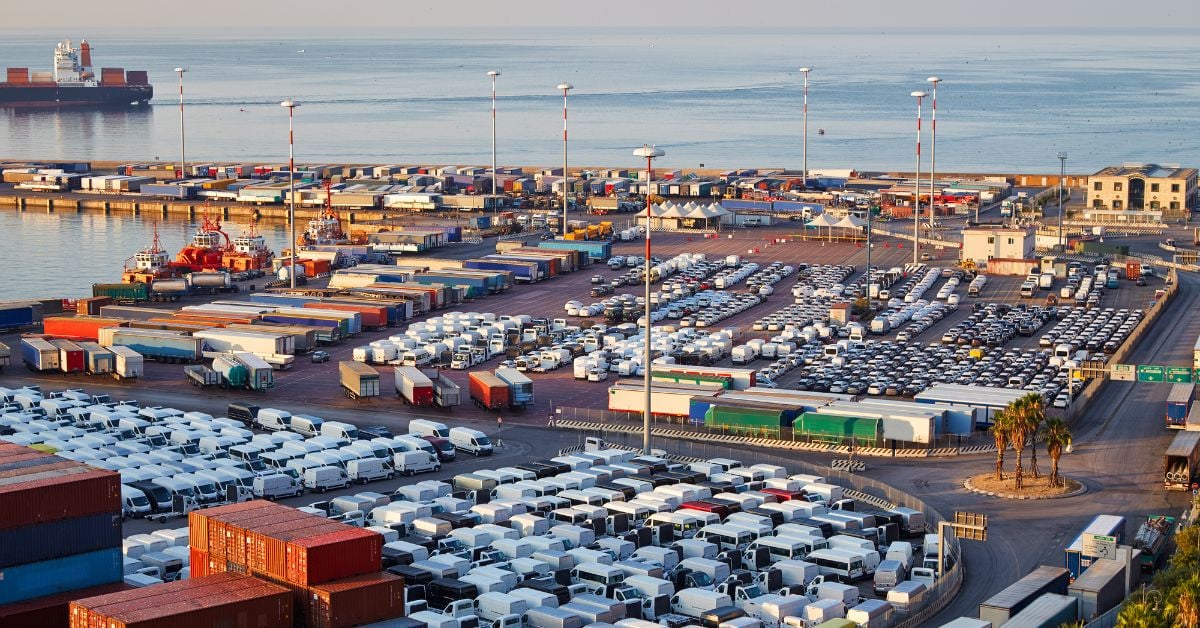
Ukraine Supports India’s Initiative for Black Sea Shipping Routes
Ukraine's consideration of India's proposal to restore safe navigation in the Black Sea signals a practical step toward maritime stability. Reopening these routes is not merely a regional matter; it supports global supply chains and the exchange of ocean intelligence. The move reflects measured diplomacy, grounded in shared interests rather than rhetoric. For readers tracking how nations recalibrate maritime strategy, our related coverage on integrated subsea cables across the Indian Ocean offers useful context on how connectivity and shipping increasingly intersect.
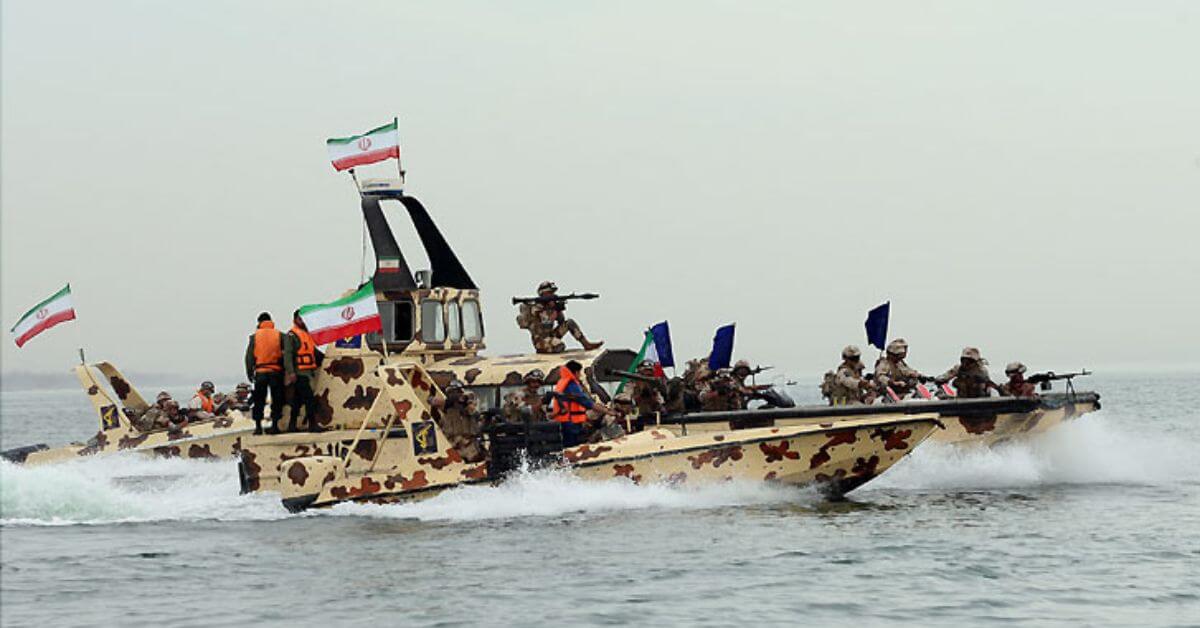
US Navy Responds to Iranian Attempt to Intercept Autonomous Saildrone.
The US Navy's response to an Iranian attempt to intercept one of its autonomous Saildrone vessels underscores a quiet but firm escalation in maritime competition. At roughly 25 feet, this uncrewed craft operates alone, yet its presence clearly signals strategic intent. This is measured deterrence, not provocation. The Navy's growing reliance on such platforms aligns with its broader push to integrate robotic systems, a move that also echoes in the Indian Navy's fleet projections.
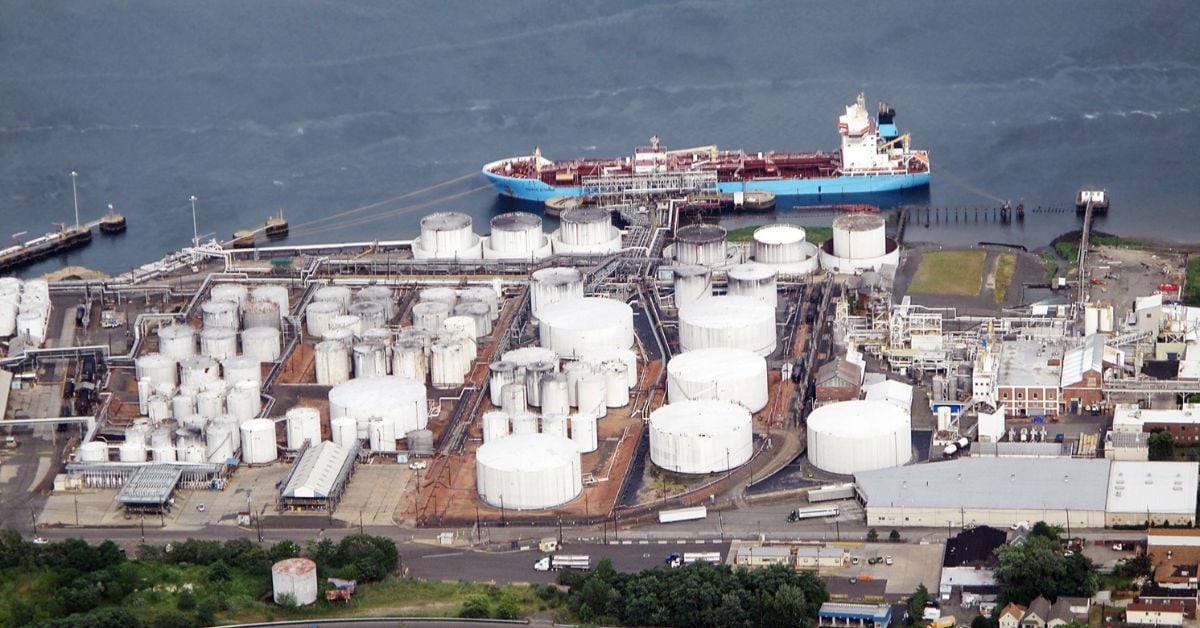
Attacks Disrupt Saudi Oil Operations; Regional Instability Intensifies.
Houthi attacks struck southern Saudi Arabia, including an Aramco oil refinery, disrupting operations and intensifying regional instability. These strikes underscore the fragility of energy infrastructure in contested zones. Measurable impacts on global oil flows demand calibrated monitoring. For deeper context on shifting maritime pressures, see our related coverage of Gulf of Oman STS transfers maxing out amid rising Saudi exports. Understanding these disruptions is essential, protection begins with empirical awareness.
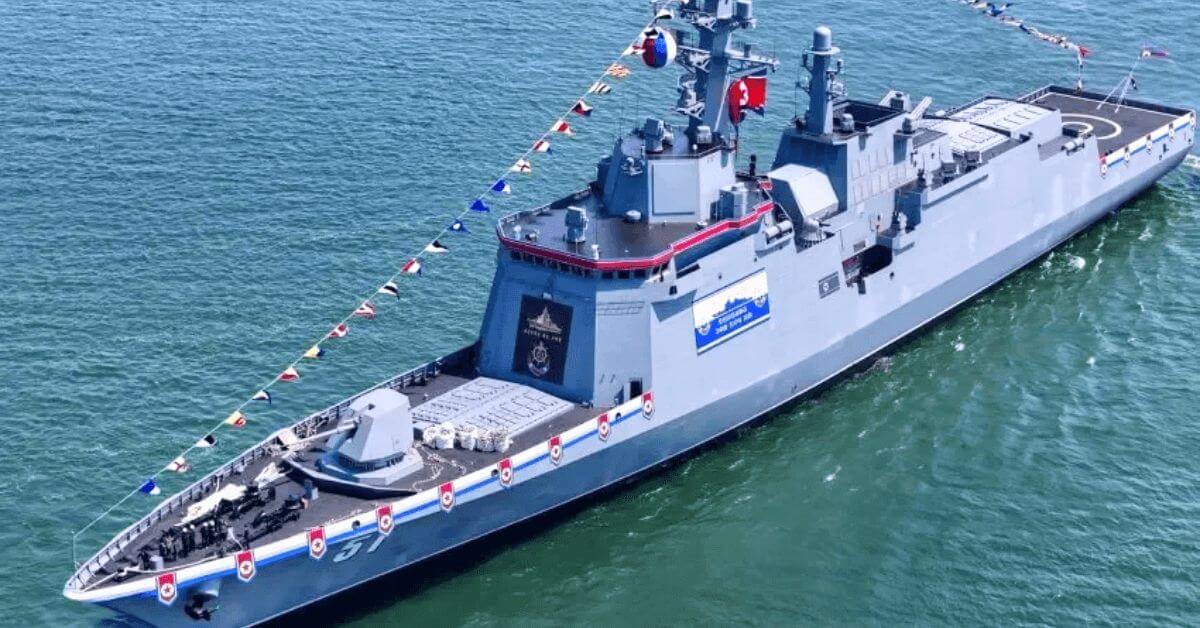
North Korea Launches Nuclear-Capable Destroyer Amidst Military Exercises
North Korea commissioned a nuclear-capable destroyer just as the United States, South Korea, and Japan prepared to launch their five-day Freedom Edge exercise. The timing is deliberate, a signal of resolve that widens an already tense maritime theater. Warships are political statements, and this one speaks clearly. For a fuller picture of regional naval competition, see our piece on India's projected fleet expansion. Understanding these moves matters; the ocean is where deterrence meets diplomacy.
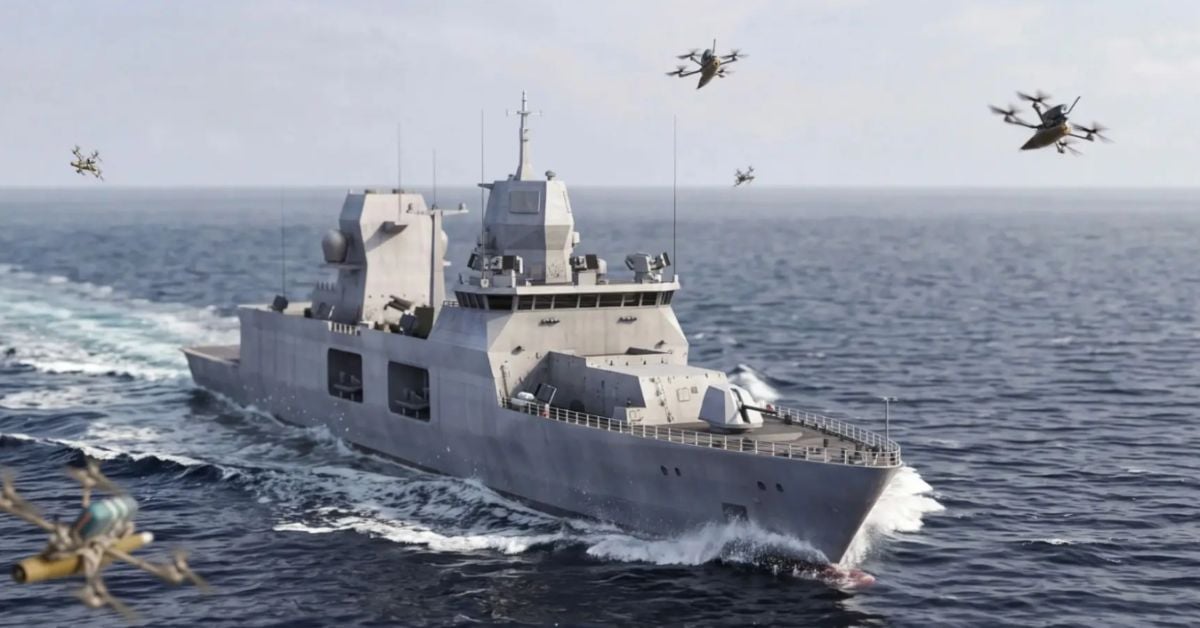
Validated Counter-Drone System Enhances Naval Vessel Protection Through Empirical Testing
Forty-eight trials in 18 months is a rigorous gauntlet, and the result is a counter-drone system that earns its place on a naval deck. Mehler Production has delivered empirical proof that protection can be calibrated to the real-world chaos of maritime threats. This is the kind of validated engineering that turns defensive capability into a measurable fact. For context on the evolving drone threat, our coverage of Russian Maritime Activity Raises Concerns of Drone Operations in Mediterranean offers a timely backdrop.
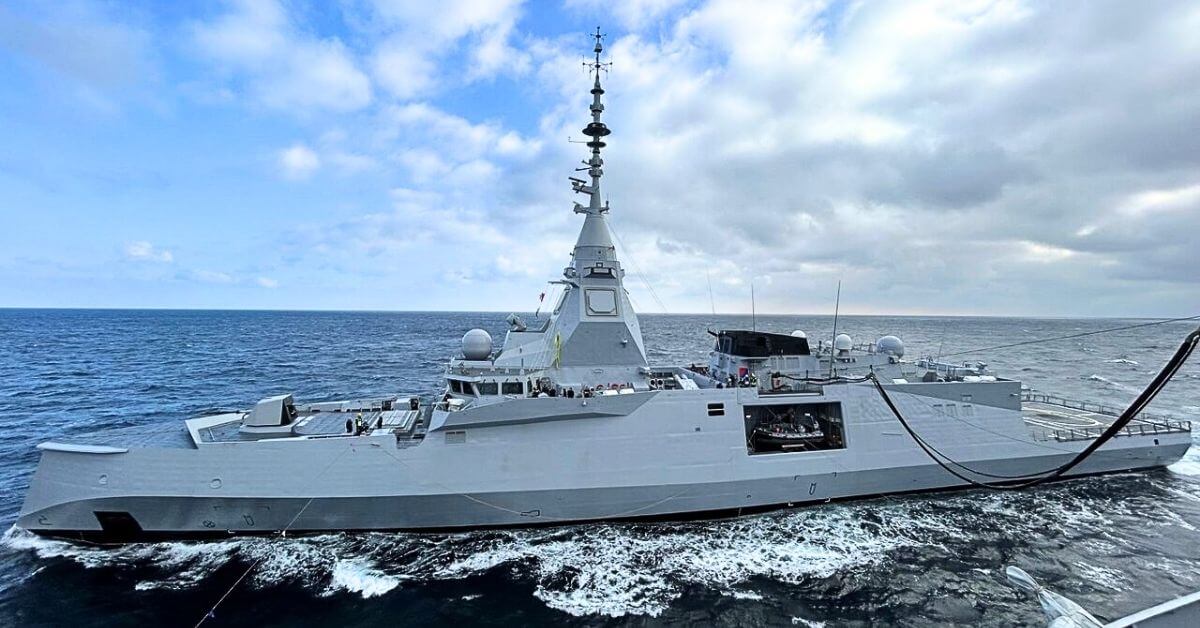
Sweden Bolsters Naval Capabilities with Acquisition of Four Advanced Frigates
Sweden's decision to acquire four advanced frigates marks a measured step toward a stronger naval presence, with the first delivery slated for 2030. These vessels will become the largest in the Swedish fleet, a practical response to shifting maritime realities. The investment signals patience and precision, not panic. For readers tracking parallel developments in naval strategy, our coverage of Russia's Northern Sea Route icebreaker plans offers useful context. Sweden is building capacity deliberately, and that intent is worth watching.
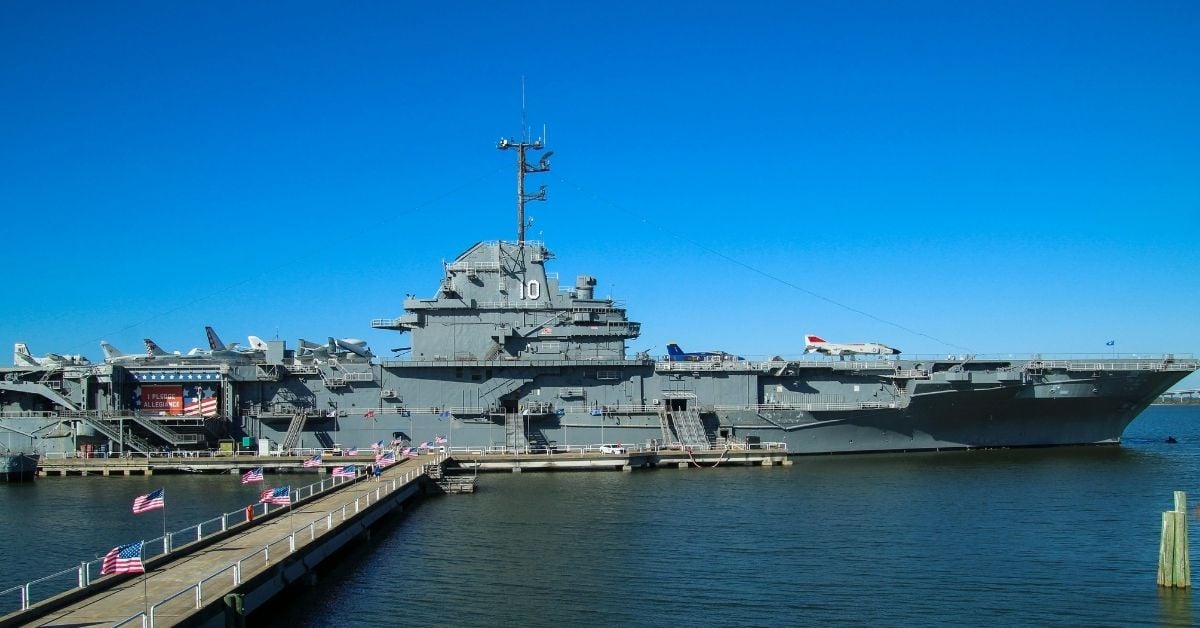
Drone-Launched Weapons Enhance Carrier-Based Anti-Submarine Capabilities
The U.S. Naval Air Systems Command is developing a weapon designed to be fired from carrier-launched drones against enemy submarines, extending strike reach beyond the ship's horizon. This is a calibrated step toward integrated ocean intelligence, pairing unmanned platforms with anti-submarine warfare in ways that demand precision. The capability reflects a broader naval evolution, much like India's expanded fleet projections. The ocean is vast, but layered, measured responses like these keep it navigable.
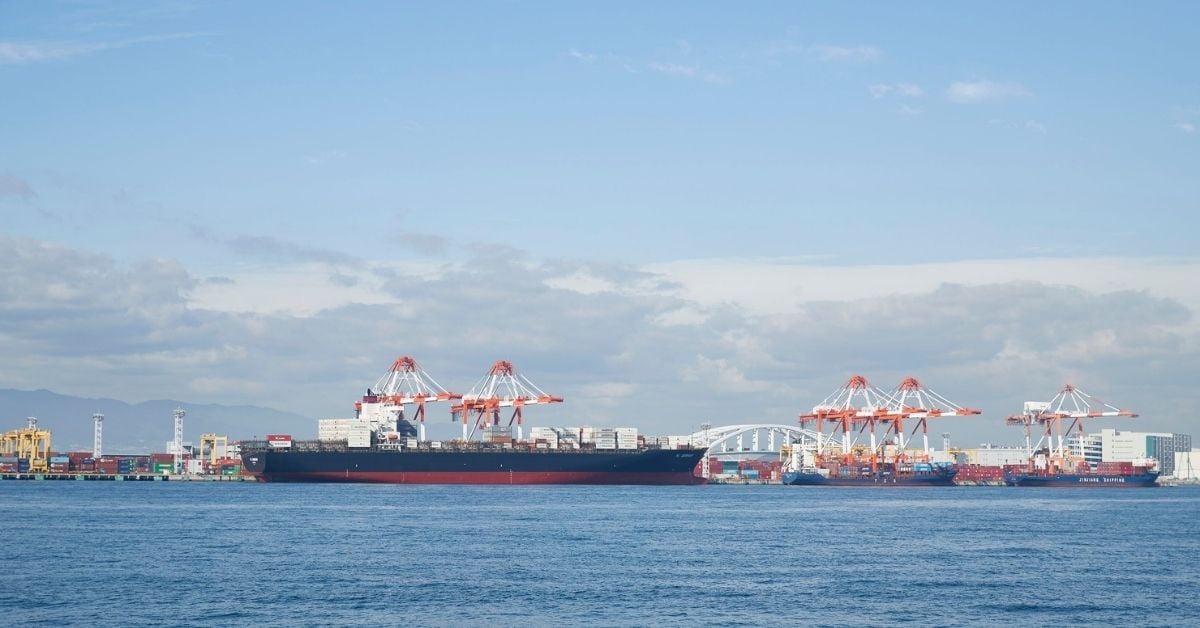
Targeted Strikes Disrupt Ukrainian Grain and Energy Infrastructure.
Russia's latest assault on Ukrainian ports, grain silos, and energy hubs is a deliberate escalation against both civilian resilience and global food security. These coordinated strikes are not collateral damage; they are the target. We should read this as a calculated attempt to degrade infrastructure that sustains both Ukraine's economy and its people's daily lives. The pattern is measurable, and the intent is clear.

India Advances Submarine Fleet Modernization with German Acquisition
The Indian Navy's decision to advance submarine fleet modernization through a German acquisition addresses a pressing operational gap. With conventional submarine numbers falling short of requirements, this programme is not merely procedural; it is a calibrated response to shifting maritime realities. We see this as a practical step toward sustaining underwater deterrence, though the timeline will test both industrial coordination and strategic patience.

Sustained U.S. Naval Presence Ensures Ongoing Iranian Port Restrictions.
Defense Secretary Pete Hegseth confirmed the U.S. retains sufficient naval resources to sustain the blockade of Iranian ports indefinitely. That is not a posture of bluff; it is a statement of calibrated, measurable capability. The pressure remains deliberate, and the strategic intent is clear. For readers tracking the broader maritime picture, our related coverage on Gulf of Oman STS transfers maxing out offers useful context on regional shipping pressures. The blockade holds, and the message is consistent: persistence is part of the strategy.

Expanding Maritime Domain Awareness: India Acquires Long-Range Naval Drones
India's Ministry of Defence is moving to equip its warships with ship-launched, long-range "kamikaze" drones, adding a new layer of medium-range strike capability to the fleet. It is a calibrated step toward greater operational flexibility, one that reflects a practical understanding of modern naval threats. The acquisition signals a deliberate investment in autonomous systems, not a reactionary measure. For broader context on where the service is headed, our coverage in "India Projects Expanded Naval Fleet to Navigate Evolving Maritime Landscape" outlines the strategic trajectory.

Disruption to Ukrainian Exports: Odesa Seaport Damaged by Russian Strike
The port of Odesa, a vital artery for Ukraine's agricultural exports, has been damaged in a Russian strike that also targeted nine other regions. This is not a side note to the conflict; it is a direct assault on global food supply lines. The disruption is measurable, and the impact will be felt far beyond Ukraine's borders. It is a calculated move to weaken a critical economic lifeline, and the consequences demand attention.

Red Sea Attack Disrupts Shipping, Impacts Yemeni Communities.
A four-troop and three-civilian death toll in Mokha marks a grim escalation, as the Red Sea attack disrupts shipping and deepens the hardship for Yemeni communities already navigating conflict. This is not a distant maritime statistic; it is a direct blow to local stability and a clear signal that the security of these waters remains fragile. The human cost is immediate, even as the broader economic ripples extend far beyond the shore.

Charting New Maritime Pathways: Iran and Oman Negotiate Hormuz Route.
Iranian Foreign Minister Abbas Araqchi confirmed that a deal with Oman would establish new shipping routes through the Strait of Hormuz once conditions are met. The negotiation signals a practical step toward stabilizing a waterway critical to global energy flows. Diplomatic progress here matters, though implementation will test both sides. For context on how pressure is building in nearby waters, our piece on Gulf of Oman STS transfers offers useful background. Measured agreements are welcome, but the real measure lies in execution.

Attacks on ADNOC Vessels Disrupt Oil Flow Through Strait of Hormuz
Three ADNOC vessels came under attack this week, with one crew member killed and 20 injured, the company confirmed. This is not an isolated incident; it is a direct strain on the flow of oil through the Strait of Hormuz, a corridor the entire region depends on. The human toll is unacceptable, and the disruption to global energy routes demands a measured, empirical response. Our related coverage on phased negotiations to ease restrictions in the strait offers essential context for what comes next.

Iran Imposes Shipping Fees, Restricts U.S. and Israeli Vessels Through Hormuz.
Iran's move to impose shipping fees of up to 7% of cargo value on vessels transiting the Strait of Hormuz, alongside 20% fines for violations, injects a new layer of economic pressure into an already tense maritime corridor. The measure is direct and measurable, a calibrated response that signals resolve without escalating to confrontation. For shippers and insurers, the calculus shifts immediately. This follows patterns seen in our coverage of Gulf of Oman STS transfers, where capacity constraints already test regional logistics.

Naval Investment: Trump-Class Battleships to Reach $275 Billion
The Trump-Class Battleship program carries a $275 billion price tag, with the lead vessel alone reaching $23.4 billion. That is a staggering commitment, but it signals a deliberate move toward sustained maritime dominance. We see this as a statement of intent, not just a budget line. For context on how other nations are scaling their fleets, our coverage of India's expanded naval projections offers a useful counterpoint. Battleship investments of this scale demand scrutiny, yet they underscore a clear strategic calculus.

U.S. Military Bolsters Blockade of Iranian Vessels Amid Rising Tensions
U.S. Central Command announced on X that its warships, reconnaissance aircraft, and service members are enforcing a naval blockade of Iranian vessels. The move tightens pressure in an already volatile maritime corridor. It is a deliberate, measurable escalation, one that signals resolve without theatrical alarm. For readers tracking how Gulf tensions intersect with energy flows, our related piece on Gulf of Oman STS transfers offers useful context. The blockade is not theater; it is a calibrated projection of force.

Black Sea Maritime Traffic Targeted in Coordinated Russian Strikes
Russia's overnight strike on Black Sea maritime traffic was a coordinated display of reach, with missiles launched from land, sea, and air alongside strike drones. The Defence Ministry's account confirms a deliberate escalation aimed at ports and vessels, a pattern that demands measured scrutiny. This is not hyperbole; it is the reality of contested waters. For broader context on how Moscow sustains such operations, our related piece on Russia's Northern Sea Route icebreaker funding offers a telling glimpse into its strategic priorities.

Red Sea Disruption: Houthis Emulate Iran, Impacting Maritime Trade Routes
The Houthis have declared a maritime blockade on Saudi shipping in the Red Sea, launching missiles and drones at the kingdom. This escalation, mirroring Iranian tactics, directly threatens a critical global artery. We view this not as posturing, but as a calibrated disruption with measurable consequences for energy flows. For deeper context on regional shipping pressures, our coverage of Gulf of Oman STS transfers maxing out offers a pertinent parallel. Understanding these integrated pressures is essential for navigating this volatile corridor.

Enhanced Admiral Nakhimov Integrates Advanced Missile Defense Capabilities.
The Admiral Nakhimov's return to service marks a measured, deliberate step in naval modernization. With 80 universal vertical launch cells for heavy strike missiles and 96 long-range surface-to-air launchers, this is not a boast but a calibrated enhancement of maritime defense. The integration is precise, the capability tangible. As Russia also recalibrates export revenue for its Northern Sea Route icebreaker fleet, the pattern is clear: strategic investment in naval power remains a priority. This is ocean intelligence applied to statecraft, plain and effective.