Hormuz
Hormuz at World Data Ocean is a file of 12 stories. The newest of them: “Ship-to-ship transfers shift Gulf congestion toward India's western maritime corridor”, “Chartering tankers through Hormuz to secure India's oil supply chains”, and “EU Urges Naval Reinforcements as Red Sea Escort Demand Escalates”. Ship-to-ship transfers once clustered near the Strait of Hormuz are now stretching toward India's western maritime corridor. India's refiners are chartering tankers through the Strait of Hormuz, a calculated response to rising risk in a waterway that moves a fifth of global oil. A Global Hub for Ocean Intelligence 4 World Data Ocean is a centralized digital platform where researchers, scientists, and ocean enthusiasts converge to… The list below is every Hormuz story on World Data Ocean, newest first.
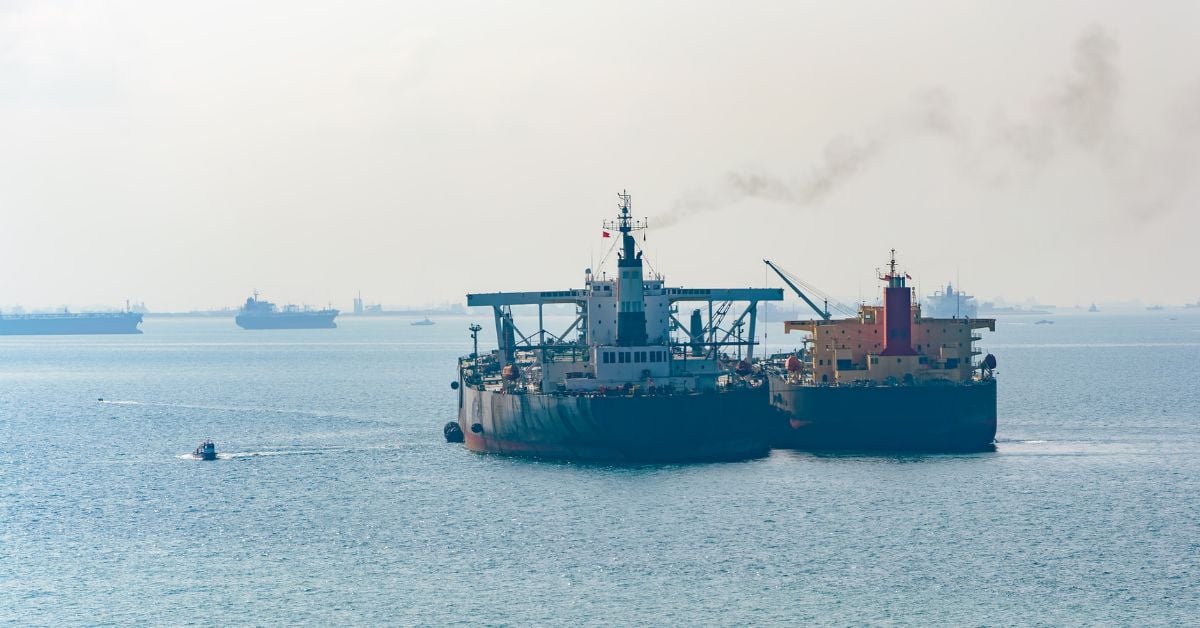
Ship-to-ship transfers shift Gulf congestion toward India's western maritime corridor
Ship-to-ship transfers once clustered near the Strait of Hormuz are now stretching toward India's western maritime corridor. Oil producers are shifting these operations outside Gulf waters, redistributing congestion along a new axis. This measured logistical adaptation carries measurable implications for regional maritime security and data verification. Our recent coverage of the Strait of Hormuz posture highlights why validated, real-time ocean intelligence has never been more urgent. Understanding these patterns is essential for those tracking the integrated data ecosystem of global trade.
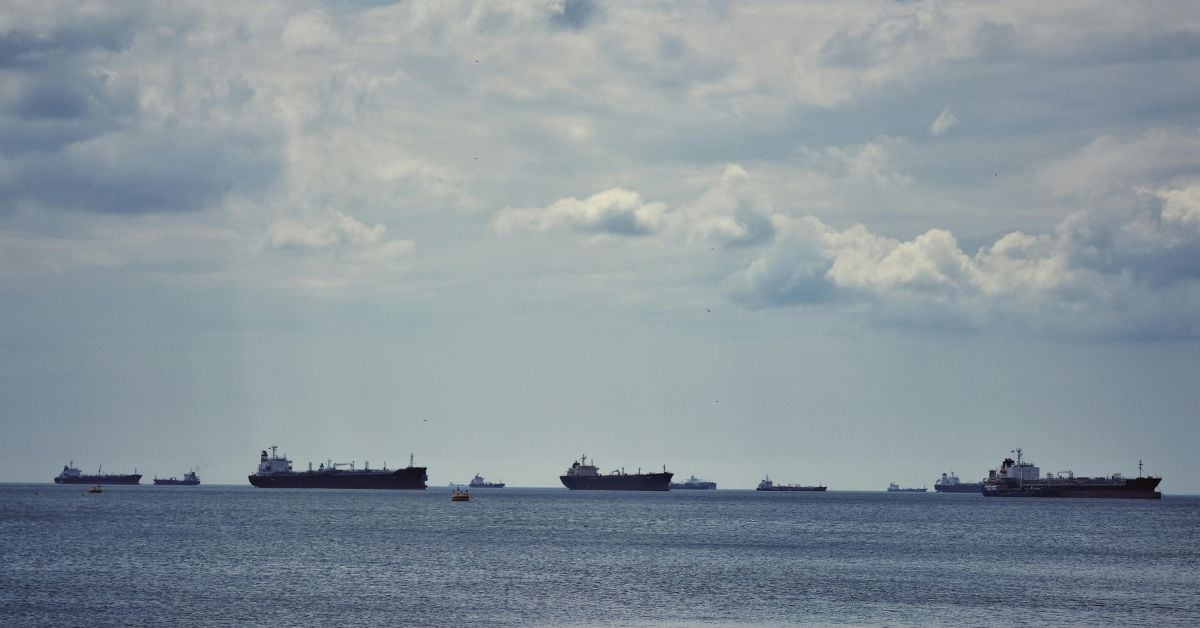
Chartering tankers through Hormuz to secure India's oil supply chains
India's refiners are chartering tankers through the Strait of Hormuz, a calculated response to rising risk in a waterway that moves a fifth of global oil. Rather than deploying their own vessels, they are shifting procurement strategy to secure supply chains with measurable precision. This is not alarm, it is calibrated adaptation. For deeper context on how these disruptions are reshaping global routes, see our related coverage of rising Red Sea crude flows.
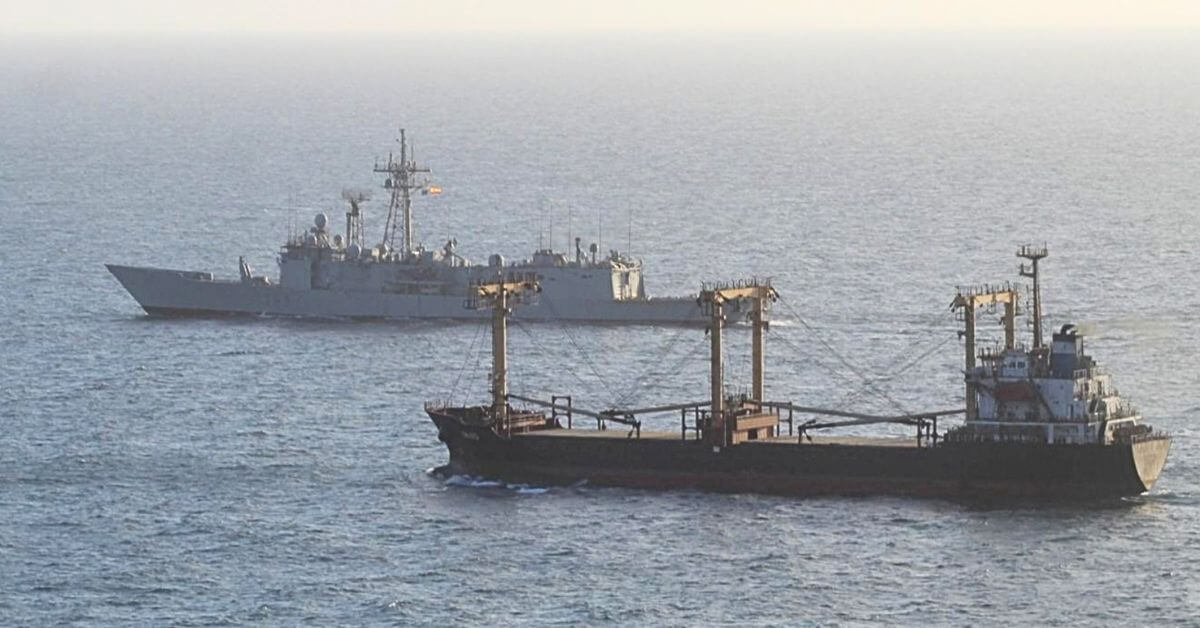
EU Urges Naval Reinforcements as Red Sea Escort Demand Escalates
Merchant ships in the Red Sea are now queuing for naval escorts as Houthi attacks renew, and the EU's call for more warships is a measured response to a measurable threat. This is not alarmism, it is operational reality. For those tracking maritime security, our coverage of the *Gulf of Trieste cross-border SAR simulation* illustrates how validated, integrated protocols strengthen readiness. When demand escalates, calibrated action matters.
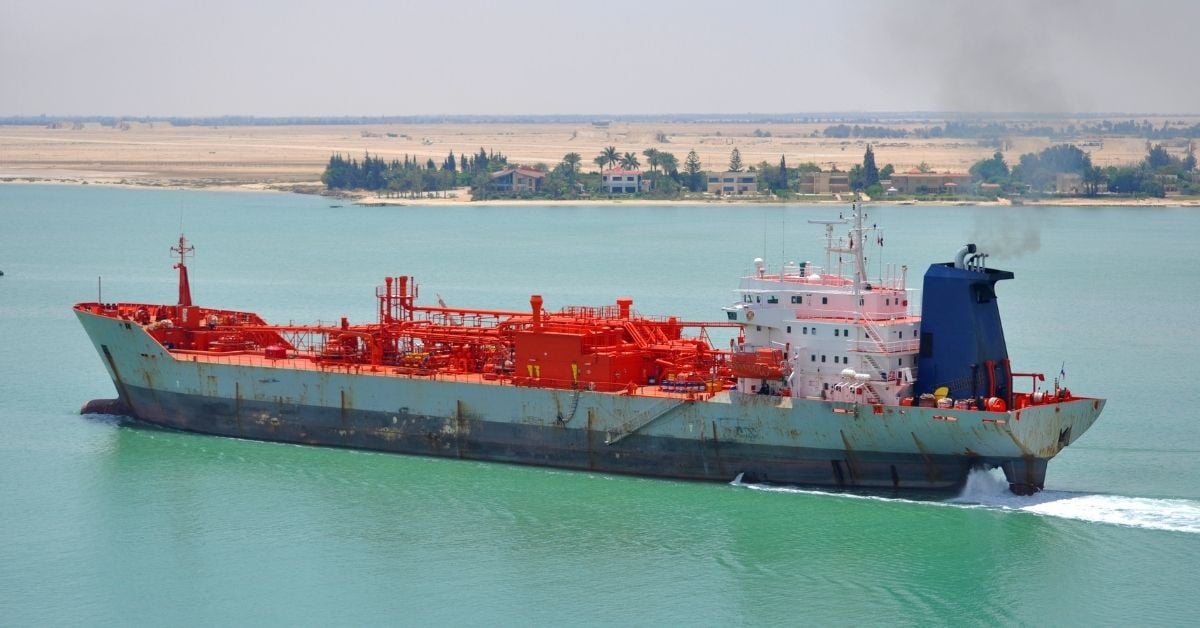
Geopolitical Tensions Rise as Iranian Leader Addresses Regional Security.
Iran's Supreme Leader, Mojtaba Khamenei, has called on Muslim nations to identify their "real enemy" and confront it collectively, framing regional security as a shared test of unity. The message is direct, and it carries weight in a region where alliances shift with the current. We see this not as rhetoric alone, but as a signal with measurable consequences.

Escalating Tensions: Sanctions Aim to Preserve Stability in the Hormuz Strait.
Sanctions targeting the Hormuz Strait are designed to reinforce the existing US blockade, not replace it. Treasury Secretary Bessent stated these measures could prevent a return to large-scale military conflict, a goal that demands precision over posturing. This is strategic pressure, carefully calibrated. For context on regional energy flows, our related coverage of Gulf of Oman STS transfers offers useful perspective. The objective remains stability, achieved through measured economic deterrence rather than escalation.

Shipping Routes Shift: Chinese Tankers Navigate Geopolitical Risks.
Chinese and Hong Kong-owned tankers are now turning to ship-to-ship transfers in the Gulf of Oman and near Fujairah, a quiet but telling adjustment to shifting geopolitical pressures. The maneuver is practical, measured, and speaks to how rapidly maritime strategy adapts when routes tighten. This is not alarmism; it is logistics under constraint. For deeper context on how regional chokepoints are evolving, our related coverage on Gulf of Oman STS transfers maxing out offers useful grounding.

Iran Imposes Shipping Fees, Restricts U.S. and Israeli Vessels Through Hormuz.
Iran's move to impose shipping fees of up to 7% of cargo value on vessels transiting the Strait of Hormuz, alongside 20% fines for violations, injects a new layer of economic pressure into an already tense maritime corridor. The measure is direct and measurable, a calibrated response that signals resolve without escalating to confrontation. For shippers and insurers, the calculus shifts immediately. This follows patterns seen in our coverage of Gulf of Oman STS transfers, where capacity constraints already test regional logistics.

Red Sea Incident: Indian Cargo Ship Sinks Following Attack
The sinking of the Indian-flagged cargo ship MSV Faize Noore Oliya, after being struck by an unknown projectile off Yemen, marks a sobering escalation in the Red Sea's volatile maritime corridor. The vessel overturned and sank, underscoring how commercial traffic remains exposed to asymmetric threats with little warning. This incident is not isolated; it follows heightened pressure across regional waterways, from Gulf of Oman STS transfers to Strait of Hormuz negotiations.

Disruption in Hormuz: LNG Tanker Damaged Amidst Red Sea Shipping Activity
An engine room breach on a Qatari LNG carrier near the Strait of Hormuz is a measured reminder of how fragile this waterway has become. The vessel, loaded in late July, sustained damage without casualties, yet the incident sharpens the focus on a region already stretched thin. As Gulf of Oman STS transfers hit capacity, the pressure compounds. This is not alarmism; it is empirical stress on a critical artery.

Protecting Red Sea Shipping: Saudi Arabia Pursues International Collaboration.
Saudi Arabia is moving to assemble an international coalition aimed at securing Red Sea shipping lanes against Houthi threats, according to media reports. This is a calculated step toward protecting a corridor that carries a significant share of global trade. The move signals a recognition that maritime security cannot be managed alone. For deeper context on regional oil flows, our related piece on Gulf of Oman STS Transfers Max Out Amid Rising Saudi Oil Exports offers useful grounding.

West Asia Shipping Attacks: Indian Seafarers Bear the Highest Risk.
The latest wave of West Asia shipping attacks places Indian seafarers at the front line, accounting for the majority of casualties in the ongoing U.S.-Iran conflict. This is a stark measure of human cost within a crisis too often reduced to tonnage and transit fees. The numbers demand attention, not abstraction. For deeper context on how these disruptions are reshaping regional logistics, our related piece, "Gulf of Oman STS Transfers Max Out Amid Rising Saudi Oil Exports," details the strain on alternative routes.

Regional Tensions Rise as Iran and UAE Trade Accusations of Attacks
Iran's response to the UAE's accusation arrived within hours, a pointed rebuttal to claims that Tehran launched cruise missiles at two national tankers. The exchange sharpens a familiar volatility, and the speed of the denial suggests more than diplomatic reflex. It signals how fragile maritime trust has become. For those tracking the region's pressure points, this is not an isolated flare-up. Our related coverage on Gulf of Oman STS transfers maxing out shows the commercial stakes already running high.