inland transport
World Data Ocean keeps inland transport in one place: 3 stories so far. The section currently leads with “Validated cargo capacity rises 22 percent yet logistics gaps constrain trade efficiency”, “Geopolitical pressures drive Maersk to raise UK and Ireland inland fuel surcharge to 20%”, and “European Port Disruptions Impact Shipping and Integrated Supply Chains”. India's validated cargo handling capacity has grown 22 percent since 2017-18, yet persistent logistics gaps continue to constrain trade efficiency. A 20% emergency fuel surcharge on inland transport in Britain and Ireland reflects how geopolitical instability now directly reshapes supply-chain costs. A Global Hub for Ocean Intelligence 4 World Data Ocean is a centralized digital platform where researchers, scientists, and ocean enthusiasts converge to… The list below is every inland transport story on World Data Ocean, newest first.
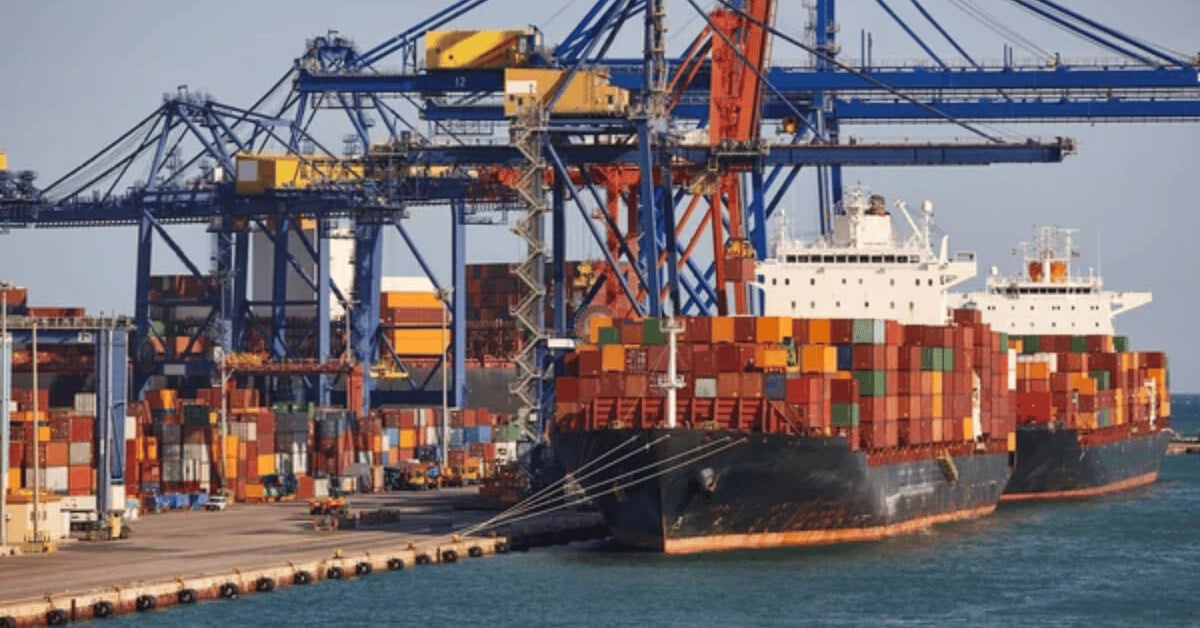
Validated cargo capacity rises 22 percent yet logistics gaps constrain trade efficiency
India's validated cargo handling capacity has grown 22 percent since 2017-18, yet persistent logistics gaps continue to constrain trade efficiency. A measured increase, but not enough. The FICCI-Kearney report makes clear that infrastructure alone cannot unlock flow; integration and real-time coordination matter just as much. For deeper context on how trade routes are evolving, see our coverage of the Arctic Corridor, where Churchill Port is cutting Europe transit by three days.
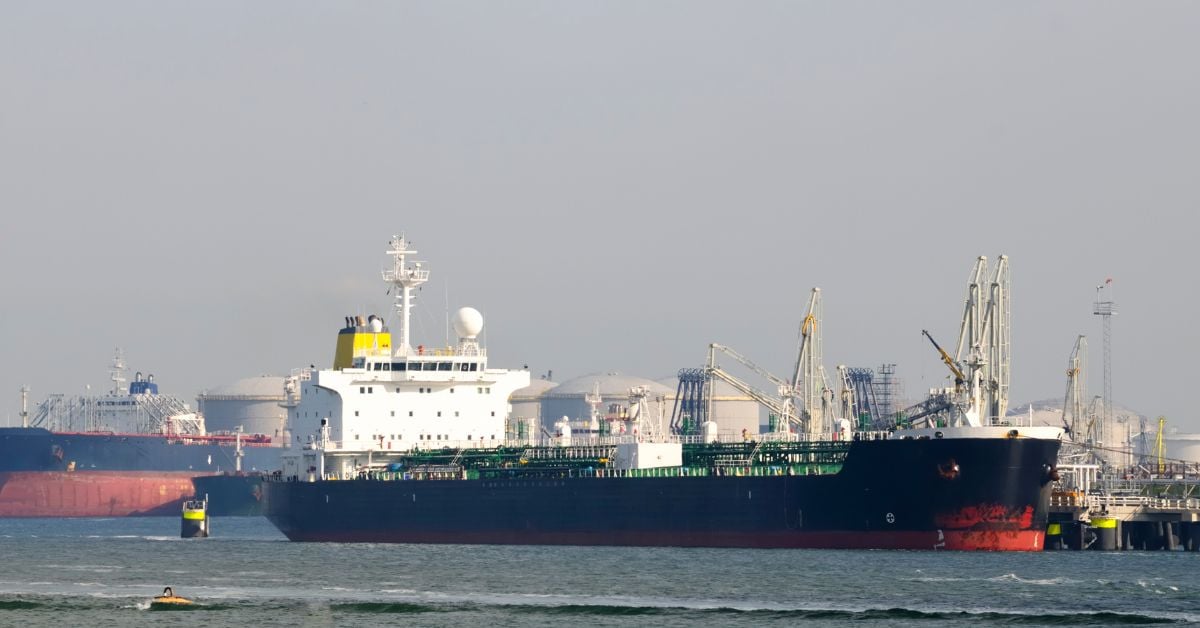
Geopolitical pressures drive Maersk to raise UK and Ireland inland fuel surcharge to 20%
A 20% emergency fuel surcharge on inland transport in Britain and Ireland reflects how geopolitical instability now directly reshapes supply-chain costs. Maersk's calibrated response underscores a measurable reality: conflict zones create ripple effects far beyond their borders. The surge is not abstract, it is a validated, real-time climate indicator of how integrated global logistics remain vulnerable. For deeper context on maritime risk, see our coverage of the rising tanker attacks near the Strait of Hormuz.
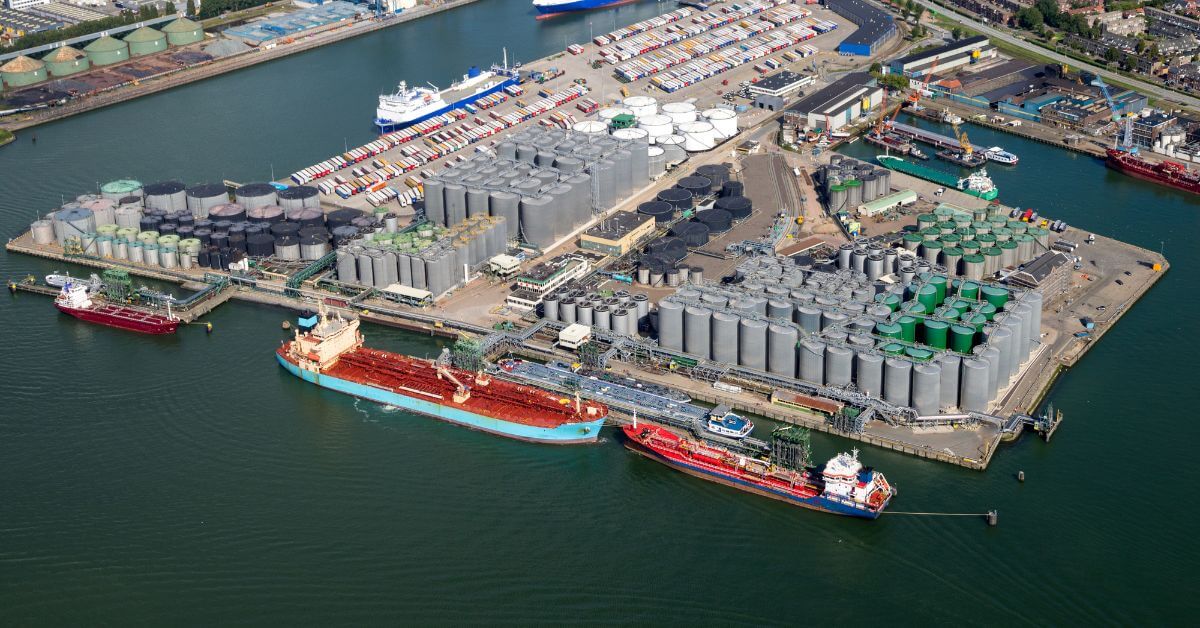
European Port Disruptions Impact Shipping and Integrated Supply Chains
Port-level disruption is rarely a local story. When Hapag-Lloyd confirms that strikes are hitting vessel operations, terminal work, and inland cargo movement at German ports, the ripple effect lands directly on integrated supply chains across Europe. This is where ocean intelligence meets operational reality. The bottleneck is not just a scheduling headache; it is a measurable test of how resilient our logistics networks truly are. We will be watching how carriers recalibrate, and how ports respond.