U.S-Iran war
U.S-Iran war at World Data Ocean is a file of 11 stories. The newest of them: “Geopolitical pressures drive Maersk to raise UK and Ireland inland fuel surcharge to 20%”, “Vitol Acquires Substantial Iraqi Crude Volume Amid Price Discrepancies”, and “Abraham Lincoln Carrier Completes Middle East Deployment, Heads to Thailand.”. A 20% emergency fuel surcharge on inland transport in Britain and Ireland reflects how geopolitical instability now directly reshapes supply-chain costs. Vitol's move to secure 25 to 30 million barrels of discounted Iraqi crude this month signals a sharp reading of market imbalances, and it's a calculated bet worth watching. A Global Hub for Ocean Intelligence 4 World Data Ocean is a centralized digital platform where researchers, scientists, and ocean enthusiasts converge to… The list below is every U.S-Iran war story on World Data Ocean, newest first.
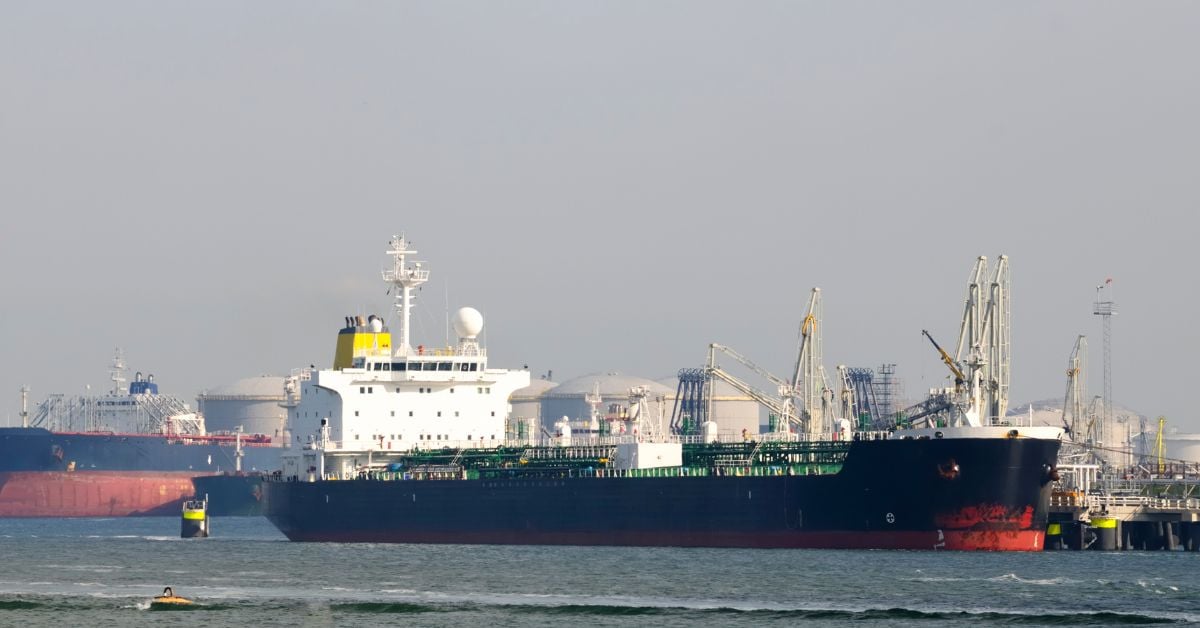
Geopolitical pressures drive Maersk to raise UK and Ireland inland fuel surcharge to 20%
A 20% emergency fuel surcharge on inland transport in Britain and Ireland reflects how geopolitical instability now directly reshapes supply-chain costs. Maersk's calibrated response underscores a measurable reality: conflict zones create ripple effects far beyond their borders. The surge is not abstract, it is a validated, real-time climate indicator of how integrated global logistics remain vulnerable. For deeper context on maritime risk, see our coverage of the rising tanker attacks near the Strait of Hormuz.
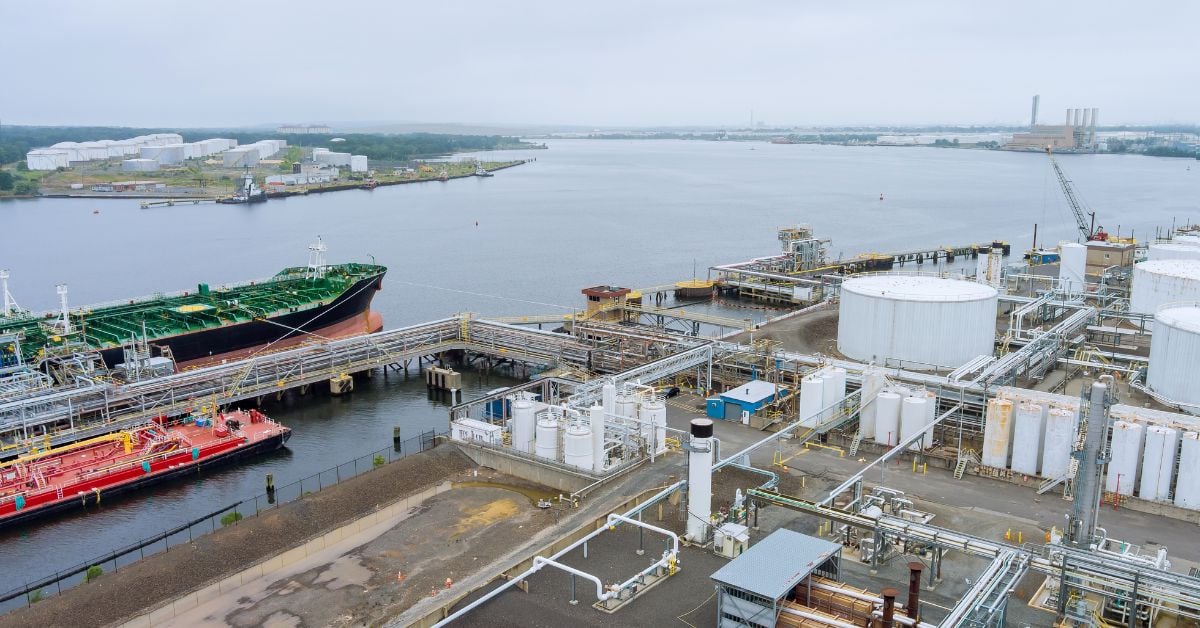
Vitol Acquires Substantial Iraqi Crude Volume Amid Price Discrepancies
Vitol's move to secure 25 to 30 million barrels of discounted Iraqi crude this month signals a sharp reading of market imbalances, and it's a calculated bet worth watching. Price discrepancies like these reward those who can move swiftly, and Vitol is leveraging its scale to lock in margin where others might hesitate. This kind of volume isn't opportunistic noise; it's a deliberate positioning play.
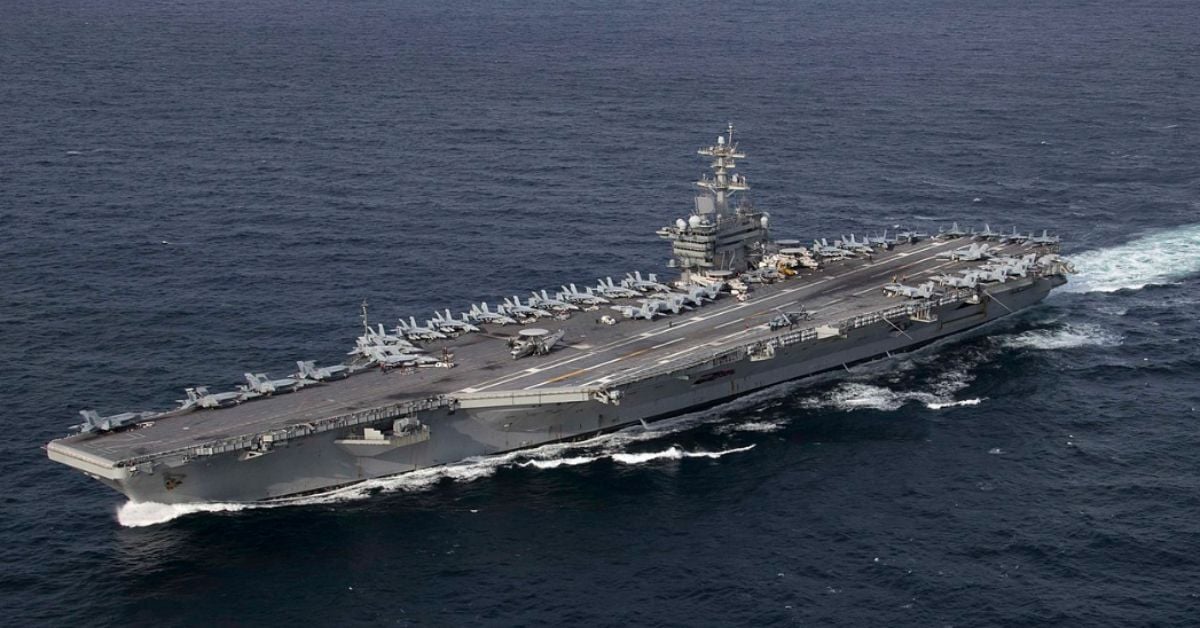
Abraham Lincoln Carrier Completes Middle East Deployment, Heads to Thailand.
The USS Abraham Lincoln will dock in Thailand after a lengthy Middle East deployment, a measured conclusion to months of forward presence. The carrier's transit home marks a routine yet significant operational milestone, reflecting sustained naval readiness across the region. While this return is standard, it underscores the quiet endurance required for global security. For broader context on maritime activity, our piece on Gulf of Oman STS transfers offers timely perspective.
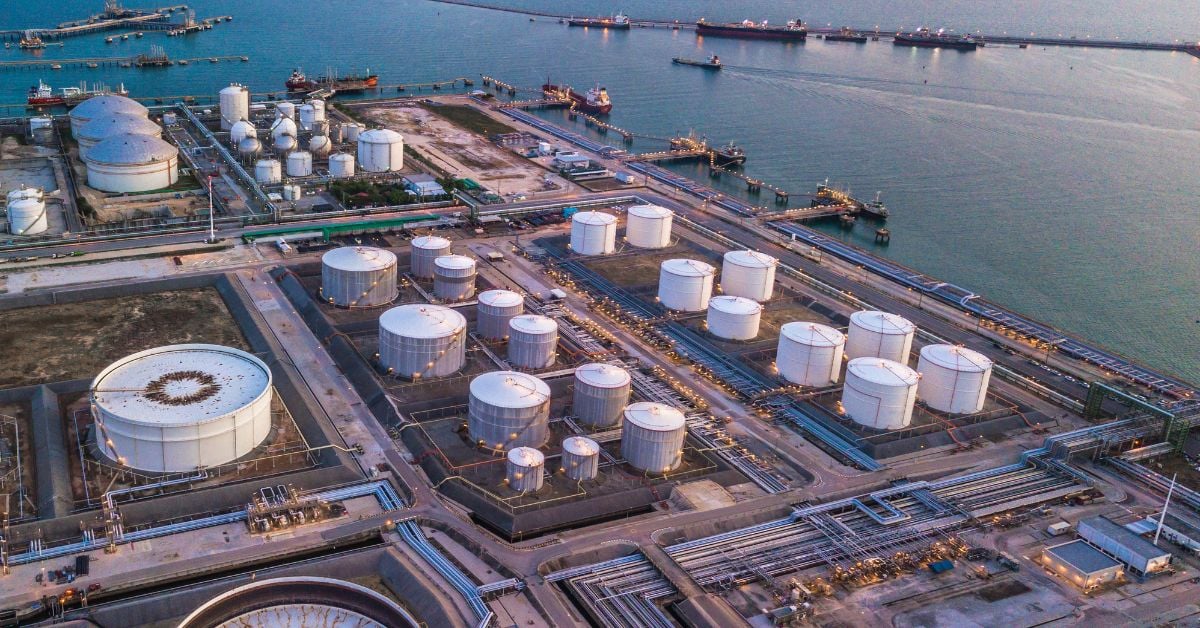
Securing Energy: Japan Plans Integrated Pipeline Network Beyond Hormuz Strait
Japan is moving to secure its energy lifeline with an integrated pipeline network designed to bypass the Strait of Hormuz, a strategic chokepoint where geopolitical friction carries real economic weight. The plan reflects a calculated shift toward resilience, not alarm. It is a measured response to a fragile maritime route, and one that warrants attention as global supply chains recalibrate. For broader context on regional bottlenecks, our related coverage on Gulf of Oman STS transfers offers a useful lens.

Shipping Corridor Established: U.S. Facilitates Oil Flow Through Hormuz
The U.S. military has quietly established a shipping corridor through the Strait of Hormuz, moving millions of barrels of oil daily. It is a measured, logistical response to a volatile region, and one that carries real strategic weight. The move underscores the practical realities of maintaining energy flow when diplomatic channels remain fragile. For context on how pressure is building nearby, our related piece, "Gulf of Oman STS Transfers Max Out Amid Rising Saudi Oil Exports," offers a clearer picture of the strain.

Fatal Attack on Bulk Carrier Highlights Strait of Hormuz Risks
The Strait of Hormuz claimed another life on August 17, when an attack on the Liberian-flagged bulk carrier Minoan Dignity killed a seafarer transiting the waterway. This is not an abstract statistic; it is a tangible cost of escalating risk in a passage that underpins global energy flows. The loss underscores how precarious maritime security has become.

Protecting Red Sea Shipping: Saudi Arabia Pursues International Collaboration.
Saudi Arabia is moving to assemble an international coalition aimed at securing Red Sea shipping lanes against Houthi threats, according to media reports. This is a calculated step toward protecting a corridor that carries a significant share of global trade. The move signals a recognition that maritime security cannot be managed alone. For deeper context on regional oil flows, our related piece on Gulf of Oman STS Transfers Max Out Amid Rising Saudi Oil Exports offers useful grounding.

Seafarers Await Rescue: UN Urges Action in Critical Strait.
The Strait of Hormuz is not a headline; it is a holding pattern for thousands of lives. The International Maritime Organization reports that roughly 6,000 seafarers remain stranded aboard hundreds of ships, waiting for a resolution that cannot come soon enough. This is not an abstract geopolitical impasse; it is a human logjam with real consequences. The urgency is measurable, and the call for action is clear.

Navigational Risk Spurs Incentives: Seafarers Rewarded for Hormuz Passage
Sinokor Group, the world's largest supertanker owner, is now offering seafarers an additional six months' salary to transit the Strait of Hormuz. That is a direct, measurable acknowledgment of elevated risk, and it reflects a sobering reality for those who keep energy moving through one of the globe's most contested chokepoints. The incentive is practical, not sentimental. It underscores how commercial resilience now depends on human retention as much as fleet capacity.

West Asia Shipping Attacks: Indian Seafarers Bear the Highest Risk.
The latest wave of West Asia shipping attacks places Indian seafarers at the front line, accounting for the majority of casualties in the ongoing U.S.-Iran conflict. This is a stark measure of human cost within a crisis too often reduced to tonnage and transit fees. The numbers demand attention, not abstraction. For deeper context on how these disruptions are reshaping regional logistics, our related piece, "Gulf of Oman STS Transfers Max Out Amid Rising Saudi Oil Exports," details the strain on alternative routes.

Shipping Traffic Declines in Strait of Hormuz Amid Rising Tensions.
Ship traffic through the Strait of Hormuz fell to multi-week lows on Sunday, a measurable shift for one of the world's most vital energy chokepoints. The decline reflects rising tensions in the region, and the numbers warrant close attention. This is not speculation; it is calibrated observation. For broader context on how regional dynamics are shifting, our coverage of phased negotiations, including "Phased Negotiations Aim to Ease Restrictions on Strait of Hormuz," offers a constructive counterpoint.