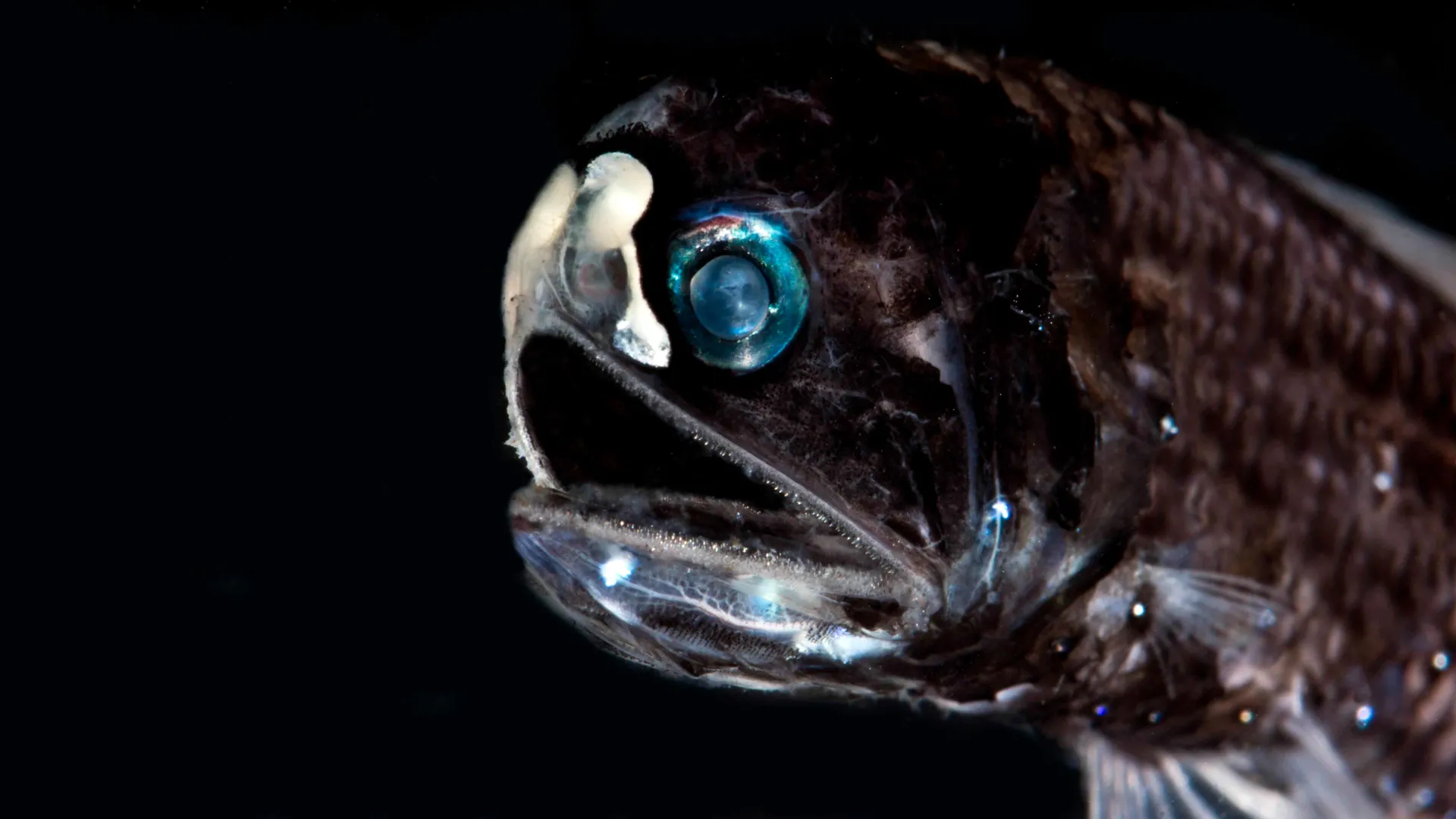
The deep sea is not a sanctuary from extinction; it is a slow-motion crisis unfolding beyond our instruments. New genetic analysis of five species of deep-sea fish and shrimp in the Gulf reveals extinction risk signals in every population examined, overturning the long-held assumption that depth buffers marine life from human-driven collapse. This is not a distant ecological curiosity, it is a direct challenge to how we measure ocean health and manage the planet's largest habitat.
For decades, the deep ocean has been treated as a resilient refuge, too remote and vast to suffer the same pressures as coastal waters. The genetic data tells a different story: declining effective population sizes, reduced genetic diversity, and accumulating deleterious mutations are measurable, empirical warnings that match what we see in overfished and polluted surface ecosystems. These findings align with the kind of integrated data ecosystem we champion, where Infrared sensors at Yokohama Port deliver remote, empirical ship emissions data and mapping viral dark matter in deep-sea hydrothermal vents both reveal hidden processes that demand our attention. Just as infrared readings expose pollution that was previously invisible, these genetic markers expose a biodiversity crisis that standard visual surveys would miss entirely.
The practical consequence for our readers is clear: we cannot rely on physical distance as a proxy for ecological safety. Policymakers and conservation planners who have excluded deep-sea ecosystems from protected-area targets because they seemed "pristine" must now recalibrate. The genetic tools used here are not speculative; they are peer-reviewed, longitudinal, and validated across multiple species. They offer a calibrated baseline against which future change can be measured. The real-time ocean intelligence we advocate for must extend to the abyssal plain, not just the surface and coastal zones. Meanwhile, work like below Australia, collapsing caves reveal buried time capsules for climate clues reminds us that the past holds keys to the present, but these genetic data are a live reading of the present, not a fossil record.
The specific detail to watch is whether these extinction signals correlate with known stressors, warming, deoxygenation, or deep-sea trawling, or whether they indicate a slower, more systemic erosion of resilience that we have not yet named. Either way, the assumption of a hidden refuge is now empirically falsified. Understanding drives protection, and this understanding demands that we treat the deep ocean not as a backup vault for biodiversity, but as a vulnerable system requiring its own monitoring and safeguards.