fuel costs
fuel costs at World Data Ocean is a file of 6 stories. The newest of them: “Fishermen Halt Mediterranean Ports Amid Rising Fuel Costs, Geopolitical Tensions”, “Scaling Seas: Gigamax Container Ships Forecasted for East-West Trade.”, and “Hydrogen-Hybrid Propulsion Validates 24% Fuel Reduction on Transoceanic Voyage”. French fishermen blockaded the ports of Nice and Sète, along with an oil depot in Frontignan, on Thursday, September 17, grounding their trawlers in a protest over soaring fuel costs and mounting geopolitical strain. A 27,500-TEU vessel represents more than a simple capacity increase. A Global Hub for Ocean Intelligence 4 World Data Ocean is a centralized digital platform where researchers, scientists, and ocean enthusiasts converge to… The list below is every fuel costs story on World Data Ocean, newest first.
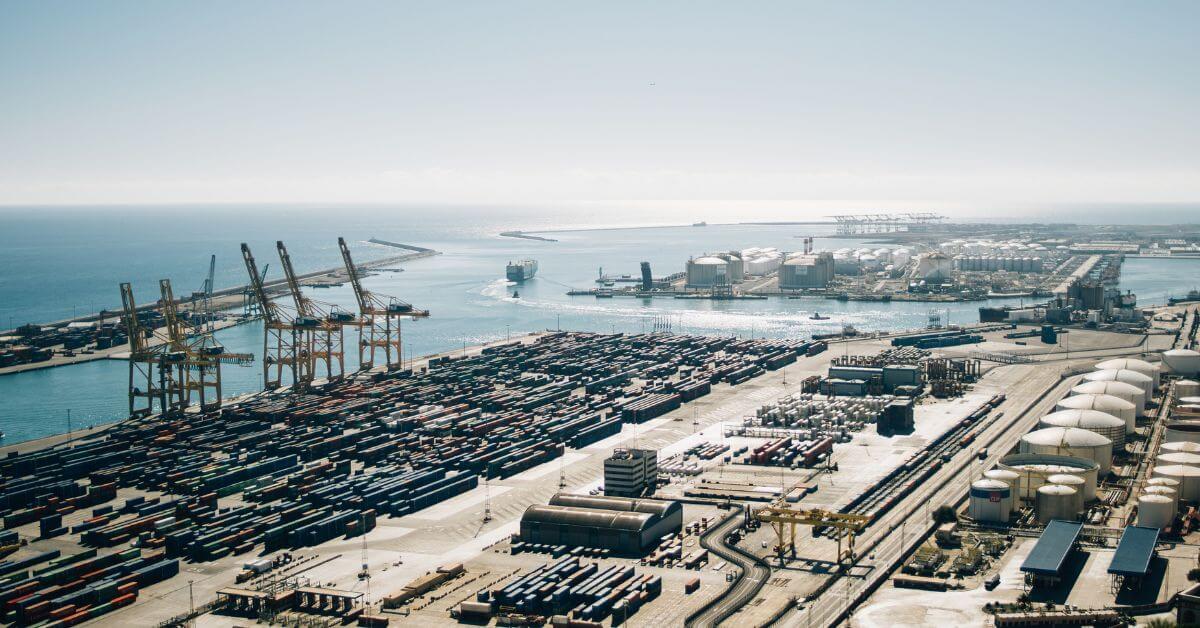
Fishermen Halt Mediterranean Ports Amid Rising Fuel Costs, Geopolitical Tensions
French fishermen blockaded the ports of Nice and Sète, along with an oil depot in Frontignan, on Thursday, September 17, grounding their trawlers in a protest over soaring fuel costs and mounting geopolitical strain. The action is a pointed reminder that maritime economies operate on a knife's edge, where diesel prices and international tensions converge. It is a measured, tactical standstill, not a spectacle.
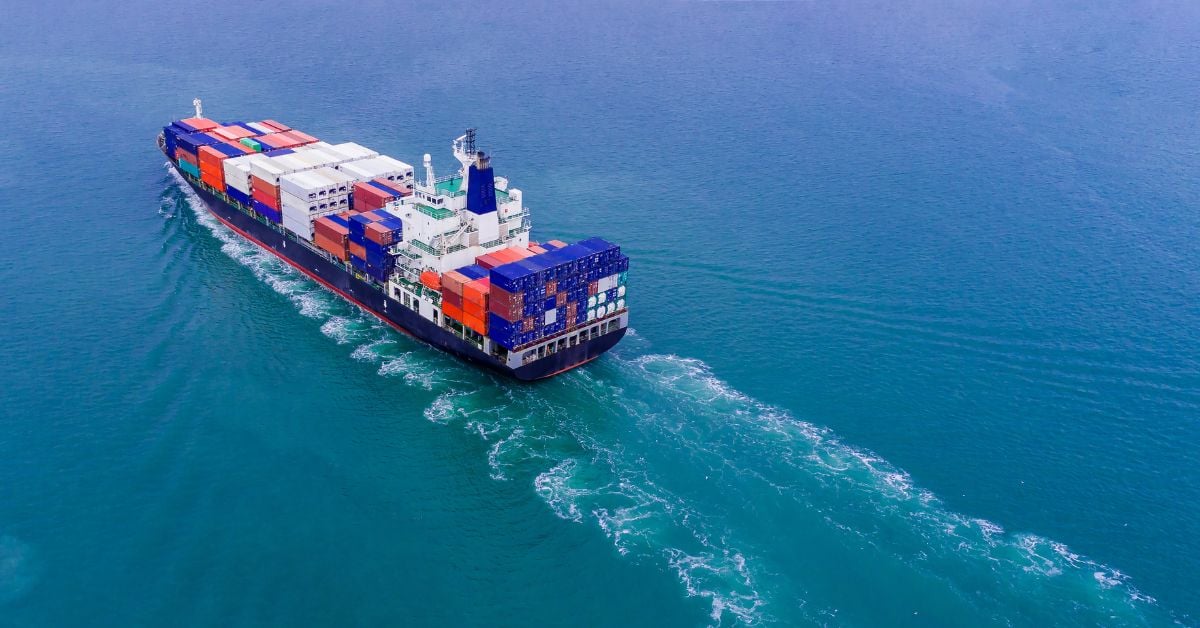
Scaling Seas: Gigamax Container Ships Forecasted for East-West Trade.
A 27,500-TEU vessel represents more than a simple capacity increase. It signals a recalibration of global trade infrastructure, where scale itself becomes a strategic asset. These Gigamax ships will demand deeper ports, stronger cranes, and tighter scheduling across entire supply chains. The question is whether our current systems can absorb that pressure. For context on how maritime nations are already adapting, see our coverage of "Russia Calibrates Export Revenue for Northern Sea Route Icebreaker Fleet."
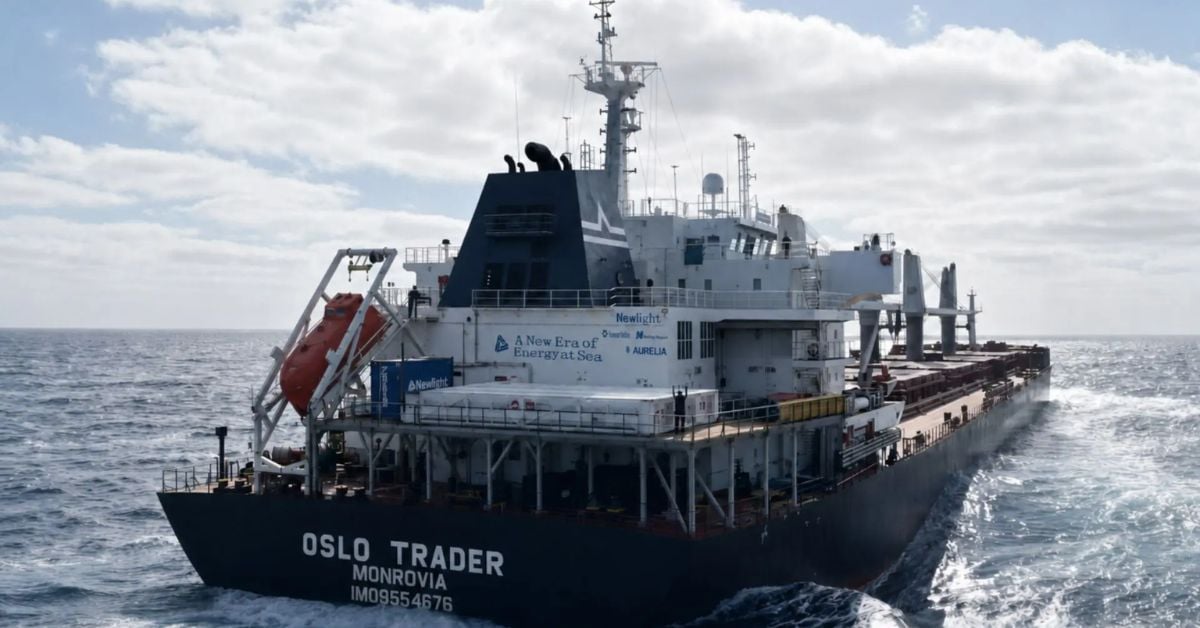
Hydrogen-Hybrid Propulsion Validates 24% Fuel Reduction on Transoceanic Voyage
A hydrogen-hybrid retrofit has delivered a 24% fuel reduction on a transoceanic voyage, a result that moves marine decarbonization from theory into measurable practice. Newlight's system, fitted to a bulk carrier's diesel engine, completed the 8,500-nautical-mile run from Singapore to Ghana with validated efficiency gains. This is the kind of empirical progress shipping needs, real-world performance, not pilot-project promise. For more on how such vessels face persistent hazards, see our coverage of the bulk carrier freed after grounding near Gladstone, Australia.

Record Container Volume Signals Continued Growth at Port of Los Angeles
The Port of Los Angeles moved more than 1 million TEUs in June, its busiest June in 118 years. That is not a rounding error; it is a calibrated signal. Record container volume reflects sustained demand and operational resilience, even as global supply chains recalibrate. We track these numbers because they are measurable indicators of economic momentum, not abstract figures. For broader maritime context, our coverage of Paradip Port's designation as a Mega Port complements this picture of expanding trade infrastructure.

Asian Refiners Adjust Crude Supply Routes Amid Suez Canal Disruption
South Korea's refiners are rerouting crude supply chains as Suez Canal disruptions force a pragmatic pivot. One major refiner is now seeking a Very Large Crude Carrier to load at Yanbu, with the option of transiting the Suez Canal still on the table. It's a measured response to a volatile corridor, reflecting how quickly logistics adapt when geopolitical friction meets energy demand. The calculus is straightforward: secure throughput, manage cost, keep refineries running.

Hydrogen Propulsion Advances Inland Shipping on China’s Rivers
China's inland shipping is entering a cleaner chapter with the launch of Yun Tao No. 1, the nation's largest hydrogen-powered cargo vessel. At 2,000 tons with a 760 km range, this ship is built for the Yangtze and Pearl River corridors, where practical decarbonization matters most. Hydrogen propulsion at this scale signals measurable progress, not just promise. For readers tracking parallel advances, our coverage of ammonia bunkering milestones offers useful context on how alternative fuels are reshaping maritime logistics.