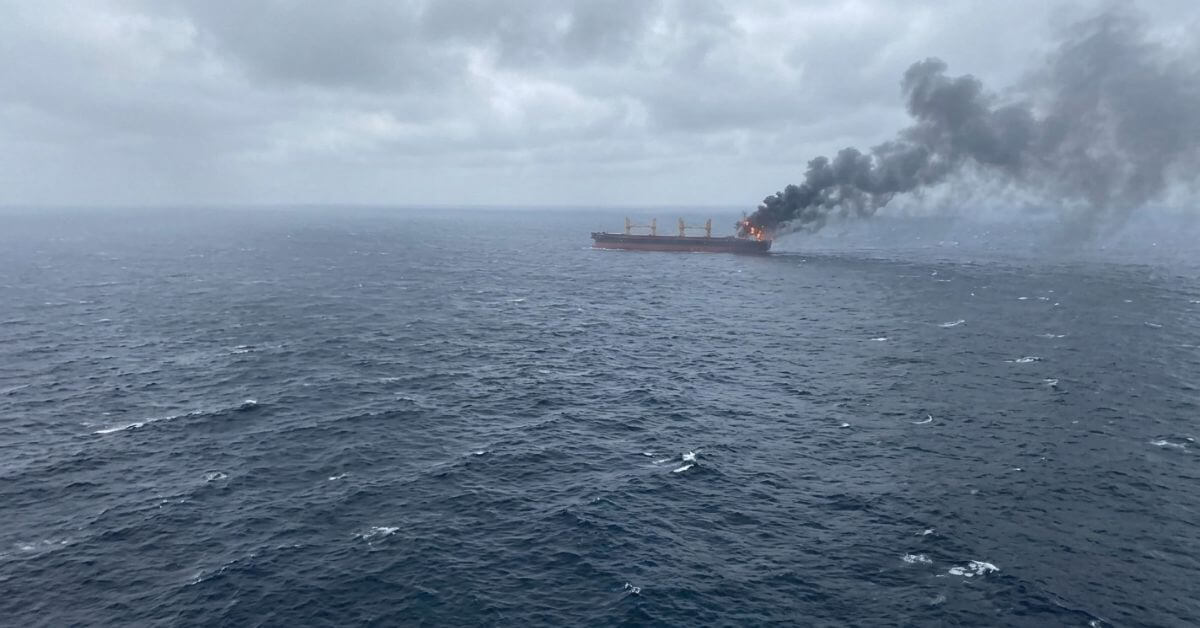
The precision strike on the Pacific Archer is not an anomaly; it is a deliberate escalation that has quietly become routine. Since April, American forces have disabled at least 15 vessels attempting to breach the blockade of Iranian ports, and this latest hit in the Gulf of Oman confirms a policy of measured, kinetic enforcement. For anyone tracking maritime security or global trade routes, this signals a shift from temporary disruption to a sustained operational reality. The blockade is no longer a diplomatic lever; it is a naval campaign with a growing body count and a clear, calculable impact on the flow of energy and goods.
What does this mean for the mariner, the insurer, and the logistics planner? It means the risk profile of the Strait of Hormuz and the Gulf of Oman has fundamentally changed. The US command has stated that 158 merchant vessels have complied with orders to turn away, but the 15 that did not were disabled with precision munitions. The calculus is stark: obey or lose propulsion. This is not a theoretical piracy threat; it is state-on-state interdiction with civilian crews caught in the middle. The tragic loss of three Indian seafarers on the *Settebello* in June, already condemned by the International Maritime Organization, provided an early warning that was not heeded. The Ocean intelligence confirms zero trade growth as chokepoint disruptions reshape global routes report from our publication shows that this kind of chokepoint friction is already dragging global seaborne trade toward zero growth. The Pacific Archer is not just a news item; it is a data point in that trend.
The strategic rationale from Washington is clear: cut off Iran's oil revenue, which CENTCOM claims has already cost Tehran $25 billion, and force a reopening of the Strait of Hormuz. Yet the conflict remains a stalemate. Iran's navy chief has vowed to launch operations to break the blockade, and the Revolutionary Guard is already claiming unauthorised transits and mine strikes, though without independent confirmation. This creates a volatile information environment where unverified claims can disrupt shipping schedules as effectively as a real mine. Our related piece on the Unverified Report Links Strait of Hormuz Mine to LNG Tanker Fire illustrates exactly this dynamic: a single unconfirmed report can trigger panic and reroute vessels, adding cost and delay even when the physical threat is uncertain.
The practical takeaway is that the blockade is working as designed, and the cost is being distributed across global supply chains. Every disabled vessel, every turned-away freighter, every unverified mine claim adds friction to a system already strained by chokepoint disruptions elsewhere, from the Black Sea to the Red Sea. The specific detail to watch is the *Pacific Archer*'s fate: whether it is towed, repaired, or left as a hazard to navigation will signal how long the US is willing to sustain this enforcement posture. For now, the message is unambiguous: warnings are final, and propulsion is the price of defiance.