engine room
engine room at World Data Ocean is a file of 17 stories. The newest of them: “Drone damage and severe weather ground two vessels near Istanbul”, “Delayed reports confirm five IRGC vessel incidents in the Strait of Hormuz”, and “Tanker Engine-Room Fire at Calaca Port Injures Two Crew Members”. Two commercial vessels have grounded near Istanbul, one after drone damage and another following severe weather. Five separate incidents involving IRGC vessels in the Strait of Hormuz were only confirmed after delayed reports reached the UKMTO on October 5, three of them dating back to October 3-4. A Global Hub for Ocean Intelligence 4 World Data Ocean is a centralized digital platform where researchers, scientists, and ocean enthusiasts converge to… The list below is every engine room story on World Data Ocean, newest first.
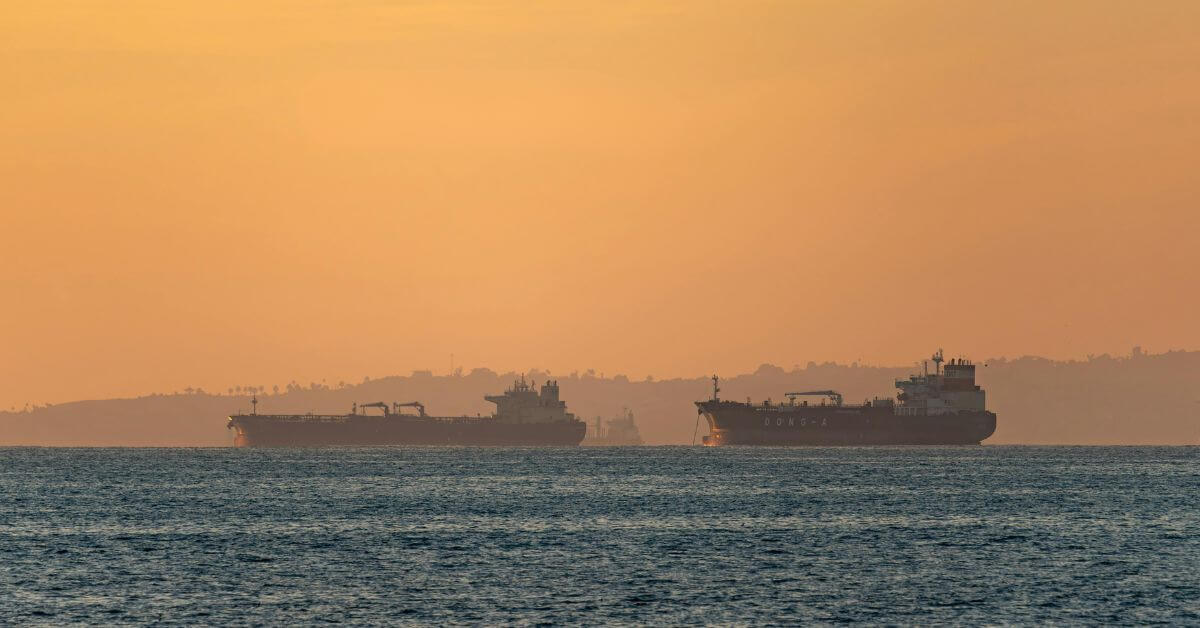
Drone damage and severe weather ground two vessels near Istanbul
Two commercial vessels have grounded near Istanbul, one after drone damage and another following severe weather. These incidents follow multiple reported drone attacks on commercial shipping in the Black Sea throughout October. The convergence of conflict-driven threats and natural hazards in a single maritime corridor is a measurable risk that demands integrated monitoring. For deeper context on regional drone escalation, see our coverage of the Black Sea tanker attacks off Romania.
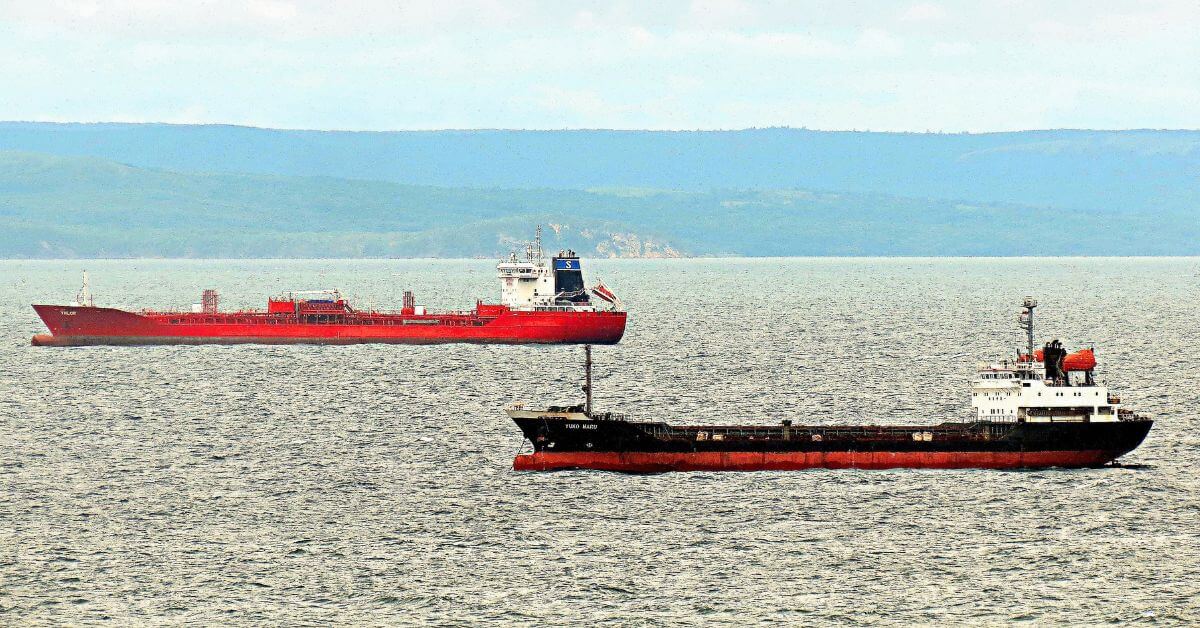
Delayed reports confirm five IRGC vessel incidents in the Strait of Hormuz
Five separate incidents involving IRGC vessels in the Strait of Hormuz were only confirmed after delayed reports reached the UKMTO on October 5, three of them dating back to October 3-4. This lag in reporting raises questions about transparency in one of the world's most critical maritime chokepoints. For broader context on regional maritime shifts, see our coverage of the calibrated movement of 2 million barrels of crude beyond the Strait. Understanding these patterns is essential.
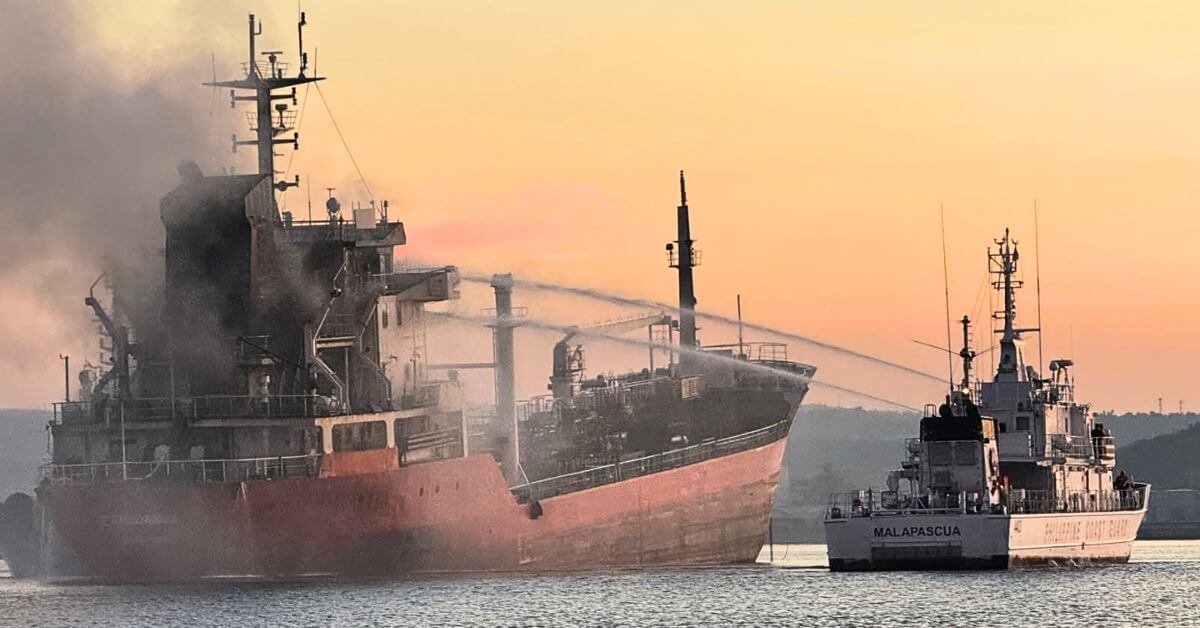
Tanker Engine-Room Fire at Calaca Port Injures Two Crew Members
A fire in the engine room of tanker Gindara at Balayan Distillery Inc. Port in Calaca City has injured two crew members. The incident underscores the persistent hazards aboard commercial vessels, where engineering spaces carry inherent risks even during routine port operations. Our coverage of the recent projectile strike at Yanbu Port serves as a reminder that maritime safety threats arrive in many forms. We will monitor this situation as response teams assess the damage and crew conditions become clearer.
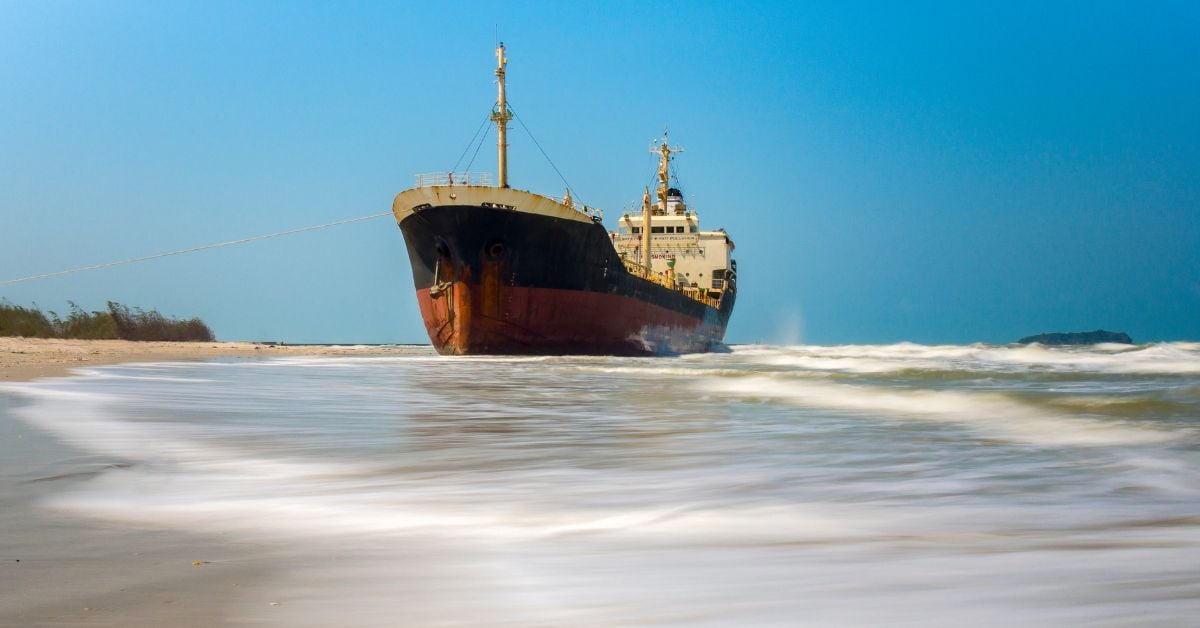
Tragic incident off Manori highlights risks of unregulated vessel access
Four thieves lost their lives off Manori while attempting to steal copper pipes from an unmanned grounded tanker. This is not a statistic, it is a preventable tragedy born from unregulated vessel access. When ships sit abandoned in coastal waters, they become hazards: environmental, navigational, and now, fatal. These deaths underscore a systemic failure in maritime security protocols. For deeper context on vessel groundings and coordinated rescue responses, see our coverage of the *Coast Guard Response Validates Real-Time Rescue Coordination Off Odisha*.
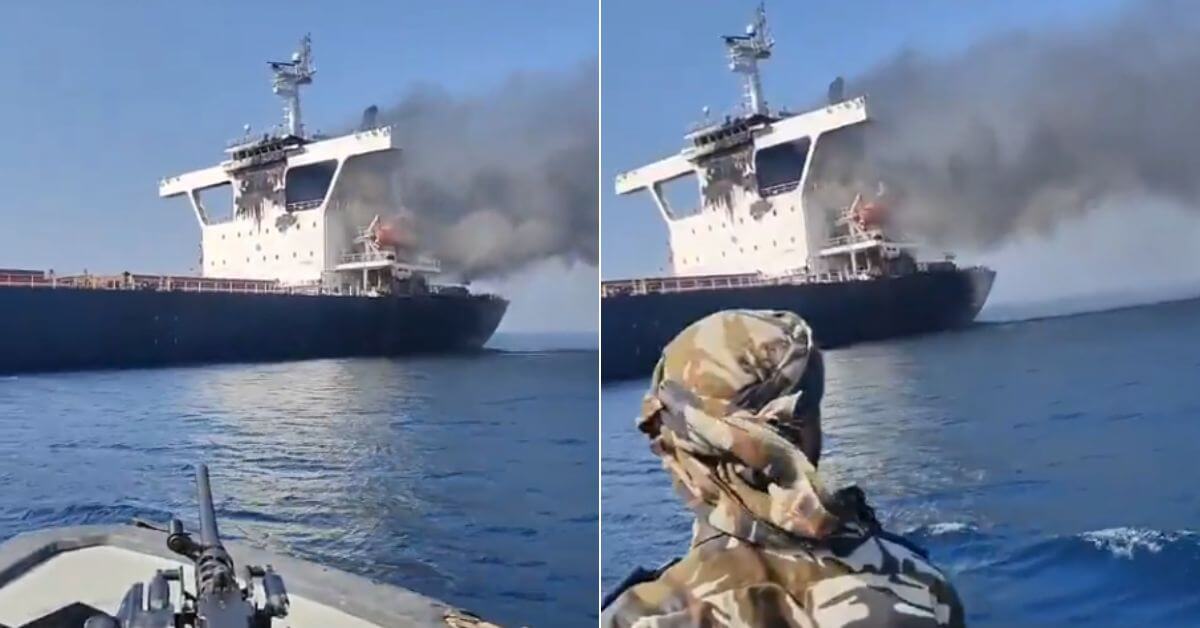
Fatal Attack on Bulk Carrier Near Oman Highlights Maritime Security Risks
The fatal attack on the MV Cape Dao off Oman, which killed an Indian seafarer, is a stark reminder that maritime security remains a pressing global concern. This incident underscores the persistent dangers facing those who move our goods across volatile waters. While our recent coverage of the Gladstone grounding highlighted navigational challenges, this is a violent reminder that crew safety requires constant vigilance.
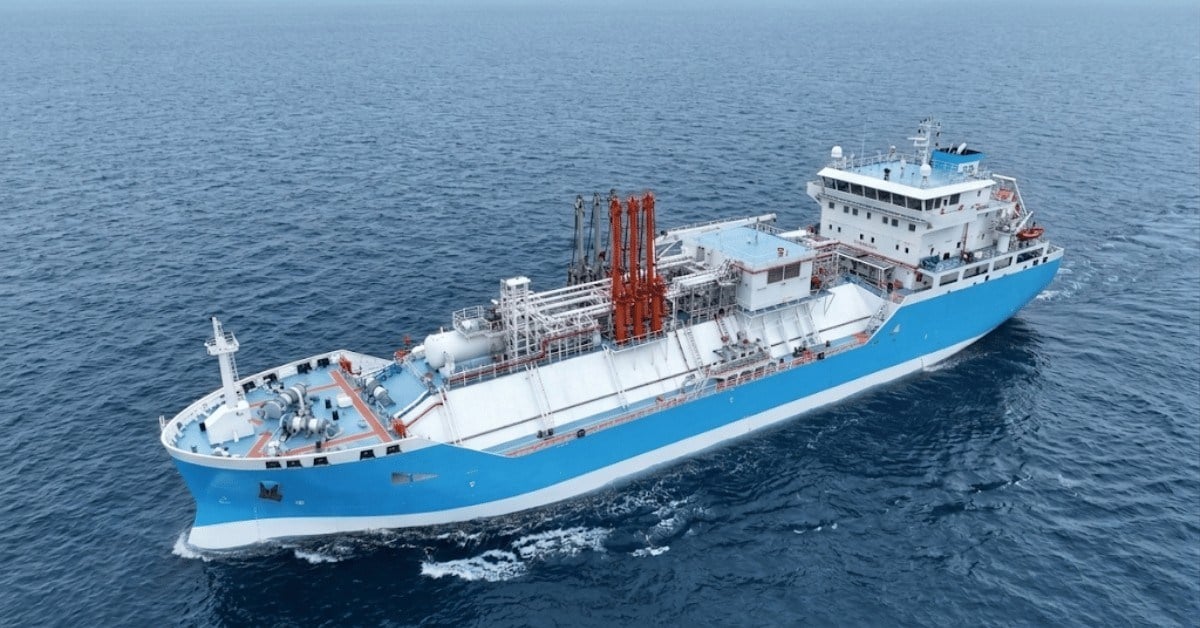
Ammonia Bunkering Vessel Design Receives Approval, Advancing Sustainable Maritime Fuels
HD Hyundai's shipbuilding arms have secured ABS approval in principle for an ammonia bunkering vessel design, a concrete step toward commercialising a fuel critical to maritime decarbonisation. The classification validates the integrated approach behind the design, moving ammonia from theoretical promise toward operational reality. This is how ocean intelligence translates into practical infrastructure. For broader context on the sector's risks, our report on the fatal attack near Oman underscores the security dimension shaping today's shipping routes.
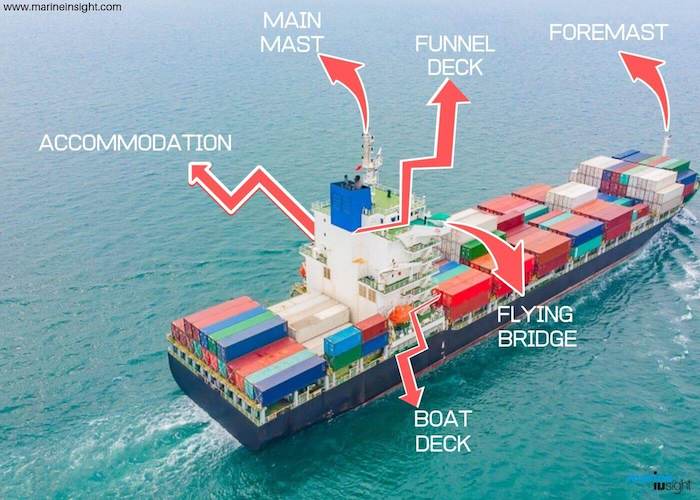
Understanding Ship Anatomy: Key Components and Maritime Terminology
A ship's anatomy is a study in precision, where every component from bow to stern serves a purpose. The hull provides the foundation, the deck frames operations, and the bow and stern define direction and stability. Understanding these elements is not just technical knowledge; it is the language of maritime safety and efficiency. We break down the core parts and essential terminology clearly.
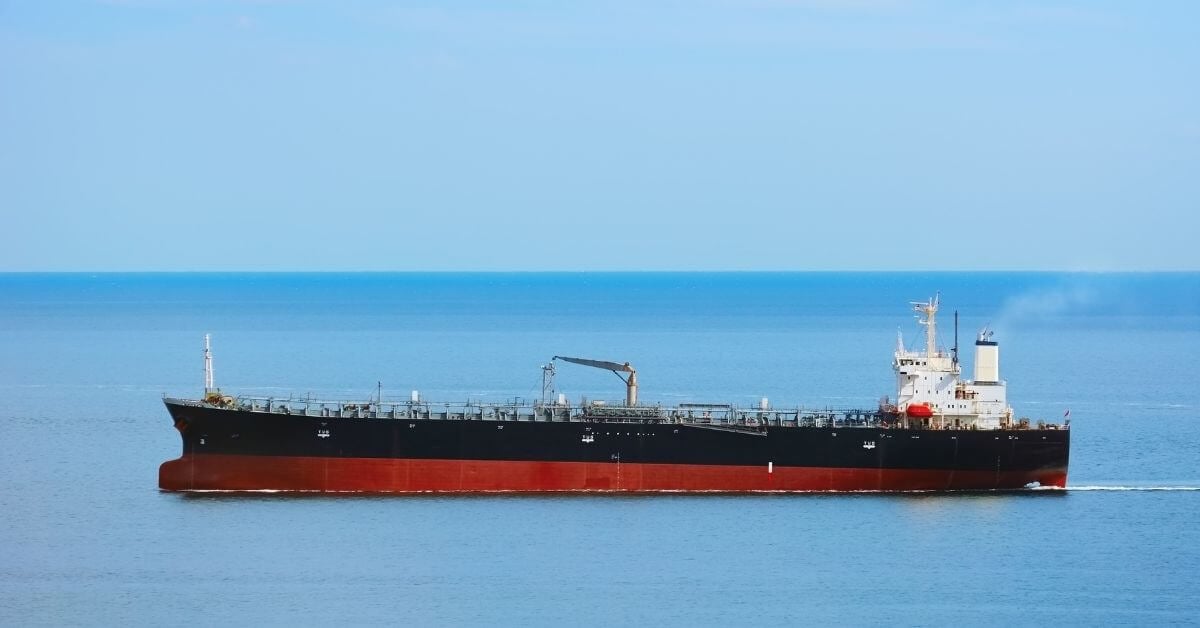
Fatal Fire Aboard Oil Tanker Highlights Maritime Safety Concerns
At 10:38 p.m. on Aug. 27, a fire broke out aboard a 7,000-ton-class Korean oil tanker approximately 7.4 kilometers north of Jawoldo in Ongjin County, underscoring the persistent risks facing maritime operations. The incident, which involved a fatal outcome, demands rigorous scrutiny of existing safety protocols. Vessel fires remain among the most preventable yet devastating emergencies at sea, and this tragedy reinforces the need for continuous, empirical improvements in crew training and vessel design.

Diesel Spill Threatens Zambales Coastline Following Tug Sinking
A diesel spill now threatens the Zambales coastline after the tug SL Sual 1 sank while under tow from its grounding site off Botolan. The incident underscores how even routine salvage operations carry measurable environmental risk. Response efforts must prioritize rapid containment, as coastal ecosystems here remain vulnerable to long-term contamination. For context on how such groundings unfold elsewhere, our report on the bulk carrier freed near Gladstone offers a relevant comparison.

Strait of Hormuz Incident: Vessel Damaged, Crew Member Injured
A vessel was struck while making an outbound transit of the Strait of Hormuz, leaving a crew member injured, according to the Company Security Officer. The incident underscores how quickly risk can escalate in a waterway where geopolitical tension already runs high. Such disruptions are not isolated events; they are part of a broader pattern affecting regional energy flows. For deeper context on these dynamics, our coverage of phased negotiations aimed at easing restrictions on the Strait offers useful perspective.

U.S. Navy Intercepts Shipbound for Iran, Enforcing Maritime Restrictions
The U.S. Navy has intercepted the Vela Nova, the third vessel disabled since the July 14 blockade began, according to CENTCOM. Enforcement of maritime restrictions near Iran remains deliberate and measurable. Each interdiction reinforces a simple premise: rules at sea are not optional. For context on the region's rising tanker activity, our report on Gulf of Oman STS transfers offers useful depth. This is pressure applied methodically, not theatrically. The ocean is a shared system, and accountability is part of its operation.

Container Ship Sinks Near Zhoushan; Typhoon Threatens Recovery Efforts
Aged 20 and already facing the sea's harshest realities, the container ship that sank near Zhoushan now confronts a second threat: an inbound typhoon is set to complicate salvage efforts. The vessel's fate underscores how quickly recovery can turn perilous, even for seasoned crews. Weather remains the great variable in maritime response, and this operation will test both patience and precision. For deeper context on how vessels endure such trials, our piece on the bulk carrier freed near Gladstone offers a useful counterpoint.

Shipping Risk: Hormuz Attack Triggers $10.98 Million Payout.
The Thai-flagged Mayuree Naree, IMO 9323649, was struck by two projectiles on March 11, shortly after crossing the Strait of Hormuz, triggering a $10.98 million payout. That figure is a stark reminder of how quickly maritime risk translates into real financial consequence. The attack underscores the vulnerability of vessels in this corridor, a reality our Gulf of Oman STS Transfers Max Out piece also touches on. For now, the payout is settled, but the broader question of navigational security remains open.

Strait of Hormuz Attack: Search Underway for Missing Engineer
The Strait of Hormuz is narrow, strategic, and now the site of a search for a missing engineer. The third engineer of the Liberian-flagged bulk carrier Minoan Pioneer has gone missing following an attack on the vessel. The human cost is immediate, even as the geopolitical currents shift around this waterway. While negotiations aim to ease restrictions, the reality of risk remains.

Black Sea Attack: Cargo Ship Targeted, Raising Maritime Security Concerns
The MV Reyhan Sari was sailing from Russia's Port of Taman to Trabzon when it came under attack on July 22, according to ship owner T and O Maritime. The strike raises pointed questions about the safety of commercial routes in the region. This incident is not isolated; our related coverage, including "Strikes Target Ports and Vessels in Confirmed Military Action," underscores a troubling pattern. For those navigating these waters, the threat is no longer hypothetical, it is measurable, and it demands calibrated responses.

Sailor Lost at Sea After Vessel Struck in Strait of Hormuz.
The Strait of Hormuz became the site of a critical incident at 3:30 a.m. IST, when a vessel carrying 24 crew members, including 11 Indians, was struck. A sailor is now lost at sea, and the search underscores the human cost embedded in complex maritime routes. This is not abstract data; it is a life disrupted. We monitor these waters closely, and our recent coverage of Gulf of Oman STS transfers highlights the region's escalating pressures. Our thoughts are with the crew and their families.

Asia Sees Seven-Year Low in Ship Robberies During First Half of 2026
Armed robbery against ships in Asian waters fell to its lowest level in seven years during the first half of 2026, a measurable sign of progress in maritime security. The decline validates sustained patrols and regional coordination, though it is no cause for complacency. Fewer incidents mean safer sea lanes, but the trend must hold across a full year to carry real weight. For broader context on regional naval strategy, our coverage of India's expanded fleet projections offers a useful counterpoint.