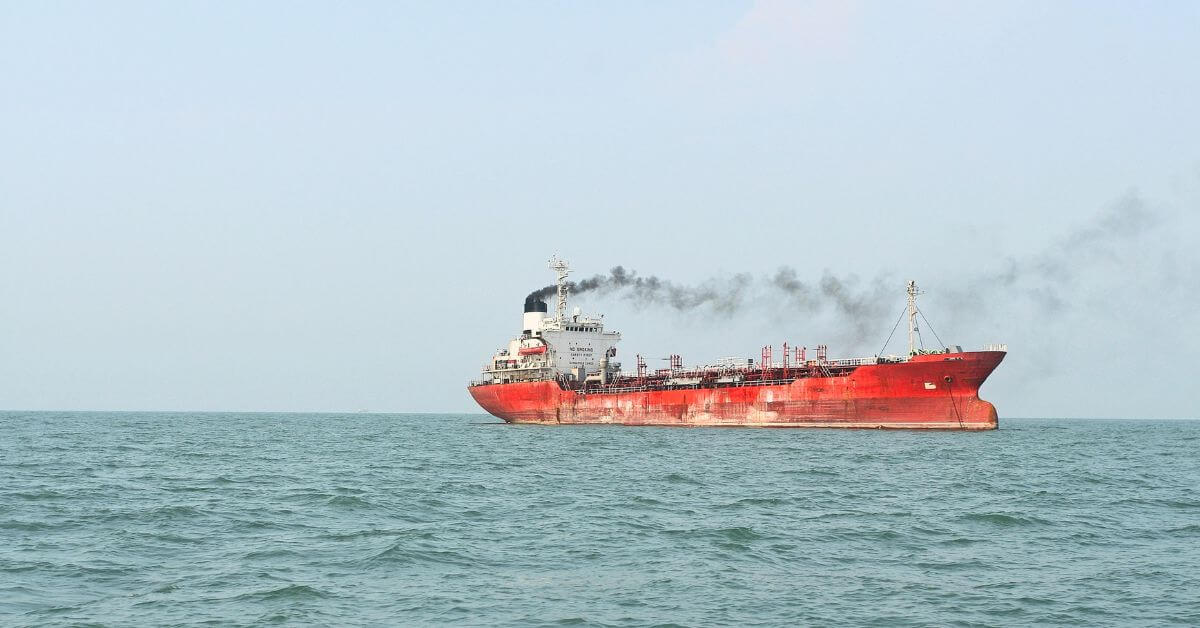
The fatal attack on a cargo ship sailing under the flag of Antigua and Barbuda, confirmed by the Ukrainian Sea Port Authority on Sept. 23, is not an isolated incident but a signal of systemic degradation in a maritime corridor we once considered navigable. This is not about a single vessel or a single crew; it is about the erosion of the rules that make global shipping possible. When a captain is killed in the Black Sea, we are no longer discussing hypothetical risks or the abstract costs of war. We are discussing the real price of moving goods through a region where the boundaries between military conflict and commercial transit have all but vanished.
This event sits within a broader pattern of maritime stress that our readers track closely. Consider the recent Cargo Ship Fire Prompts Evacuation Near Mykonos; Incident Under Investigation, where a fire forced all 29 people on board to abandon ship, or the Bulk Carrier Freed After Prolonged Grounding Near Gladstone, Australia, a six-day ordeal that tied up assets and resources. These are not equivalent tragedies, but they are part of the same operational reality: the ocean is becoming a more dangerous workplace, and the margin for error is shrinking. The Gulf of Oman's ship-to-ship transfers are also maxing out, as noted in the Gulf of Oman STS Transfers Max Out Amid Rising Saudi Oil Exports, which tells us that the logistical pressure is not easing anywhere. The Black Sea is simply the sharpest edge of that pressure.
Our take is this: the industry must stop treating these incidents as discrete crises and start viewing them as data points in a deteriorating security environment. For shipowners, insurers, and charterers, the practical takeaway is not to retreat from the region entirely, but to recalibrate risk models that are still based on peacetime assumptions. The attack on the cargo ship is a validation that the war risk premium is not a negotiable line item; it is a reflection of live danger. For the crew members who have no choice but to sail these routes, the question is not whether they will be caught in the crossfire, but how many more warnings are required before the industry demands a more robust, internationally coordinated escort and monitoring system.
If a reader asked us what to do with this information, we would say this: do not let the tragedy become a statistic. Push your operators for transparency on routing decisions, demand that insurers price these transits honestly, and support regulatory pressure for a protected maritime corridor. The concrete detail to watch is the response from the International Maritime Organization and the flag states involved. Whether they issue guidance, impose restrictions, or stay silent will tell us more about the future of Black Sea shipping than any single attack. The ocean is not asking for our permission; it is demanding our attention.