maritime traffic
9 stories filed under maritime traffic on World Data Ocean. The newest of them: “Engine Failure in Bosphorus Halts Traffic as 6,000-Ton Tanker Drifts Toward Shore”, “Mitigating a Wartime Legacy: Masts Removed From Munitions Wreck in Thames”, and “US Navy Responds to Iranian Attempt to Intercept Autonomous Saildrone.”. A 6,000-ton chemical tanker drifting toward shore in the Bosphorus is a stark reminder of how fragile maritime safety can be. Three masts still rise from the SS Richard Montgomery, a WWII wreck holding roughly 1,400 tonnes of munitions in the Thames Estuary. A Global Hub for Ocean Intelligence 4 World Data Ocean is a centralized digital platform where researchers, scientists, and ocean enthusiasts converge to… The list below is every maritime traffic story on World Data Ocean, newest first.
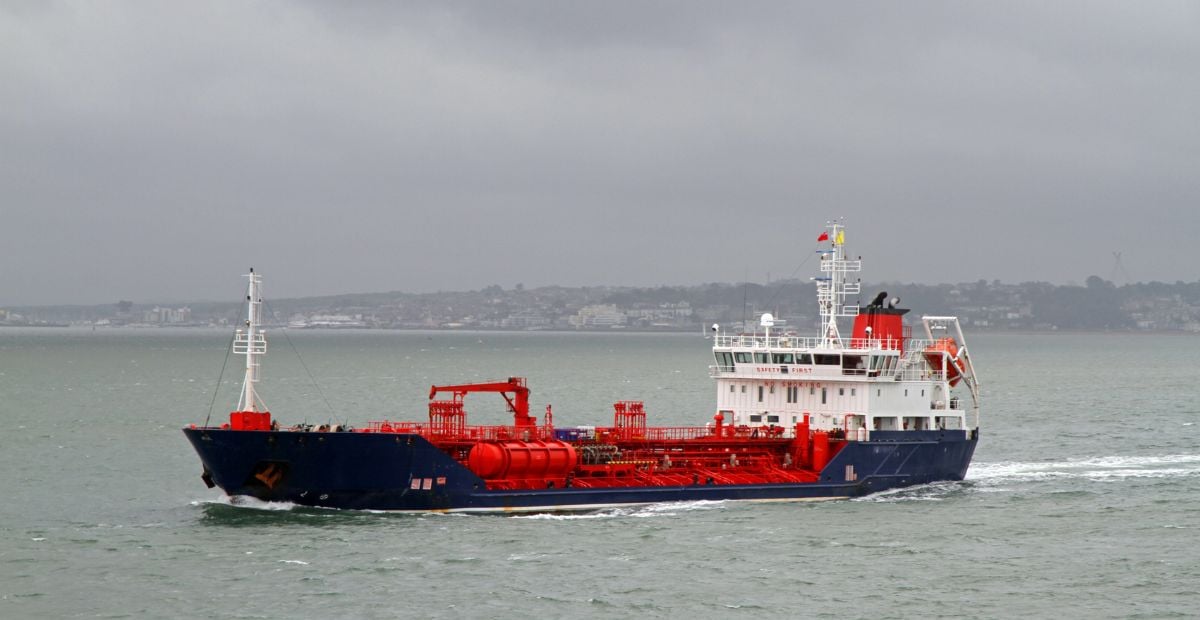
Engine Failure in Bosphorus Halts Traffic as 6,000-Ton Tanker Drifts Toward Shore
A 6,000-ton chemical tanker drifting toward shore in the Bosphorus is a stark reminder of how fragile maritime safety can be. The IVYAN's engine failure halted one of the world's busiest straits, demanding immediate coordination from local authorities. These incidents underscore why integrated monitoring and real-time data are essential for navigational security. For context on regional risks, see our coverage of the drone-struck abandoned cargo ship drifting through the Black Sea toward Bulgaria.
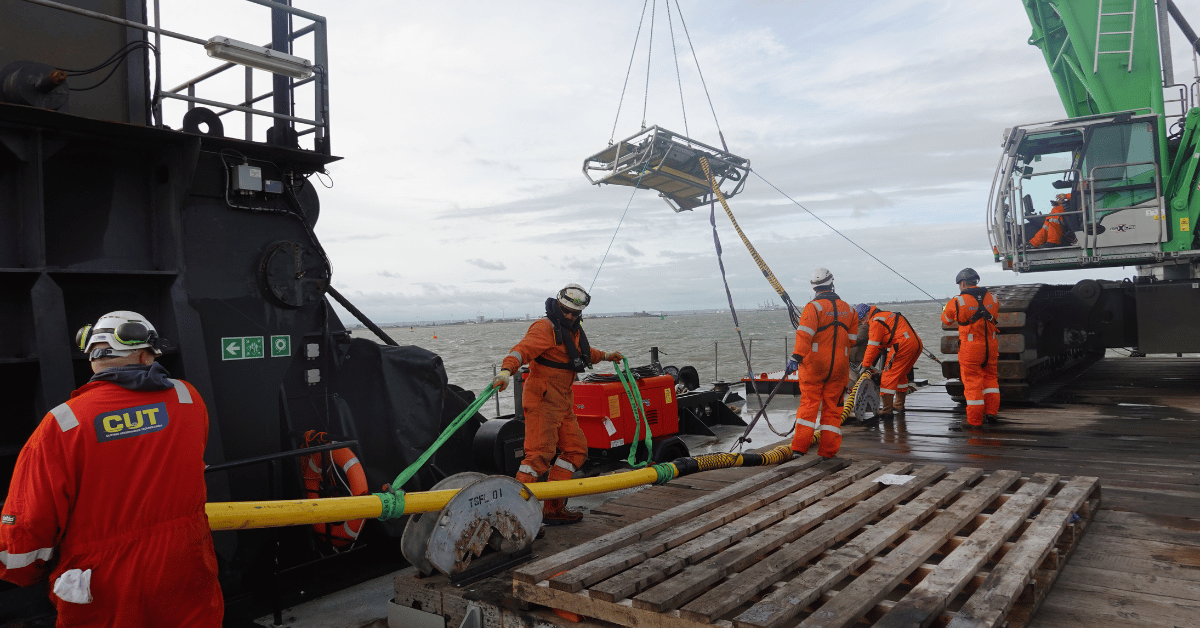
Mitigating a Wartime Legacy: Masts Removed From Munitions Wreck in Thames
Three masts still rise from the SS Richard Montgomery, a WWII wreck holding roughly 1,400 tonnes of munitions in the Thames Estuary. Resolve Marine has now begun removing them, a measured, long-overdue step toward mitigating a wartime legacy that has sat silent for decades. This is not alarmist work; it is empirical, calibrated, and necessary. Understanding drives protection. For deeper coverage of maritime tragedy, see our report on the Virgo Transport 8 recovery, where search data confirmed 71 lost.
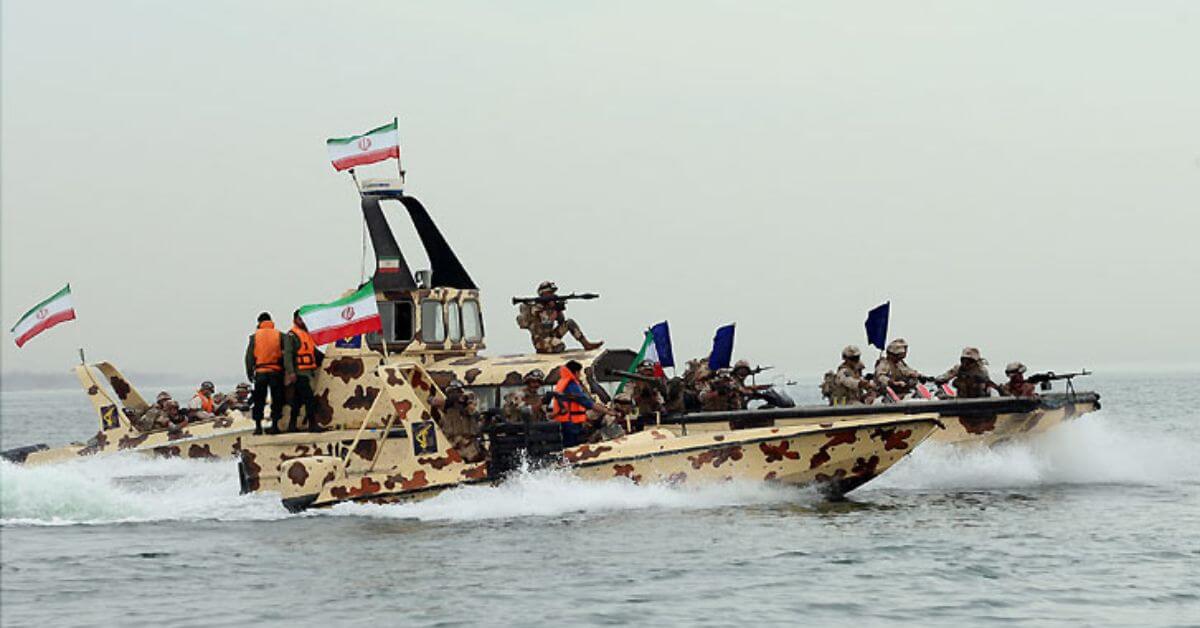
US Navy Responds to Iranian Attempt to Intercept Autonomous Saildrone.
The US Navy's response to an Iranian attempt to intercept one of its autonomous Saildrone vessels underscores a quiet but firm escalation in maritime competition. At roughly 25 feet, this uncrewed craft operates alone, yet its presence clearly signals strategic intent. This is measured deterrence, not provocation. The Navy's growing reliance on such platforms aligns with its broader push to integrate robotic systems, a move that also echoes in the Indian Navy's fleet projections.
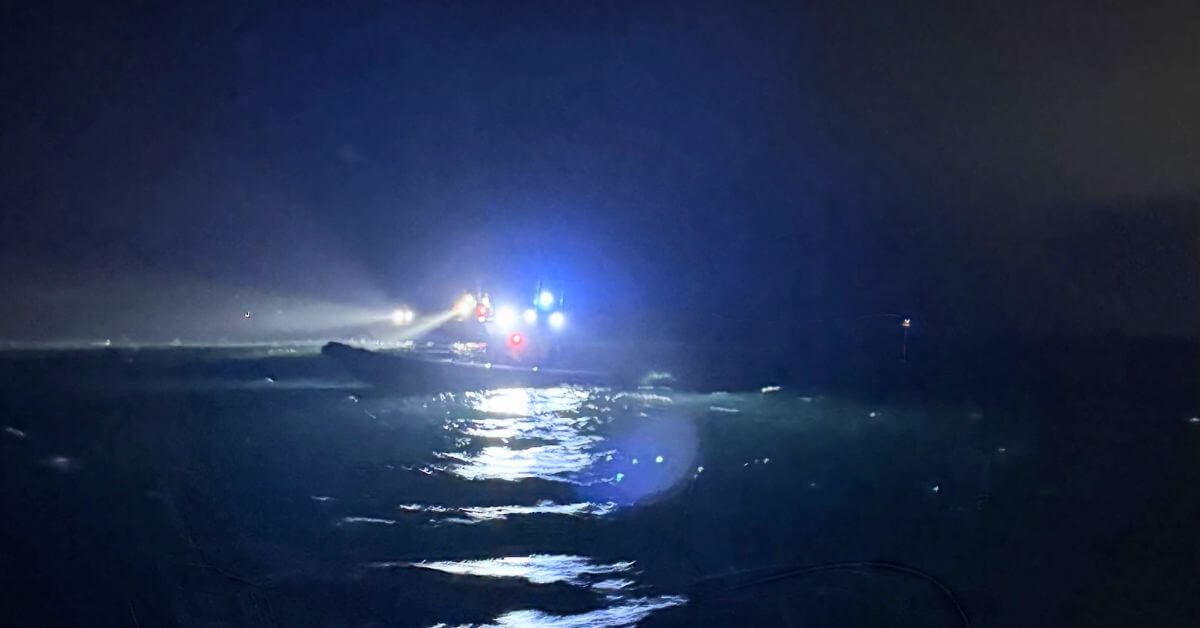
Collision in Hakefjord: Investigation Follows Fatal Loss of Life
The collision in Hakefjord, where a cargo ship overtook and struck a small pleasure boat, killing a mother and her daughter, demands more than a routine inquiry. This is a devastating reminder that maritime safety depends on vigilance in every encounter, regardless of a vessel's size. The investigation must be rigorous and transparent, as the waters we share leave no room for error. For broader context on recent incidents, our coverage of the bulk carrier grounding near Gladstone offers a parallel look at operational risks.

Iran Enforces Transit Rules in Strait of Hormuz, Threatens Fines and Detentions
Iran's Ports and Maritime Organization now threatens fines and detentions for ships bypassing transit rules in the Strait of Hormuz, extending scrutiny to vessels linked with those already on its Non-Compliant Vessels list. The move tightens a choke point already strained by regional oil flows. Enforcement here is measured, but the message is clear: compliance is not optional. For broader context, our related piece on Gulf of Oman STS transfers shows how pressure is building across nearby shipping lanes.

UAE Suspends Trade with Iran Following Missile Incident Dispute
The UAE's decision to suspend trade with Iran lands with the weight of a diplomatic ultimatum, though its foundation appears shaky. Esmaeil Baghaei, Iran's foreign ministry spokesperson, dismissed the accusation as baseless, a rebuttal that sharpens rather than resolves the tension. This dispute unfolds against a fragile backdrop of maritime pressure, where the Strait of Hormuz remains a flashpoint. Readers tracking the broader reopening efforts may find context in our related coverage, "Phased Negotiations Aim to Ease Restrictions on Strait of Hormuz.

Fatal Attack on Bulk Carrier Highlights Strait of Hormuz Risks
The Strait of Hormuz claimed another life on August 17, when an attack on the Liberian-flagged bulk carrier Minoan Dignity killed a seafarer transiting the waterway. This is not an abstract statistic; it is a tangible cost of escalating risk in a passage that underpins global energy flows. The loss underscores how precarious maritime security has become.

Naval Operations Impact Regional Shipping and Maritime Security.
CENTCOM's position is clear: commercial vessels transiting regional waters will continue to receive support, provided they respect the blockade. It is a calibrated stance, one that balances operational necessity with maritime stability. The decision reinforces that security in these shipping lanes is not abstract; it is measured, enforceable, and tied to compliance. This is not about rhetoric. It is about maintaining order where the margins for error are thin.

Safeguarding Seas: IMO Council Underscores Navigation and Seafarer Safety.
The IMO Council closed its 137th session by reaffirming what should never be negotiable: the right to safe passage. Safeguarding Seas: IMO Council Underscores Navigation and Seafarer Safety reflects a measured, necessary stance amid rising geopolitical friction. Navigation rights are not abstract; they are the backbone of global trade and humanitarian access. The Council's clarity is welcome, especially as pressure on chokepoints intensifies.